

With only 7 steps, you can have a perfect tour to Vietnam. Take 5 minutes to read it, and you will get the answers to “Where to go?” “When to go?” “How many days to spend?” “How much to budget?” “How to get around?” And more.
Step 1: Select Where to Go
Vietnam is a long and narrow country, featuring many worthwhile travel destinations from north to south.
In the northern part of Vietnam, it is well-known for its stunning landscapes. Besides the must-visit city of Hanoi to see both the old and new Vietnam, the highlights of your trip must include Halong Bay. Travel further to Sapa and Ninh Binh to experience the peaceful village life. If you want to have an adventure tour, don’t miss Ha Giang Loop.
In Central Vietnam, you can enjoy leisure time in Hoi An Ancient, marvel at Hands Bridge (Golden Bridge) in Da Nang, or learn the history of Vietnam in Hue. If you want to explore in-depth, do consider extending your tour to My Son Sanctuary.
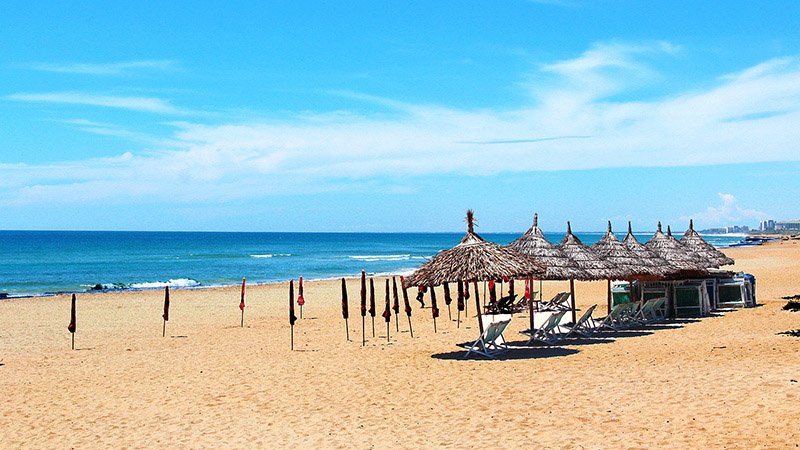
In Southern Vietnam, Ho Chi Minh City (known as Saigon) is a vibrant city filled with surprises. The Mekong Delta offers another perspective on local life, contrasting sharply with Saigon. If you want to enjoy a beach holiday, Nha Trang is one of the best choices in Vietnam.
There are also some new favorites in Vietnam, such as the UNESCO site Phong Nha-Ke Bang National Park in north-central Vietnam, Mui Ne sand dunes in Southeast Vietnam, and Phu Quoc Island or Con Dao Islands in Southern Vietnam.
Step 2: Choose When to Go
Generally, the best time to visit Vietnam is from November to March of the following year. However, that also means it is the high season during these months. In detail, from Northern Vietnam to the south, different regions have their best time to visit.
In Northern Vietnam, the ideal times to visit tourist attractions are during spring (March to May) and autumn (September to November). The weather in these months is quite pleasant: dry, mild, and sunny, with temperatures ranging from 18°C to 28°C. It’s a perfect chance to enjoy the amazing landscapes of the region.
If you want to visit the central part of Vietnam, consider traveling from April to August. During these times, there is less rain and fewer typhoons, with comfortable weather and temperatures ranging from 24°C to 34°C. This period is good for outdoor activities like cycling or trekking.
Step 3: Decide How Many Days to Spend
No matter if you want a short tour for 1 week, a 2-week tour in Vietnam, or even a one-month-long tour combined with nearby countries, Odynovo always offers you the best choices.
For 1 Week in Vietnam
If your time is limited, you can take a highlights tour including Hanoi, Halong Bay, and Ho Chi Minh City in 1 week. Spend 2 days in Hanoi, 2 days in Halong Bay, and another 3 days in Ho Chi Minh City. Don’t worry, you will not miss any must-see attractions.
For 10 Days in Vietnam
A classic Vietnam tour should add 2 days in Hoi An Ancient Town and 1 more day in Saigon, extending to the Mekong Delta. This tour covers the main destinations in Vietnam and is one of the most popular itineraries for tourists from all over the world.
If you want to add special experiences based on this classic itinerary, Odynovo can fulfill all you need. Indulge in Vietnam New Year (Tet Festival) in January or February, ride an overnight train from Hanoi to Da Nang, take part in a cooking class with your kid, or enjoy a veteran tour to learn about some of Vietnam War history. There are many ways to discover Vietnam in 10 days.
For 12 Days in Vietnam
If you have 12 days in Vietnam, there are more choices: take a Ha Giang Loop adventure combining with Halong Bay and Hanoi; relish your holiday with luxury accommodation and top service from Saigon to Hanoi; or take a mouth-watering food tour in Vietnam. Recommended itineraries are as below:
For 2 Weeks in Vietnam
Vietnam has so many places worth visiting: from Phong Nha-Ke Bang National Park and other UNESCO sites to a honeymoon vacation, or traveling across the country to see the charms of Vietnam.
For More Than 2 Weeks
Odynovo is proficient at multi-country tour arrangements. Whether you want to travel to Vietnam and Cambodia, combine Thailand with Vietnam, or take a Southeast Asia grand tour, just send a tailor-made inquiry to Odynovo. You will receive a quotation with a detailed itinerary from a Southeast Asia travel expert.
Step 4: Consider Where to Stay
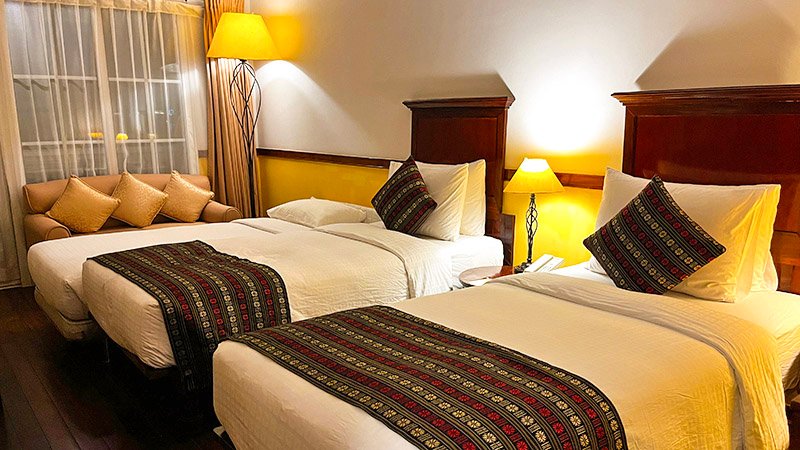
It is very important to plan where to stay during your Vietnam trip. The good news is that Vietnam offers various hotel options in each tourist destination. From economy 3-star hotels to deluxe 5-star resorts, and from international brands to boutique hotels, there is always something suitable for you.
Step 5: Set Your Budget
The cost for a Vietnam tour is very budget-friendly. For example, a 4-star hotel generally only costs about 65-80 USD per night in tourist destinations during shoulder seasons. Many overseas travelers prefer private tours in Vietnam. Generally speaking, a private tour, including tour guides, transportation, hotels, sightseeing fees, and meals, will cost about 180 USD per person per day (based on 2 persons sharing 1 room in a 4-star hotel). Peak season prices would be slightly higher, depending on the destinations.
Step 6: Getting To/Around Vietnam
The main international airports in Vietnam are Tan Son Nhat International Airport in Ho Chi Minh City (SGN) and Noi Bai International Airport in Hanoi (HAN), which have convenient international airlines direct to other countries in and beyond Asia. Danang International Airport in Danang (DAD) is also a main gateway to many Asian countries.
The condition of trains in Vietnam has improved significantly. Taking an overnight train from Hanoi to Sapa or from Hanoi to Da Nang will be an unforgettable experience, allowing you to closely interact with local people.
Step 7: Passport and Visa
You must have a valid passport for at least six months beyond your planned stay, and at least one blank visa page (not including the endorsement page).
There are three ways to obtain a visa for traveling to Vietnam: an e-visa via online application (the most recommended way); a visa on arrival with a pre-approved visa letter (which may involve waiting in line); and the traditional way of getting a tourist visa directly from a Vietnamese Embassy or Consulate.
Vietnam offers visa exemptions ranging from 14 to 90 days for citizens of 26 countries. Additionally, Phu Quoc Island provides visa exemptions for all nationalities for up to 30 days. Check the details in our ultimate guide: Vietnam Tourist Visa: How to Apply for Your Vietnam Trip.