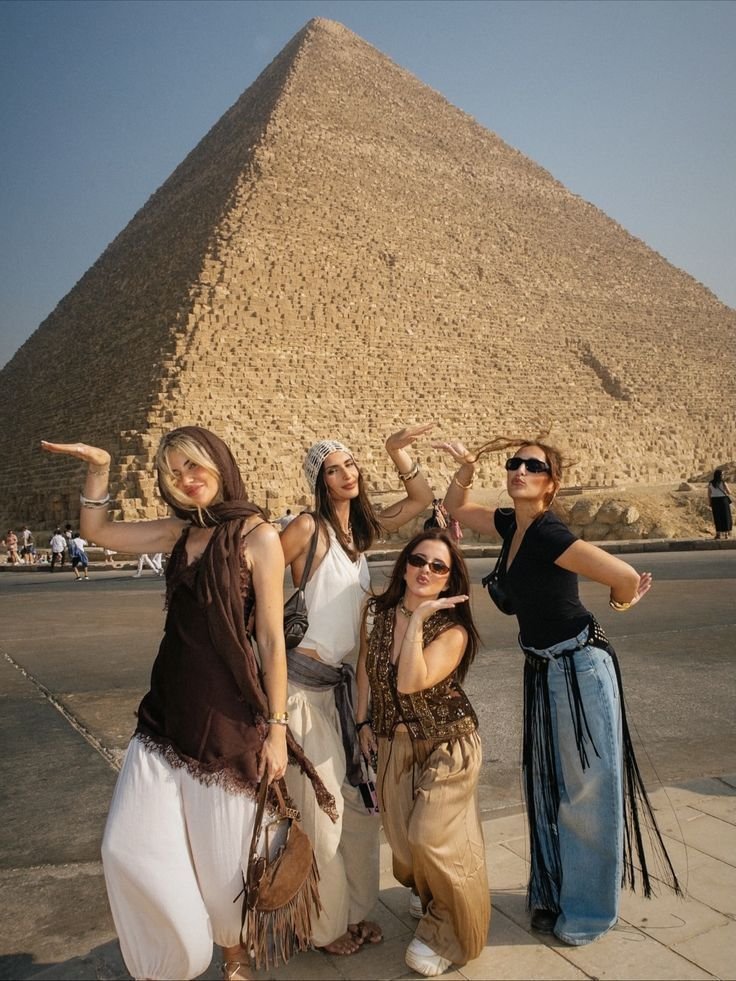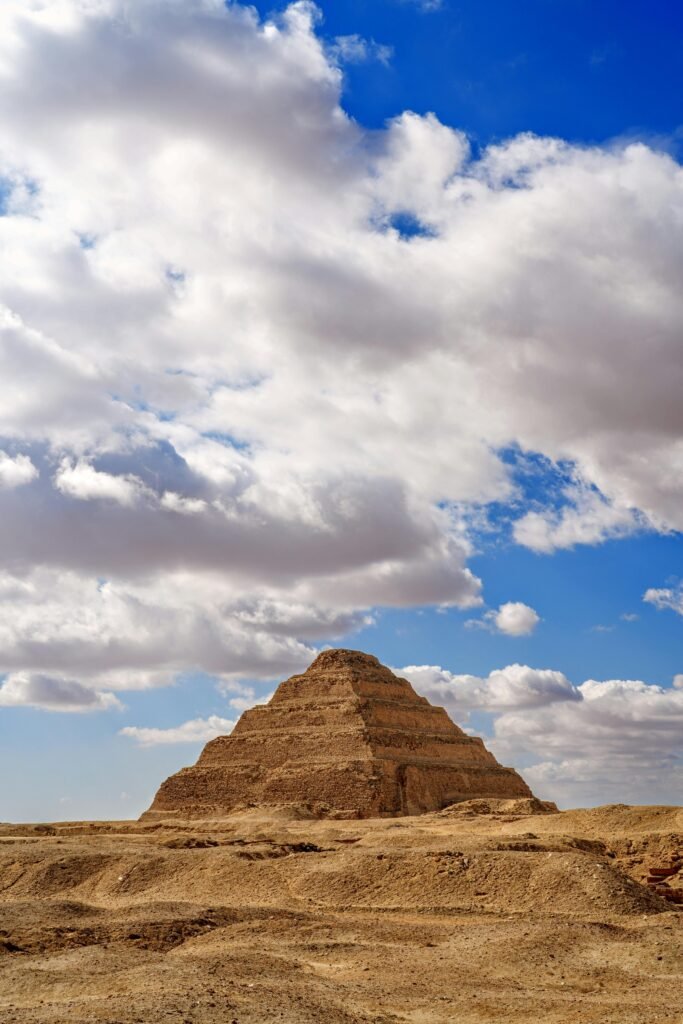
Egypt is one of the world’s most fascinating travel destinations, shaped by ancient civilizations, powerful traditions, and a daily rhythm unlike anywhere else. While the country is welcoming to visitors, it also operates under social norms, laws, and travel conditions that may be unfamiliar to first-time travelers.
Understanding what not to do in Egypt is not about fear or restriction — it’s about awareness. Small missteps can quickly turn an unforgettable journey into a stressful one. These ten insights will help you move through Egypt with confidence, respect, and ease, allowing you to focus on what truly matters: the experience.
1. Don’t Assume Tourist Rules Are Flexible
Many travelers assume that rules around monuments, security, or public behavior are “suggestions” rather than strict regulations. In Egypt, this assumption can quickly lead to trouble.
Ignoring barriers, arguing with site guards, or refusing instructions may result in on-the-spot fines or being escorted to tourist police offices. In rare cases, it can delay your itinerary or cause unnecessary questioning. Respecting rules saves time and avoids stress.
What can happen if you do:
- Fines
- Questioning
- Travel delays
2. Don’t Bring Restricted Items Into Egypt
Items such as drones, professional camera equipment, walkie-talkies, and some medications are tightly regulated. If discovered at customs, these items are often confiscated immediately.
Attempting to hide restricted items can escalate the situation, potentially leading to fines or prolonged airport delays. In serious cases, travelers may face legal questioning. Declaring items honestly or leaving them at home is always safer.
What can happen if you do:
- Confiscation
- Fines
- Legal issues
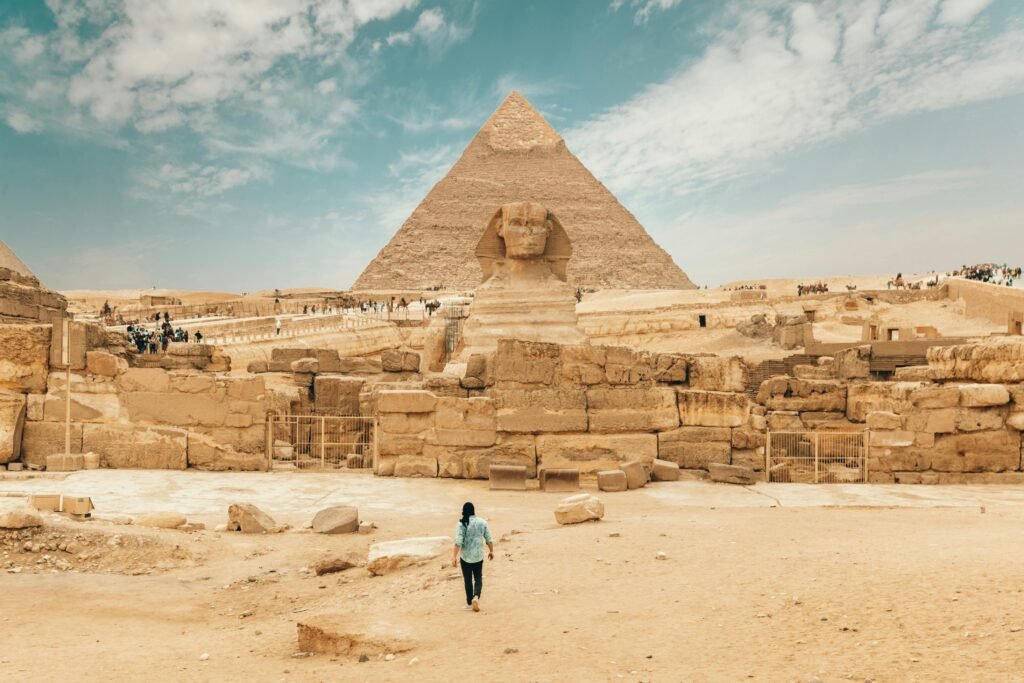
3. Don’t Stay in Unlicensed or Illegal Accommodation
Some budget stays operate without proper permits, especially near major landmarks. While they may seem appealing, staying in such places can attract daily police inspections or sudden eviction.
If problems arise — theft, disputes, or emergencies — unlicensed accommodations offer little protection or support. Licensed hotels ensure security, legal registration, and assistance if something goes wrong.
What can happen if you do:
- Police visits
- Eviction
- Lack of protection
4. Don’t Accept “Free” Help or Services
In busy tourist areas, unsolicited help often comes with hidden expectations. Accepting directions, photos, or small gifts can quickly turn into persistent demands for money.
Refusing to pay afterward may lead to confrontation or embarrassment. Politely declining from the start keeps interactions brief and stress-free.
What can happen if you do:
- Pressure
- Arguments
- Uncomfortable demands
5. Don’t Photograph Police, Military, or Security Sites
Photography involving police officers, checkpoints, or government buildings is strictly prohibited. Even accidental photos can raise suspicion.
Travelers have been stopped, questioned, and required to delete images — sometimes after long discussions. In rare cases, devices may be temporarily confiscated. Keeping your camera focused only on tourist attractions avoids serious complications.
What can happen if you do:
- Detention
- Camera checks
- Questioning
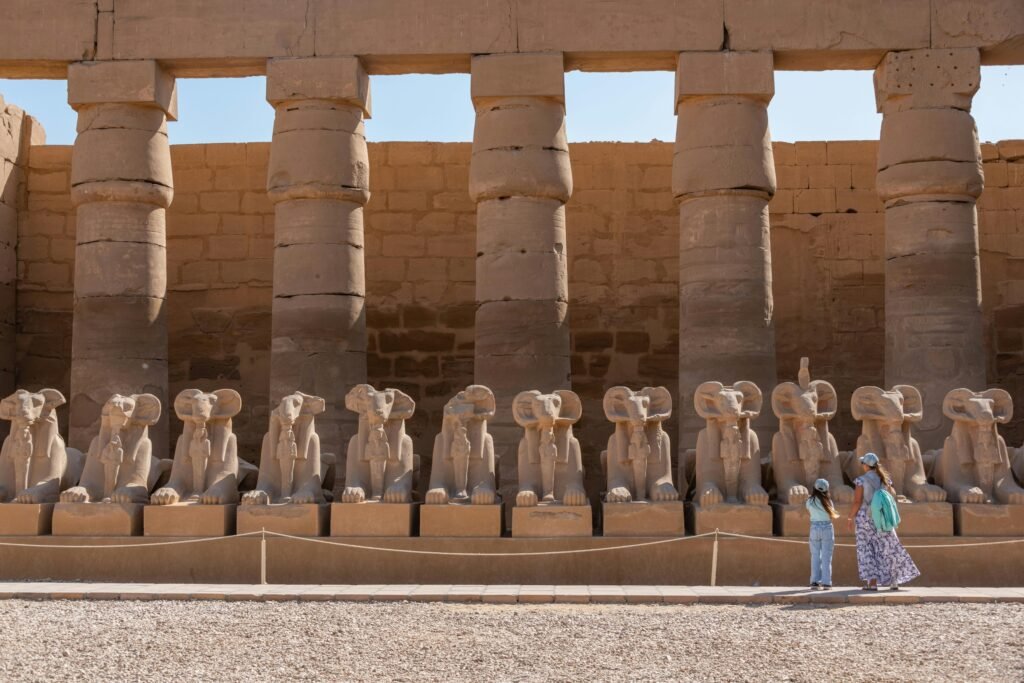
6. Don’t Show Public Displays of Affection
Public affection, such as kissing or intimate gestures, can make locals uncomfortable and attract negative attention — particularly in cities and traditional areas.
At best, you may receive disapproving looks; at worst, you could be verbally warned or asked to stop by authorities. Keeping affection private helps you blend in and travel respectfully.
What can happen if you do:
- Unwanted attention
- Discomfort
- Warnings
7. Don’t Try to Drive Yourself
Driving in Egypt is chaotic, with unpredictable traffic behavior and loosely enforced road rules. Foreign drivers unfamiliar with local patterns are at higher risk of accidents.
Traffic violations can result in fines or difficult interactions with authorities. Hiring a local driver removes stress, increases safety, and allows you to enjoy the journey rather than manage constant risk.
What can happen if you do:
- Accidents
- Fines
- High stress
8. Don’t Ignore Dining Etiquette
Using the left hand when eating or passing food is considered disrespectful in traditional settings. While locals may not confront you, it can create silent discomfort.
Showing awareness of dining customs earns respect and warmer interactions. Ignoring them won’t cause legal trouble, but it can affect how welcome you feel.
What can happen if you do:
- Social offense
- Awkward interactions
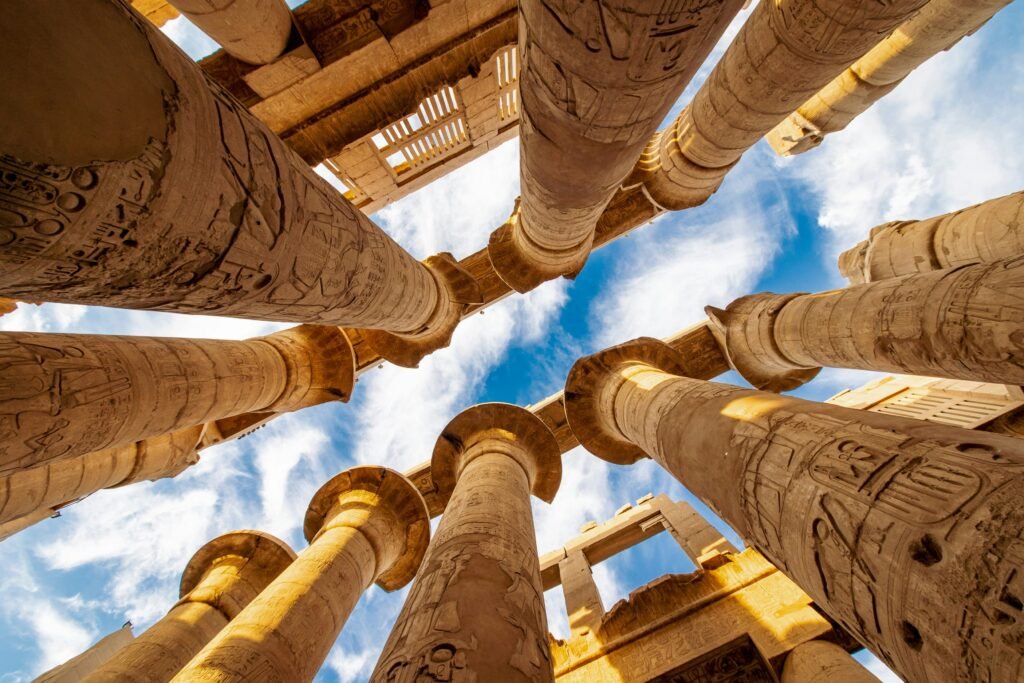
9. Don’t Touch or Climb Ancient Monuments
Touching carvings, climbing ruins, or stepping beyond barriers damages fragile heritage sites and is illegal. Guards monitor all major monuments closely.
Violators may face immediate fines, removal from the site, or bans from further visits. Respecting these boundaries protects both you and Egypt’s irreplaceable history.
What can happen if you do:
- Heavy fines
- Site bans
- Legal trouble
10. Don’t Drink Tap Water or Ignore Health Precautions
Tap water in Egypt is treated but not suitable for visitors. Drinking it — or consuming ice made from it — often leads to stomach illness.
Health issues can ruin days of travel, force hotel confinement, or require medical visits. Drinking bottled water and taking simple precautions keeps your trip enjoyable and uninterrupted.
What can happen if you do:
- Illness
- Disrupted travel plans
Final Thought: Awareness Is the Key to Enjoying Egypt
Most problems travelers face in Egypt are not caused by danger, but by misunderstanding. When you respect local laws, customs, and rhythms, Egypt becomes remarkably welcoming.
Travel here is not about restriction — it’s about adaptation. When you travel with awareness, Egypt rewards you with depth, beauty, and experiences that stay with you long after you leave.