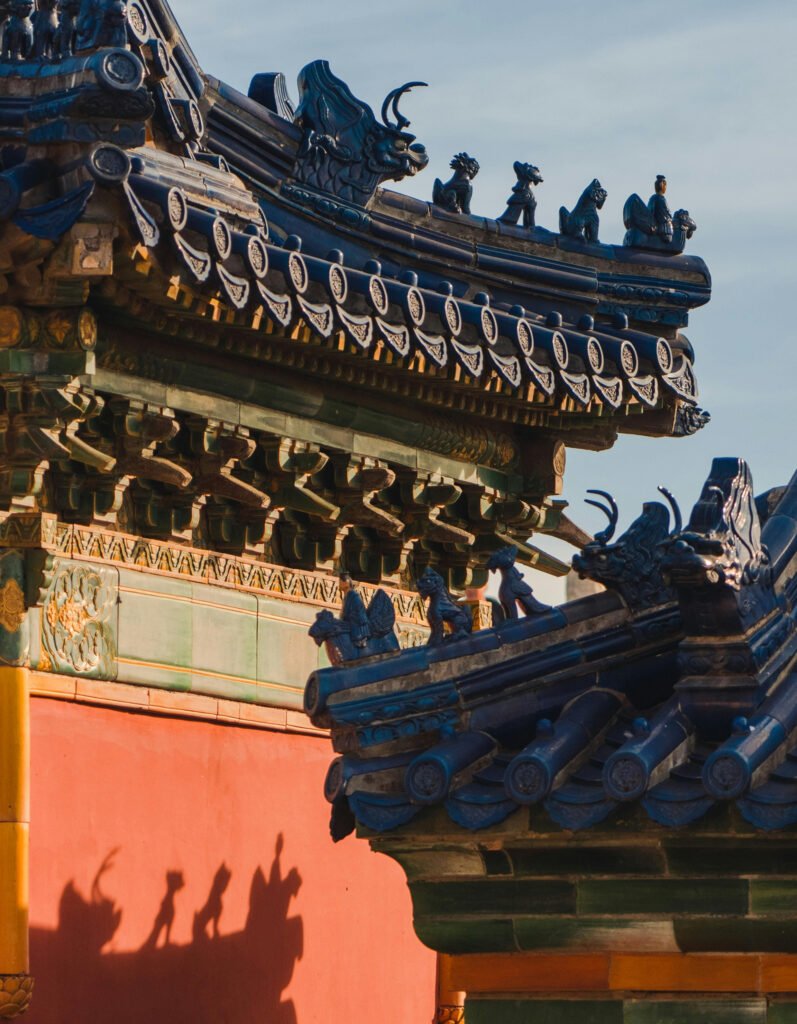
China is not a destination that reveals itself all at once. It unfolds slowly, often in unexpected ways. Some moments are loud and energetic, while others are quiet and reflective. What makes a journey through China memorable is not only the famous landmarks, but the transitions between them — the train rides, the street corners, the pauses in between.
Traveling across the country feels like moving through different worlds stitched together by history and daily life. One day you are surrounded by glass towers and neon lights, and the next you find yourself walking beside ancient walls or drifting past mist-covered hills. This constant change reshapes how travelers see distance, time, and culture.
Rather than focusing on how many places you visit, China encourages you to pay attention to how each place makes you feel.
Where Time Slows Down in Unexpected Places
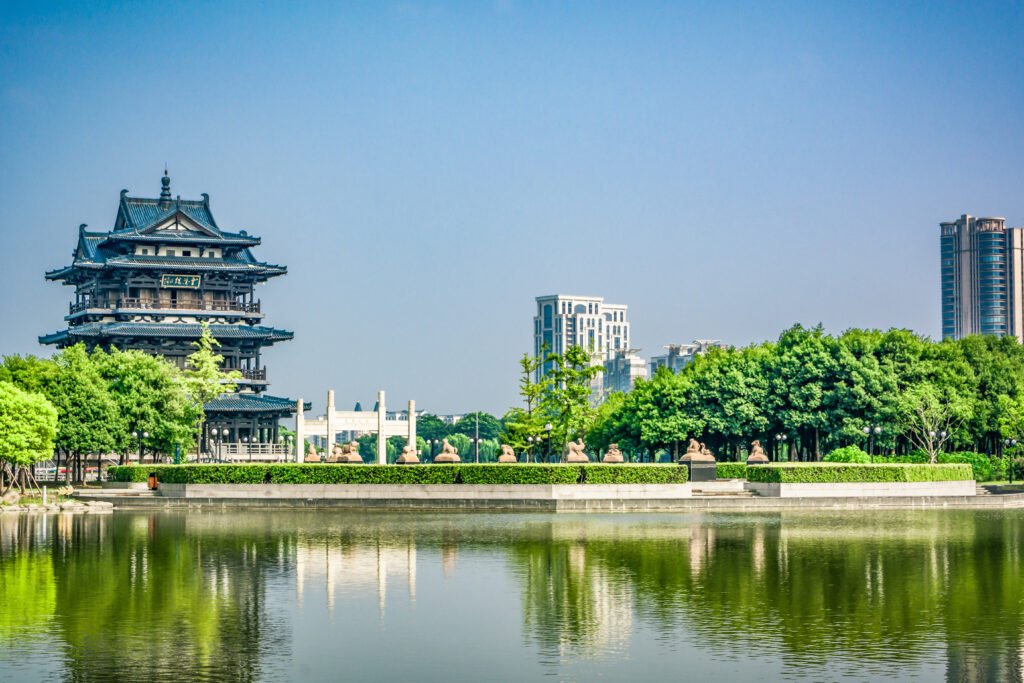
In China, these moments often appear between destinations. A small park in the middle of a busy city where locals gather every morning. A train platform in a lesser-known town where nothing seems urgent. A riverside path where someone sits alone, watching the water without checking the time. These places are not designed for travelers, yet they welcome them in the most natural way.
What slows time here is not silence, but rhythm. People move with intention rather than speed. Daily routines unfold without performance: stretching exercises at dawn, quiet conversations over tea, handwritten notes posted on old notice boards. Life continues, but without the pressure to rush toward something else.
These unexpected pauses reveal how deeply rooted balance is in everyday life. Even in fast-growing cities, there are corners where modern schedules loosen their grip. A neighborhood street early in the morning feels suspended between yesterday and today. Shops open slowly, doors remain half-closed, and the world seems to wait before fully waking up.
For travelers, these places offer something rare — permission to slow down without trying. There is no checklist to complete, no landmark to capture. You simply sit, walk, or observe. Minutes stretch gently, and awareness deepens. The experience feels personal, unrepeatable, and quietly grounding.
Over time, these moments become the emotional anchors of a journey. Long after specific routes or hotel names fade, you remember how it felt to stand still while the world moved at its own pace. These are the places that remind us travel is not only about seeing more, but about feeling time differently.
In the end, it is often these unexpected pauses that stay with us the longest — proof that sometimes, the most meaningful destinations are not marked on any map.
Streets That Tell Stories Without Words
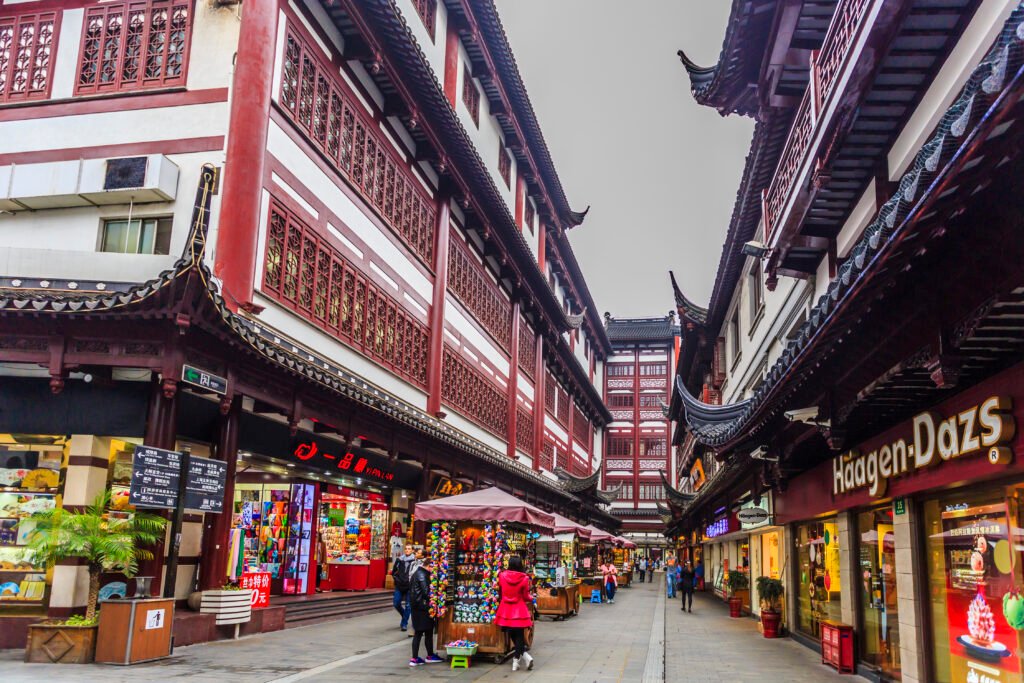
Some of the strongest impressions come from walking without a plan. Narrow streets, local markets, and residential neighborhoods reveal layers of life that guidebooks rarely capture. Laundry hanging from balconies, vendors preparing food, children playing after school — each detail adds texture to the journey.
These streets are living archives, shaped by generations. They show how history survives not only in monuments, but in habits, spaces, and rhythms passed down quietly.
Some streets do not need signs, plaques, or guides to explain themselves. Their stories are written into the pavement, the walls, and the way people move through them each day. Walking through these streets feels less like sightseeing and more like stepping into a living narrative shaped by time.
In many parts of China, streets are not simply routes from one place to another — they are social spaces. Morning begins with shop owners opening wooden doors that have been touched by generations. Elderly residents sit outside, watching the rhythm of the neighborhood unfold, while children pass by on their way to school. These moments are quiet, ordinary, and deeply revealing.
Markets spill naturally into the street, blurring the line between private and public life. Conversations happen effortlessly, often without urgency. A vendor arranging goods, a neighbor stopping to chat, or someone preparing food at the edge of the road all become part of a shared scene. Nothing feels staged, yet everything feels meaningful.
Architecture plays a subtle role in these stories. Narrow lanes create intimacy, encouraging slower movement and closer observation. Weathered walls, uneven stones, and faded paint carry marks of time rather than signs of decay. They show how places are used, repaired, and lived in rather than replaced.
These streets also reveal how tradition adapts rather than disappears. Modern elements appear quietly — a smartphone in hand, a bicycle leaning against an old doorway — blending into the setting without breaking its continuity. Life moves forward, but it does so gently, respecting what came before.
For travelers, these streets invite patience. There is little to “do” here in the traditional sense. Instead, the experience comes from noticing small details: the sound of footsteps, the smell of food drifting from a kitchen, the way light changes as it moves through narrow spaces. Time feels slower, and attention becomes sharper.
Landscapes That Change the Way You Travel
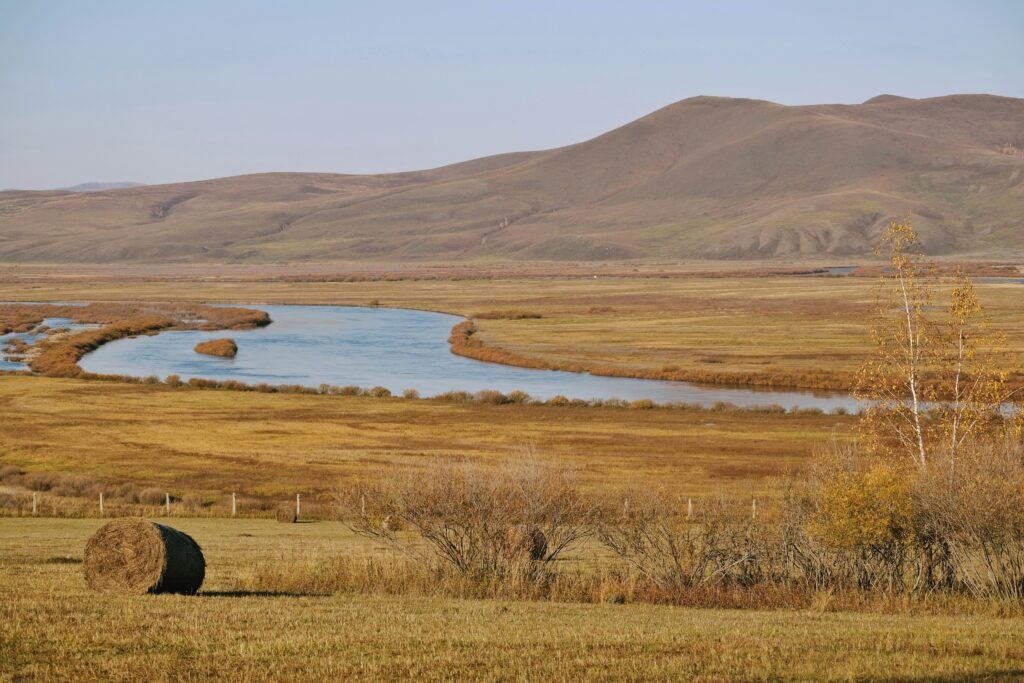
Some landscapes do more than impress the eye — they quietly reshape the way you move, think, and experience a place. They ask you to slow your pace, adjust your expectations, and engage with travel in a deeper, more thoughtful way. In these environments, the journey itself becomes as important as the destination.
In China, landscapes often demand patience and presence. Mist-covered mountains hide their full form, revealing themselves only gradually. Rivers curve instead of rushing straight ahead, guiding movement rather than encouraging speed. Wide-open plains and desert edges stretch the sense of distance, reminding travelers that not everything is meant to be reached quickly.
These settings change how days unfold. Mornings start earlier to catch shifting light. Afternoons are shaped by weather rather than schedules. Silence becomes part of the experience, not something to be filled. You find yourself walking more, pausing often, and paying attention to subtle changes — clouds drifting, shadows moving, colors deepening as the sun lowers.
Such landscapes also influence emotion. Standing among towering peaks or vast open spaces can feel humbling, even grounding. The sense of scale puts everyday concerns into perspective, replacing urgency with reflection. Travel becomes less about collecting experiences and more about absorbing them.
Human presence feels different in these places. Villages blend naturally into their surroundings, shaped by the land rather than imposed upon it. Paths follow rivers, homes face mountains, and daily life aligns with seasonal rhythms. Observing this relationship between people and environment offers insight into cultures shaped by geography over centuries.
The Journey Between Destinations
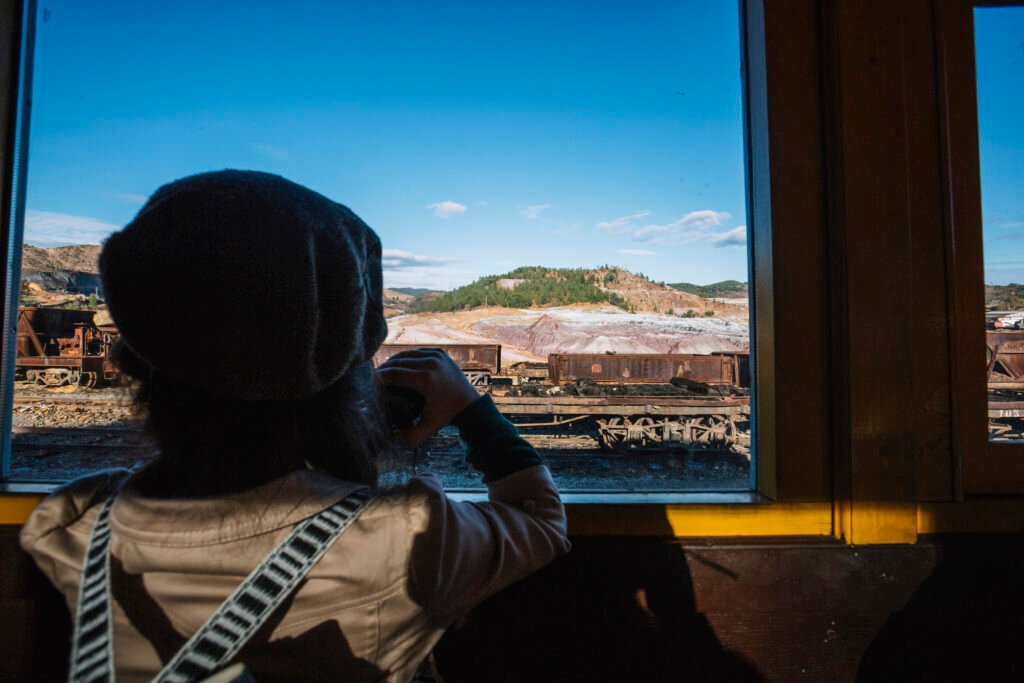
Travel is often defined by where we begin and where we end, but what happens in between is where its quiet power lives. The journey between destinations is the space where expectations soften, plans loosen, and awareness sharpens. These stretches of time are rarely highlighted, yet they often become the most memorable parts of the experience.
In China, movement itself carries a sense of story. Long train rides pass through changing landscapes — cities give way to farmland, rivers appear and disappear, mountains slowly rise in the distance. Watching this transition creates a feeling of continuity, as if the country is revealing itself piece by piece rather than all at once.
These in-between moments offer a pause from performance. There is nothing to see “properly,” no landmark to interpret. Instead, there is observation without pressure. Fellow travelers nap, read, or stare out the window. Locals carry on routines shaped by familiarity rather than novelty. The world moves steadily, without urgency.
Time behaves differently during these journeys. Hours stretch, but they do not feel wasted. Thoughts wander. Reflections surface naturally. You begin to process what you’ve already seen and quietly anticipate what lies ahead, without needing to define it yet. The mind travels alongside the body.
Small details gain importance. The rhythm of the train, the sound of announcements, the way light shifts across fields or tunnels. These sensory impressions ground the experience, reminding you that travel is not only about arrival, but about motion and transition.
The journey between destinations also reveals how places connect rather than stand alone. Cultures blend gradually. Dialects soften and change. Architecture evolves subtly instead of abruptly. This continuity offers a deeper understanding of a country as a living whole, not a collection of isolated highlights.
Leaving With More Than Memories
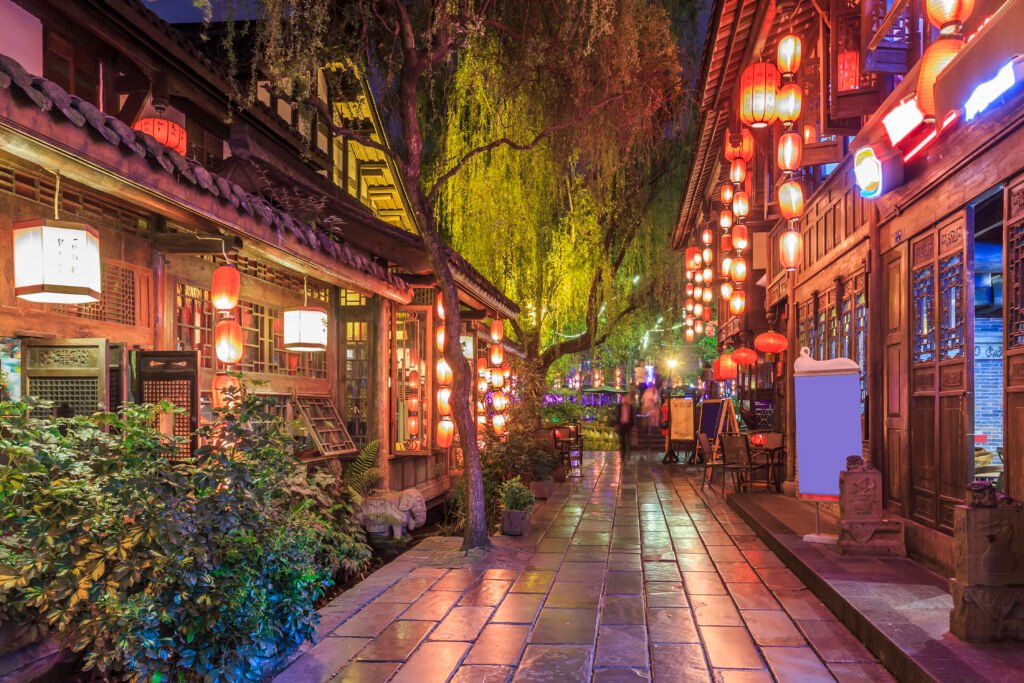
Every journey ends, but not every journey truly leaves us. Some travels fade into photographs and timelines, while others linger quietly, shaping how we see the world long after we return home. Leaving with more than memories means carrying something intangible — a shift in perspective, a deeper understanding, or a renewed sense of connection.
In China, this feeling often emerges gradually. It doesn’t arrive at a single landmark or during a planned experience. Instead, it forms through everyday moments: sharing a brief smile with a stranger, observing a routine that has remained unchanged for decades, or recognizing familiarity in a place once entirely foreign.
These experiences alter the way we remember travel. Instead of recalling a list of places visited, we remember emotions — calm, curiosity, humility, wonder. We remember how it felt to slow down, to listen, to observe without needing to explain or compare. The destination becomes part of us, rather than something left behind.
Leaving with more than memories also means carrying lessons. Watching how people balance tradition with modern life can influence how we approach change back home. Seeing patience embedded in daily routines encourages us to reconsider our own pace. Travel becomes less about escape and more about reflection.
Often, these journeys reshape priorities. What once felt urgent seems smaller. What once felt distant feels closer. The world becomes both larger and more connected. You return not with answers, but with better questions — about how you live, move, and relate to others.