Japan’s countryside reveals a quieter, more intimate side of the country — one shaped by mountains, forests, coastlines, and centuries-old traditions. Far from the bright lights of the cities, rural Japan invites you into a slower rhythm of life, where winding roads pass through rice fields, smoke curls from wooden homes, and communities remain deeply connected to their surroundings.
These villages are not simply scenic stops; they are places where everyday life unfolds with grace and continuity. From snow-covered mountain settlements to coastal fishing towns and historic post villages, each destination offers a different expression of Japan’s rural soul. If you’re ready to see beyond the urban skyline, these are the villages that will stay with you long after you leave.
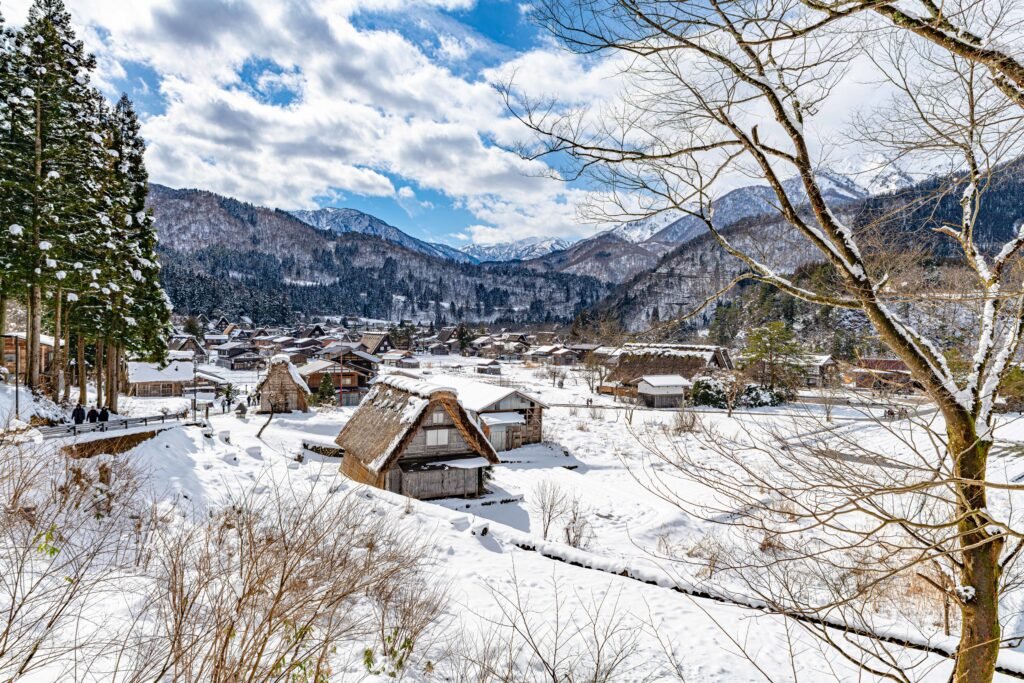
Shirakawa & Gokayama
Timeless Thatched-Roof Houses
Shirakawa and Gokayama are neighboring mountain villages in central Japan, celebrated for their traditional gasshō-zukuri (thatched, steep-roofed) farmhouses. Recognized as a joint UNESCO World Heritage Site since 1995, they preserve rare examples of Edo-period rural architecture adapted to harsh alpine winters.
Key facts
Main river: Shō River Valley
Location: Gifu and Toyama Prefectures, Japan
UNESCO designation: 1995
Architectural style: Gasshō-zukuri (“hands in prayer” roof design)
Notable hamlets: Ogimachi (Shirakawa), Ainokura and Suganuma (Gokayama)
Hakuba
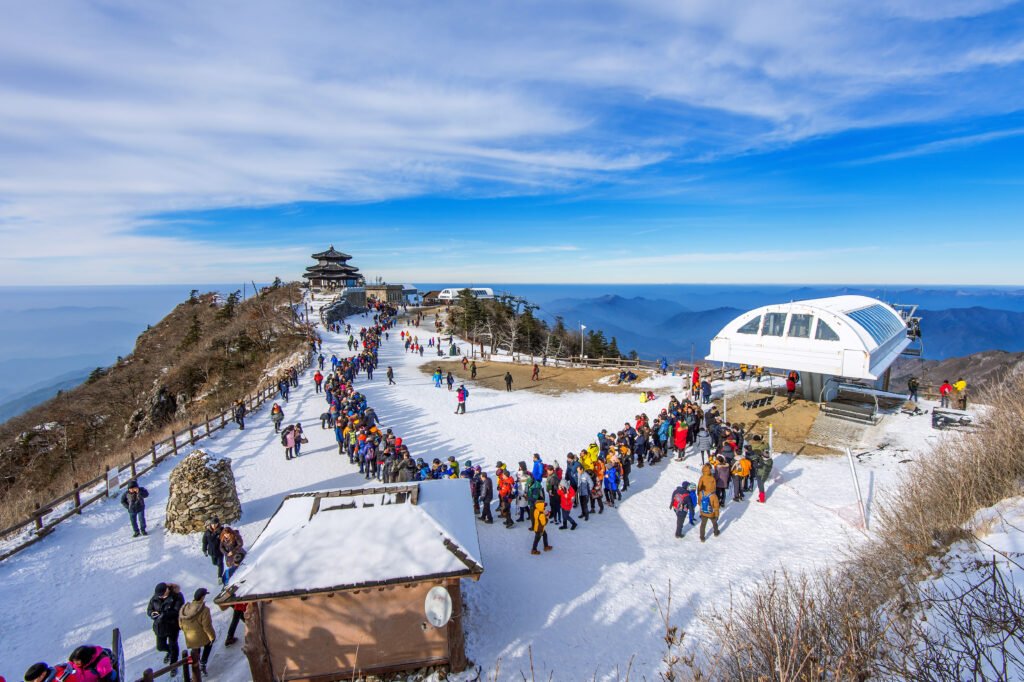
A Village Shaped by the Japanese Alps
Hakuba is a mountain village in Nagano Prefecture, Japan, known internationally as one of the country’s premier alpine resort areas. Nestled in the Northern Japanese Alps, it gained prominence as a host venue during the 1998 Winter Olympics and remains a hub for skiing, snowboarding, and year-round mountain tourism.
Key facts
Olympic legacy: 1998 Winter Olympic ski and jump events
Location: Nagano Prefecture, Honshu, Japan
Population: About 9,000 (as of 2023)
Altitude: Approximately 700–3,000 meters
Known for: Skiing, snowboarding, hiking, and mountain scenery
Miyama
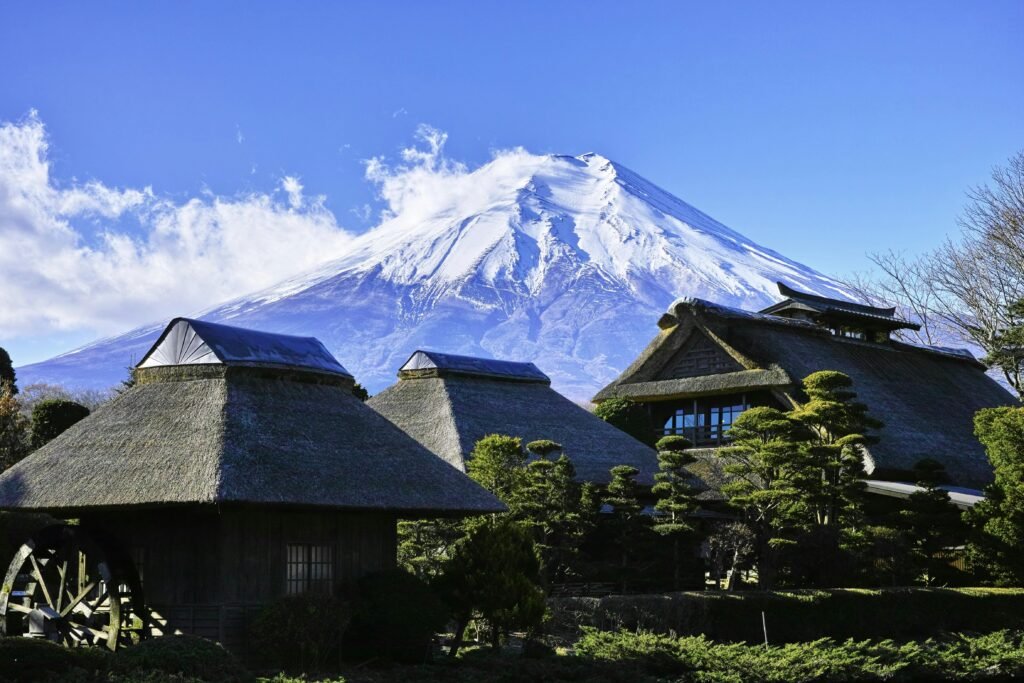
Kyoto’s Mountain Retreat
Miyama is a rural mountain village in the city of Nantan, Kyoto Prefecture, Japan. It is known for its traditional thatched-roof farmhouses, scenic countryside, and preservation of rural Japanese culture. The area exemplifies Japan’s satoyama landscape, where sustainable living coexists with forested mountains and agricultural land.
Key facts
UNESCO status: Part of Japan’s Important Preservation Districts for Groups of Traditional Buildings
Location: Nantan City, Kyoto Prefecture, Japan
Notable area: Kayabuki no Sato (Thatched Roof Village)
Architecture style: Kayabuki (thatch-roofed) minka farmhouses
Distance from Kyoto City: About 50–60 km north
Hakone
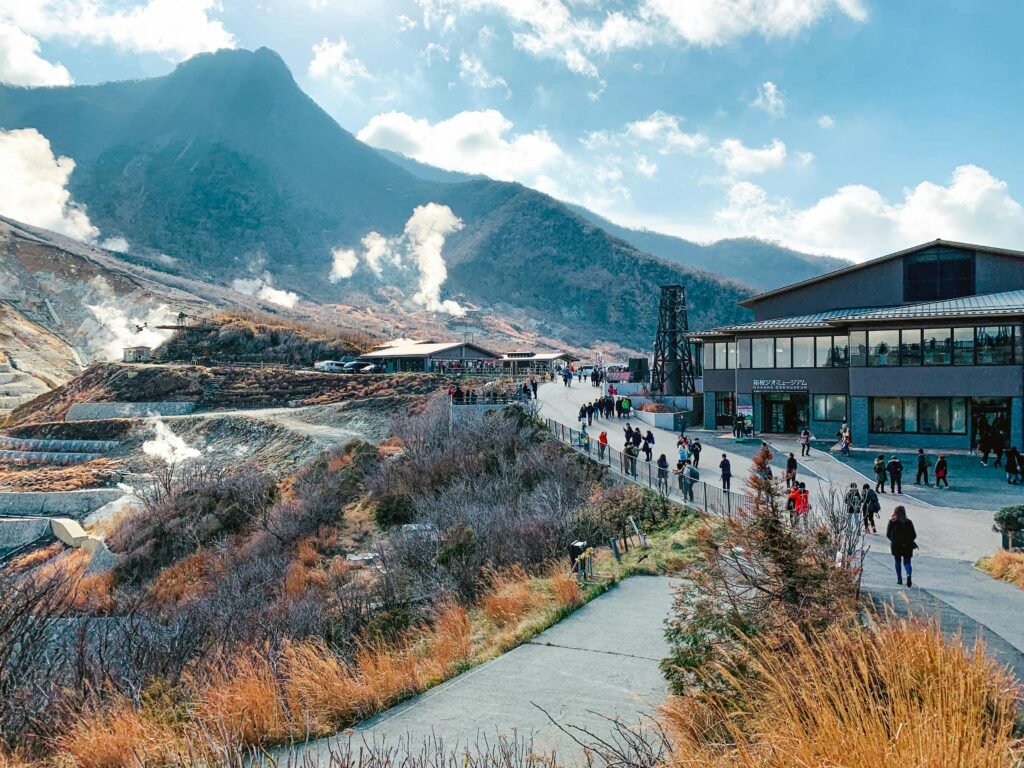
A Village Framed by Mount Fuji
Hakone is a mountainous hot spring resort town in western Kanagawa Prefecture, Japan, about 80 km southwest of Tokyo. Part of the Fuji-Hakone-Izu National Park, it is famed for onsen (hot springs), scenic views of Mount Fuji, and easy access via train from Tokyo, making it one of Japan’s most popular short-stay getaways.
Key facts
Access: Odakyu Romance Car from Shinjuku → Hakone-Yumoto (~80 min)
Prefecture: Kanagawa, Japan
Distance from Tokyo: ~80 km / 50 mi
Known for: Hot springs, Lake Ashi views, art museums, volcanic scenery
Best seasons: Autumn foliage (Oct–Nov), winter clear views of Mt Fuji
Yoshino
A Mountain of Seasons
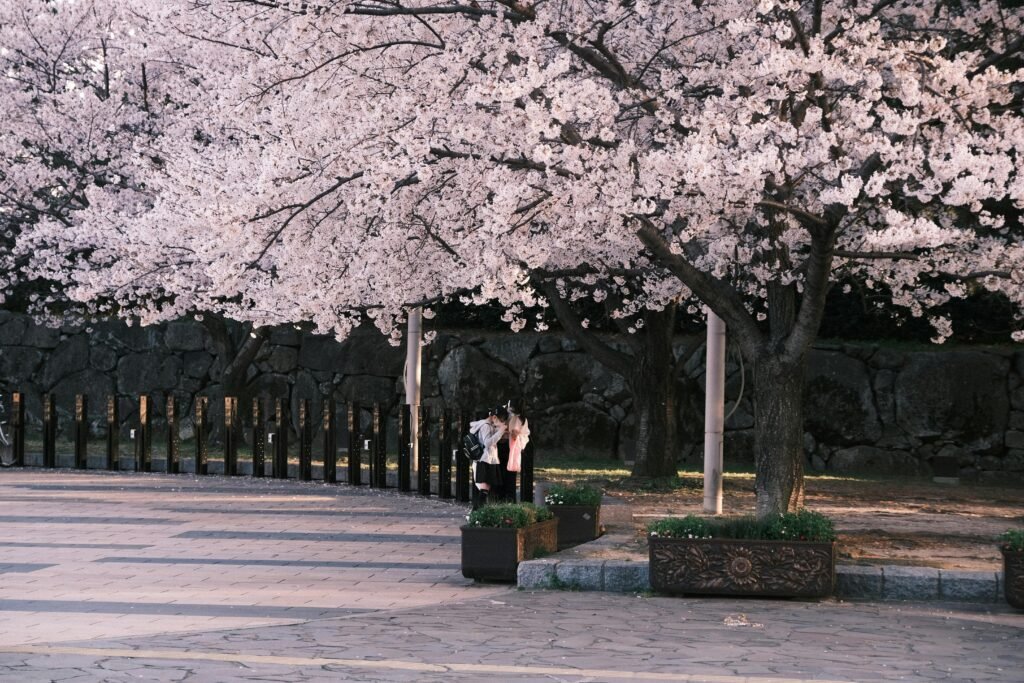
Yoshino is a mountain town in Nara Prefecture, Japan, known for its spectacular cherry blossoms and deep cultural heritage. Set amid the Kii Mountains, it forms part of the UNESCO-listed Sacred Sites and Pilgrimage Routes in the Kii Mountain Range, attracting pilgrims, hikers, and nature enthusiasts alike.
Key facts
Main river: Yoshino River
Location: Central Nara Prefecture, Japan
Known for: Cherry blossoms, mountain temples, pilgrimage routes
Population: Around 7,000 residents
UNESCO status: Since 2004 (Sacred Sites in the Kii Mountain Range)
Biei
Rolling Hills and Open Skies
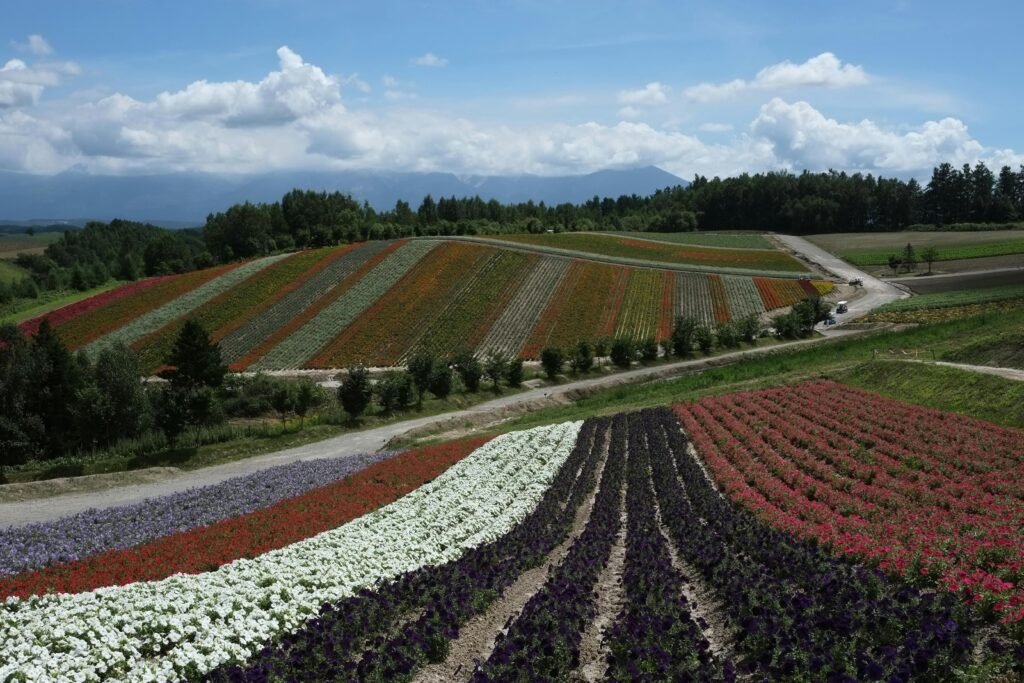
Biei is a picturesque town located in Kamikawa Subprefecture, central Hokkaido, Japan. It is renowned for its rolling hills, colorful flower fields, and rural scenery that epitomize Hokkaido’s countryside charm. Biei attracts photographers and travelers year-round for its seasonal landscapes and tranquil atmosphere.
Key facts
Nearest city: Asahikawa
Region: Kamikawa Subprefecture, Hokkaido, Japan
Area: About 677 km²
Population: Approximately 9,000 (as of 2024)
Known for: Flower fields, rural vistas, and the Blue Pond (Aoiike)
Ine
Life on the Water
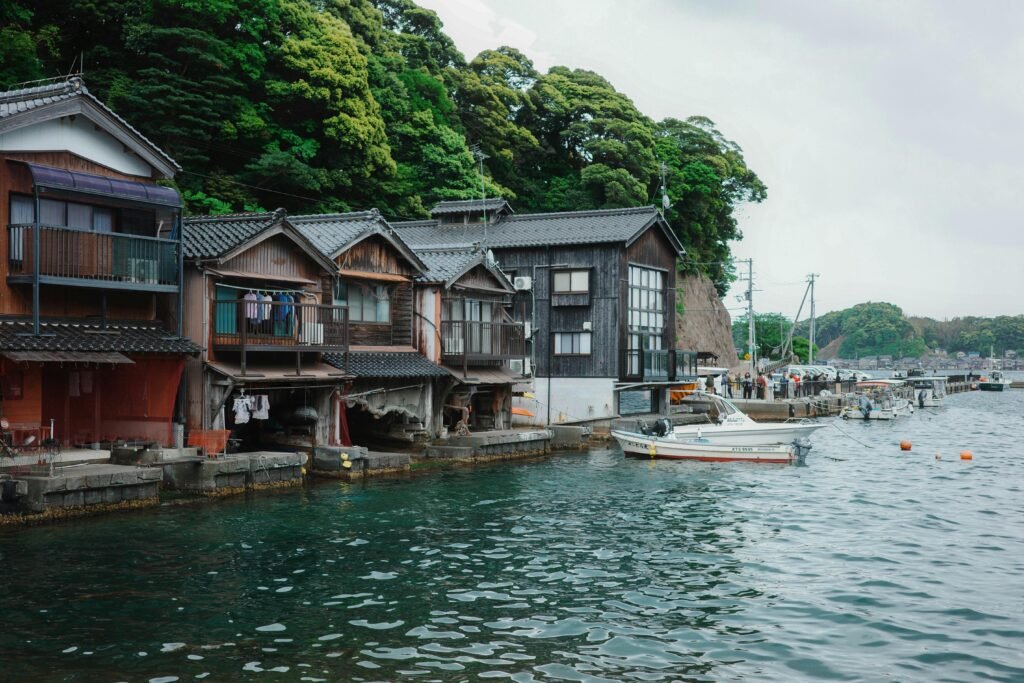
Ine is a traditional fishing village located in northern Kyoto Prefecture, Japan, along the coast of the Sea of Japan. It is renowned for its unique waterfront houses known as funaya, which blend residential and maritime spaces. Ine offers a rare view into Japan’s historical coastal lifestyle, preserved with remarkable authenticity.
Key facts
Designation: Important Preservation District for Groups of Traditional Buildings
Location: Yosa District, Kyoto Prefecture, Japan
Population: Around 2,000 residents
Notable feature: Funaya (boat houses) lining Ine Bay
Main industries: Fishing, tourism, aquaculture
Ginzan Onsen
A Village of Soft Light and Steam
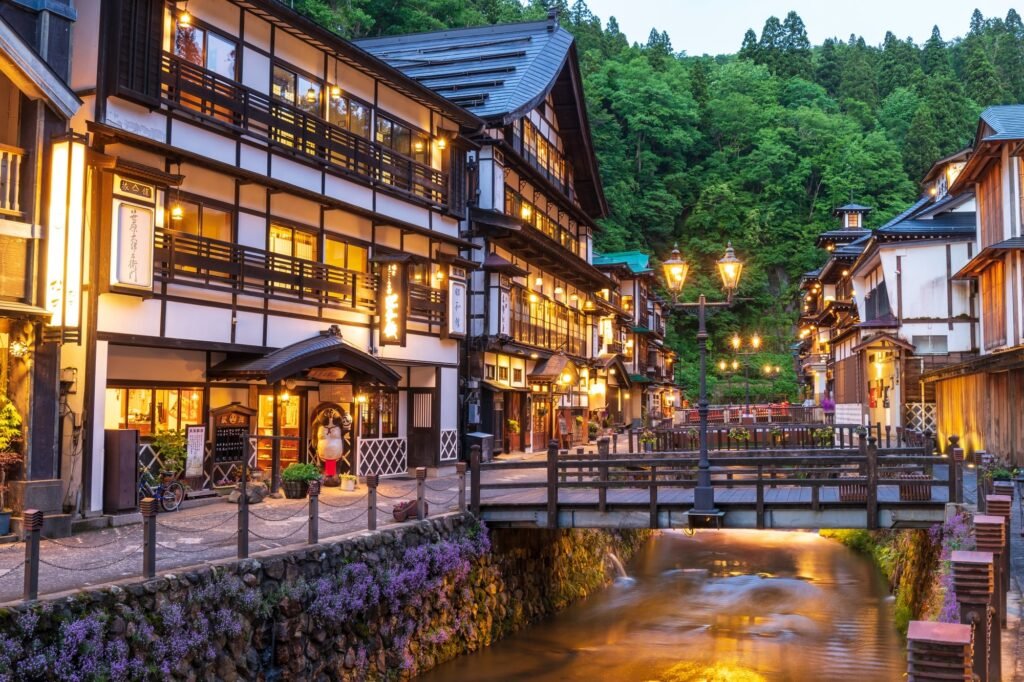
Ginzan Onsen is a historic hot spring town in Obanazawa, Yamagata Prefecture, Japan. Renowned for its preserved Taishō-era architecture and riverside inns, it is one of Japan’s most photographed onsen districts. The town’s nostalgic atmosphere, enhanced by gas lamps and snowy winters, draws visitors seeking traditional Japanese ryokan stays and natural hot spring baths.
Key facts
Location: Obanazawa, Yamagata Prefecture, Japan
Type: Hot spring resort (onsen town)
Famous for: Taishō-period architecture, riverside ryokan, winter scenery
Main onsen source: Ginzan (Silver Mountain) hot spring
Accessibility: Approx. 40 min by bus from Ōishida Station (JR Yamagata Shinkansen)
Kinosaki
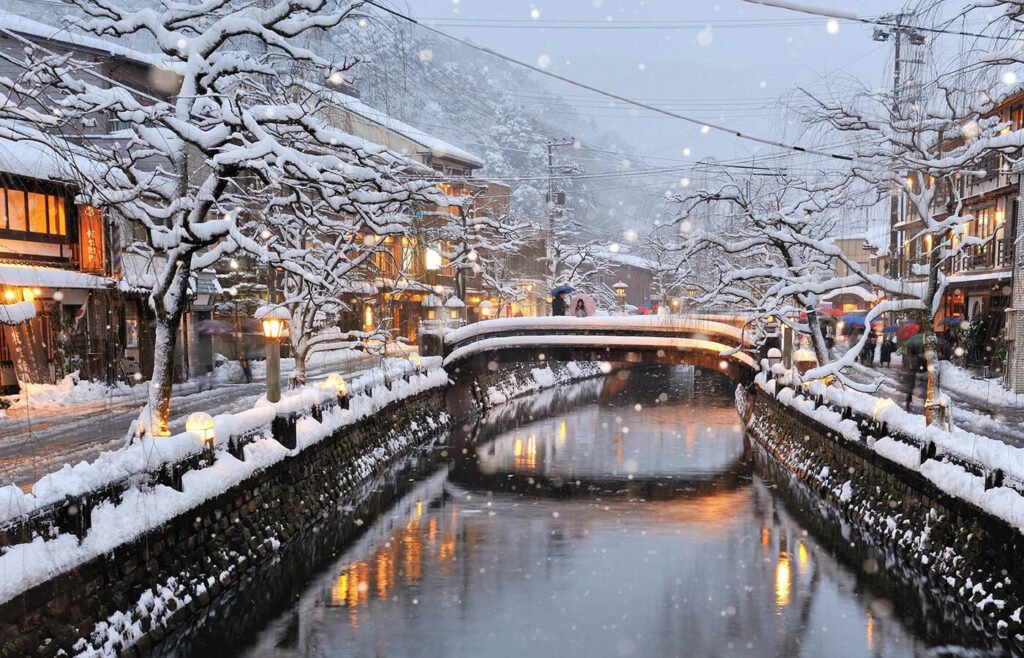
Where Onsen Culture Lives Openly
Kinosaki is a historic hot spring town in Toyooka City, Hyōgo Prefecture, Japan, famed for its seven public bathhouses and atmospheric Taishō-era streetscapes. Situated along the willow-lined Otani River, it has been a popular onsen destination for over 1,300 years and remains one of Japan’s most picturesque spa resorts.
Key facts
Specialty cuisine: Tajima beef and Matsuba crab (winter)
Location: Toyooka, Hyōgo Prefecture, Japan
Founded: Early 8th century (legend credits priest Dōchi Shōnin)
Known for: Seven public “soto-yu” bathhouses
Access: About 2.5 hours from Kyoto or Osaka by train
Tsumago
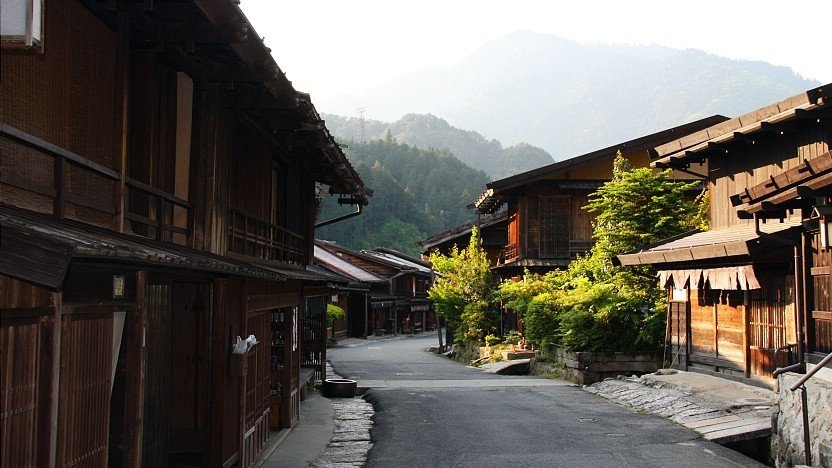
Walking Through History
Tsumago is a preserved Edo-period post town in the Kiso Valley of Nagano Prefecture, Japan. Once a key station along the historic Nakasendō route linking Kyoto and Tokyo (then Edo), it is now a model of rural heritage conservation. The town is famed for its wooden buildings, absence of modern signage, and immersive historical atmosphere.
Key facts
Protection status: Important Preservation District for Groups of Traditional Buildings
Location: Nagiso, Nagano Prefecture, Japan
Historic route: Nakasendō, between Magome and Midono
Established: Early Edo period (17th century)
Restoration: Began in the 1960s
Explore Japan’s Countryside at Your Own Pace
Japan’s villages reveal a side of the country shaped by patience, tradition, and harmony with nature. They remind travelers that beauty doesn’t always demand attention — sometimes it simply waits to be noticed.
If you’re seeking a journey that moves beyond major cities and into the heart of rural Japan, these villages offer a meaningful and unforgettable place to begin.