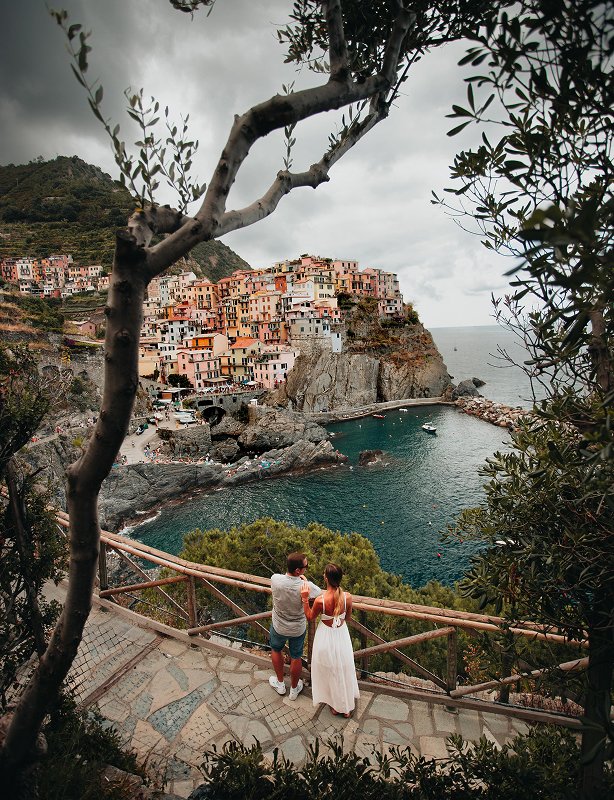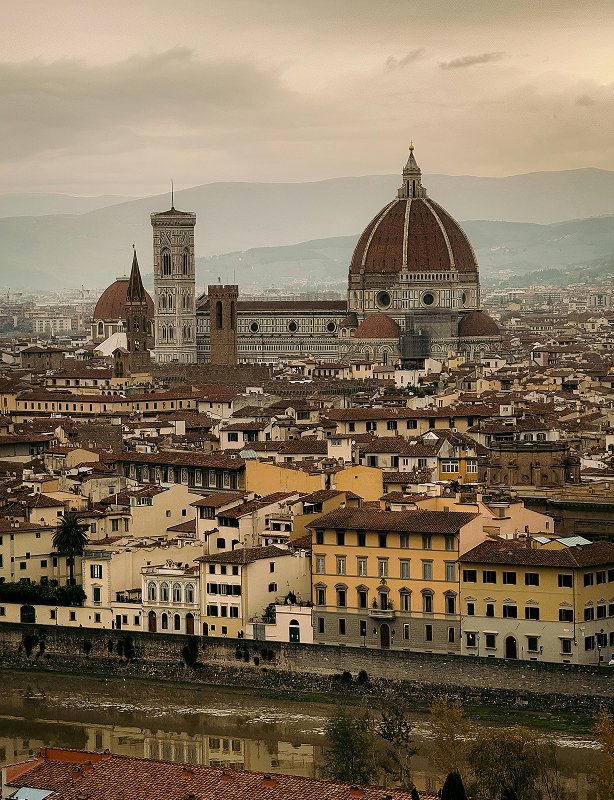
Unlike flying or driving, train travel allows you to stay connected to the land. You watch the scenery change gradually—olive groves turning into vineyards, medieval towns giving way to coastal cliffs, and industrial outskirts slowly dissolving into countryside silence. There is no rush through security lines, no need to navigate unfamiliar roads, and no isolation from the places you pass. Instead, there is continuity, comfort, and a sense of belonging to the flow of Italian life.
Understanding Italy’s Train Network: Simple, Extensive, and Reliable
Italy has one of the most comprehensive rail systems in Europe, connecting major cities, regional hubs, and even small towns that feel untouched by time. High-speed trains link cultural capitals like Rome, Florence, Venice, and Milan in a matter of hours, while regional trains reach places that cars often struggle to access.
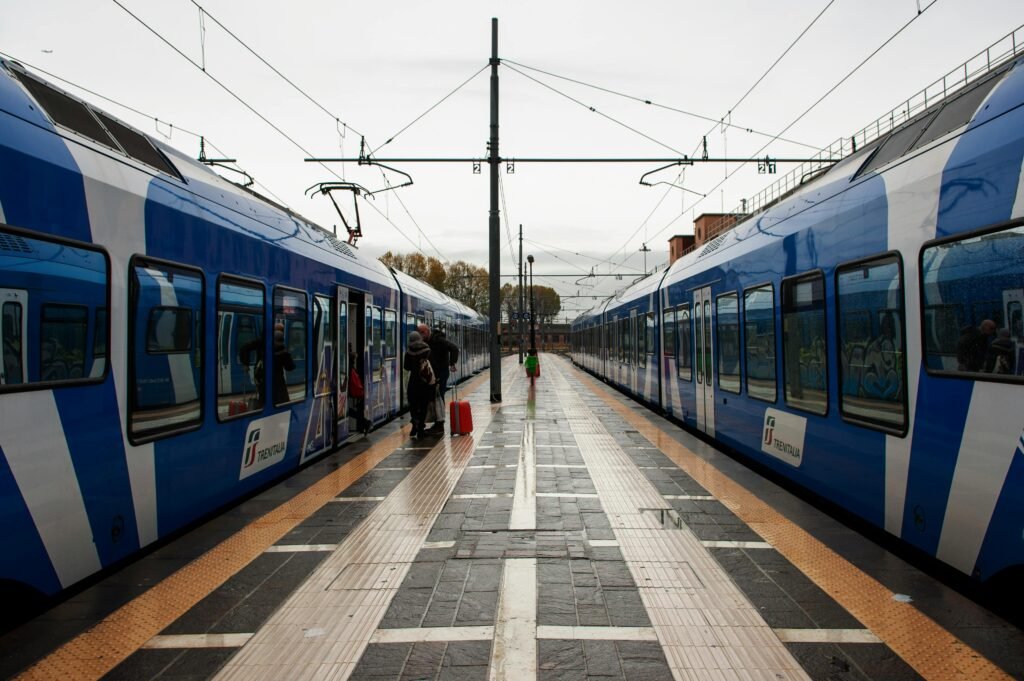
What makes Italy’s rail system ideal for newcomers is its clarity. Routes tend to radiate logically from major cities, ticket classes are straightforward, and platforms are well organized. Even when delays happen—as they sometimes do in Italy—they are rarely stressful. Italians accept them as part of travel, and stations are designed to make waiting comfortable, with cafés, bakeries, and places to sit.
Regional trains are slower but deeply rewarding. They stop frequently, revealing daily life: students commuting, elderly locals heading to markets, families traveling together. These trains give you access to hill towns, lakeside villages, and coastal communities that rarely appear on “must-see” lists but often become trip highlights.
Why Train Travel Is the Best Way to See Italy for First-Time Visitors
For travelers new to Italy, trains remove many common challenges at once. There is no need to understand traffic rules, parking restrictions, or fuel costs. You don’t have to worry about navigating narrow medieval streets or finding your way through unfamiliar highways. Instead, you move from city center to city center, stepping directly into the heart of each destination.
Train travel also encourages flexibility. Plans can change easily. If you fall in love with a place, you can stay longer. If weather shifts or curiosity pulls you elsewhere, routes allow spontaneous detours. This freedom is especially valuable in Italy, where unexpected moments—a quiet piazza, a local festival, a sunset over tiled rooftops—often become the most memorable parts of a trip.
Another advantage is mental space. While trains glide forward, you have time to read, journal, watch the landscape, or simply do nothing at all. This pause between destinations helps you process what you’ve seen and prepares you emotionally for what comes next. Italy rewards this kind of attentiveness.
Landscapes You Experience Only by Train
Italy’s geography is incredibly diverse, and trains reveal it in a way no other transport can. Routes along the coast open wide views of the Mediterranean, where blue water flashes between cliffs and tunnels. Inland journeys carry you through farmland dotted with cypress trees, sunflower fields, and stone farmhouses that feel unchanged for generations.
In northern Italy, train windows frame alpine scenery—snow-dusted peaks, rushing rivers, and small towns nestled in valleys. Central Italy offers rolling hills and vineyard-covered slopes, while southern routes pass through sun-baked landscapes where ancient ruins appear without warning beside the tracks.
These transitions happen slowly enough to be felt, not rushed. You sense distance, climate, and cultural shifts as they occur. The journey becomes a narrative, not just a transfer. Many travelers later realize that some of their strongest memories of Italy happened not at famous landmarks, but while watching the country unfold from a train seat.
What New Travelers Should Know Before Taking Trains in Italy
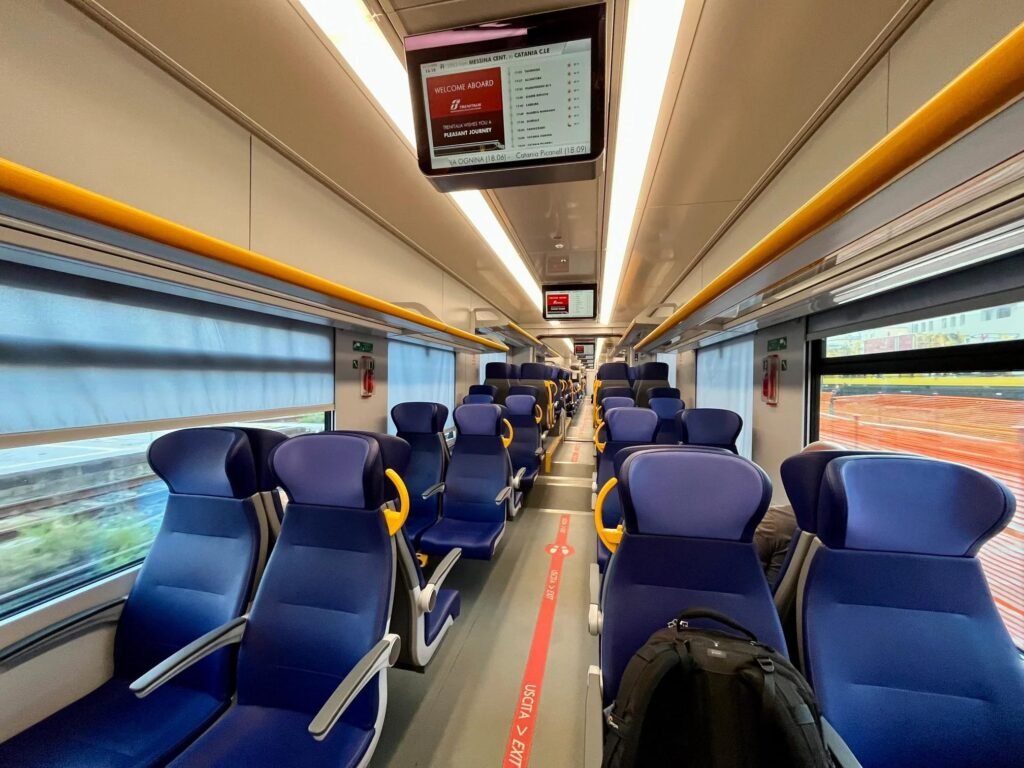
While Italy’s train system is welcoming, a few insights make the experience smoother. Trains operate on a culture of calm efficiency—boarding is orderly but unhurried. Locals rarely line up early; instead, they step forward once platforms are announced. Learning to mirror this relaxed confidence helps you feel at ease.
Luggage is usually stored overhead or at the ends of carriages. Italians travel light, and you’ll notice how easy mobility becomes when you do the same. Stations are walkable, and many historic centers restrict cars, making trains the most practical option.
Language is less of a barrier than expected. Even if announcements are in Italian, signage and schedules are easy to interpret. Fellow travelers and staff are often willing to help, especially when they see genuine effort. Over time, navigating stations becomes intuitive, and what once felt unfamiliar turns into routine.
How Train Travel Changes the Way You Remember Italy
Traveling Italy by train reshapes how the country stays with you after the journey ends. Memories are not limited to monuments and museums, but include small, human moments: sharing a carriage with strangers, overhearing conversations, watching the countryside glow at sunset, or stepping off a train into a new place with nothing but curiosity.
You begin to understand Italy not as a checklist of sights, but as a living landscape—one connected by rails, rhythms, and relationships. The distances you travel feel earned, the transitions meaningful. Instead of jumping from highlight to highlight, you experience continuity.
For many travelers, this is what makes Italy unforgettable. Not just what you see, but how you move through it. And long after the trip ends, it’s often the sound of a departing train, the view from a window, or the quiet pause between destinations that returns most vividly.