
Walk down any street in any Indian city at 7 AM and you’ll find someone cooking. A man stirring a vast vat of chai over a flame. A woman pressing dosa batter onto a blackened iron griddle. A vendor assembling pani puri with the speed and precision of a surgeon. Street food in India is not a trend or a tourist attraction — it is the pulse of daily life, the way most people eat most meals, and a direct window into a city’s culture, history, and soul.
Every region of India has its own street food identity, shaped by local ingredients, climate, religion, and history. What you eat in Kolkata bears almost no resemblance to what you eat in Chennai, which bears almost no resemblance to what you eat in Amritsar. This guide takes you through eight of India’s greatest street food cities — what to eat, where to go, and what makes each one completely irreplaceable.
1. Delhi — The Street Food Capital of India
If India has a street food capital, it is Delhi. Specifically, it is Old Delhi — a dense, ancient, overwhelming neighbourhood where food stalls have operated in the same locations for over a century and the air smells permanently of frying, spice, and smoke.
What to Eat
Paranthe Wali Gali is perhaps the most famous food street in India — a narrow alleyway in Chandni Chowk dedicated entirely to stuffed paranthas. These are thick, flaky flatbreads stuffed with fillings ranging from spiced potato and paneer to more unusual options like rabri (sweet condensed milk). They arrive slathered in butter and served with an array of chutneys and pickles. Several shops here have been operating since the 1870s.
Nihari is Delhi’s great morning dish — a slow-cooked meat stew (traditionally mutton or beef) that has been simmering overnight, rich with bone marrow, spices, and ghee. It is eaten for breakfast in Old Delhi, which tells you everything you need to know about how seriously this city takes its food.
Daulat ki Chaat is one of Delhi’s most unusual street foods — a dessert made from whipped milk foam, saffron, and sugar that is so light it dissolves on the tongue within seconds. It is only made in winter mornings, only in Old Delhi, and has no real equivalent anywhere else in the world.
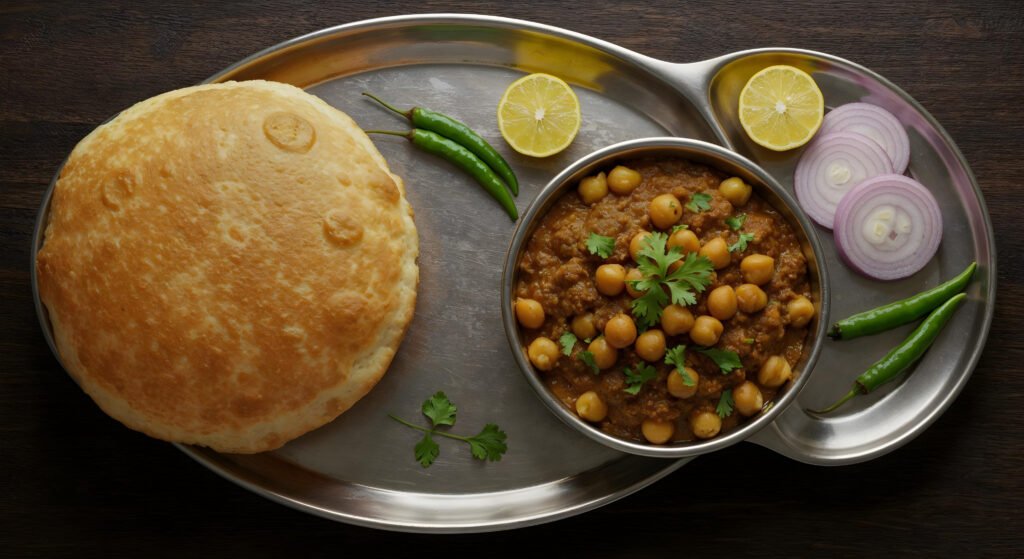
Chole Bhature — spiced chickpeas served with enormous fried bread — is Delhi’s definitive breakfast, eaten standing at counters across the city every morning. Sita Ram Diwan Chand in Paharganj is widely considered the gold standard.
Kebabs of Jama Masjid — the area around Delhi’s great mosque is home to some of the finest kebab stalls in India. Seekh kebabs, kakori kebabs, and shami kebabs are grilled over charcoal and served with mint chutney and raw onion. Karim’s, operating since 1913, remains the most iconic address.
Where to Go
Chandni Chowk and the lanes of Old Delhi are non-negotiable. Go early — by 10 AM the best stalls are already running low. Hire a food walk guide for your first visit; the lanes are genuinely disorienting.
2. Mumbai — Fast, Fierce, and Iconic
Mumbai’s street food reflects the city itself — fast-paced, democratic, and utterly addictive. It is eaten standing, walking, or perched on walls. It is available 24 hours a day. And it has produced some of the most iconic individual dishes in all of Indian food culture.
What to Eat
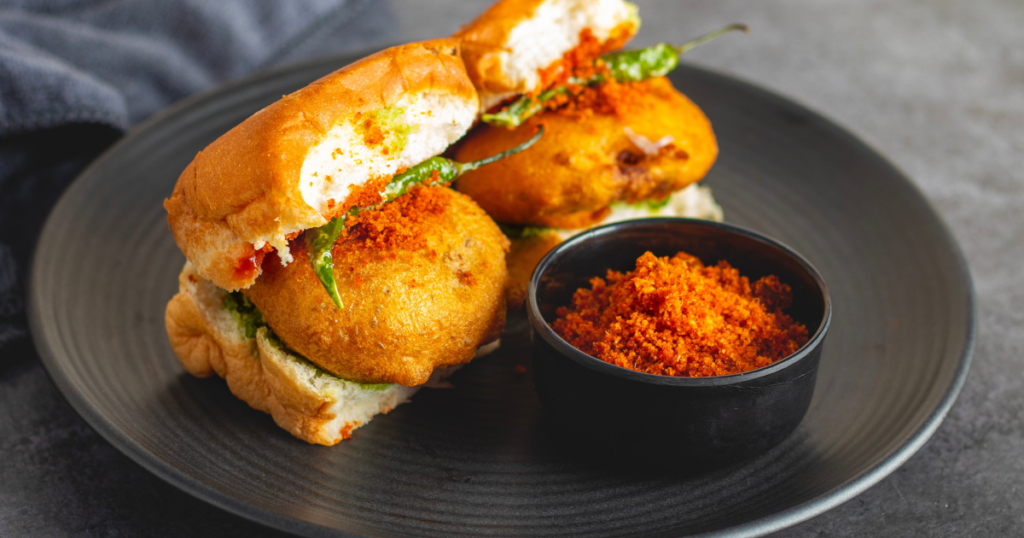
Vada Pav is Mumbai’s soul food — a spiced potato fritter inside a soft bread roll, served with dry garlic chutney and green chilli. It costs roughly ₹15–25, is eaten by millions of Mumbaikars daily, and is the subject of fierce neighbourhood loyalty. Every Mumbaikar has a favourite vada pav stall and will defend it passionately.
Pav Bhaji originated in Mumbai in the 1850s as a quick meal for textile mill workers — a thick, buttery vegetable mash served with soft bread rolls toasted in an alarming amount of butter. The best versions are made on enormous iron griddles, the bhaji pressed and folded repeatedly until deeply caramelised.
Bhel Puri is Mumbai’s great beachside snack — puffed rice, sev, chopped onion, tomato, tamarind chutney, and green chutney assembled at lightning speed by vendors on Juhu and Chowpatty beaches. Eating bhel puri watching the sun set over the Arabian Sea is one of Mumbai’s essential experiences.
Bombay Sandwich — a unique Mumbai creation of white bread, chutney, boiled potato, cucumber, tomato, and beetroot, toasted and served with tomato ketchup — sounds unremarkable and tastes extraordinary. Found at sandwich stalls across the city, particularly near railway stations.
Keema Pav — spiced minced meat served with soft bread — is Mumbai’s great late-night street food, found at Muslim-run stalls in Mohammed Ali Road and Bhendi Bazaar that operate until 2–3 AM.
Where to Go
Mohammed Ali Road during Ramadan is a once-in-a-lifetime food experience. Juhu Beach for bhel puri at sunset. Dadar market for the best everyday street food density in the city.
3. Kolkata — The City That Lives to Eat
Kolkata has a relationship with food that borders on the philosophical. Food is discussed, debated, and mourned here with an intensity found nowhere else in India. And the street food reflects this — it is technically accomplished, historically layered, and deeply, personally meaningful to the people who eat it.
What to Eat
Kathi Roll was invented in Kolkata and remains best eaten here — a paratha wrapped around skewered kebab meat (or egg, or paneer), with raw onion, green chilli, and a squeeze of lime. The original Nizam’s restaurant on New Market has been making them since 1932. Many Kolkatans will tell you nothing made anywhere else comes close.
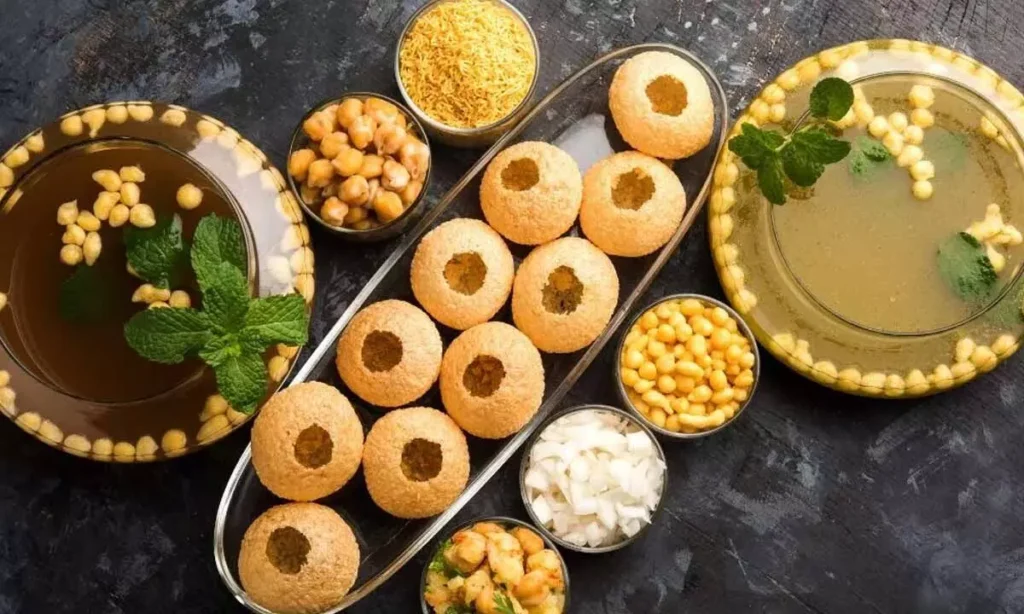
Puchka is Kolkata’s version of pani puri, and Kolkatans are extremely specific about the difference. The shells are crispier, the filling is more complex (spiced mashed potato and chickpeas), and the water is tangier — made with tamarind and a unique blend of spices. Eating puchka on a Kolkata street corner in the late afternoon is a ritual that millions of people perform daily.
Jhalmuri is a Kolkata street snack made from puffed rice tossed with mustard oil, chopped vegetables, spices, and sev — assembled in a rolled newspaper cone and eaten immediately. It is the snack equivalent of a perfectly composed salad — every element precisely balanced.
Mishti Doi and Rosogolla — while technically sweets rather than street food, no Kolkata food trail is complete without stopping at one of the city’s ancient sweet shops for mishti doi (sweetened yoghurt set in clay pots) and rosogolla (spongy cheese balls in sugar syrup). These are not just desserts in Kolkata. They are cultural institutions.
Egg Devil — a Kolkata original — is a hard-boiled egg coated in spiced minced meat, crumbed, and deep fried. It sounds excessive. It is. It is also wonderful.
Where to Go
New Market area, Park Street, and the lanes of North Kolkata around Shyambazar. College Street for jhalmuri eaten among secondhand bookshops. The ghats along the Hooghly River at dusk for puchka.
4. Chennai — The Dosa Capital of the World
Chennai’s street food is built on rice, lentils, and coconut — a cuisine that is lighter, crisper, and more subtly spiced than North Indian street food, and every bit as extraordinary. If you have never eaten a properly made South Indian breakfast, Chennai will recalibrate your understanding of what a morning meal can be.
What to Eat
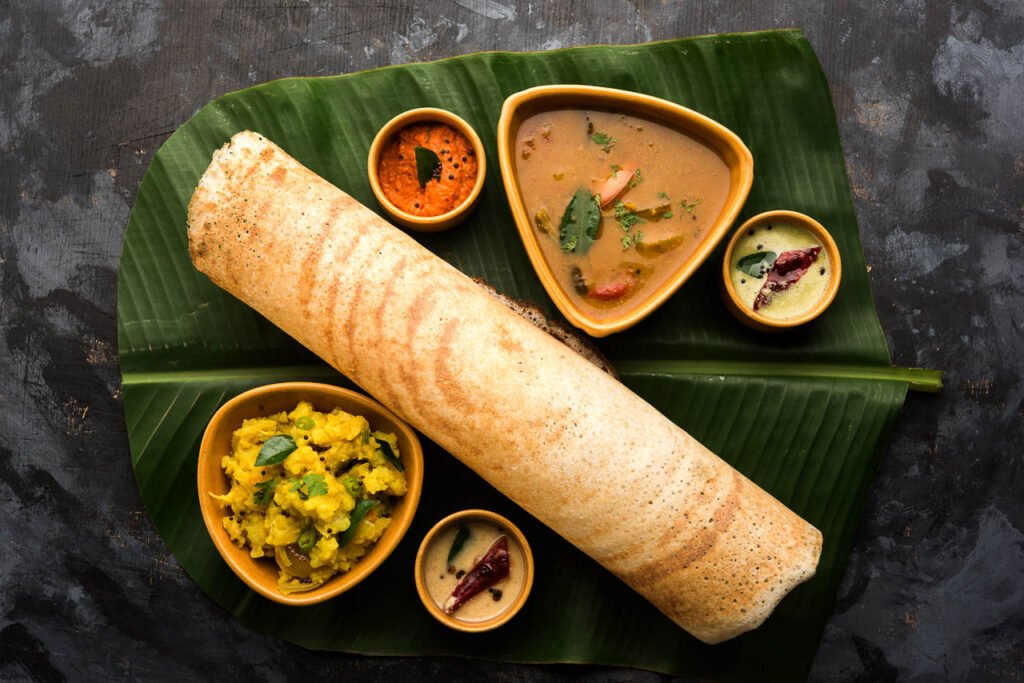
Dosa in Chennai is a different creature from the pale imitations served in North Indian restaurants. A Chennai dosa is thin to the point of translucency, crispy at the edges, slightly sour from fermentation, and served with freshly ground coconut chutney and sambar that bears no resemblance to the watery versions served elsewhere. Murugan Idli Shop and Ratna Cafe are institutions.
Idli and Sambar — steamed rice cakes served with lentil soup and coconut chutney — is Chennai’s great morning comfort food. The best idlis are so light they barely exist, and the sambar is a complex, layered broth that takes hours to prepare.
Kothu Parotta is one of Tamil Nadu’s most distinctive street foods — a flatbread chopped and stir-fried on a griddle with egg, vegetables, and spices, producing a rhythmic clanging sound that you’ll hear from 50 metres away. The sound itself has become iconic.
Sundal is a simple beachside snack — boiled chickpeas or lentils tossed with coconut, mustard seeds, and curry leaves — sold by vendors walking along Marina Beach, one of the world’s longest urban beaches.
Filter Coffee is not food but is non-negotiable in Chennai — a strong, sweet coffee mixed with frothed milk and poured dramatically between two metal tumblers to create foam. Drinking filter coffee in a Chennai tiffin shop is one of South India’s great daily pleasures.
Where to Go
Mylapore neighbourhood for the most authentic tiffin shops and temple street food. Marina Beach at dawn for sundal and bajji. T. Nagar for street snacks and sweets.
5. Amritsar — Where Food Is Devotion
Amritsar’s food culture is inseparable from its spiritual identity. The city is home to the Golden Temple, which operates the world’s largest free kitchen — the langar — feeding over 100,000 people daily regardless of religion, caste, or background. Food here is an act of faith, and that reverence extends to every stall and kitchen in the city.
What to Eat
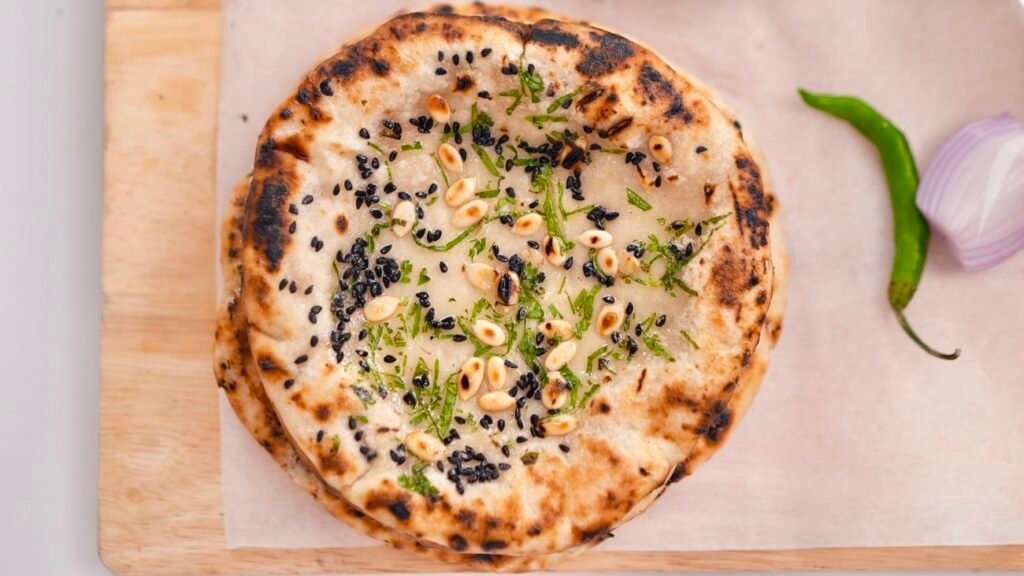
Amritsari Kulcha is the dish that defines this city — a leavened bread stuffed with spiced potato and onion, cooked in a tandoor until charred and flaky, and served with chole (spiced chickpeas), pickle, and a pat of butter so generous it counts as a separate course. Bharawan Da Dhaba and Kesar Da Dhaba have been serving it since the early 1900s.
Amritsari Fish — battered and fried fish (typically sole or bhetki) marinated in ajwain, ginger, and garlic — is one of the great North Indian street foods, and nowhere makes it better than the streets around Lawrence Road in Amritsar.
Langar at the Golden Temple is not technically street food but is one of the most moving food experiences in India — simple dal, roti, and kheer served in vast halls by volunteers, eaten sitting cross-legged on the floor alongside thousands of strangers. The food is plain. The experience is profound.
Lassi from Amritsar is legendary — thick, cold, sweet, and served in clay pots so large they require two hands. Gian di Lassi near the Golden Temple has been serving the same recipe since 1955.
Where to Go
The lanes around the Golden Temple for kulcha and lassi. Lawrence Road for fish fry. Hall Bazaar for general street food exploration.
6. Hyderabad — Biryani, Haleem, and the Art of Slow Cooking
Hyderabad’s street food is defined by the Nizami culinary tradition — a cuisine that prizes slow cooking, layered spicing, and a particular richness that comes from generations of refinement in royal kitchens. It is meat-forward, deeply aromatic, and unlike anything else in India.
What to Eat
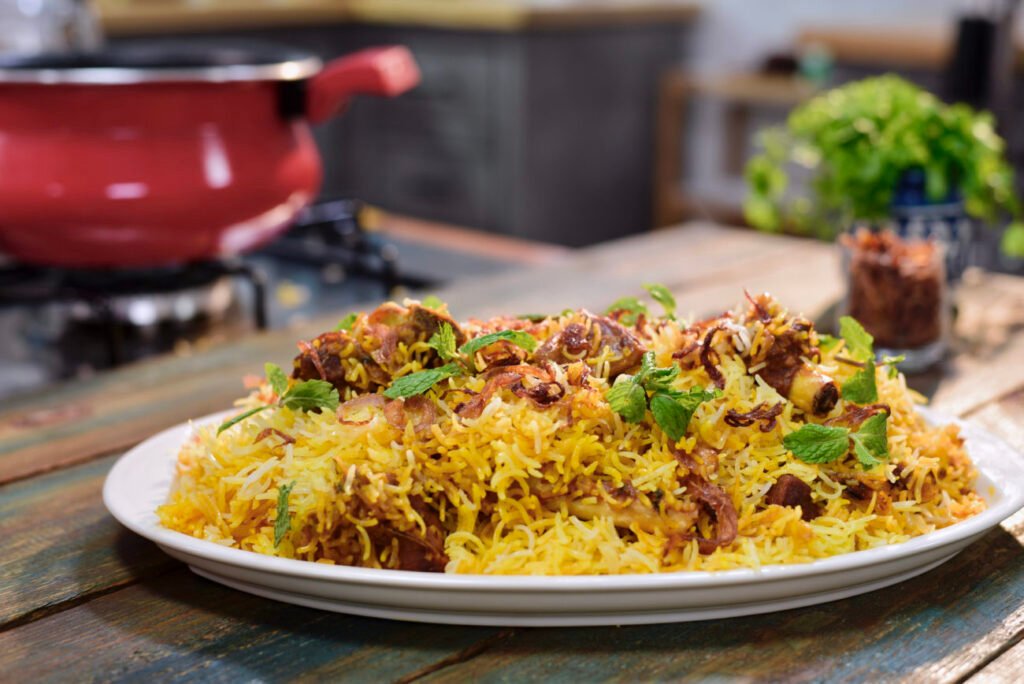
Hyderabadi Biryani is arguably the most famous dish in all of Indian street food — long-grain basmati rice layered with marinated meat, saffron, fried onions, and whole spices, slow-cooked in a sealed pot (dum cooking) until the flavours meld completely. Paradise Restaurant is the most famous address, but the best biryani in Hyderabad is often found in small neighbourhood joints with no English signage.
Haleem is Hyderabad’s great winter dish — a slow-cooked porridge of meat, lentils, and wheat, cooked for 8–12 hours until the meat dissolves completely into a rich, spiced paste. It is eaten with lime, fried onions, and fresh coriander, and is one of the most complex and satisfying street foods in India.
Irani Chai and Osmania Biscuits — the city’s Persian-influenced café culture produced its own tea style (milky, slightly sweet, with a caramelised depth) paired with crumbly, buttery Osmania biscuits. Nimrah Café near Charminar has been serving this combination since 1949.
Double Ka Meetha is Hyderabad’s bread pudding — fried bread soaked in saffron-scented milk, garnished with nuts and dried fruit. Found at sweet shops and street stalls across the old city.
Where to Go
Charminar and the lanes of the old city for the most concentrated street food experience. Madina Circle for haleem. Shah Ali Banda Road for biryani joints that locals actually use.
7. Jaipur — Royal Flavours on Street Corners
Rajasthani cuisine is built for survival in a desert climate — rich, calorie-dense, and heavily spiced. Jaipur’s street food brings these royal and rustic traditions onto the streets in a form that is vibrant, colourful, and deeply satisfying.
What to Eat
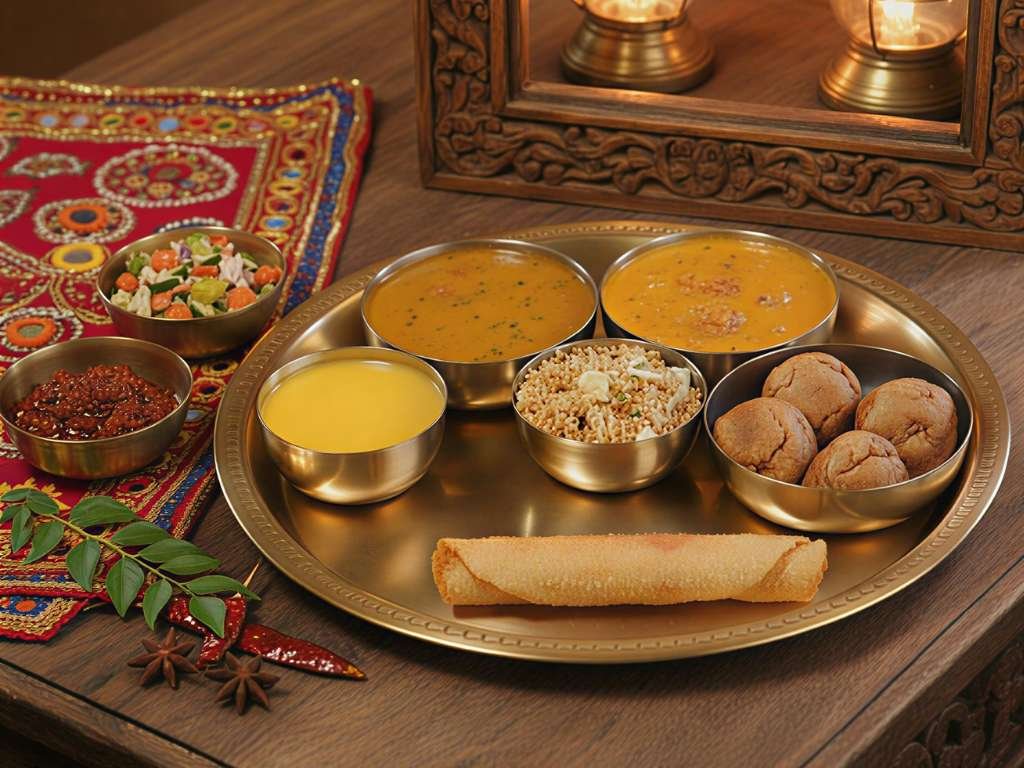
Dal Baati Churma is Rajasthan’s signature dish — hard wheat rolls (baati) baked over charcoal and dunked in rich lentil dal, served with churma (crushed wheat mixed with ghee and sugar). It is extraordinarily filling, historically practical, and genuinely delicious.
Pyaaz Kachori is Jaipur’s great breakfast street food — a flaky pastry shell filled with spiced onion mixture, deep fried and served with tamarind chutney. Rawat Misthan Bhandar near Ajmeri Gate is the city’s most legendary address for it.
Laal Maas — a fiery mutton curry made with Mathania red chillies — is Rajasthan’s most famous meat dish, served at street dhabas across Jaipur with thick rotis.
Ghewar is Rajasthan’s festival sweet — a disc-shaped dessert made from flour, ghee, and sugar syrup, topped with rabri and nuts. It is particularly celebrated during Teej and Raksha Bandhan.
Mirchi Bada — a large green chilli stuffed with spiced potato, battered and deep fried — is Jaipur’s great tea-time snack, eaten with chai at roadside stalls across the city.
Where to Go
Johari Bazaar and Tripolia Bazaar for the best street food density. Chokhi Dhani for a curated Rajasthani food experience outside the city. The lanes around Hawa Mahal at dusk.
8. Bengaluru — The New Wave Meets the Old Guard
Bengaluru (Bangalore) sits at the intersection of South Indian culinary tradition and a young, cosmopolitan food culture. Its street food scene is uniquely layered — ancient tiffin shops operating alongside late-night food trucks, filter coffee culture coexisting with craft coffee, traditional thalis next to fusion chaat.
What to Eat
Masala Dosa from Bengaluru’s old-guard restaurants — MTR (Mavalli Tiffin Rooms, established 1924) and Vidyarthi Bhavan (established 1943) — is considered among the finest in South India. The potato filling here is drier and more subtly spiced than Chennai versions, the dosa itself crispier and more golden.
Bisibelebath is Karnataka’s great comfort dish — a one-pot meal of rice, lentils, vegetables, and a complex spice powder, served piping hot with ghee and papad. Deeply warming and utterly distinctive.
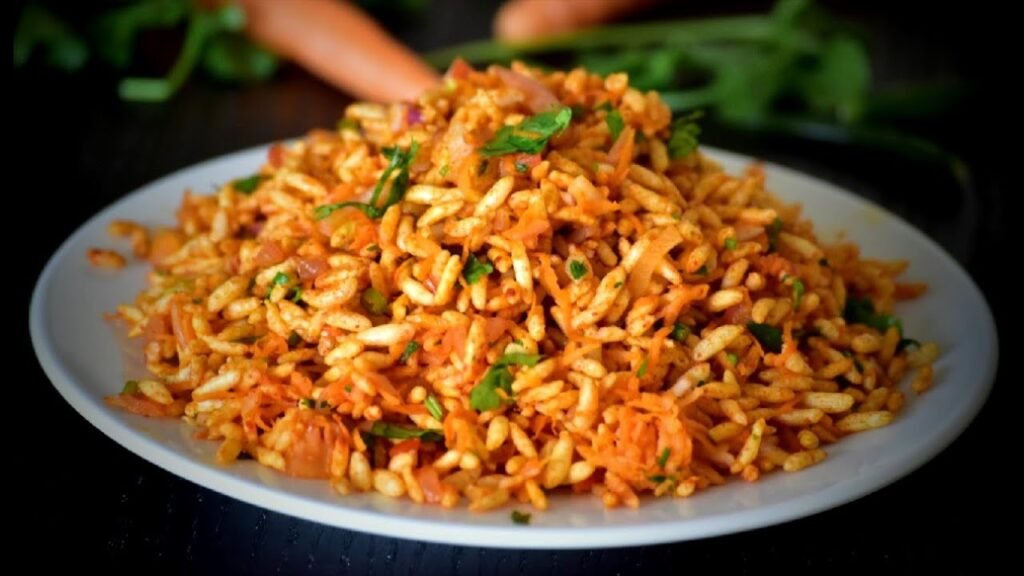
Churumuri is Karnataka’s street version of bhel puri — puffed rice tossed with raw mango, coconut, onion, and spices, sold in paper cones at street corners and parks across the city.
Akki Roti is a Karnataka flatbread made from rice flour, pressed thin and cooked on a griddle with onion, curry leaves, and green chilli — served with coconut chutney and found at breakfast stalls across the city.
Where to Go
Basavanagudi neighbourhood for the most authentic old Bengaluru food experience. VV Puram Food Street — a dedicated street food lane operating every evening — for the widest variety. Malleswaram for traditional Karnataka breakfast culture.
Practical Tips for India’s Street Food Trail
Safety and hygiene — the honest answer: Eat where locals eat, specifically where you see high turnover. Fresh, hot, and busy equals safe. Avoid pre-cut fruit and anything sitting uncovered in heat. Carry a small hand sanitiser. Most travellers who eat adventurously in India are fine. Stomach issues happen — they are a manageable inconvenience, not a reason to avoid one of the world’s great food cultures.
Best time to eat street food: Early morning (7–10 AM) for breakfast dishes. Late afternoon (4–7 PM) for snacks and chaat. After 9 PM for kebabs and grills. Avoid the mid-afternoon heat lull — many stalls close between 2–5 PM.
Budget: India’s street food is extraordinarily affordable. Budget ₹500–800 ($6–10 USD) per day to eat extremely well across multiple meals and snacks. In some cities you can eat magnificently for ₹200.
Food walk tours: Every city on this list has reputable guided food walks — Delhi Food Walks, Calcutta Food Tours, and similar operators are worth every rupee for a first visit. A good guide opens doors, translates menus, and takes you to places you would never find independently.
Learn a few words: Knowing how to say “bahut achha” (very good), “thoda kam mirchi” (less spice), and “ek aur” (one more) will improve your street food experience measurably in North India.
Final Thoughts: Eat Your Way Across India
No single trip covers all of this. India’s street food geography is too vast, too varied, too deep to absorb in one visit. But that is also the point. Every return trip to India reveals a new city, a new dish, a new vendor who has been perfecting the same recipe for fifty years.
Start somewhere. Eat without hesitation. Follow the crowds, the smoke, and the smell of something extraordinary cooking over an open flame.
India will feed you better than anywhere else on earth.