
Brazil is not a destination you visit on a whim. It is a continent-sized country with steamy rainforests, sun-drenched beaches, dramatic wetlands, and buzzing cities — each with its own rhythm, its own weather, and its own perfect window of time. Choosing the best time to visit Brazil can mean the difference between dancing at Carnival under clear skies or getting caught in a week-long downpour deep in the Amazon.
This complete season-by-season guide will walk you through every month of the year, every region worth visiting, and every festival worth planning around — so you arrive in Brazil at exactly the right moment.
Understanding Brazil’s Climate — Why It’s Different From Everywhere Else
Before diving into seasons, there is one thing every traveler must understand: Brazil does not follow a traditional four-season calendar. Because most of the country sits within the tropics, Brazil operates on two primary cycles — the wet season and the dry season. The intensity and timing of these seasons shift dramatically depending on which part of Brazil you are visiting.
The Amazon in the north experiences heavy rainfall from December through May. The Northeast coast enjoys sunshine almost year-round. Rio de Janeiro and São Paulo in the Southeast get hot, humid summers from December to March and cooler, drier winters from June to September. The Pantanal, the world’s largest tropical wetland, transforms completely depending on whether it is flooded or dry.
This regional variety is actually Brazil’s greatest gift to travelers. No matter what time of year you plan your trip, there is always a part of Brazil that is at its absolute best.
Season by Season Breakdown
Summer — December to March (High Season)
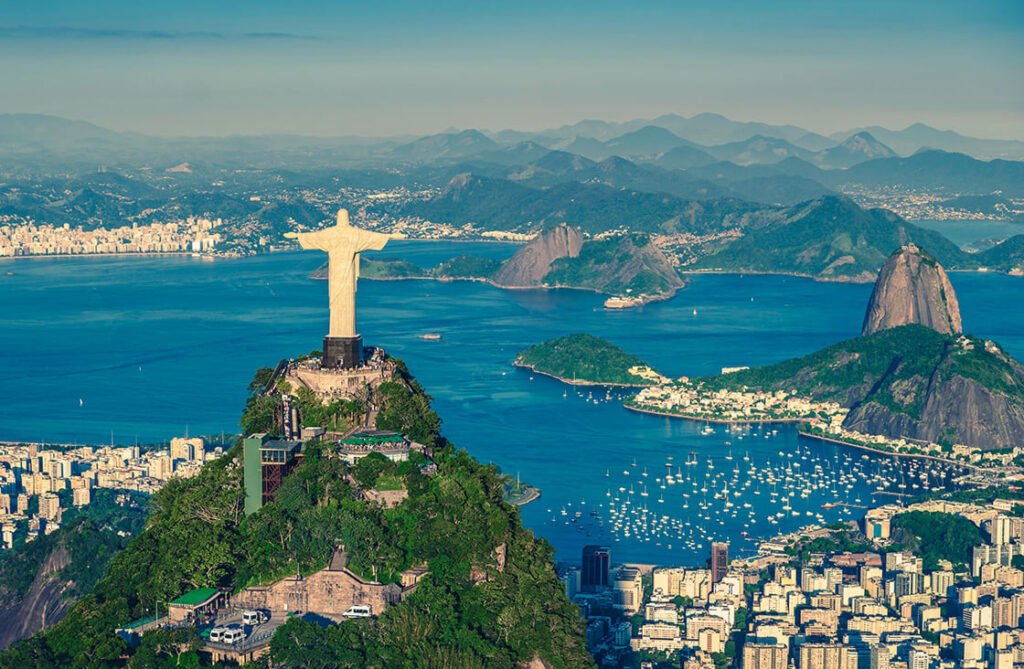
Summer in Brazil is bold, chaotic, beautiful, and unforgettable. Temperatures across most of the country soar between 30°C and 40°C (86°F to 104°F), and the rain comes in hard afternoon bursts that cool everything down before vanishing. This is peak travel season, and for good reason.
The highlight of Brazilian summer is, without question, Carnival. Held in February or early March depending on the year, Carnival transforms Rio de Janeiro, Salvador, Recife, and Olinda into the greatest party on earth. Samba schools parade through Rio’s Sambadrome in a blaze of feathers, sequins, and rhythm. In Salvador, electric trios roll through the streets with crowds of thousands dancing behind them. If Carnival is on your bucket list, plan well in advance. Hotels book out months ahead and prices triple.
Highlights:
- Carnival in Rio de Janeiro
- New Year’s Eve on Copacabana
- Rio Beach Season
- Salvador Street Carnival
Best for: Carnival, Rio beaches, New Year’s Eve, city experiences Avoid if: You dislike crowds, heat, or high prices Pack: Light breathable clothing, sunscreen, rain jacket for afternoon showers
Autumn — April to June (Shoulder Season)
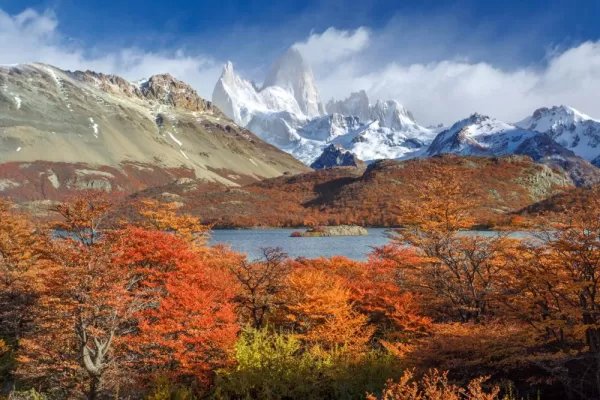
April marks the beginning of one of the most underrated times to visit Brazil. The Carnival crowds dissolve, prices drop, the intense summer heat softens, and the country exhales. Travelers who visit during autumn often find it the sweet spot — good weather, manageable crowds, and far better value for money.
April and May are particularly pleasant in Rio de Janeiro and São Paulo. The skies stay largely clear, temperatures settle into a comfortable 24°C to 28°C (75°F to 82°F), and you can explore Christ the Redeemer, Sugarloaf Mountain, and the city’s neighborhoods without fighting through tourist crowds.
June brings one of Brazil’s most beloved cultural celebrations — Festa Junina. Rooted in Portuguese and indigenous traditions, this festival takes over the entire Northeast of Brazil with colorful quadrilha dances, forró music, corn-based foods, and fireworks. Cities like Caruaru in Pernambuco and Campina Grande in Paraíba host enormous Festa Junina events that attract visitors from across the country.
Highlights:
- Festa Junina Celebrations
- Christ the Redeemer Without Crowds
- Best Value for Money
- Northeast Beaches in Full Sunshine
Best for: Budget travelers, Northeast beaches, Festa Junina, city sightseeing Avoid if: You specifically want Carnival or Amazon wildlife at peak Pack: Light layers for evenings, comfortable walking shoes
Winter — June to September (Dry Season — Best Overall)

Do not let the word “winter” mislead you. Brazilian winter is warm, dry, and widely considered the best overall time to visit the country — particularly for nature and wildlife lovers.
June through September brings the dry season to the Amazon and the Pantanal, and this is when both destinations reach their absolute peak for wildlife viewing. In the Pantanal, receding floodwaters concentrate wildlife around remaining water sources, making it the best time to spot jaguars, giant otters, capybaras, caimans, and hundreds of bird species. Nowhere else on earth offers jaguar sightings as reliably as the Pantanal during dry season.
In the Amazon, lower river levels expose beaches along the riverbanks, canoe trips become easier, and trails through the jungle open up. River dolphins become more visible, and birdwatching reaches its peak. Lodges in Manaus and the surrounding jungle fill up quickly, so book early.
Brazilian winter is also ideal for Iguazu Falls. The falls never disappoint, but the dry season brings clearer skies, drier walkways, and better photography conditions. The surrounding Atlantic Forest is lush and green, and wildlife including toucans, coatis, and butterflies are everywhere.
Inland cities like Brasília, Belo Horizonte, and the historic towns of Minas Gerais — Ouro Preto, Tiradentes, and Diamantina — are best explored during this dry, comfortable period. The mild temperatures make walking through cobblestoned colonial streets genuinely enjoyable.
Highlights:
- Jaguar Spotting in the Pantanal
- Amazon River Dolphins
- Iguazu Falls at Its Clearest
- Colonial Towns of Minas Gerais
Best for: Amazon, Pantanal, Iguazu Falls, wildlife, colonial towns, hiking Avoid if: You want beach parties or Carnival energy Pack: Light layers for cooler evenings, insect repellent for jungle areas
Spring — October to November (Shoulder Season)
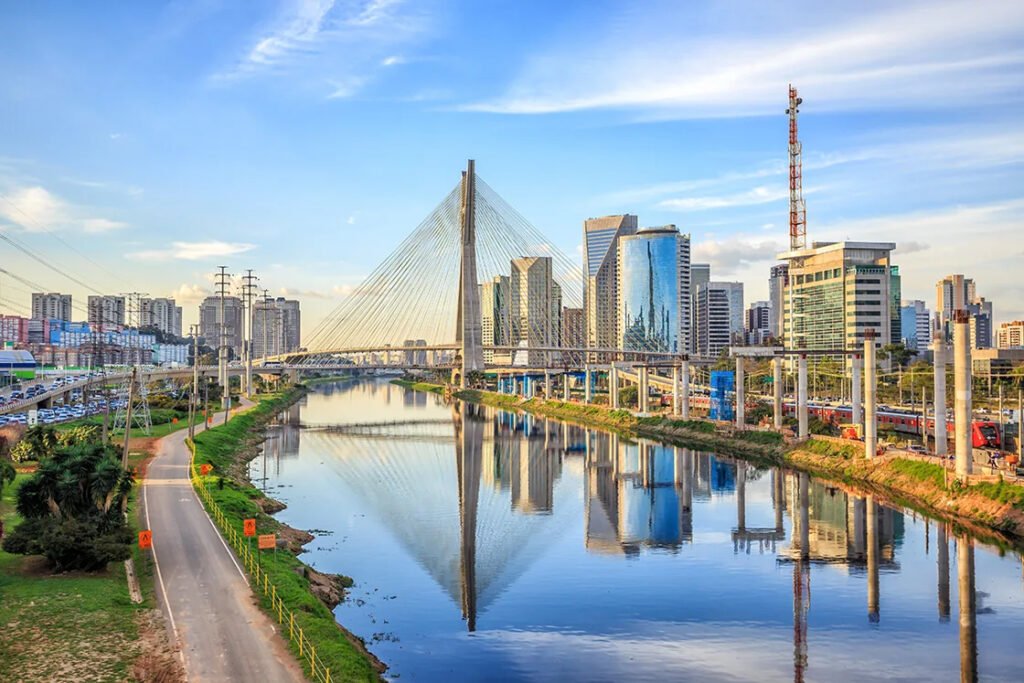
Spring is Brazil’s quiet season, and it is criminally overlooked by international travelers. October and November bring warming temperatures, longer days, and the first hints of green returning to the drier parts of the country. Crowds remain low, prices stay reasonable, and the weather is genuinely excellent across multiple regions.
The Chapada Diamantina in Bahia — a highland national park of dramatic tabletop mountains, waterfalls, and underground caves — is at its most beautiful in spring. Wildflowers bloom across the plateaus, waterfalls begin to fill again after the dry season, and the hiking conditions are outstanding. Trails leading to Vale do Pati, Cachoeira da Fumaça, and Poço Encantado are accessible and spectacular.
Fernando de Noronha, the remote volcanic archipelago off Brazil’s northeastern coast and one of the world’s top diving and snorkeling destinations, enjoys excellent visibility and warm waters throughout spring. The sea turtles that nest on the island’s beaches are active, and the crowds from the peak season have thinned.
Spring is also a great time to explore São Paulo — Brazil’s cultural capital, which offers world-class museums, galleries, restaurants, and nightlife without the summer heat making city walks exhausting.
Highlights:
- Chapada Diamantina Wildflowers
- Fernando de Noronha Diving
- Waterfalls Refilling
- Low Season Prices
Best for: Chapada Diamantina, Fernando de Noronha, São Paulo, budget travel Avoid if: You want peak wildlife in the Pantanal or Carnival celebrations Pack: Sunscreen, light clothing, waterproof shoes for waterfall hikes
Best Time to Visit Brazil by Region
Rio de Janeiro :
The best time to visit Rio is April to June for pleasant weather and fewer crowds, or December to March if you want beach season and Carnival. Avoid the heaviest rains of January and February if you are not there for Carnival specifically.
Amazon Rainforest :
Visit between June and November for the dry season when trails are accessible, wildlife is concentrated, and river beaches emerge. The wet season (December to May) offers a different kind of beauty with flooded forest canoe trips, but access becomes more challenging.
Pantanal :
Go between July and October for the world’s best jaguar sightings and wildlife watching as floodwaters recede. This is non-negotiable if wildlife photography is your goal.
Northeast Beaches (Ceará, Natal, Fortaleza, Jericoacoara) :
Visit between August and January when the dry season and trade winds create perfect kite-surfing and beach conditions. Jericoacoara in particular is a world-famous destination for wind sports during this window.
Iguazu Falls :
April to September offers the best combination of water flow and dry weather. The falls can be experienced year-round, but the rainy season from December to February sometimes closes walkways and makes viewing platforms slippery.
São Paulo :
São Paulo is a year-round city destination, but March to June and September to November offer the most comfortable temperatures for exploring on foot.
Final Verdict — When Is the Best Time to Visit Brazil?
If you had to pick one single window, June to September is the best overall time to visit Brazil. The dry season delivers exceptional wildlife experiences in the Amazon and Pantanal, comfortable temperatures for city sightseeing, clear skies over Iguazu Falls, and ideal hiking conditions in national parks — all without the suffocating heat or heavy rainfall of the summer months.
However, the honest answer is that Brazil rewards visitors in every season. Come in February for Carnival and you will experience something that changes you. Come in July for the Pantanal and you will see nature at its most raw and spectacular. Come in October for the wildflower highlands and you will find a Brazil that most travelers never discover.
The best time to visit Brazil is whenever you can go — but this guide will help you make every day of that trip count.