
Planning a trip to Patagonia? You’re about to explore one of the most breathtaking destinations in the world. Known for its dramatic mountains, massive glaciers, and untouched wilderness, Patagonia is a dream destination for nature lovers and adventure travelers.
This Patagonia travel guide covers everything you need to plan your trip, including the best time to visit, a detailed itinerary, travel costs, and essential travel tips for both Argentina and Chile.
Where is Patagonia?
Patagonia is located at the southern end of South America and is shared between Argentina and Chile. Due to its massive size, most travelers focus on key regions rather than trying to explore everything.
The most popular places included in any Patagonia itinerary are:
- Torres del Paine National Park – famous for hiking and landscapes
- Los Glaciares National Park – home to glaciers
- Perito Moreno Glacier – top attraction
- El Chaltén – trekking hub
These destinations form the foundation of any well-planned Patagonia trip.
Best Time to Visit Patagonia
Choosing the right season is important for your Patagonia travel experience, as the region is known for its unpredictable and rapidly changing weather. Strong winds, sudden rain, and temperature shifts can happen at any time of the year, so planning ahead will help you make the most of your trip.
Understanding the seasonal differences will allow you to choose the best time based on your travel style—whether you prefer hiking, fewer crowds, or unique winter landscapes.
Summer (December–February)
Summer is widely considered the best time to visit Patagonia, especially for first-time travelers. During these months, the region experiences longer daylight hours, sometimes up to 16 hours a day, which gives you more time to explore hiking trails and scenic viewpoints.
The weather is relatively mild compared to the rest of the year, making it ideal for outdoor activities like trekking, glacier visits, and wildlife spotting. However, this is also the peak tourist season, so expect higher prices and more crowded trails, particularly in popular areas like Torres del Paine National Park.
Shoulder Season (October–November & March–April)
The shoulder season is perfect for travelers who want to experience Patagonia with fewer crowds and slightly lower costs. During these months, the landscapes are incredibly beautiful, with spring bringing blooming wildflowers and autumn offering stunning fall colors across the region.
Although the weather can be more unpredictable than in summer, it is still suitable for most outdoor activities. This season is also ideal for photographers, as the changing light and quieter surroundings create excellent conditions for capturing Patagonia’s dramatic scenery.
Winter (May–September)
Winter in Patagonia offers a completely different experience, transforming the region into a peaceful, snow-covered landscape. The mountains and forests look stunning under a blanket of snow, creating a serene and almost magical atmosphere.
However, this season comes with limitations, as many hiking trails, accommodations, and national park services are closed or restricted due to weather conditions. While it’s not ideal for trekking, winter can be a great choice for travelers seeking solitude and a unique perspective of Patagonia without the crowds.
Best time to visit Patagonia: December to March for the best overall experience
Patagonia Itinerary (7 Days)
A well-planned Patagonia itinerary allows you to experience glaciers, mountains, and national parks even in a short time. This 7-day route covers the highlights of both Argentina and Chile, giving you a complete Patagonia experience without rushing.
You’ll begin in Argentina with glacier and trekking destinations, then move to Chile to explore one of the most iconic national parks in the world.
Day 1–2: Arrival & Explore El Calafate
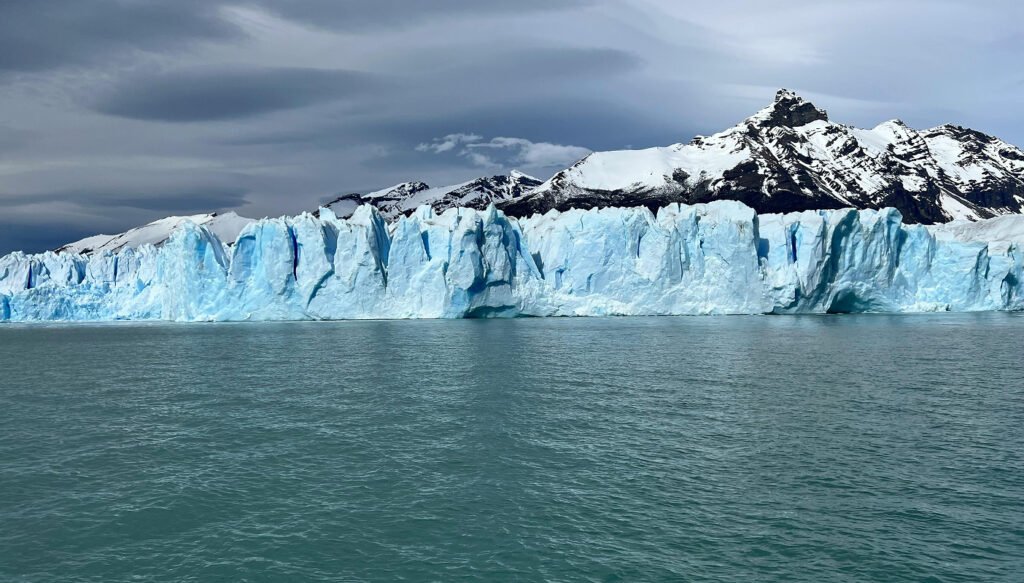
Your journey starts in El Calafate, a charming town that serves as the gateway to Argentina’s glacier region. After arriving, you can explore the lakeside views and prepare for one of the most memorable experiences in Patagonia.
On the second day, you’ll visit the famous Perito Moreno Glacier, where you can witness massive ice formations and even hear glaciers cracking and falling into the water.
Top Attractions:
- Perito Moreno Glacier viewpoints
- Glacier trekking experience
- Lago Argentino views
- Glaciarium Ice Museum
Day 3–4: Discover El Chaltén
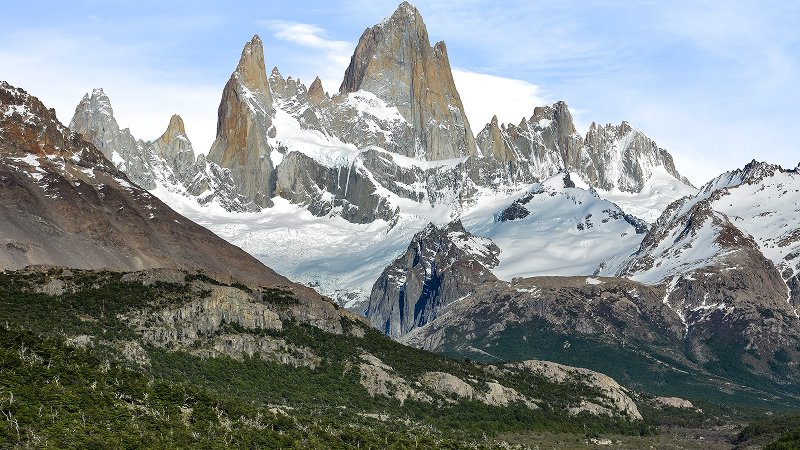
Next, travel to El Chaltén, known as the trekking capital of Argentina. This small town is surrounded by mountains and offers direct access to some of the best hiking trails in Patagonia.
Over two days, you can explore a mix of challenging and moderate trails, all offering stunning views of peaks, lakes, and valleys.
Top Attractions:
- Laguna de los Tres (Fitz Roy viewpoint)
- Mount Fitz Roy trails
- Laguna Capri
- Loma del Pliegue Tumbado
Day 5: Travel to Chile & Puerto Natales
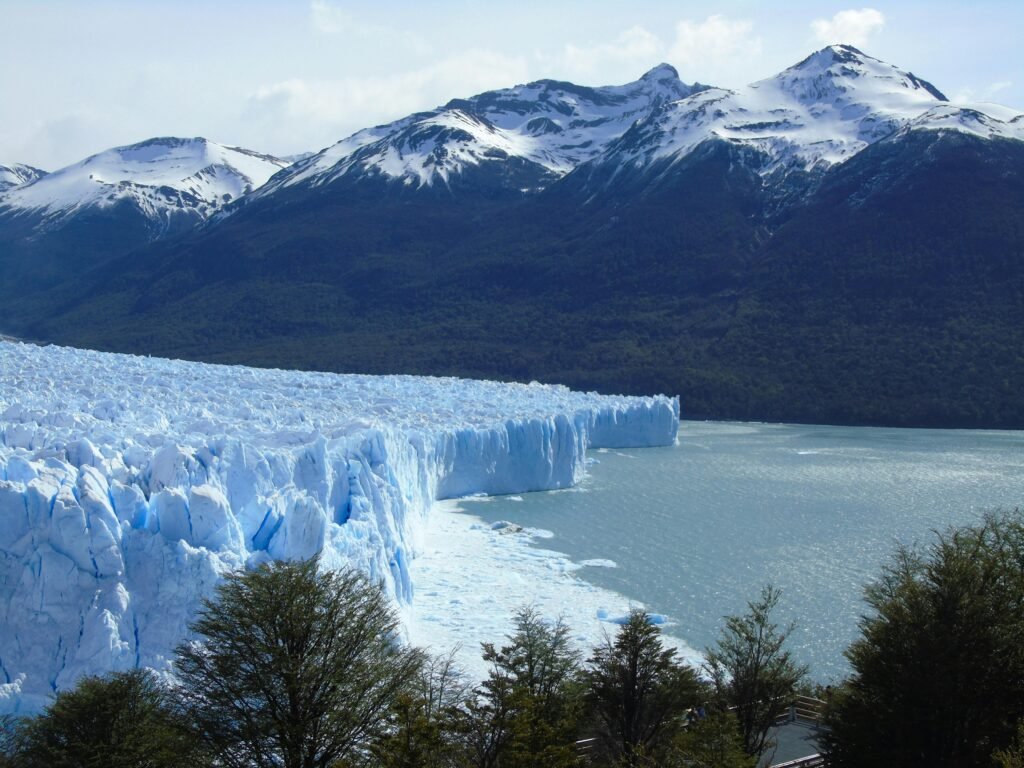
After exploring Argentina, continue your journey into Chile and reach Puerto Natales. This peaceful town is the main base for visiting Torres del Paine National Park.
Although this day involves travel, the changing scenery along the way makes the journey enjoyable and scenic.
Top Attractions:
- Puerto Natales waterfront
- Milodon Cave (optional stop)
- Scenic Patagonian landscapes
Day 6–7: Explore Torres del Paine National Park
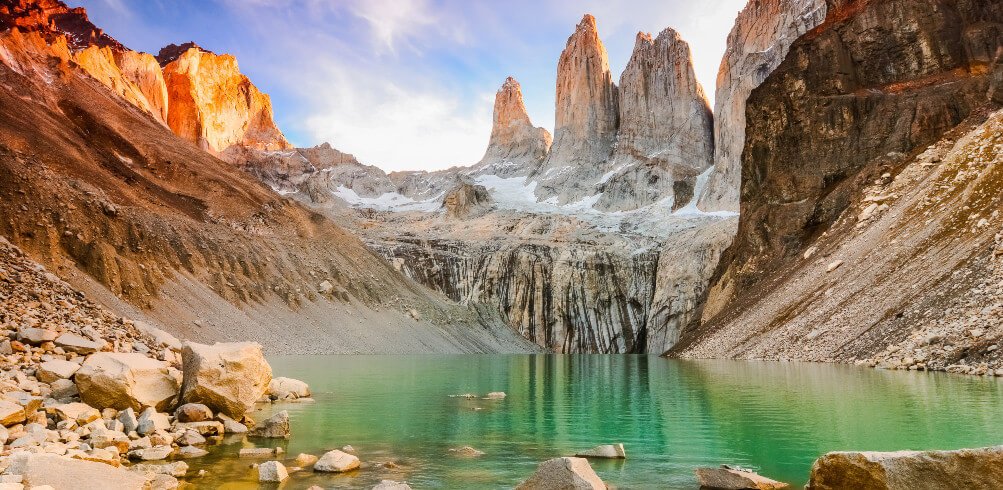
Finish your trip by exploring Torres del Paine, one of the most iconic national parks in the world. The park is famous for its granite peaks, blue lakes, and diverse wildlife.
You can choose between challenging hikes or relaxed sightseeing, depending on your preference.
Top Attractions:
- Base Torres hike
- Grey Glacier
- Lake Pehoé
- Salto Grande waterfall
- Wildlife spotting (guanacos, condors)
Best Things to Do in Patagonia
Patagonia is all about experiences. From glaciers to trekking, every activity brings you closer to nature.
One of the most unforgettable moments is visiting Perito Moreno Glacier, where you can watch massive ice chunks fall into the water.
Hiking is another major highlight, especially in El Chaltén and Torres del Paine, where trails offer incredible mountain views.
Top things to do:
- Glacier trekking and viewing
- Hiking scenic trails
- Wildlife spotting
- Scenic road trips
Patagonia Travel Cost
Understanding the Patagonia trip cost helps you plan your budget effectively. Patagonia is more expensive than other South American destinations due to its remote location.
Average daily budget:
- Budget: $70–100
- Mid-range: $120–200
- Luxury: $300+
Main expenses:
- Flights
- Accommodation
- Tours and park fees
Travel tip: Book early and travel during shoulder season to save money
Patagonia Travel Tips
Traveling to Patagonia is an incredible experience, but it requires proper preparation. Due to its remote location and unpredictable weather conditions, even simple mistakes can affect your trip if you’re not well prepared.
Before you go, it’s important to understand how to handle the region’s changing climate, limited connectivity, and travel logistics. These practical tips will help you enjoy a smooth and stress-free Patagonia adventure.
Important Travel Tips:
- Pack layers for changing weather – Patagonia’s weather can shift quickly from sunny to windy or rainy within hours. Wearing layered clothing allows you to adjust easily throughout the day.
- Carry cash for remote areas – Many smaller towns and remote locations may not accept cards, so it’s always a good idea to carry enough local currency.
- Book accommodations in advance – Popular destinations like El Chaltén and El Calafate fill up quickly, especially during peak season.
- Expect limited internet access – Wi-Fi and mobile networks can be unreliable in remote regions, so download maps and essential information beforehand.
- Check weather conditions before hiking– Always review the forecast before heading out, especially in areas like Torres del Paine National Park, where conditions can change rapidly.
Why Visit Patagonia?
Patagonia stands out as one of the most extraordinary travel destinations in the world. What makes this region truly special is its raw and untouched beauty, where nature exists on a massive and powerful scale. From towering mountains to vast open landscapes, every corner of Patagonia feels dramatic and unforgettable.
Unlike crowded tourist destinations, Patagonia offers a sense of peace and isolation that is hard to find elsewhere. Whether you’re hiking through remote trails or standing in front of glaciers, the experience feels deeply personal and immersive.
What makes Patagonia special:
- Untouched natural beauty – The landscapes remain largely unspoiled, offering a rare glimpse into pure wilderness.
- World-class hiking trails – Trails in places like El Chaltén and Torres del Paine National Park attract hikers from around the world.
- Unique wildlife – From condors to guanacos, Patagonia is home to fascinating wildlife in its natural habitat.
- Peaceful environment – The region’s remoteness allows you to disconnect and truly enjoy nature without distractions.
Final Thoughts
Planning a trip to Patagonia may seem overwhelming at first, but with the right guidance, it becomes an exciting and rewarding experience. This Patagonia travel guide has covered everything you need—from the best time to visit and itinerary planning to understanding travel costs and essential tips.
With proper preparation, you can explore glaciers, hike through breathtaking landscapes, and experience one of the most beautiful regions on Earth. Every moment in Patagonia feels unique, making it more than just a destination—it’s a journey you’ll remember for a lifetime.