
When people think of Argentine wine, Malbec dominates the conversation — and for good reason. It’s rich, affordable, and pairs beautifully with the country’s famous asado. But Argentina’s winemaking heritage stretches far beyond a single grape. With diverse terroirs ranging from the high-altitude vineyards of Salta to the windswept plains of Patagonia, the country nurtures a remarkable variety of grapes that rarely make it onto international wine lists. This guide is your invitation to explore them.
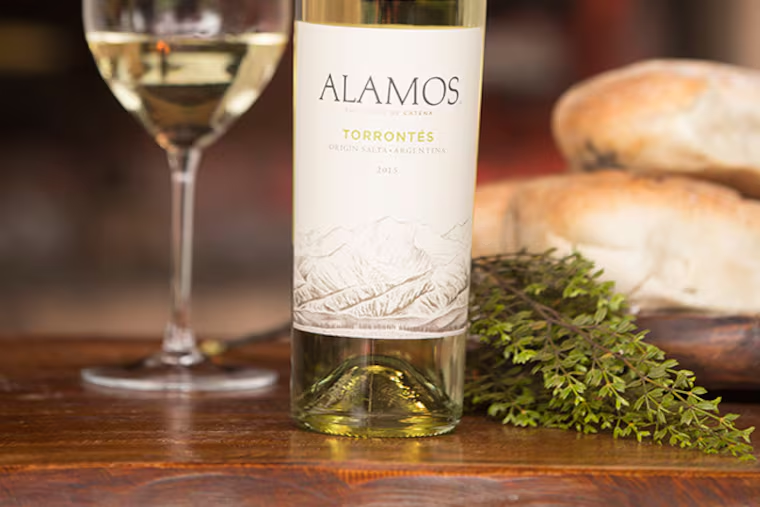
1. Torrontés — Argentina’s Signature White
If there’s one white wine Argentina can truly call its own, it’s Torrontés. Grown primarily in the Salta and La Rioja provinces, this aromatic grape produces wines bursting with floral notes — think jasmine, rose petals, and peach — with a surprisingly dry, crisp finish. It’s often compared to Gewürztraminer but with a lighter body and more refreshing acidity.
Best Regions: Cafayate (Salta), La Rioja
Pairs Well With: Spicy cuisine, ceviche, fresh goat cheese
Why Try It: It’s one of the few truly indigenous Argentine white varieties and offers incredible value for money.
2. Bonarda — The Underdog Red
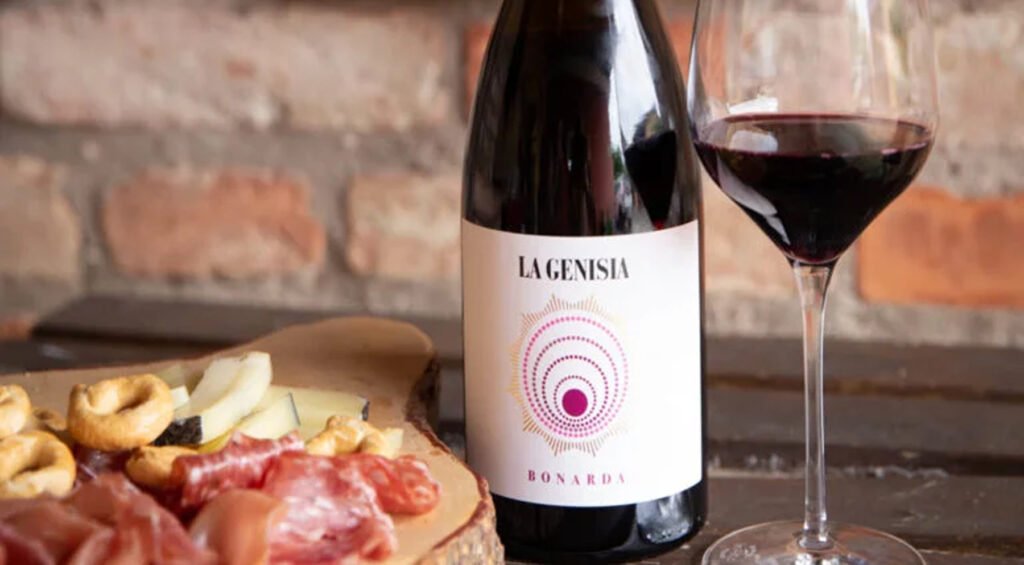
Bonarda is the second most planted red grape in Argentina, yet it remains largely under the radar. Originally brought over by Italian immigrants, it thrives in Mendoza and San Juan. Expect medium to full-bodied wines with flavors of dark cherry, plum, and a hint of earthiness — often with soft tannins and a juicy finish.
Best Regions: Mendoza, San Juan
Pairs Well With: Empanadas, grilled lamb, pasta with red sauce
Why Try It: Incredibly food-friendly, approachable, and consistently priced well below its quality level.
3. Cabernet Franc — The Elegant Alternative
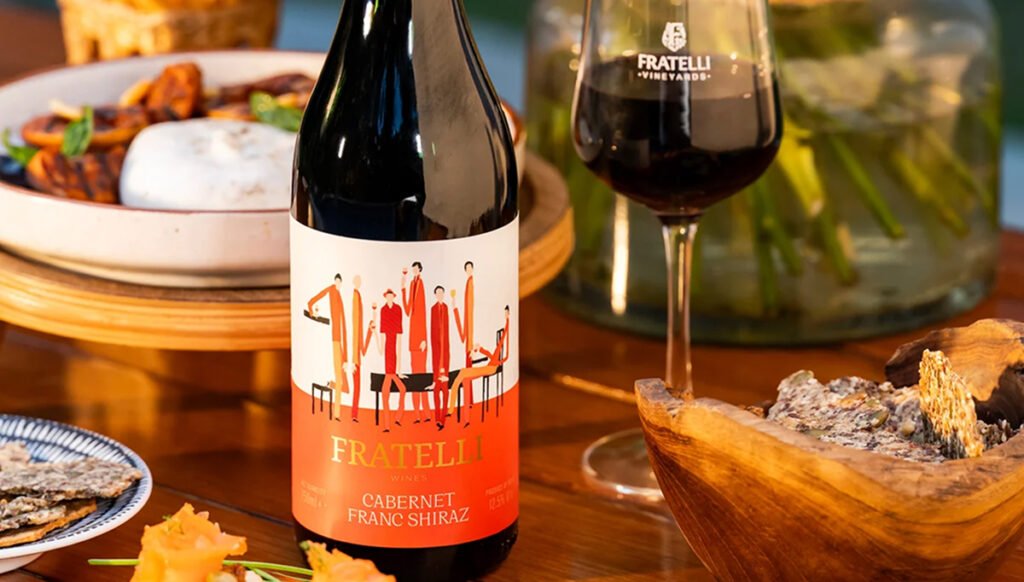
While Cabernet Franc plays a supporting role in many Bordeaux blends worldwide, in Argentina it’s increasingly bottled as a standalone varietal with impressive results. The cooler climates of the Uco Valley in Mendoza produce wines with herbaceous notes, violet aromas, silky tannins, and a long refined finish.
Best Regions: Uco Valley (Mendoza), Luján de Cuyo
Pairs Well With: Roasted duck, mushroom dishes, aged cheeses
Why Try It: The complexity of a premium red with a more elegant, restrained style than Malbec.
4. Criolla Grande — The Historic Native
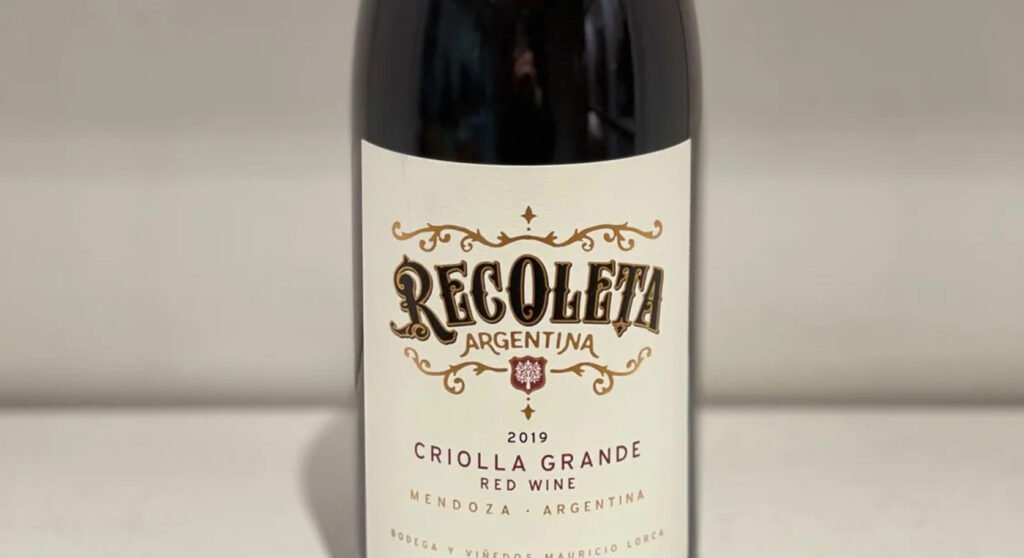
One of Argentina’s oldest grapes, Criolla Grande has been growing in the country since the 16th century, when Spanish missionaries first brought vines to the region. For years it was considered a bulk wine grape, but a new generation of winemakers is rediscovering its potential. The wines are light, fresh, low in tannins — almost Pinot Noir-like — with notes of red berries and subtle spice.
Best Regions: La Rioja, San Juan, Mendoza
Pairs Well With: Light meats, salads, mild cheeses
Why Try It: It carries deep historical roots and offers a fascinating link to Argentina’s colonial past.
5. Tannat — Bold and Heart-Healthy
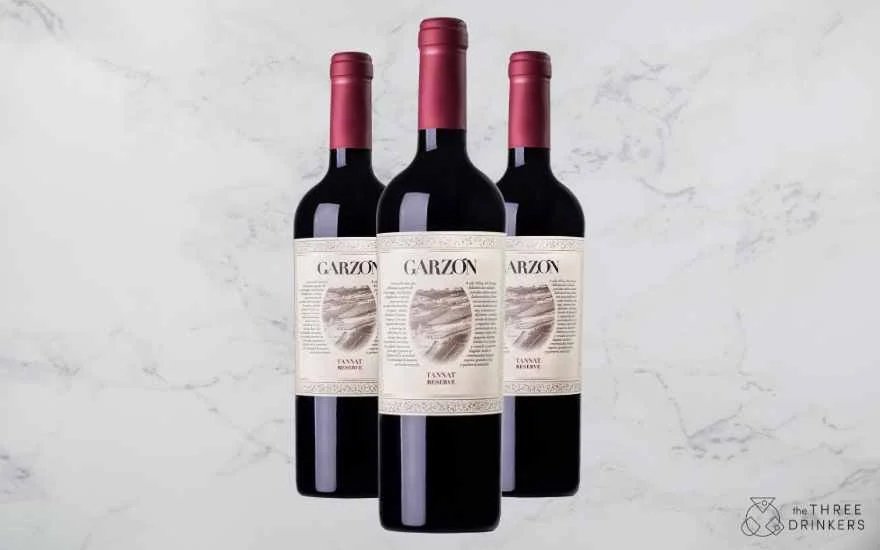
Originally from the Basque region of France, Tannat found a second home in Uruguay and is now gaining traction in Argentina. It produces intensely colored, tannic red wines loaded with dark fruit, leather, and dark chocolate notes. Research has also shown Tannat contains some of the highest levels of heart-healthy resveratrol of any red wine grape.
Best Regions: Mendoza, Salta
Pairs Well With: Beef stew, aged hard cheeses, dark chocolate
Why Try It: For lovers of big, bold reds who want depth and character well beyond Malbec.
6. Pinot Noir — Patagonia’s Cool-Climate Gem
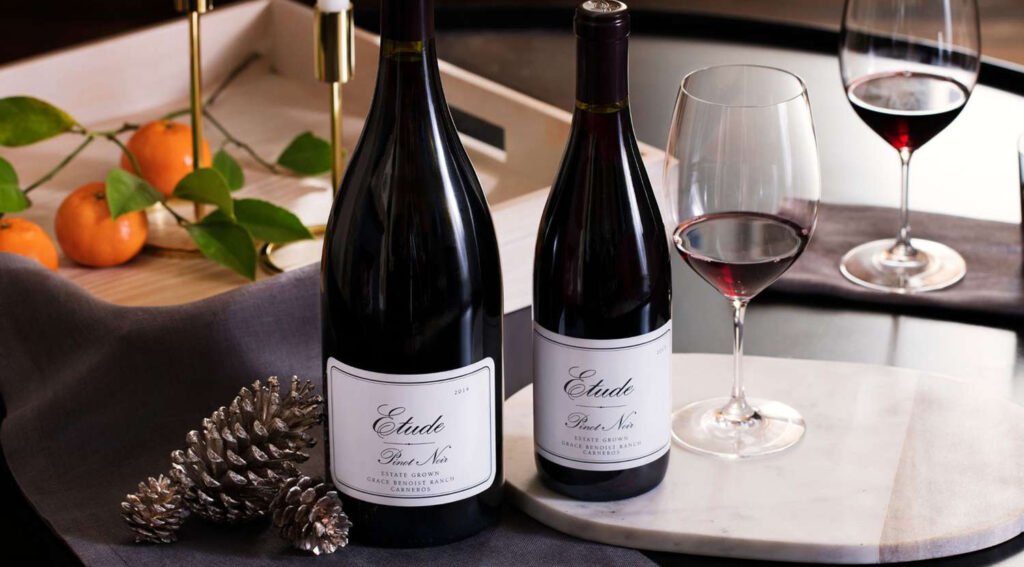
Patagonia might seem like an unlikely wine region, but its cool temperatures and strong winds create ideal conditions for Pinot Noir. Argentine Patagonian Pinot Noir is gaining international recognition for its bright acidity, elegant red fruit profile, and earthy complexity — comparable in style to Burgundy but at a fraction of the price.
Best Regions: Río Negro, Neuquén (Patagonia)
Pairs Well With: Salmon, duck, mushroom risotto
Why Try It: Patagonian Pinot Noir is one of Argentina’s most exciting and fast-emerging wine stories.
Tips for Exploring Argentine Wines
Visit boutique wine shops that specialize in South American wines — they’re far more likely to stock lesser-known varietals. Look for “single varietal” labels, meaning the bottle contains at least 85% of the stated grape. If you ever travel to Argentina, the Uco Valley, Cafayate, and Patagonia all offer world-class winery experiences worth planning a trip around. And don’t overlook natural and organic producers — Argentina has a vibrant small-batch winemaking movement experimenting boldly with native grapes.
Conclusion
Argentina’s wine landscape is far richer and more diverse than Malbec alone. Each of these lesser-known varieties tells a story — of immigrant heritage, ancient vines, high-altitude terroir, and a new generation of winemakers pushing boundaries. The next time you reach for an Argentine bottle, go beyond the familiar and let one of these hidden gems surprise you.