
Few road trips in the world can match the sheer drama and diversity of Australia’s Great Ocean Road. Built by returned soldiers between 1919 and 1932 and dedicated as a living memorial to those who fell in World War I, this iconic highway hugs Victoria’s wild southern coastline, weaving through surf towns, towering sea cliffs, ancient rainforests, and some of the most jaw-dropping rock formations on earth.
Whether you’re a seasoned road tripper or embarking on your very first self-drive adventure, the Great Ocean Road delivers at every turn — quite literally. This guide will walk you through everything you need to know, from where to start, what to see, where to stay, and how to make the most of every kilometre.
Few road trips in the world can match the sheer drama and diversity of Australia’s Great Ocean Road. Built by returned soldiers between 1919 and 1932 and dedicated as a living memorial to those who fell in World War I, this iconic highway hugs Victoria’s wild southern coastline, weaving through surf towns, towering sea cliffs, ancient rainforests, and some of the most jaw-dropping rock formations on earth.
Whether you’re a seasoned road tripper or embarking on your very first self-drive adventure, the Great Ocean Road delivers at every turn — quite literally. This guide will walk you through everything you need to know, from where to start, what to see, where to stay, and how to make the most of every kilometre.
How Many Days Do You Need?
The Great Ocean Road can technically be driven in a single long day, but that would mean missing almost everything that makes it special. Here’s a breakdown by trip length:
2 Days (Fast but Focused) Best for those short on time. Cover the highlights — Bells Beach, Lorne, Apollo Bay, and the Twelve Apostles — with early starts and minimal stops.
3–4 Days (Recommended) The sweet spot for most travellers. Allows time for the Otway Rainforest, Cape Otway Lighthouse, koala spotting, the Port Campbell National Park, and a relaxed pace through the coastal towns.
5–7 Days (The Full Experience) Ideal for those who want to explore beyond the main road — hike the Great Ocean Walk, visit Tower Hill Wildlife Reserve, spend a night in Port Fairy, and soak in everything at a leisurely pace.
Getting There: Starting Your Drive
From Melbourne the most common starting point is Torquay, roughly a 1.5-hour drive southwest via the Princes Freeway. Alternatively, you can begin in Geelong, which is just 20 minutes from Torquay and offers car rental options, supermarkets, and fuel stops before you hit the coastal road.
Car Rental Tips: Pick up your rental car in Melbourne or Geelong rather than along the route, as options are far more limited once you’re on the road. Automatic vehicles are recommended for the winding coastal sections. A standard sedan is perfectly fine — you don’t need a 4WD for the main route.
Fuel: Fill up in Geelong, Lorne, Apollo Bay, and Warrnambool. Petrol stations become sparse between Apollo Bay and Port Campbell, so never let your tank drop below half in that stretch.
Stop-by-Stop Guide: The Best Stops Along the Way
Stop 1: Torquay & Bells Beach
Distance from Melbourne: 100 km
Your journey begins in Torquay, the surf capital of Australia and home to iconic brands like Rip Curl and Quiksilver. Stroll the main beach, browse the surf shops on Bell Street, and head to the Surf World Museum for a fascinating look at Australian surf culture.
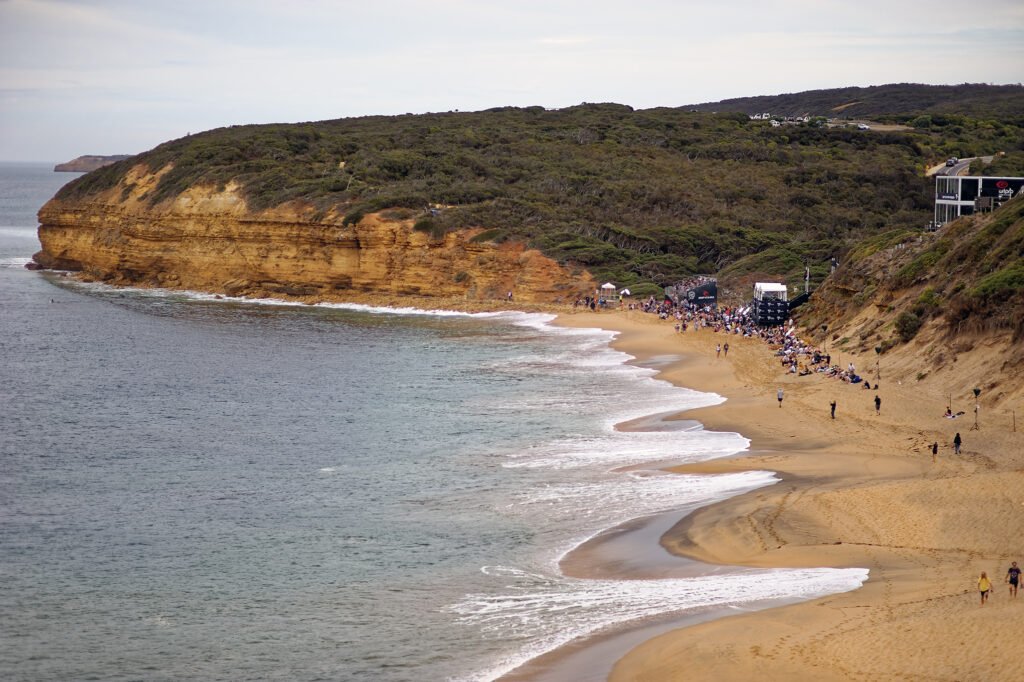
Just 4 km south lies Bells Beach, one of the most famous surf breaks in the world and host of the Rip Curl Pro, the world’s longest-running professional surfing competition. Even if you don’t surf, watching the waves crash against the red cliffs from the clifftop lookout is absolutely worth the stop.
Time Needed: 1–2 hours
Stop 2: Anglesea & Aireys Inlet
Distance from Torquay: 15 km
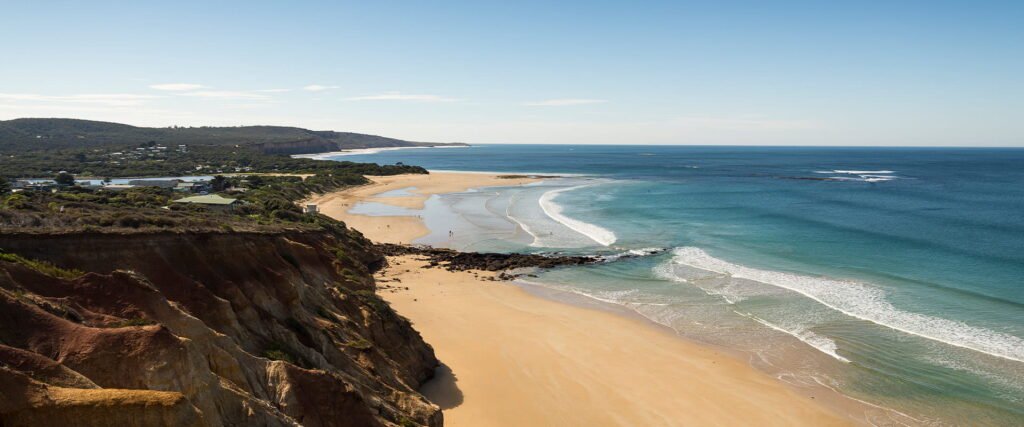
Anglesea is a laid-back coastal town best known for its resident kangaroos — a mob of them grazes daily on the local golf course, making for one of the most surreal wildlife encounters in Victoria. Grab breakfast at one of the cafes and watch the kangaroos hop between the fairways.
Continue to Aireys Inlet, home to the iconic red-and-white Split Point Lighthouse, which featured in the beloved Australian TV series Round the Twist. The 30-minute guided lighthouse tour is well worth it for the panoramic coastal views from the top.
Time Needed: 1–2 hours
Stop 3: Lorne
Distance from Aireys Inlet: 24 km
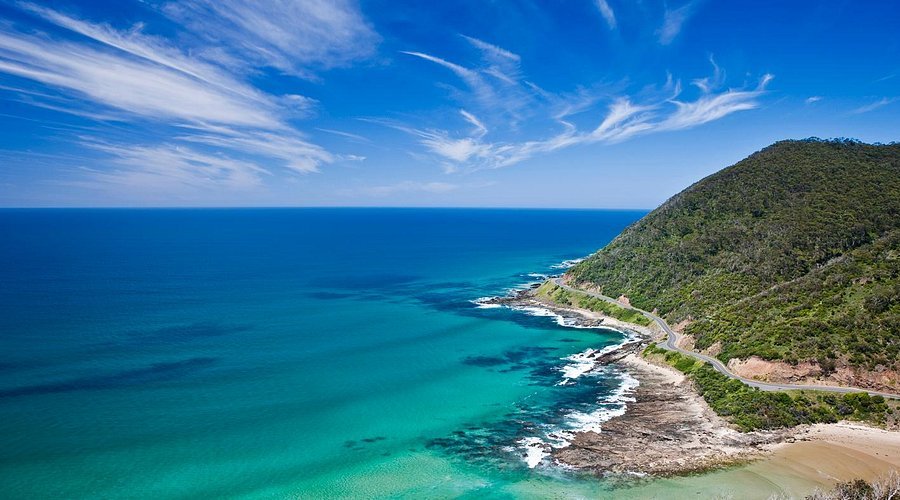
Lorne is arguably the most popular and lively town along the Great Ocean Road, and for good reason. Nestled between the Otway Ranges and a pristine beach, it’s the perfect spot to stop for lunch, take a dip, or explore the hinterland trails.
Don’t miss the Erskine Falls, a short 15-minute drive inland from Lorne. The 30-metre waterfall is one of the most impressive in Victoria and surrounded by beautiful temperate rainforest. The short walk from the carpark to the base of the falls takes about 20 minutes each way and is suitable for most fitness levels.
Where to Eat: Kafe Kaval for Mediterranean-inspired dishes, or the iconic Lorne Hotel for a classic pub meal with ocean views.
Time Needed: 2–4 hours
Stop 4: Apollo Bay
Distance from Lorne: 45 km
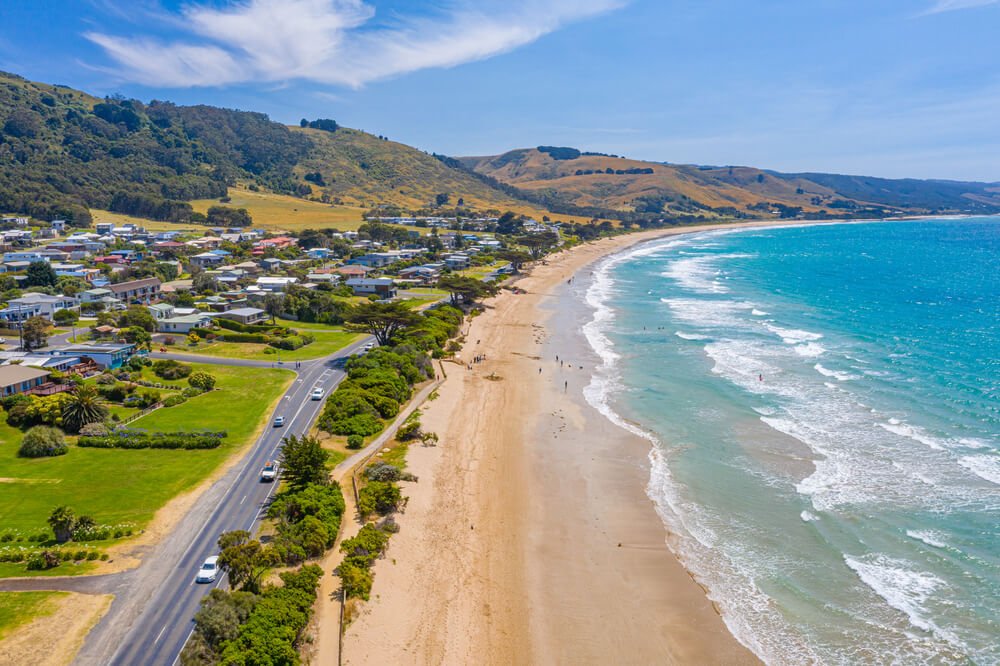
Apollo Bay is the last major town before the road turns inland through the Otway Ranges, making it the ideal base for a night’s stay. It has a relaxed, unhurried vibe — think fresh seafood, morning markets on Saturdays, and stunning sunsets over the bay.
The Apollo Bay Fishermen’s Co-op sells some of the freshest crayfish, abalone, and calamari you’ll ever taste. Pick up a seafood parcel and eat it on the beach for one of the best cheap meals of your trip.
Time Needed: Half day to overnight stay recommended
Stop 5: Cape Otway & the Otway Rainforest
Distance from Apollo Bay: 30 km
This is where the Great Ocean Road turns inland and becomes something else entirely. The Otway Ranges are covered in ancient temperate rainforest — towering myrtle beeches, tree ferns, and moss-covered gullies that feel completely prehistoric.
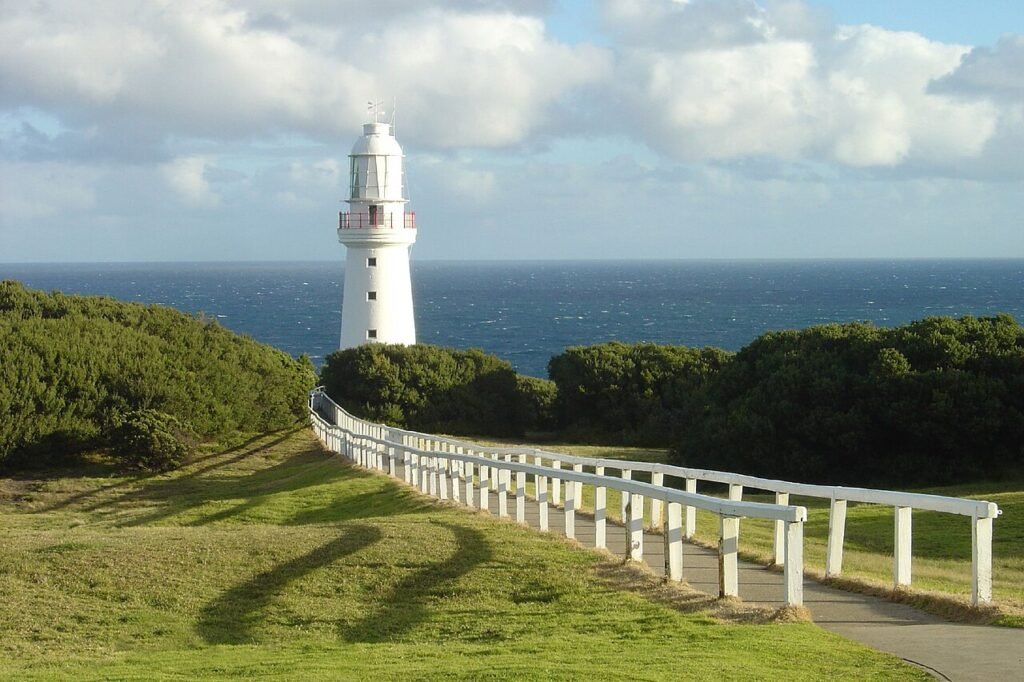
Cape Otway Lighthouse is Australia’s oldest surviving lighthouse, built in 1848. The grounds offer a fascinating history of Victoria’s Shipwreck Coast and sweeping views across Bass Strait. Entry to the grounds costs around AUD $22 for adults.
Keep your eyes on the eucalyptus trees along Lighthouse Road — this stretch is one of the most reliable spots in Victoria to see wild koalas in the treetops. Slow down and scan the forks of the tall trees; you’ll almost certainly spot one sleeping or munching on leaves.
Time Needed: 2–3 hours
Stop 6: The Twelve Apostles
Distance from Cape Otway: 60 km
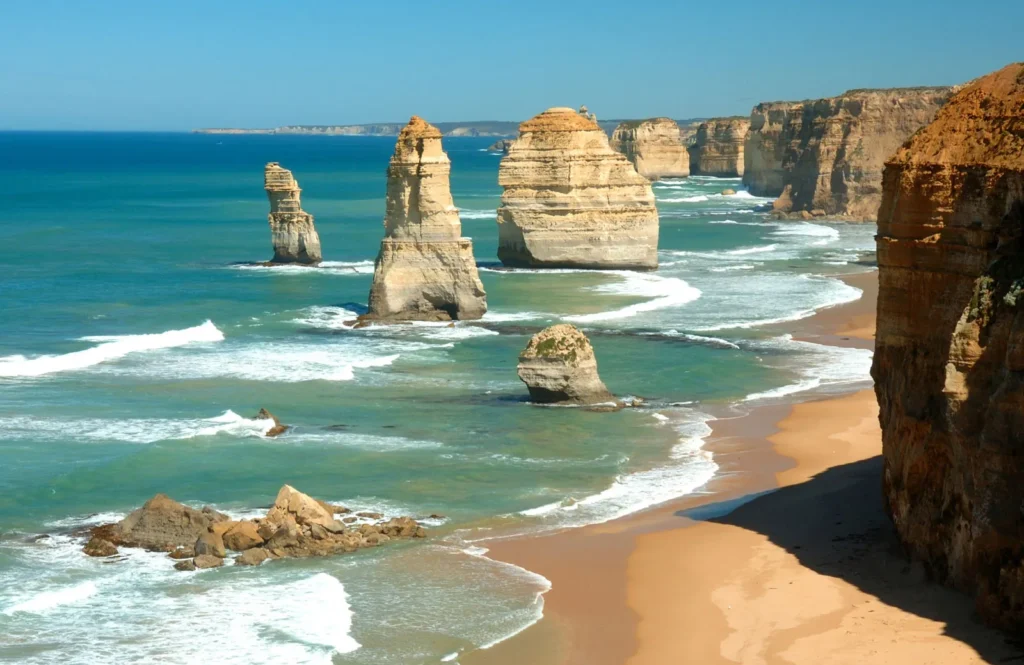
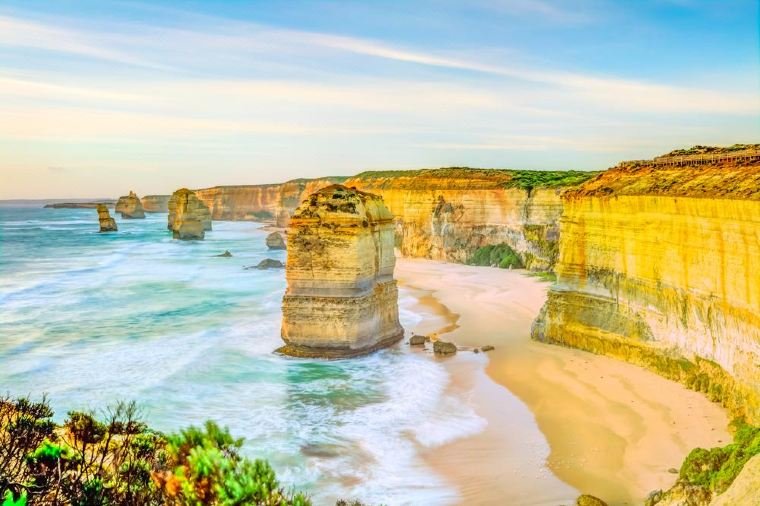
No Great Ocean Road trip is complete without standing in front of the Twelve Apostles — the undisputed centrepiece of the entire journey. These dramatic limestone stacks rise up to 45 metres out of the Southern Ocean, sculpted over millennia by relentless waves and wind.
Despite the name, there were never actually twelve — only nine stacks were standing when the formation was renamed from “The Sow and Piglets” in the 1950s, and today just eight remain after one collapsed in 2005. Erosion continues at around 2 cm per year, meaning the landscape is slowly but constantly changing.
Best Time to Visit: Sunrise or sunset. The golden light on the limestone stacks during these times is genuinely one of the most spectacular sights in Australia. Arrive at least 30 minutes before sunrise to secure a good viewing spot, especially during peak season.
Helicopter Tours: For a truly unforgettable perspective, 12 Apostles Helicopters offers scenic flights from AUD $145 per person. Seeing the coastline from the air is an experience that’s hard to top.
Time Needed: 1–2 hours minimum
Stop 7: Loch Ard Gorge
Distance from Twelve Apostles: 3 km
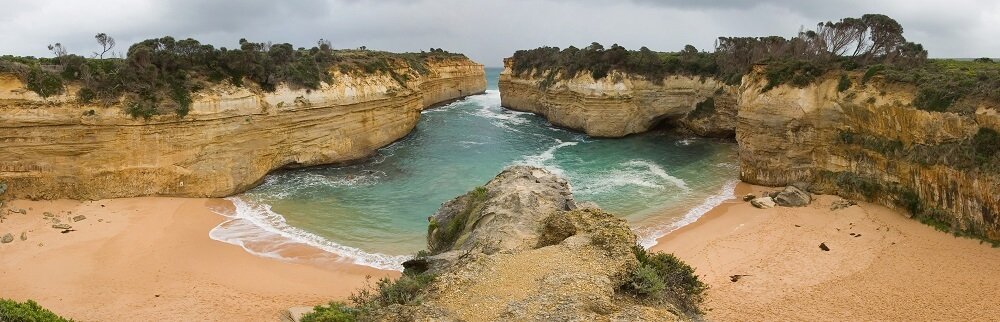
Just a few minutes west of the Twelve Apostles lies Loch Ard Gorge, a stunning sheltered inlet flanked by towering cliffs. The gorge is named after the iron clipper ship Loch Ard, which wrecked nearby in 1878 with only two survivors — both nineteen years old.
Walk down to the sandy beach at the base of the gorge for a sheltered swim and take the clifftop trail for dramatic views over the coastline. The combination of history, natural beauty, and relative tranquility makes this a highlight that often outshines the Twelve Apostles for many visitors.
Time Needed: 1 hour
Stop 8: Port Campbell
Distance from Loch Ard Gorge: 8 km
The small town of Port Campbell serves as the gateway to Port Campbell National Park and is an excellent base for exploring the Shipwreck Coast. Grab dinner at one of the local restaurants, watch the sunset from the clifftops, and use the town as your overnight stop before continuing west.
Nearby formations worth visiting include The Arch, London Bridge (which famously collapsed in 1990, stranding two tourists on the newly formed island), and The Grotto — a circular sinkhole leading down to a cave with crashing waves below.
Time Needed: Half day to overnight
Stop 9: Tower Hill Wildlife Reserve
Distance from Port Campbell: 70 km
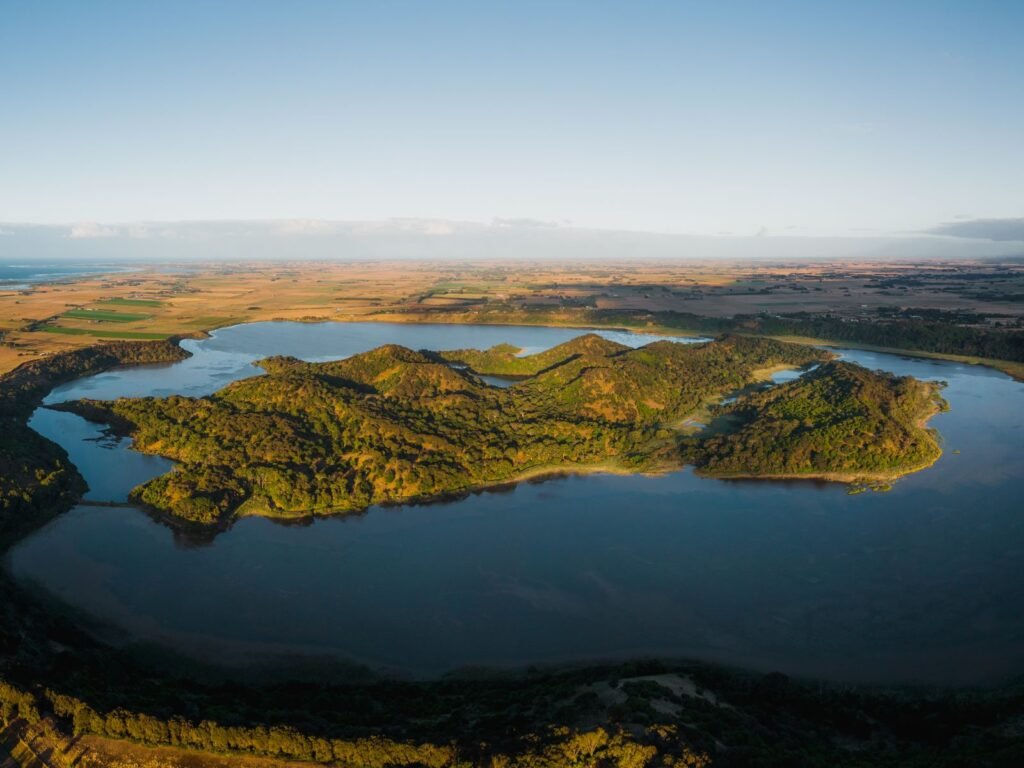
One of Victoria’s best wildlife encounters awaits at Tower Hill, an extinct volcanic crater that’s been transformed into a remarkable nature reserve. Emus, koalas, kangaroos, and over 200 species of birds call this ancient landscape home.
The best time to visit is early morning or late afternoon when the animals are most active. The Peak Climb takes about an hour and rewards you with sweeping 360-degree views over the surrounding farmland and coast.
Time Needed: 2–3 hours
Stop 10: Warrnambool & Port Fairy
Distance from Tower Hill: 15 km**
Warrnambool marks the official end of the Great Ocean Road and is a thriving regional city with excellent cafes, galleries, and a rich maritime history. Between June and September, the Logan’s Beach Whale Nursery is one of the best land-based whale-watching spots in Australia, where Southern Right Whales come to calve in the sheltered bay.
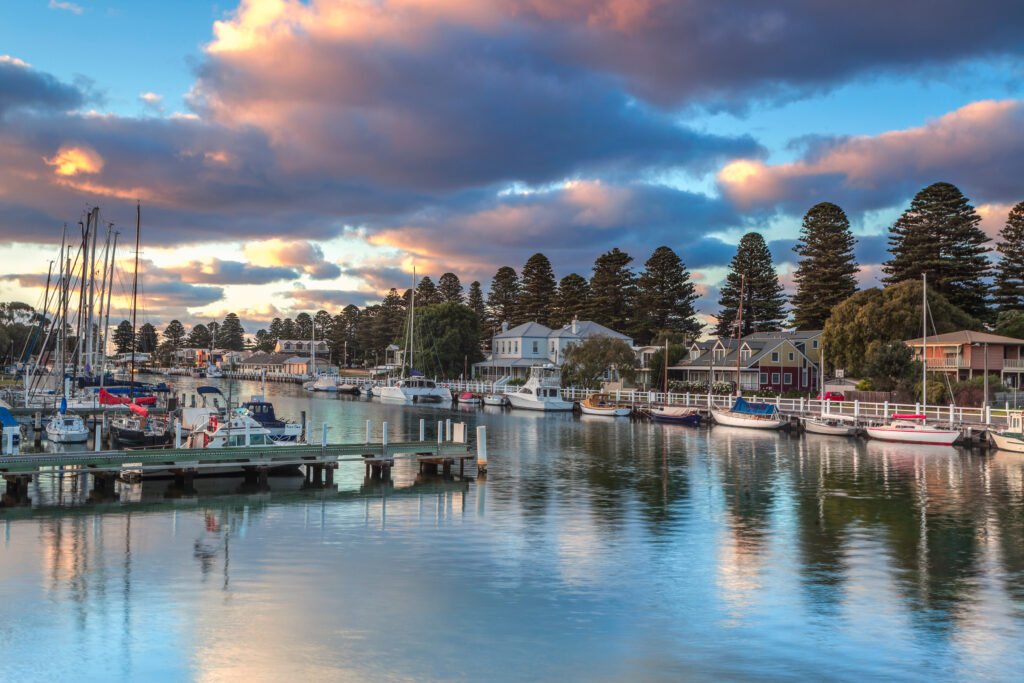
Just 28 km further west, the charming fishing village of Port Fairy is one of Australia’s oldest towns, with heritage bluestone buildings, a working fishing harbour, and a relaxed end-of-the-road atmosphere that makes it the perfect final destination.
Time Needed: Half day to full day
Where to Stay Along the Great Ocean Road
Budget: YHA Apollo Bay Eco Hostel, Lorne Beach Backpackers
Mid-Range: Mantra Lorne, Seahorse Inn Apollo Bay, Port Campbell Guesthouse
Luxury: The Lorne Hotel Apartments, Southern Ocean Villas Port Campbell, Bimbi Park (glamping near Cape Otway)
Where to Eat
Torquay: Fishos Torquay for fish and chips on the beach
Lorne: Kafe Kaval, Lorne Hotel, Arab for contemporary Australian
Apollo Bay: Fishin’ Co for fresh local seafood, La Bimbi for pizza
Port Campbell: The Waves Restaurant for local catch with ocean views
Warrnambool: Fishtales Cafe, Freshwater Brewing Company
Essential Packing List
Layers are essential — the weather along the Great Ocean Road is famously unpredictable, with sun, wind, and rain sometimes occurring on the same afternoon. Pack a waterproof jacket, comfortable walking shoes for clifftop trails, sunscreen, binoculars for wildlife spotting, a reusable water bottle, and a camera with plenty of storage.
Important Tips & Things to Know
Drive on the left. Australia drives on the left-hand side of the road. If you’re coming from North America, Europe, or Asia, allow extra time to adjust before tackling the winding coastal sections.
Speed limits vary. The limit drops frequently through towns — stick to posted limits as speed cameras are common throughout Victoria.
Mobile coverage is patchy. Download offline maps before you leave. Google Maps works well offline, or invest in a local SIM card with data from Telstra for the best coverage in regional areas.
Respect the wildlife. Kangaroos and wallabies are most active at dawn and dusk — avoid driving these hours if possible, especially on inland sections through the Otways.
Book accommodation early. Peak season runs December through January and accommodation along the route books out months in advance. Shoulder season (March–May, September–November) offers better availability, fewer crowds, and often better weather.
Best Time to Visit
Summer (December–February): Warmest weather, longest days, busiest crowds. Book everything well in advance.
Autumn (March–May): Arguably the best time to visit. Mild temperatures, golden light, far fewer tourists, and excellent conditions for hiking.
Winter (June–August): Cool and often wet, but dramatic storm skies make for incredible photography. Best time for whale watching at Warrnambool.
Spring (September–November): Wildflowers bloom across the Otways, wildlife is active, and crowds haven’t yet arrived. A great time for a road trip.
Conclusion
The Great Ocean Road is more than just a drive — it’s a journey through some of the most spectacular and storied landscapes in the southern hemisphere. Whether you linger over a long lunch in Lorne, wake before dawn for a private sunrise at the Twelve Apostles, or simply pull over every few kilometres because the view demands it, this is a road trip that will stay with you long after you’ve returned home. Plan it well, take your time, and let the road do the rest.