
The Dead Sea. Just hearing the name sparks curiosity. It is one of those rare places on Earth that lives up to every bit of its hype — and then some. Floating effortlessly on water so salty you cannot sink, smearing mineral-rich black mud all over your body, and gazing across shimmering blue water toward the hazy mountains of Israel and Palestine — this is an experience unlike anything else on the planet.
Jordan’s Dead Sea is not just a tourist attraction. It is a natural wonder, a health destination, a history lesson, and a photographer’s dream all rolled into one. And in 2026, with improved infrastructure, new luxury resorts, and easier access than ever before, there has never been a better time to visit.
Whether you are planning a quick day trip from Amman or a multi-day luxury retreat on the shore, this complete 2026 visitor guide has everything you need. Let us dive in — just not headfirst.
What Exactly Is the Dead Sea?
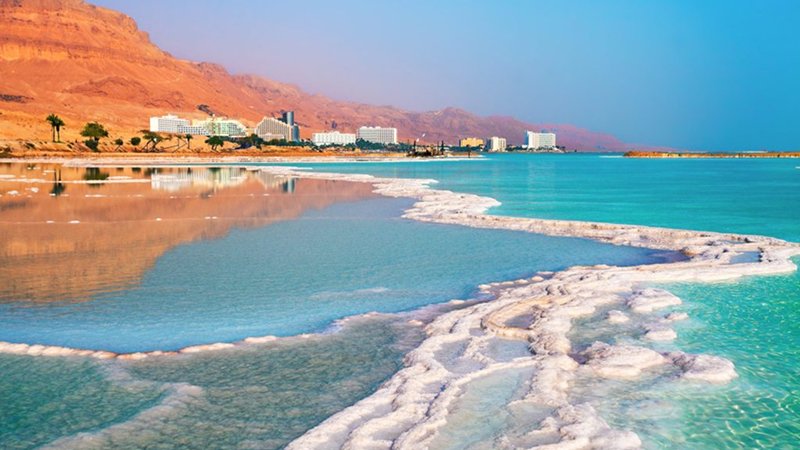
Before we get into the practical details, let us take a moment to appreciate just how extraordinary this place truly is.
The Dead Sea is a salt lake bordered by Jordan to the east and Israel and the West Bank to the west. It sits at approximately 430 meters below sea level, making it the lowest point on Earth’s surface. That alone makes it remarkable. But what makes the Dead Sea truly unique is its water.
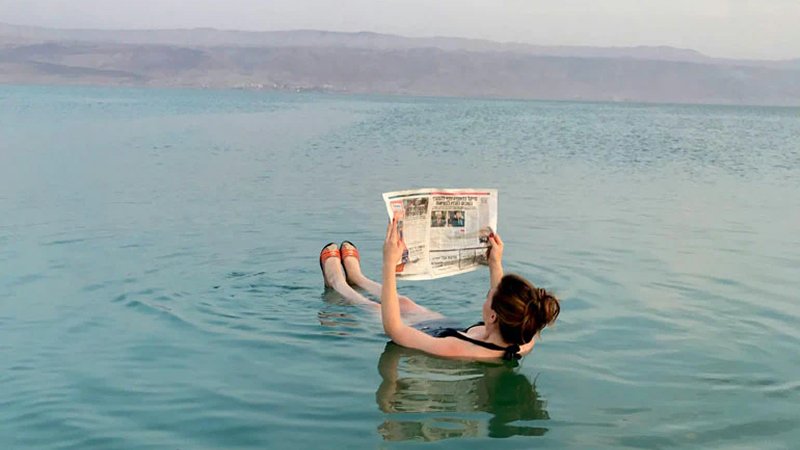
The salinity of the Dead Sea is around 34%, which is nearly 10 times saltier than regular ocean water. This extreme salt concentration means that almost nothing can live in it — hence the name “Dead Sea.” No fish, no seaweed, no aquatic life of any kind. But for humans, this same saltiness creates something magical: you float. Completely, effortlessly, impossibly float. You cannot sink even if you try.
Beyond floating, the Dead Sea is famous for its mineral-rich black mud, which lines the shores and has been used for therapeutic and cosmetic purposes for thousands of years. The water itself contains high concentrations of magnesium, calcium, potassium, and bromide — minerals that are known to benefit the skin, ease muscle tension, and promote relaxation.
The Dead Sea has also been a place of historical and biblical significance for millennia. It is mentioned in ancient texts, visited by Cleopatra, and used as a health resort by King Herod. Thousands of years later, it remains one of the most visited natural sites on Earth.
Why Is the Dead Sea Famous?
The Dead Sea is one of the most iconic natural wonders on Earth, and its fame comes from a remarkable combination of geography, history, and science.
It Is the Lowest Point on Earth The Dead Sea sits around 430 meters below sea level — the lowest point on the entire surface of the Earth. Nothing else on land comes close. That single geographical fact makes it extraordinary before you even step into the water.
The Floating Experience Is Real and Unforgettable With a salinity level nearly 10 times higher than the ocean, the water is so dense that the human body simply cannot sink. You lie back, spread your arms, and float completely effortlessly. It is one of those experiences that makes people laugh out loud the moment it happens.
Thousands of Years of History Cleopatra was so obsessed with Dead Sea minerals that she demanded exclusive trade routes to bring them to Egypt. King Herod built palaces on its shores. The famous Dead Sea Scrolls — among the most important archaeological finds in human history — were discovered in nearby caves. This place has been remarkable for thousands of years.
Biblical and Religious Significance The Dead Sea holds deep religious significance across multiple faiths. Mentioned in the Bible, located near Mount Nebo where Moses viewed the Promised Land, and surrounded by ancient sacred sites, it draws pilgrims and history lovers from every corner of the world.
World-Famous Therapeutic and Beauty Benefits The Dead Sea is globally celebrated as a natural health destination. Its water, mud, and mineral-rich air attract people suffering from psoriasis, eczema, arthritis, and stress. Dead Sea mineral products — sold in every country on Earth — generate billions in the global beauty industry annually.
It Is Slowly Disappearing The Dead Sea is famous today for a heartbreaking reason — it is vanishing. The water level drops by roughly one meter every year due to water diversion from the Jordan River. People want to see it before it is gone, which makes visiting now more meaningful and urgent than ever.
Why Visit the Dead Sea in Jordan in 2026?
You might be wondering — can I visit the Dead Sea from Israel too? Yes, you can. But the Jordanian side is widely considered the better experience, and here is why.
The Jordanian side of the Dead Sea offers a more developed tourism infrastructure, with a string of world-class five-star resorts lining the shore. The beaches are cleaner and better maintained. The experience is more organized and tourist-friendly. And crucially, visiting from Jordan allows you to combine the Dead Sea with other incredible Jordanian destinations like Petra, Wadi Rum, Amman, and Jerash — making it part of a far richer travel itinerary.
In 2026, Jordan’s Dead Sea region is seeing increased investment in tourism. New resorts have opened, existing properties have been renovated, and visitor facilities have improved significantly. The road from Amman has been upgraded, making the drive smoother and faster. And with budget airlines now offering more direct flights into Amman, getting to Jordan — and then to the Dead Sea — is easier than ever before.
There is also a wellness travel trend sweeping the globe right now, and the Dead Sea fits perfectly into this movement. Travelers are no longer just seeking sightseeing — they want healing, relaxation, and natural therapy. The Dead Sea delivers all three in abundance.
Where Is the Dead Sea Located in Jordan?
The Dead Sea lies approximately 55 kilometers southwest of Amman, Jordan’s capital city. The drive typically takes between 45 minutes and one hour, depending on traffic. The Dead Sea Highway (Route 65) runs along the eastern shore of the Dead Sea, and most resorts, public beaches, and tourist facilities are located along this stretch of road.
The northern part of the Jordanian Dead Sea shore, around the area known as Sweimeh, is where the majority of the luxury resorts are concentrated. This is the most popular area for tourists. Further south, the landscape becomes more rugged and remote, eventually leading toward the hot springs of Zarqa Ma’in and the ancient sites of Madaba and Mount Nebo.
How to Get to the Dead Sea from Amman
Getting from Amman to the Dead Sea is straightforward, and you have several options depending on your budget and preference.
By Private Car or Rental Car This is by far the most convenient option. Renting a car in Amman gives you complete freedom to arrive and depart whenever you choose. The drive from central Amman takes about 45 to 60 minutes via the Dead Sea Highway. Road signs are clear and the route is simple to navigate. Parking at most resorts is free for guests.
By Taxi A private taxi from Amman to the Dead Sea will typically cost between 25 and 40 Jordanian Dinars one way. Always agree on a price before you get in. Many hotels in Amman can arrange a reliable taxi for you. If you are doing a day trip, ask the driver to wait or arrange a fixed return price upfront.
By Organized Day Tour Dozens of tour operators in Amman offer Dead Sea day trips, usually including transport, entrance to a resort beach, lunch, and sometimes a stop at nearby attractions like Mount Nebo or the Madaba Mosaic Map. These tours typically cost between 30 and 60 Jordanian Dinars per person and are a great option for solo travelers or those who do not want to worry about logistics.
By Public Bus (Budget Option) For the most budget-conscious travelers, public minibuses run from Muhajireen station in Amman toward the Dead Sea area. However, this option is slower and less reliable. It is only recommended if you are very comfortable traveling independently in Jordan.
Best Time to Visit the Dead Sea Jordan
The Dead Sea can technically be visited year-round, but some seasons are far more enjoyable than others.
October to April — The Best Time This is peak season for a reason. Temperatures between October and April are pleasant, typically ranging from 18°C to 28°C during the day. The sun is warm but not scorching, making outdoor activities, floating, and beach time genuinely enjoyable. March and April are particularly beautiful, with wildflowers blooming in the surrounding hills and golden light over the water.
May to September — Hot but Doable Summer at the Dead Sea is brutal. Temperatures regularly climb above 40°C. If you visit in summer, go very early in the morning before 10am or in the late afternoon after 4pm. Avoid midday completely. The saving grace is that many resorts have excellent pool facilities with shade, allowing you to cool off between dips in the sea.
Winter (December to February) — Quiet and Comfortable Winter is actually a lovely time to visit for those who prefer cooler weather and fewer crowds. Temperatures are mild, around 15°C to 22°C, and the resorts are less crowded. The sea is slightly cooler but the floating experience remains just as magical.
Where to Stay at the Dead Sea Jordan
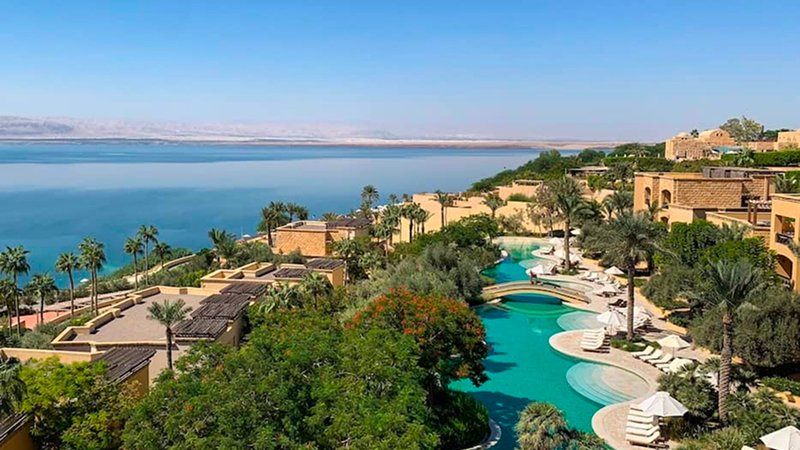
The Dead Sea offers accommodation options for every budget — from world-class five-star luxury resorts to comfortable mid-range hotels and free public beaches. No matter how you travel, there is a perfect option waiting for you on the shore.
Luxury Resorts (5-Star)
If you want the ultimate Dead Sea experience, the luxury resorts along the Jordanian shore are among the finest in the entire Middle East. These properties offer private beaches, world-class spas, multiple swimming pools, and exceptional dining — all with stunning views over the sea.
- Kempinski Hotel Ishtar Dead Sea
- Marriott Dead Sea Resort and Spa
- Hilton Dead Sea Resort and Spa
Mid-Range Options
If you want a great Dead Sea experience without the luxury price tag, the mid-range hotels deliver solid comfort, good facilities, and proper beach access at a much more reasonable cost.
- Holiday Inn Resort Dead Sea
- Ramada Resort Dead Sea
Budget and Day Visit Options
For budget travelers, several public beaches along the Dead Sea shore offer free or very cheap entry with basic facilities — and the floating experience is exactly the same as at any luxury resort. Many resorts also offer day passes ranging from 25 to 60 Jordanian Dinars, which include beach access, pool use, showers, and sometimes a meal credit. A great way to enjoy the Dead Sea without paying for an overnight stay.
What to Do at the Dead Sea
The Dead Sea is primarily a relaxation destination, but there is more to do than you might expect.
Float in the Dead Sea This is the main event. The moment you step into the salt water and feel your body rising to the surface is genuinely thrilling. The water has a silky, thick quality that feels completely different from regular seawater. Lie back, spread your arms, and let the salt do its work. Warning: do not get the water in your eyes — it stings intensely.
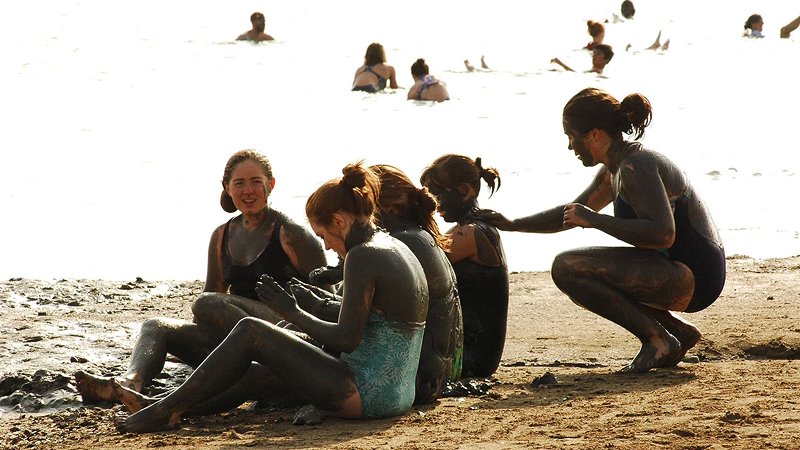
Apply the Black Mud Along the shoreline you will find deposits of the famous Dead Sea black mud. Apply it generously to your skin, let it dry in the sun for 10 to 15 minutes, then rinse off. The mud is rich in minerals and your skin will feel noticeably smoother immediately afterward. Most resorts also provide mud from dispensers for a more hygienic experience.
Spa and Wellness Treatments The luxury resorts offer some of the finest spa experiences in the Middle East. Treatments typically incorporate Dead Sea minerals, mud wraps, salt scrubs, and therapeutic massages. A morning in the Dead Sea water followed by an afternoon in the spa is the ultimate self-care experience.
Sunset Watching The sunsets over the Dead Sea are spectacular. As the sun drops behind the Judean Hills across the water, the sky turns dramatic shades of orange, pink, and purple — all reflected in the glassy surface of the sea. Plan to be on the beach around sunset. It is one of the most memorable experiences Jordan has to offer.
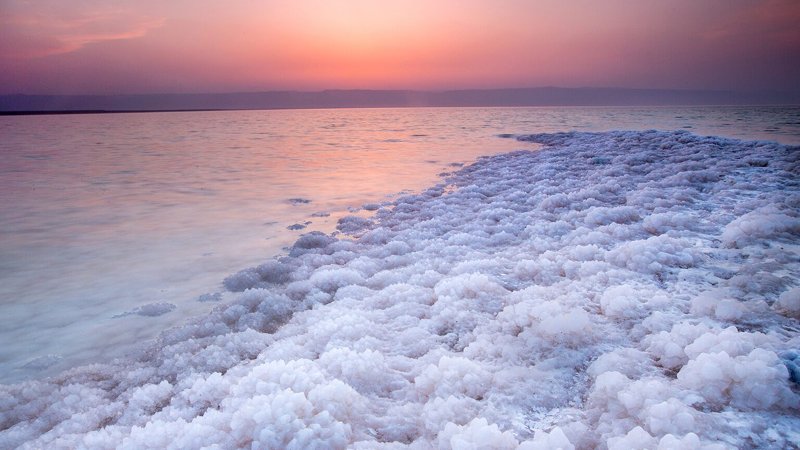
Photography The Dead Sea is extraordinarily photogenic. The vivid blue water, white salt formations along the shore, hazy mountains in the distance, and the surreal floating experience all make for stunning photographs. Golden hour offers the most magical light.
Dead Sea Mud Benefits
Dead Sea black mud is one of nature’s most powerful natural skincare treatments, used for therapeutic purposes for thousands of years — long before modern beauty science caught up with what ancient civilisations already knew.
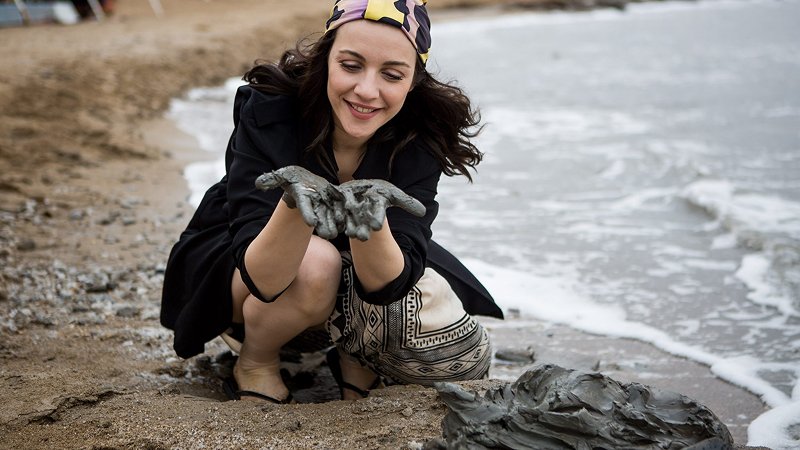
Deep Skin Cleansing The mud is packed with minerals including magnesium, calcium, potassium, zinc, and sulfur. When applied to the skin and left to dry in the sun, it draws out impurities, unclogs pores, and deeply cleanses the skin in a way no regular face wash can match.
Incredibly Soft and Hydrated Skin Magnesium helps the skin retain moisture and strengthens the skin barrier. After rinsing off the mud, most visitors are genuinely shocked by how smooth and silky their skin feels — after just one single application.
Anti-Ageing and Skin Rejuvenation The rich mineral content stimulates skin circulation, promotes cell renewal, and improves elasticity. Regular use is associated with reduced fine lines, improved skin tone, and a visibly more youthful complexion — which is exactly why Dead Sea minerals are a core ingredient in premium skincare brands worldwide.
Stress Relief and Deep Relaxation Standing in the sun covered head to toe in black mud, surrounded by one of the most surreal and peaceful landscapes on Earth, is deeply therapeutic. The high bromide content in the Dead Sea air also has natural calming properties that leave visitors feeling genuinely relaxed and restored.
Dead Sea Jordan Tips and Warnings
A few important things to know before you visit:
Do not shave before your visit. Avoid shaving, waxing, or any skin treatments for at least 24 hours before entering the Dead Sea. The salt water will find every cut and freshly shaved pore and burn intensely.
Keep water away from your face. Do not put your face in the water under any circumstances. The salt concentration is so high that it causes real discomfort and temporary vision issues if it gets in your eyes or mouth. Be especially careful with children.
Limit your time in the water. Do not stay in the Dead Sea for more than 15 to 20 minutes at a time. The high mineral concentration can be overwhelming for the body. Take breaks, rinse off, hydrate, and go back in for shorter sessions.
Wear old swimwear. The salt and minerals can discolor and damage swimwear over time. Save your best swimsuit for another occasion.
Wear water shoes. The salt formations along the shoreline are sharp and uneven underfoot. Water shoes will make walking into the water much more comfortable.
Stay hydrated. The combination of high temperatures, intense sun, and mineral water can dehydrate you quickly. Drink plenty of fresh water throughout your visit.
Apply sunscreen generously. The low elevation means UV exposure is significantly higher than at sea level. Reapply sunscreen regularly.
Rinse off immediately after swimming. Use the shower facilities to wash the salt off your skin and hair as soon as possible after exiting the water.
Nearby Attractions to Combine With Your Dead Sea Visit
The Dead Sea’s location makes it a perfect base for exploring several outstanding nearby attractions.
Mount Nebo Just 30 kilometers from the Dead Sea shore, Mount Nebo is where the Bible states Moses was granted his first and only view of the Promised Land. The summit offers sweeping views over the Jordan Valley, the Dead Sea, and on clear days all the way to Jerusalem. The drive takes about 30 to 40 minutes.
Madaba – The City of Mosaics Around 30 kilometers away, Madaba is famous for its extraordinary Byzantine-era mosaic maps. The most famous is the Madaba Map in St. George’s Church — a 6th-century mosaic floor map of the Holy Land that is one of the oldest cartographic representations of Jerusalem in existence.
Wadi Mujib Nature Reserve Known as the Grand Canyon of Jordan, Wadi Mujib is a dramatic gorge that cuts through the highlands east of the Dead Sea. The famous Siq Trail — a water-level walk through a narrow canyon — is both exhilarating and beautiful. Entry requires advance booking through the RSCN.
Zarqa Ma’in Hot Springs Located in the mountains above the Dead Sea, the Zarqa Ma’in hot springs feed a series of natural thermal pools and waterfalls reaching temperatures of up to 63°C. A Dead Sea float in the morning followed by a hot spring soak in the afternoon is an extraordinary wellness experience.
Final Thoughts
The Dead Sea is one of those rare travel experiences that genuinely cannot be replicated anywhere else on Earth. The combination of the lowest point on the planet, water so salty you float like a cork, mineral-rich mud with real therapeutic benefits, stunning desert scenery, and thousands of years of history makes this a destination that belongs on every serious traveler’s bucket list.
In 2026, Jordan’s Dead Sea offers better infrastructure, more accommodation options, and more ways to experience this natural wonder than ever before. Whether you come for a single day or a week-long wellness retreat, you will leave with memories — and possibly the smoothest skin of your life — that last long after you return home.
The Dead Sea is slowly shrinking. Every year, a little more of this ancient wonder recedes. Visit it while you can, experience its magic firsthand, and leave with a deep appreciation for one of the most extraordinary places on our remarkable planet.