
Croatia is one of those rare destinations that genuinely exceeds expectations. Ancient walled cities perched above a shimmering Adriatic Sea, emerald lakes cascading into one another inside lush national parks, sun-drenched islands with lavender fields and hidden coves — Croatia has it all. For first-time visitors, however, planning the perfect trip can feel overwhelming without the right guidance.
This complete guide is designed to simplify everything with practical and easy-to-follow Croatia travel tips. From the best places to visit and when to go, to how to get around, what to eat, budgeting, and a ready-made itinerary — you’ll find everything you need to plan your trip with confidence.
Let’s dive in.
Why Croatia Should Be on Your Travel Bucket List
Croatia sits along the eastern coast of the Adriatic Sea and has rapidly become one of Europe’s most desirable travel destinations. Its unique combination of natural beauty, cultural heritage, and affordability makes it especially appealing for first-time travelers.
Here is what makes Croatia truly special:
- Over 1,200 islands, islets, and reefs
- Eight UNESCO World Heritage Sites
- A breathtaking coastline stretching over 5,800 kilometres
- A blend of Roman, Venetian, and Mediterranean influences
- Incredible seafood and local wines
- More affordable than many Western European destinations
One of the most important Croatia travel tips to remember is that the country offers something for every type of traveler — whether you love history, beaches, food, or adventure.
Best Time to Visit Croatia
Choosing the right time to visit can completely shape your experience, and it’s one of the most essential Croatia travel tips for first-time visitors.
Peak Season: June to August
During summer, Croatia is lively and vibrant, with temperatures ranging from 28°C to 35°C. Beaches are at their best, ferry routes are fully operational, and festivals take place across the country. However, crowds are heavy and prices are at their highest.
Shoulder Season: May and September to October (Highly Recommended)
This is widely considered the best time to visit. The weather remains warm, crowds are smaller, and prices are significantly lower. September, in particular, offers an ideal balance of everything.
Low Season: November to April
Tourist areas become quieter, especially along the coast, but cities like Zagreb come alive during winter events and Christmas markets.
One of the smartest Croatia travel tips is to plan your trip in late May or September for the best overall experience.
Where to Go: Top Places to Visit in Croatia for First-Timers
Croatia’s geography makes route planning important. Following a logical path is one of the most useful Croatia travel tips to save time and energy.
1. Dubrovnik — The Pearl of the Adriatic
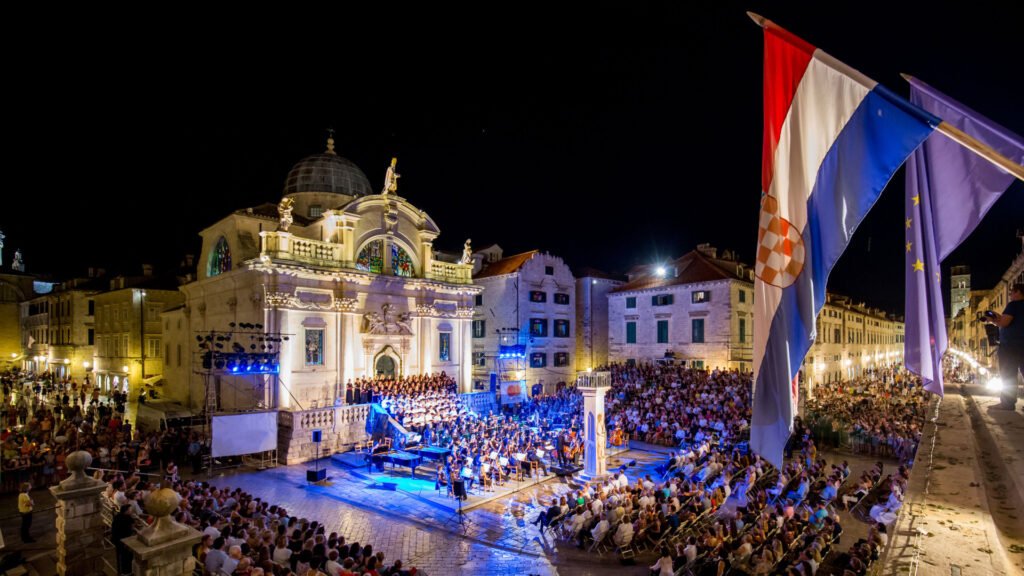
Dubrovnik is one of the most iconic destinations in Croatia. Its well-preserved medieval walls and stunning coastal views make it unforgettable.
The Old Town, a UNESCO World Heritage Site, is filled with marble streets, historic churches, and charming squares. Walking along the city walls offers breathtaking panoramic views of the Adriatic Sea.
Do not miss:
- Walking the city walls
- Exploring Stradun street
- Visiting Fort Lovrijenac
- Taking the cable car to Mount Srđ
- A day trip to Lokrum Island
A key Croatia travel tip here is to visit early in the morning to avoid crowds.
2. Split — History Meets Modern Life

Split is a vibrant city built around the ancient Diocletian’s Palace. What makes it unique is how history and modern life blend seamlessly — with cafés, shops, and homes integrated into Roman-era architecture.
Walking through Split feels like stepping into a living museum, where every corner tells a story of the past while still being part of everyday life.
Do not miss:
- Peristyle Square
- Marjan Hill viewpoints
- Riva promenade
- Nearby Klis Fortress
One of the best Croatia travel tips is to use Split as your base for island hopping.
3. Plitvice Lakes National Park — Croatia’s Natural Wonder
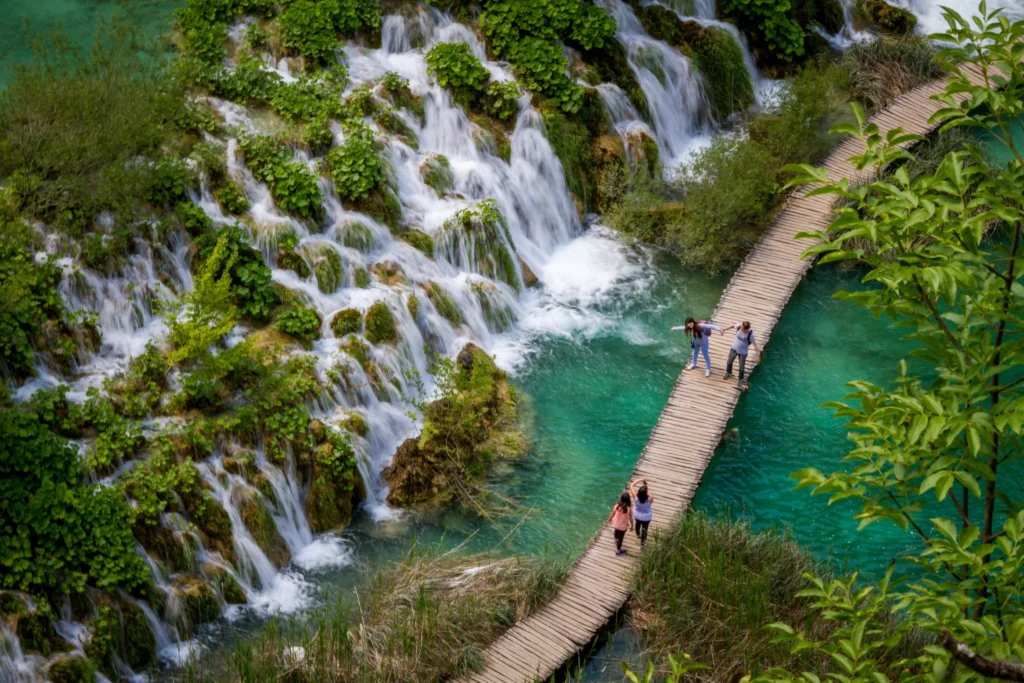
Plitvice Lakes is one of the most breathtaking natural attractions in Europe. The park features interconnected lakes and waterfalls in stunning shades of turquoise and green.
Wooden pathways allow you to explore the park up close, creating an immersive experience in nature that feels almost unreal.
Do not miss:
- Upper and Lower Lakes trails
- Scenic wooden walkways
- Boat ride across the lakes
- Waterfall viewpoints
Among all Croatia travel tips, this is crucial: arrive early, as the park gets crowded quickly.
4. Hvar — The Glamorous Island
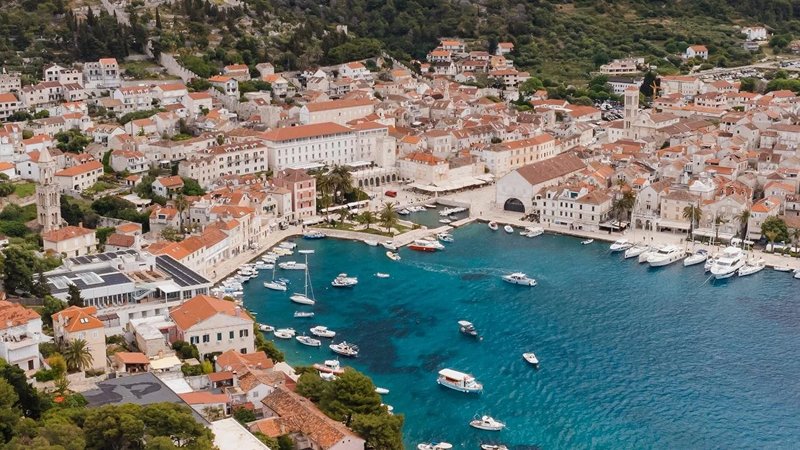
Hvar is Croatia’s most famous island, known for its crystal-clear waters, lively nightlife, and scenic beauty. The town itself is vibrant and elegant, with a harbor filled with yachts and historic buildings that reflect its rich past.
Beyond the nightlife, Hvar offers peaceful landscapes, lavender fields, and hidden beaches that many visitors overlook.
Do not miss:
- Hvar Town square and harbor
- Fortica Fortress views
- Pakleni Islands
- Hidden beaches
- Lavender fields
One of the most practical Croatia travel tips is to stay overnight in Hvar to experience both its lively evenings and calm mornings.
5. Za dar — Sunsets and Sea Organs
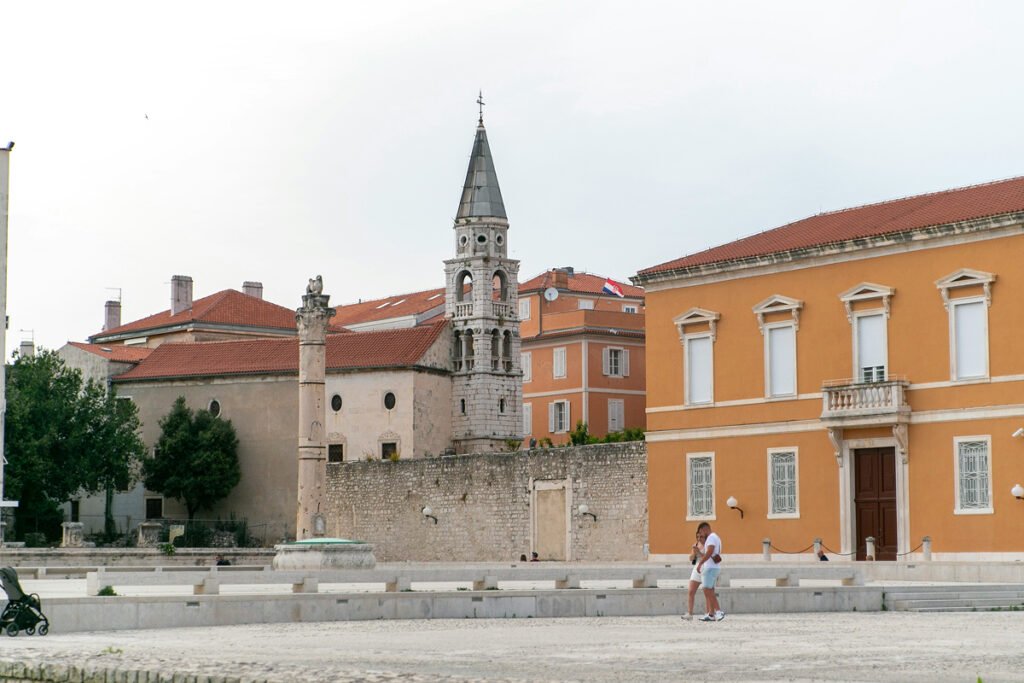
Zadar is a unique coastal city that blends ancient history with modern innovation. Its Old Town is filled with Roman ruins and historic churches, while its waterfront features creative installations that make it stand out.
The Sea Organ produces music from ocean waves, and the Sun Salutation creates a stunning light display at sunset.
Do not miss:
- Sea Organ
- Sun Salutation
- Roman Forum
- St. Donatus Church
- Sunset views
A great Croatia travel tip is to plan your visit around sunset — it’s truly unforgettable.
6. Rovinj — The Gem of Istria
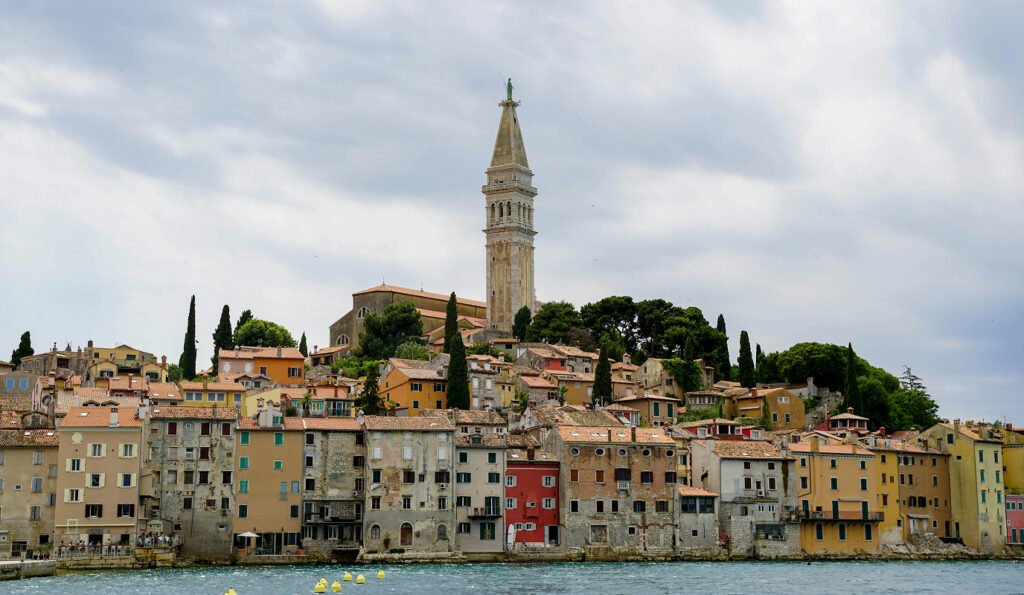
Rovinj is one of the most picturesque towns in Croatia, known for its colorful buildings and romantic atmosphere. The town rises from the sea and leads up to a hilltop church, offering incredible views.
It’s a perfect place for slow travel, where you can explore at your own pace and enjoy the surroundings.
Do not miss:
- Church of St. Euphemia
- Old Town streets
- Rovinj harbor
- Coastal paths
- Local food experiences
One of the best Croatia travel tips is to take your time in Rovinj and explore beyond the main streets.
7. Korčula — A Relaxed Island Escape
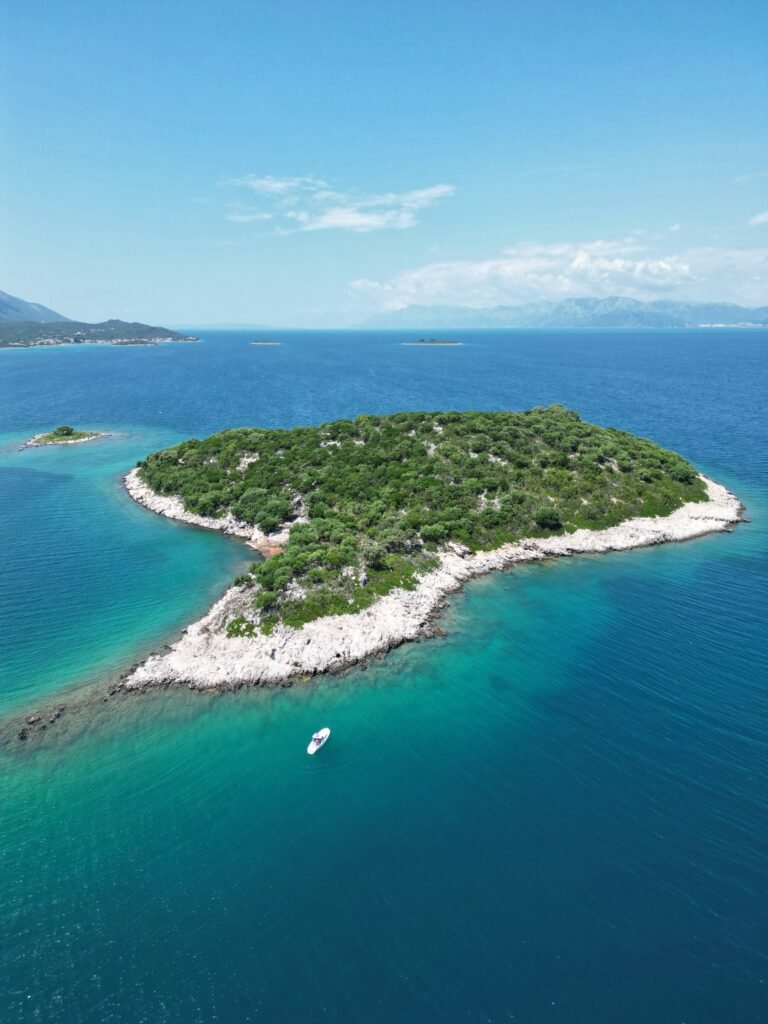
Korčula offers a quieter alternative to more crowded islands, making it perfect for travelers seeking a peaceful experience. Its medieval Old Town is charming and less touristy, giving you a more authentic feel of Croatia.
The island is also known for its wine and cultural traditions.
Do not miss:
- Korčula Old Town
- St. Mark’s Cathedral
- Local wineries
- Beaches
- Cultural performances
A valuable Croatia travel tip is to include Korčula if you want a relaxed and less crowded island experience.
How to Get to Croatia
By Air Flying is the easiest way to reach Croatia for international visitors. The main airports are:
- Zagreb Airport — the largest, with the most international connections
- Split Airport — ideal for the Dalmatian coast
- Dubrovnik Airport — best for starting your trip in the south
- Zadar Airport — convenient for central Dalmatia
- Pula Airport — gateway to Istria
Airlines including Croatia Airlines, Ryanair, easyJet, British Airways, Lufthansa, and many others operate routes to Croatia from across Europe, the Middle East, and beyond.
By Land Croatia is accessible by bus or car from neighbouring Slovenia, Hungary, Bosnia and Herzegovina, and Serbia. Train connections exist but are slower and less convenient for most routes.
Visa Requirements Croatia joined the Schengen Area in January 2023. EU and EEA citizens can travel freely. Citizens of many countries including the USA, UK, Australia, Canada, and India can enter visa-free for up to 90 days within a 180-day period. Always check current requirements with your country’s consulate before travelling.
What to Eat and Drink in Croatia
Croatian cuisine is a celebration of fresh, local ingredients shaped by both Mediterranean and Central European influences.
Must-Try Foods:
- Peka — Meat or seafood slow-cooked under a bell-shaped lid with vegetables. One of the most beloved traditional dishes, especially in Dalmatia. Must be ordered 24 hours in advance at most restaurants.
- Black Risotto (Crni Rižot) — Risotto made with cuttlefish ink, squid, and olive oil. Rich, briny, and deeply satisfying.
- Pasticada — A slow-braised beef dish marinated in wine and prunes, served with gnocchi. A Dalmatian classic.
- Brudet — A fisherman’s stew made from whatever is freshest that day, served with polenta.
- Istrian Truffles — White and black truffles from the forests around Motovun are world-class and surprisingly affordable compared to Italian truffle prices.
- Strukli — A baked pastry filled with cottage cheese, popular in Zagreb and northern Croatia.
Must-Try Drinks:
- Pošip and Grk — Crisp, dry white wines from Korčula and the Dalmatian islands.
- Plavac Mali — A bold, tannic red wine from the Pelješac peninsula, often compared to Zinfandel.
- Rakija — A potent fruit brandy that you will be offered as a welcome drink at many restaurants and homes. Common varieties include loza (grape), šljivovica (plum), and medica (honey).
- Craft Beer — Croatia has a booming craft beer scene, especially in Zagreb and Split.
Final Thoughts: Your First Trip to Croatia Awaits
Croatia is the kind of destination that stays with you long after you have returned home. The smell of the Adriatic, the taste of freshly grilled fish drizzled in olive oil, the echo of footsteps on ancient marble streets — it gets under your skin.
As a first-time visitor, the key is not to rush. Croatia rewards those who slow down, linger over a glass of local wine, take the longer coastal road, and chat with the locals. Plan carefully, book early if you are going in summer, and leave room for the unexpected.
Your Croatian adventure is waiting. All you have to do is go.