
If there’s one adventure that defines a trip to Guatemala, it’s the overnight hike up Volcán Acatenango. Standing at 3,976 metres (13,045 feet), this towering giant sits right next to the constantly erupting Volcán de Fuego — and watching red-hot lava explode into the night sky from your campsite is something you will never, ever forget.
This guide covers absolutely everything you need to know: how to get there, guided tours vs. self-guided, what to pack, how hard the hike really is, costs, and insider tips for getting the most out of this bucket-list experience.
Why Hike Volcán Acatenango?
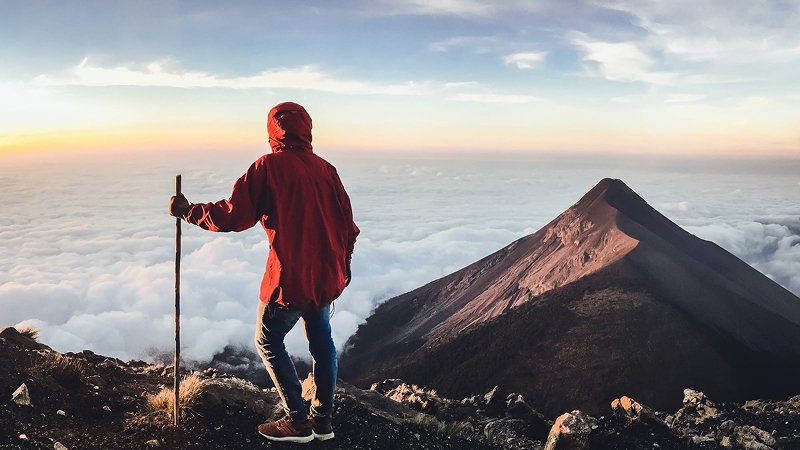
Acatenango is not just another volcano hike. It is widely considered one of the best overnight treks in all of Central America — and here’s why:
- You camp just 1 kilometre from an active volcano that erupts every 20–40 minutes
- The summit offers a 360-degree view of eight volcanoes on a clear day
- Watching Fuego erupt at night, with glowing lava lighting up the clouds, is a once-in-a-lifetime sight
- The sunrise from the summit is jaw-droppingly beautiful
- It’s accessible as a day trip from the colonial city of Antigua
Whether you’re a seasoned trekker or a first-time hiker pushing your limits, Acatenango delivers.
When Is the Best Time to Hike Acatenango?
The dry season (November to April) is the best time to hike Acatenango. During these months you’ll enjoy clearer skies, better Fuego views, and significantly less mud on the trail.
Avoid the rainy season (May to October) if possible. Heavy rains make the trail dangerously slippery, visibility drops dramatically, and you may reach the summit only to find yourself surrounded by clouds. That said, some hikers do tackle it year-round — just be prepared for wet and muddy conditions.
The coldest months are December and January, when temperatures at the summit can drop to -5°C (23°F). Pack accordingly.
Pro tip: Aim to start your hike in the late afternoon (around 1–2 PM) so you arrive at base camp just before sunset — giving you the full experience of Fuego erupting at dusk and then again at night.
Guided Tour vs. Self-Guided: Which Should You Choose?
This is one of the most common questions travellers ask. Here’s an honest comparison:
Going with a Guided Tour (Recommended for Most)
Most hikers opt for a guided tour, and for good reason. Reputable tour operators based in Antigua handle all logistics — transport from Antigua, camping gear rental, food, park entry fees, and a knowledgeable local guide.
Pros:
- Gear (tent, sleeping bag, hiking poles) is included or available to rent
- A guide keeps you on the right trail — it’s easier to get lost than you’d think
- Meals are cooked for you at base camp
- Much safer, especially in poor weather
- Great for solo travellers looking to meet people
Cons:
- Less freedom on timing
- More expensive than self-guided
- Groups can be large and noisy
Cost: Typically $35–$60 USD per person, including transport, park entry, guide, camping gear, and meals.
Going Self-Guided
Self-guided hiking is possible and significantly cheaper, but it requires more preparation.
Pros:
- Cheaper (you only pay for transport, park entry ~$10–15 USD, and your own gear)
- Go at your own pace
- More flexibility
Cons:
- You need to bring ALL your own gear (tent, sleeping bag rated to -10°C, stove, food, layers)
- Trail is not always clearly marked
- No one to help in an emergency
- More physically demanding without support
Verdict: If it’s your first time and you don’t own cold-weather camping gear, go with a tour. If you’re an experienced hiker with the right kit, self-guided is very doable.
How Hard Is the Hike?
Let’s be honest: Acatenango is tough. This is not a leisurely stroll. The trail gains over 1,500 metres of elevation, the terrain alternates between loose volcanic ash (which makes every step feel like you’re sliding backwards), rocky switchbacks, and pine forest.
The ascent takes approximately 4–6 hours depending on your fitness level and pace. The final push to the summit from base camp (done at around 5 AM to catch sunrise) is another 1–2 hours and involves hiking through soft ash and extremely cold, thin air.
That said, thousands of hikers of all fitness levels do this trek every month. You don’t need to be an athlete. You do need to be prepared to take it slow, breathe through the altitude, and push yourself when it gets hard.
Tips to make it easier:
- Acclimatise in Antigua (at 1,530 m) for at least 1–2 days before hiking
- Take regular breaks — there’s no prize for going fast
- Use trekking poles — they make a massive difference on the loose ash
- Eat a good meal before you start
- Stay well hydrated throughout
The Hike: What to Expect Step by Step
Getting to the Trailhead
Most hikers depart from Antigua. Guided tours include a shuttle from your hostel or meeting point. If self-guided, you’ll need to take a chicken bus or tuk-tuk to the village of La Soledad, which sits at the trailhead.
The drive from Antigua takes approximately 45 minutes to 1 hour.
Stage 1: Trailhead to Treeline (1–1.5 hours)
The hike begins at around 2,450 metres through farmland and corn fields. The trail is relatively straightforward here but immediately begins climbing steeply. Take your time and find your rhythm.
Stage 2: Treeline to Base Camp (2.5–4 hours)
This is the hardest section. You enter dense pine forest and the trail becomes relentless — steep, loose, and seemingly never-ending. This is where most hikers start to feel the altitude. Keep going at a slow, steady pace and rest whenever you need to.
Views of Fuego begin to appear through gaps in the trees. The sound of distant eruptions will push you forward.
Base camp sits at approximately 3,400 metres and is a flat clearing with stunning direct views of Fuego. This is where you pitch your tent, eat dinner, wrap yourself in every layer you own, and watch the show.
Fuego eruptions at base camp at night are extraordinary. You’ll see deep red and orange lava glowing against the dark sky, hear the deep booming rumble of each eruption, and feel the faint vibration through the ground. Keep your camera ready.
Stage 3: Base Camp to Summit (1–2 hours)
Wake up at around 4–4:30 AM for the summit push. This section involves hiking through deep, loose ash — it’s cold, dark, and exhausting. Your guide will lead the way. The final ridge is exposed and steep, but the views begin to open up dramatically.
Arrive at the summit just before dawn for a sunrise you will never forget. On a clear day you can see Volcán Fuego, Volcán Agua, Volcán Santiaguito, and on the clearest days, even Volcán Tajumulco — the highest peak in Central America.
Stage 4: Descent (2–3 hours)
The descent is faster but hard on the knees. The loose ash means you can “ski” down sections quickly, but take care — ankle rolls are common. Trekking poles are invaluable here.
Cost Breakdown: How Much Does Acatenango Cost?
| Expense | Guided Tour | Self-Guided |
|---|---|---|
| Tour / transport | $35–$60 | $5–$10 (chicken bus/tuk-tuk) |
| Park entry fee | Included | ~$10–$15 |
| Camping gear rental | Included | $15–$25 (if renting in Antigua) |
| Food at camp | Included | $5–$10 |
| Total estimate | $35–$60 | $35–$60 |
Interestingly, the cost often works out similarly once you factor in gear rental and food. The guided tour is generally better value for most travellers.
Where to Stay in Antigua Before the Hike
Antigua is the perfect base for the Acatenango trek, and it deserves at least 2–3 days of exploration on its own.
Budget: Yellow House Hostel, Tropicana Hostel Mid-range: Hotel Circe, Casa Encantada Splurge: Porta Hotel Antigua, Palacio de Doña Leonor
Book accommodation in advance during peak season (December–January and July–August) as Antigua fills up fast.
Is the Acatenango Hike Safe?
Generally, yes — Acatenango is considered safe for tourists. That said, there are a few things to keep in mind:
- Weather can change fast. Afternoon thunderstorms are common in rainy season. If you see lightning approaching, do not attempt the summit.
- Altitude sickness is real. Some hikers experience headaches, nausea, and dizziness. If symptoms are severe, descend immediately.
- Fuego is unpredictable. While the viewing distance from base camp is considered safe, always follow your guide’s instructions.
- Stick to the main trail. Stray paths can lead into more dangerous volcanic territory.
- Go with a reputable operator. Check reviews on Google and TripAdvisor before booking any tour.
Overall, with the right preparation and a good tour operator, the hike is very safe and done by thousands of travellers every year.
Final Thoughts: Is Acatenango Worth It?
Absolutely, unequivocally, yes.
The Acatenango overnight trek is hard. Your legs will hurt. You will be cold. You will question yourself somewhere around hour three of the ascent. And then you will stand at base camp watching molten lava shoot into the pitch-black sky from a volcano just one kilometre away, and every single step will be worth it.
This is the kind of experience that travel is made for. If you are visiting Guatemala and only do one adventure, make it this one.