
An honest, no-filter guide to Guatemala’s most brutal and beautiful hike
You’ve seen the Instagram photos — a tent silhouetted against a glowing volcano, ash drifting through dawn light. What you haven’t seen is the hiker next to that tent, completely wrecked, wondering why no one warned them.
This is that warning. And this is also the guide that will make Acatenango the best thing you’ve ever done.
Acatenango (3,976 m / 13,045 ft) is one of Guatemala’s highest and most active volcanoes. It sits shoulder-to-shoulder with Volcán de Fuego — one of the world’s most active volcanoes — and overnight hikers are treated to eruptions of lava and ash throughout the night. It sounds incredible. It is incredible. But the hike there? That part is genuinely, relentlessly hard.
1. The Altitude Will Humble You — Even If You’re Fit
This is the thing most blogs gloss over. Acatenango’s base camp sits at around 3,700 m. Most hikers start from La Soledad at roughly 2,400 m. That’s a 1,300 m elevation gain — steep, loose, and relentless — and the altitude hits differently here than at sea level.
What actually happens:
- Shortness of breath kicks in around 3,000 m, even during slow walking.
- Headaches are extremely common on the first night at camp.
- Nausea affects a significant portion of hikers — don’t be embarrassed if it hits you.
- The final push to the summit (done pre-dawn) is at 3,976 m and feels like hiking in soup.
Pro tip: Spend at least one night in Antigua (2,316 m) before hiking. Take it slow, drink 3–4 litres of water the day before, and don’t push through severe symptoms. Altitude sickness is no joke.
2. Cold That Cuts to the Bone
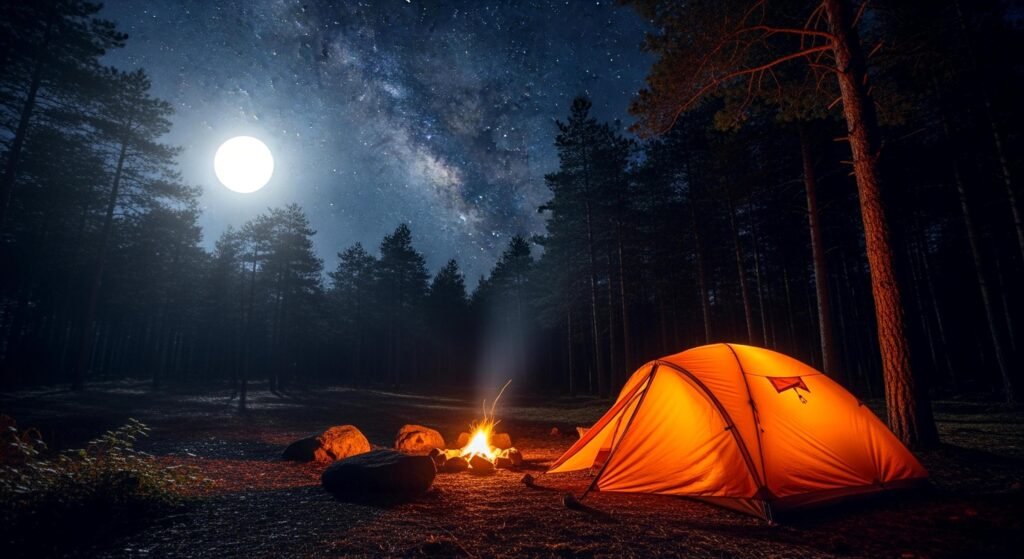
Guatemala = tropical country, right? Wrong — at least at this elevation. Temperatures at base camp regularly drop below freezing at night. Factor in wind chill (which can be brutal at the summit), and hikers wearing ‘warm’ gear bought in Antigua markets have a miserable night.
What to actually pack:
- Thermal base layer (top and bottom) — non-negotiable.
- Fleece mid-layer plus a wind/waterproof shell.
- Insulated gloves, beanie, and buff/neck gaiter.
- Sleeping bag rated to at least -5°C (most tour operators supply these, but check first).
- Wool or synthetic hiking socks — cotton socks are a terrible idea.
Pro tip: Rent gear in Antigua rather than buying cheap items at markets. Most tour operators offer rental packages — it’s worth the extra Q50–Q100.
3. The Trail Is Harder Than Any Description Prepares You For
The hike to base camp takes 4–6 hours depending on fitness and altitude acclimatisation. The trail is steep, covered in loose volcanic ash and pine needles, and almost entirely lacks shade. There are no flat sections. There are no easy switchbacks. It just… goes up.
The trail breakdown:
- First hour: Through farmland and pine forest. Deceptively manageable.
- Hours 2–3: Gradient increases significantly. The ash surface makes every step feel like 1.5 steps.
- Hours 3–4: You break out of treeline. Wind picks up. Views arrive. So does the suffering.
- Final 30 min to camp: Pure grind. Poles help enormously here.
Pro tip: Rent trekking poles — ideally two. They make the descent significantly easier on your knees, and the ascent less punishing overall. No one who brought poles ever regretted it.
4. Fuego Erupts All Night — And It’s Overwhelming
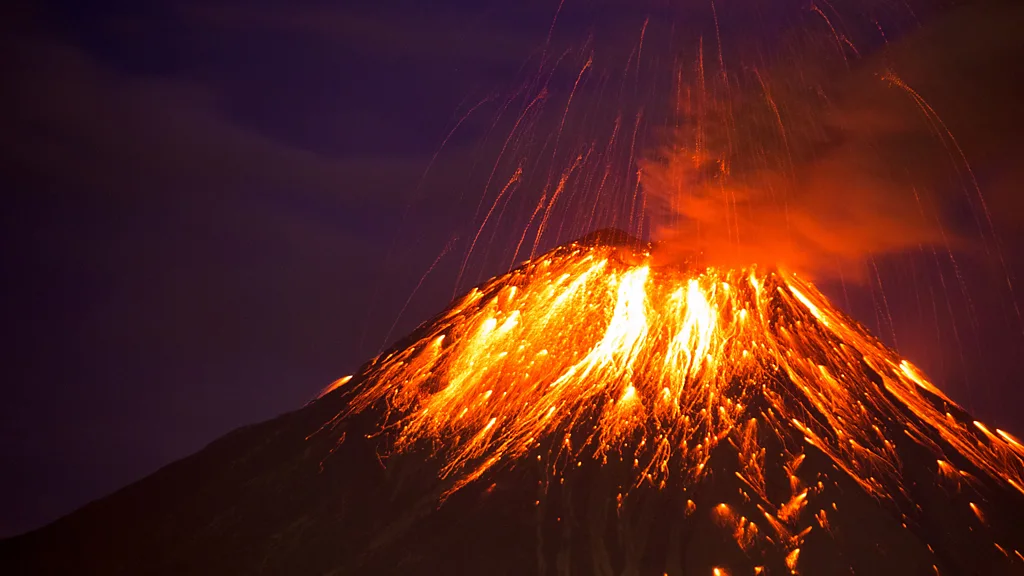
Here’s the part no one adequately describes: sitting at base camp watching Fuego erupt is genuinely, viscerally awe-inspiring. Depending on activity levels, you may witness eruptions every 15–45 minutes — columns of ash and rock shooting hundreds of metres into the air, glowing lava visible after dark, and deep rumbles you feel in your chest.
What you’re not told: it’s also genuinely unnerving. The first time you hear a roar and look up to see fire pouring down a mountainside 2 km away, your lizard brain does not immediately think ‘beautiful.’ It thinks ‘run.’ That feeling fades — and turns into something profound — but give yourself time to process it.
Pro tip: Set an alarm for 2–3 AM. Eruptions after midnight, when the sky is darkest, are the most dramatic. Bring a headlamp with red-light mode so you don’t kill your night vision.
5. Most People Skip the Summit — Don’t Be Most People
The official summit push begins around 4 AM, after a few hours of fitful sleep in freezing temperatures. At this point, your body will generate very compelling arguments for staying in the sleeping bag. A significant number of hikers listen to those arguments.
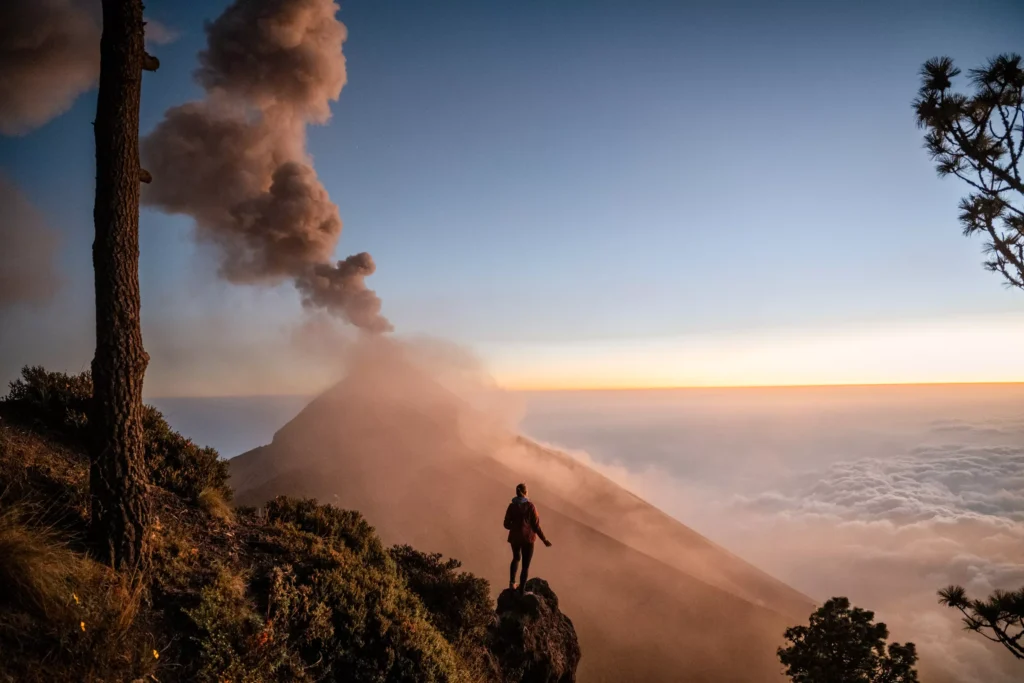
Don’t. The summit is where Acatenango reveals its true self. At 3,976 m, above the clouds, with Fuego to your left and Guatemala City glittering far below, the view is genuinely one of the most spectacular things Central America has to offer. Many hikers describe it as a life-altering moment.
Pro tip: Eat a small snack before the summit push — a granola bar and some water. Your body needs fuel even if you’re not hungry. Warm gloves and face protection are critical; the wind at the summit is ferocious.
6. Tour vs. Independent: A Nuanced Answer
Most blogs say ‘go with a tour’ and leave it there. Here’s the more honest version:
Go with a reputable tour if: you want gear (sleeping bags, tents, poles) included, food provided at camp, a guide who knows the weather patterns, and the social experience of hiking with others. OX Expeditions and Wicho & Charlie’s are among the most consistently recommended operators.
Go independently if: you’re experienced at altitude hiking, you have all your own gear, and you’ve hired a local guide separately (required in some permit zones). This is significantly cheaper but requires more planning.
Cost range: Q350–Q550 (roughly $45–$70 USD) for a full overnight tour including transport from Antigua, gear, meals, and guide. Budget tours at Q200 exist — read reviews carefully before booking.
7. The Small Things That Actually Matter
- Diamox: If you’re concerned about altitude sickness, talk to a doctor about Acetazolamide before your trip. It genuinely helps many people acclimatise faster.
- Snacks: Bring more than you think. Chocolate, nuts, dried fruit — calorie-dense, packable, and morale-saving at 3,800 m.
- Cash only: There are no card payments at base camp. Bring enough Quetzales for tips (Q50–Q100 per guide is customary) and any extras.
- Sunrise timing: The summit push is timed to reach the top just before dawn. Clouds often build by mid-morning, so the early start earns you clear views.
- The descent: Going down is fast — some hikers reach the base in 2 hours by running/sliding down the ash trails. Your knees will know about it the next day.
- Phone battery: Cold kills batteries fast. Keep your phone in an inner pocket close to your body overnight.
When to Go
The dry season (November–April) offers the clearest skies and most reliable conditions. The peak months of December and January can be bitterly cold but reward you with crystalline views. The wet season (May–October) brings cloud and rain that can obscure Fuego entirely — a heartbreaking outcome after all that effort. If you’re flexible, aim for November–February for the sweet spot of clear skies and manageable temperatures.
Quick Reference: Acatenango at a Glance
| Detail | Info |
| Summit Elevation | 3,976 m / 13,045 ft |
| Hike Duration (up) | 4–6 hours to base camp |
| Difficulty | Strenuous (altitude + gradient) |
| Best Season | November – April (dry season) |
| Typical Tour Cost | Q350–Q550 (~$45–$70 USD) |
| Starting Point | La Soledad village (~2,400 m) |
| Starting Point | Can drop below 0°C at camp |
| Recommended Gear | Thermals, shell, poles, headlamp |
Final Thoughts: Is It Worth It?
Yes. Unreservedly, unconditionally yes.
Acatenango is the kind of experience that recalibrates you. Not in a clichéd way — in a very physical, very real way. You suffer, you sleep badly, you’re cold, your lungs protest. And then the sun rises over the crater rim and Fuego rumbles awake beside you, and you understand, with absolute clarity, why people come here from all over the world.
Go prepared. Go knowing it will be hard. Go anyway.