
If there is one destination on Earth that makes history feel alive, it is the Valley of the Kings in Luxor, Egypt. Hidden beneath the golden desert cliffs on the west bank of the Nile, this ancient burial ground holds the secrets of Egypt’s most powerful pharaohs. From the legendary tomb of Tutankhamun to the breathtaking painted walls of Ramesses VI, a visit here is nothing short of extraordinary.
Whether you are a history enthusiast, an adventure traveler, or simply someone who wants to experience one of the greatest wonders of the ancient world, this complete travel guide to the Valley of the Kings will tell you everything you need to know before you go.
What Is the Valley of the Kings?
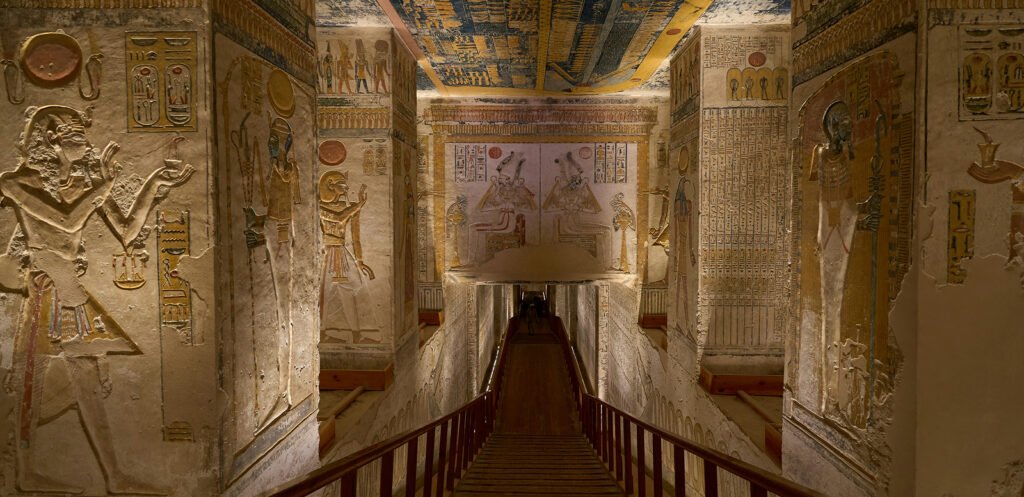
The Valley of the Kings, known in Arabic as Wadi el-Muluk, is an ancient necropolis located on the west bank of the Nile River near Luxor, Egypt. For over 500 years, from approximately 1550 BCE to 1070 BCE, this valley served as the royal burial ground for the pharaohs and powerful nobles of the New Kingdom period.
Archaeologists have discovered more than 63 tombs in this valley, ranging from simple single-chamber pits to elaborate multi-room complexes stretching deep into the rock. The walls of these tombs are decorated with vivid hieroglyphics, religious texts, and stunning paintings that have survived thousands of years.
In 1979, the Valley of the Kings was designated a UNESCO World Heritage Site as part of the ancient Theban Necropolis, recognizing its extraordinary universal value to human history.
Why Visit the Valley of the Kings?
There are few places in the world that offer such a direct connection to ancient civilization. Here is why the Valley of the Kings deserves a top spot on your Egypt itinerary:
- You will walk through tombs that are over 3,000 years old
- The painted walls and hieroglyphics are remarkably well preserved
- It is home to the world-famous tomb of Tutankhamun
- The sheer scale and artistry of the tombs is awe-inspiring
- It is located close to other iconic Luxor landmarks, making it easy to combine with a full day of sightseeing
History of the Valley of the Kings
The pharaohs of the New Kingdom chose this remote desert valley for a very practical reason. The towering pyramid-shaped peak known as Al-Qurn, meaning “The Horn,” naturally dominated the landscape and was believed to be sacred. The valley’s isolation also made it easier to guard against tomb robbers.
The first pharaoh to be buried here is believed to be Thutmose I, around 1506 BCE. Over the following five centuries, more than 60 rulers and nobles were laid to rest in this valley, including some of Egypt’s most celebrated rulers such as Seti I, Ramesses II, and Ramesses III.
Despite the elaborate security measures taken by the ancient Egyptians, nearly all of the tombs were looted in antiquity. The one remarkable exception was the tomb of the young pharaoh Tutankhamun, discovered almost completely intact by British archaeologist Howard Carter in 1922. This discovery sent shockwaves around the world and remains one of the greatest archaeological finds in history.
History of the Valley of the Kings
The pharaohs of the New Kingdom chose this remote desert valley for a very practical reason. The towering pyramid-shaped peak known as Al-Qurn, meaning “The Horn,” naturally dominated the landscape and was believed to be sacred. The valley’s isolation also made it easier to guard against tomb robbers.
The first pharaoh to be buried here is believed to be Thutmose I, around 1506 BCE. Over the following five centuries, more than 60 rulers and nobles were laid to rest in this valley, including some of Egypt’s most celebrated rulers such as Seti I, Ramesses II, and Ramesses III.
Despite the elaborate security measures taken by the ancient Egyptians, nearly all of the tombs were looted in antiquity. The one remarkable exception was the tomb of the young pharaoh Tutankhamun, discovered almost completely intact by British archaeologist Howard Carter in 1922. This discovery sent shockwaves around the world and remains one of the greatest archaeological finds in history.
Must-Visit Tombs in the Valley of the Kings
Not all tombs are open at the same time, and your standard entry ticket includes access to three tombs. Here are the most unmissable ones:
1. Tomb of Tutankhamun (KV62)
This is the most famous tomb in the valley. Although smaller than most royal tombs, it is the only one discovered with its treasures largely intact. The golden sarcophagus and the mummy of Tutankhamun are still housed here. Note that entry requires a separate ticket.
2. Tomb of Ramesses VI (KV9)
One of the largest and most visually stunning tombs in the valley. The ceiling is painted with a spectacular astronomical chart showing the journey of the sun and stars. This tomb is widely regarded as one of the best-preserved in the entire valley.
3. Tomb of Seti I (KV17)
Often described as the most beautiful tomb in the Valley of the Kings, the tomb of Seti I is a masterpiece of ancient Egyptian art. The walls are covered in extraordinarily detailed paintings and relief carvings. Entry requires a separate ticket but is absolutely worth it.
4. Tomb of Ramesses III (KV11)
This is one of the longest tombs in the valley and features some wonderfully detailed wall paintings showing scenes of daily life, musicians, and food offerings. It is also one of the most accessible tombs for visitors.
5. Tomb of Merenptah (KV8)
The tomb of Merenptah, son of Ramesses II, is another impressive and largely overlooked gem. It descends steeply into the earth and features beautifully carved reliefs along its long corridors.
How to Get to the Valley of the Kings
The Valley of the Kings is located on the west bank of the Nile, approximately 7 kilometres from central Luxor. Here are the main ways to get there:
By Taxi or Private Car The most convenient option. A private car or taxi from central Luxor takes about 20 to 30 minutes. Always agree on the price before getting in.
By Organized Tour Many hotels and travel agencies in Luxor offer half-day or full-day tours to the valley, often combined with visits to the Colossi of Memnon and the Temple of Hatshepsut.
By Bicycle For the adventurous traveler, cycling from Luxor is a popular option. You can rent bikes near the Luxor ferry crossing, take the local ferry to the west bank, and cycle the rest of the way.
By Local Minibus Affordable shared minibuses run from the west bank ferry landing to the valley, making this a great budget option.
Entry Tickets and Prices
Ticket prices are subject to change, so always verify before your visit. As a general guide:
- Standard ticket (includes access to 3 tombs): approximately 240 EGP for foreigners
- Tomb of Tutankhamun (KV62): separate ticket required, approximately 300 EGP
- Tomb of Seti I (KV17): separate ticket required, approximately 1,000 EGP
- Tram inside the valley: approximately 10 EGP (optional, the walking distance is manageable)
Tickets are purchased at the visitor centre at the entrance to the valley, not at the individual tombs.
Best Time to Visit the Valley of the Kings
October to April is the ideal time to visit Luxor and the Valley of the Kings. During these months the weather is cooler and far more comfortable for exploring outdoor and underground sites.
May to September brings intense heat, with temperatures regularly exceeding 40°C. If you must visit during summer, go very early in the morning and carry plenty of water.
Early morning is always the best time of day to visit, regardless of the season. The valley opens at 6:00 AM and arriving early means fewer crowds, cooler temperatures, and better lighting inside the tombs.
Final Thoughts
The Valley of the Kings is not just a tourist attraction. It is a window into one of the most remarkable civilizations our world has ever known. Standing inside a tomb that was sealed for over three thousand years, surrounded by art and symbols that ancient hands painted to guide a pharaoh into the afterlife, is an experience that stays with you long after you leave Egypt.
If you are planning a trip to Egypt, do not leave without making Luxor and the Valley of the Kings a central part of your itinerary. It will, without question, be one of the most memorable experiences of your life.