
Egyptian cuisine is a rich reflection of the country’s long history, diverse geography, and deep-rooted traditions. Influenced by ancient Egyptian practices, Middle Eastern flavors, Mediterranean ingredients, and North African cooking styles, Egypt’s food is hearty, flavorful, and deeply comforting. From street-side snacks to home-cooked meals passed down through generations, Egyptian dishes offer travelers an authentic taste of everyday life.
This guide explores the must-try traditional dishes of Egypt, explaining what they are, how they’re prepared, and why they matter culturally.
Understanding Egyptian Food Culture
Egyptian cuisine is built around simple, affordable ingredients such as legumes, vegetables, grains, and herbs. Bread is central to nearly every meal, and many dishes are vegetarian-friendly due to the historic reliance on plant-based foods. Meals are often shared, emphasizing family, hospitality, and community.
Spices are used gently rather than overpoweringly, allowing natural flavors to shine. Common seasonings include cumin, coriander, garlic, onion, dill, and parsley.
Must-Try Traditional Egyptian Dishes
Koshari – Egypt’s National Comfort Food
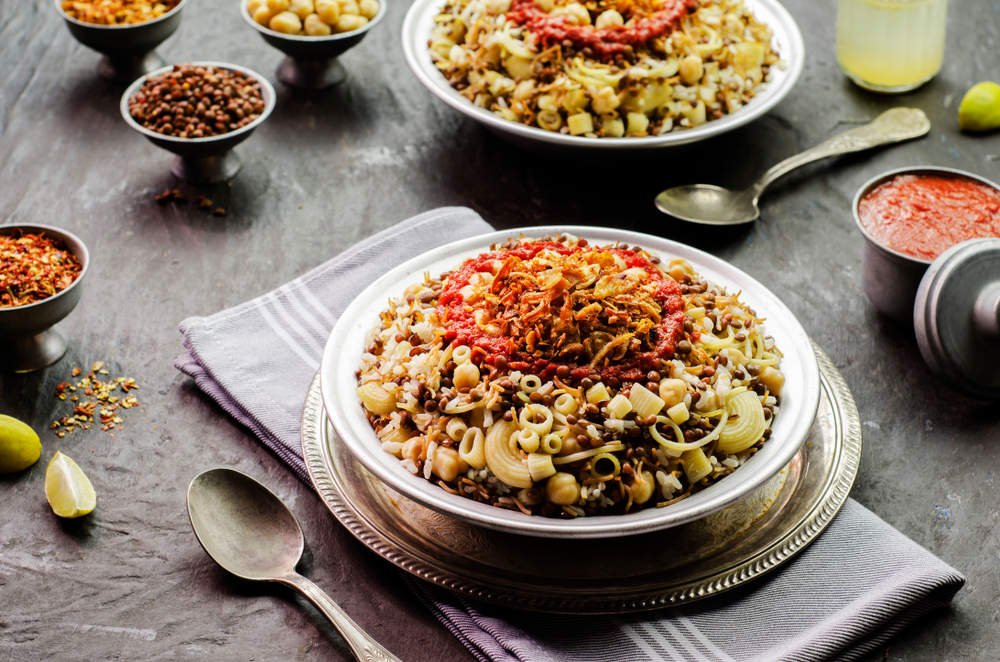
Koshari is widely regarded as Egypt’s national dish and a true symbol of everyday Egyptian life. This hearty vegetarian meal combines rice, lentils, macaroni, and chickpeas, topped with crispy fried onions and a tangy tomato sauce. It’s finished with garlic vinegar and optional chili sauce for heat.
Why it’s special:
- Affordable, filling, and loved by all social classes
- Reflects Egypt’s multicultural culinary influences
- Commonly eaten for lunch or dinner
You’ll find koshari everywhere—from humble street stalls to dedicated restaurants.
Ful Medames – A Breakfast Staple
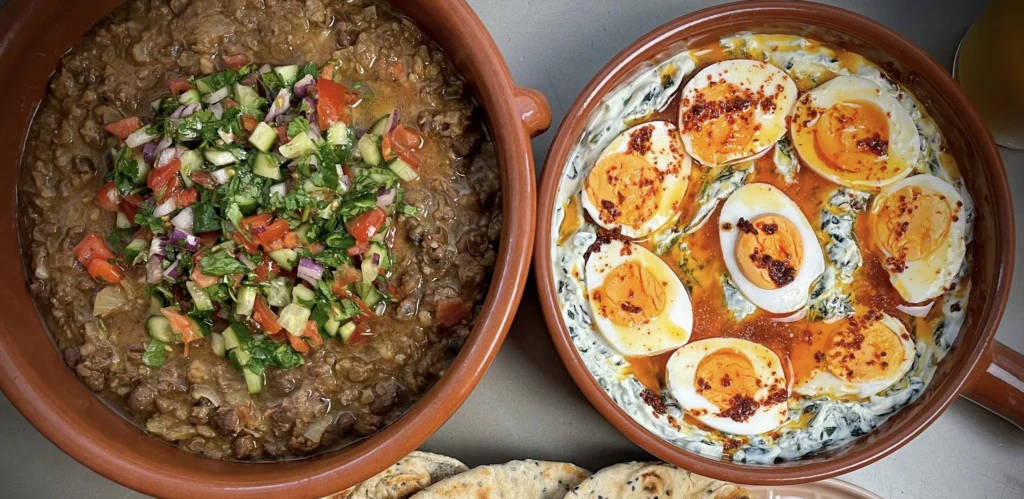
Ful medames is one of the oldest known dishes in the world, with roots going back to ancient Egypt. It consists of slow-cooked fava beans seasoned with olive oil, garlic, lemon juice, and cumin.
Often served with:
- Baladi bread (Egyptian flatbread)
- Fresh vegetables
- Hard-boiled eggs or falafel
Ful is a daily breakfast food for millions of Egyptians and a perfect introduction to local flavors.
Ta’ameya – Egyptian Falafel
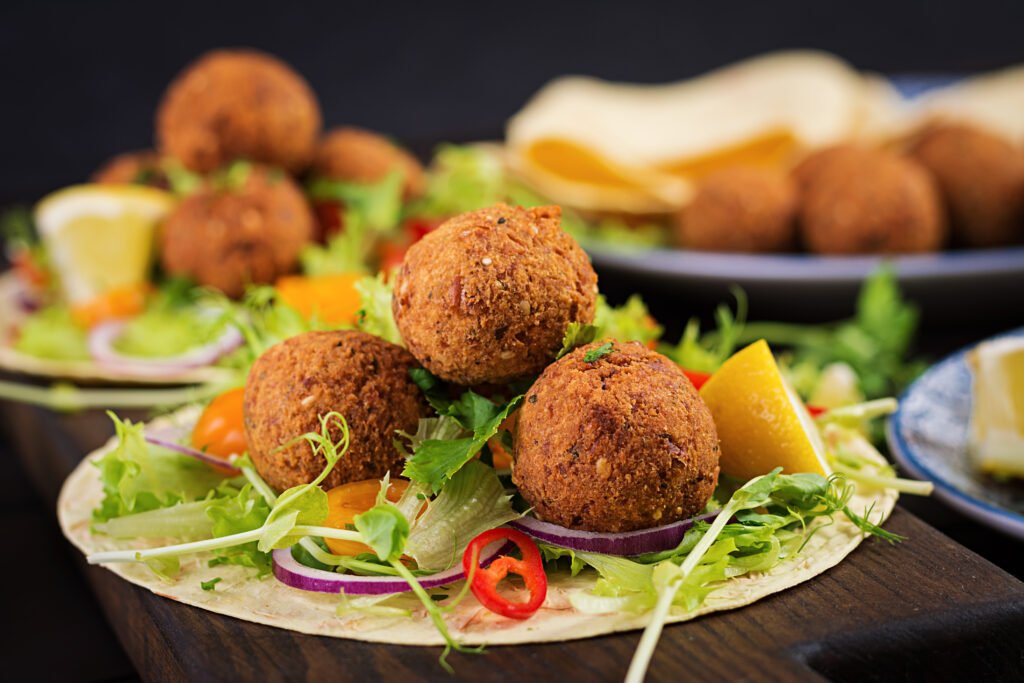
Unlike falafel in many other countries, Egyptian ta’ameya is made from fava beans rather than chickpeas. The beans are ground with herbs like parsley, coriander, and dill, then fried until crispy on the outside and soft inside.
Why it stands out:
- Bright green interior from fresh herbs
- Crunchy, flavorful, and lighter in texture
- Often eaten in sandwiches with tahini and salad
Ta’ameya is one of Egypt’s most popular street foods.
Molokhia – A Love-It-or-Hate-It Classic
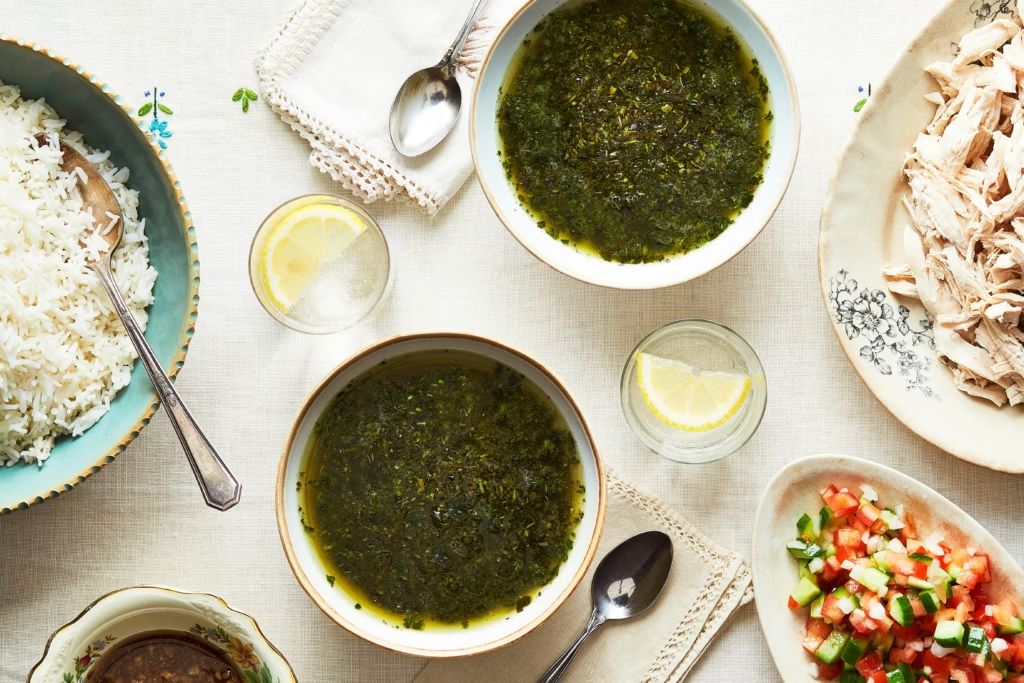
Molokhia is a distinctive green soup made from finely chopped jute leaves, cooked with garlic and coriander in chicken, rabbit, or seafood broth. Its slightly thick, silky texture is unique and deeply traditional.
Typically served with:
- Rice or bread
- Roasted meat or chicken
Molokhia is a family favorite and often cooked at home for special meals.
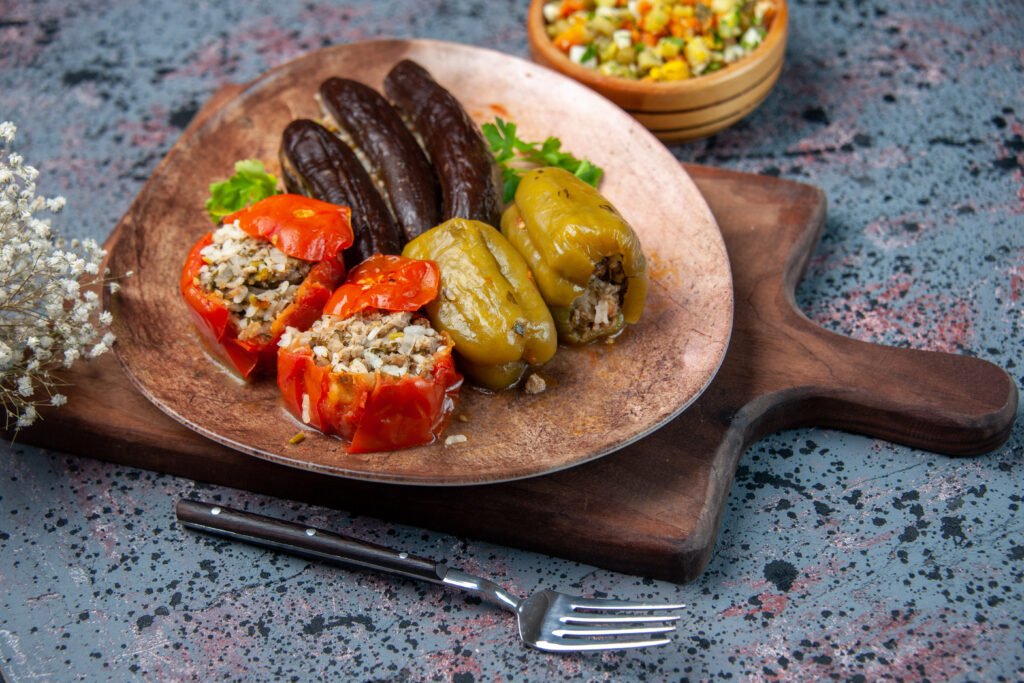
Mahshi – Stuffed Vegetables
Mahshi refers to vegetables stuffed with a seasoned rice mixture. Common vegetables include grape leaves, zucchini, bell peppers, cabbage, and eggplant.
The rice is flavored with:
- Tomato
- Herbs
- Mild spices
Mahshi can be vegetarian or cooked with meat broth and is commonly served during family gatherings and celebrations.
Fattah – A Dish for Celebrations
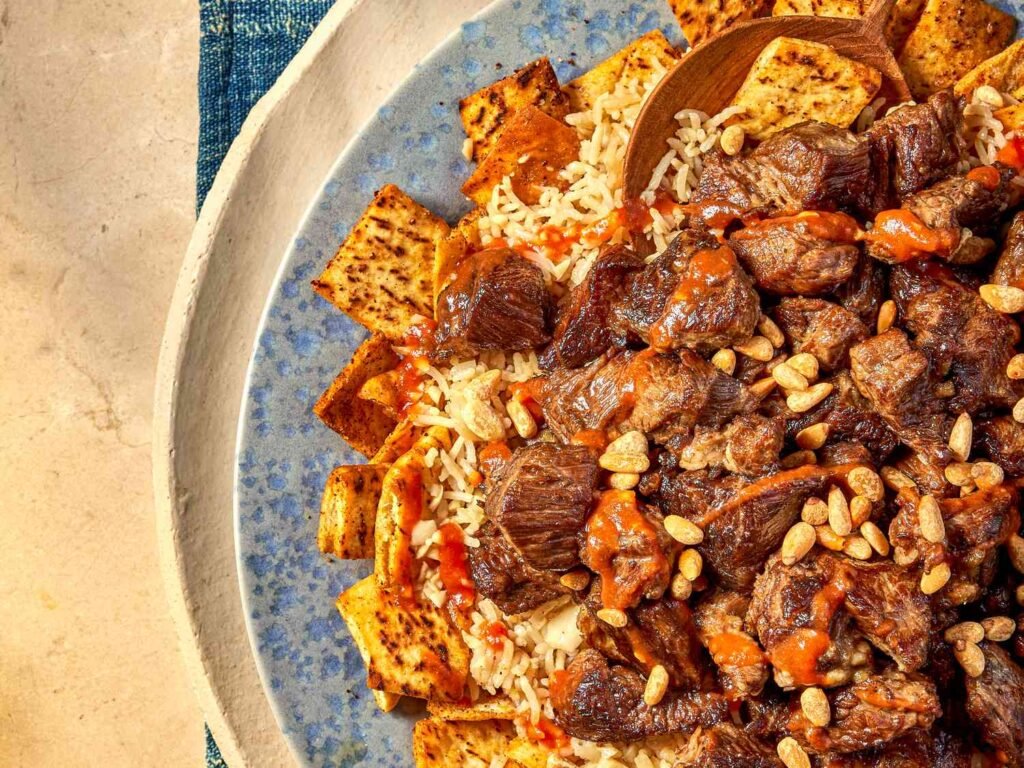
Fattah is a celebratory dish often prepared for religious festivals and special occasions. It consists of layers of crispy bread, rice, and tender meat, topped with garlic vinegar sauce and tomato sauce.
When it’s eaten:
- Eid celebrations
- Weddings and family feasts
Fattah symbolizes abundance and generosity.
Hawawshi – Egyptian Meat Pie
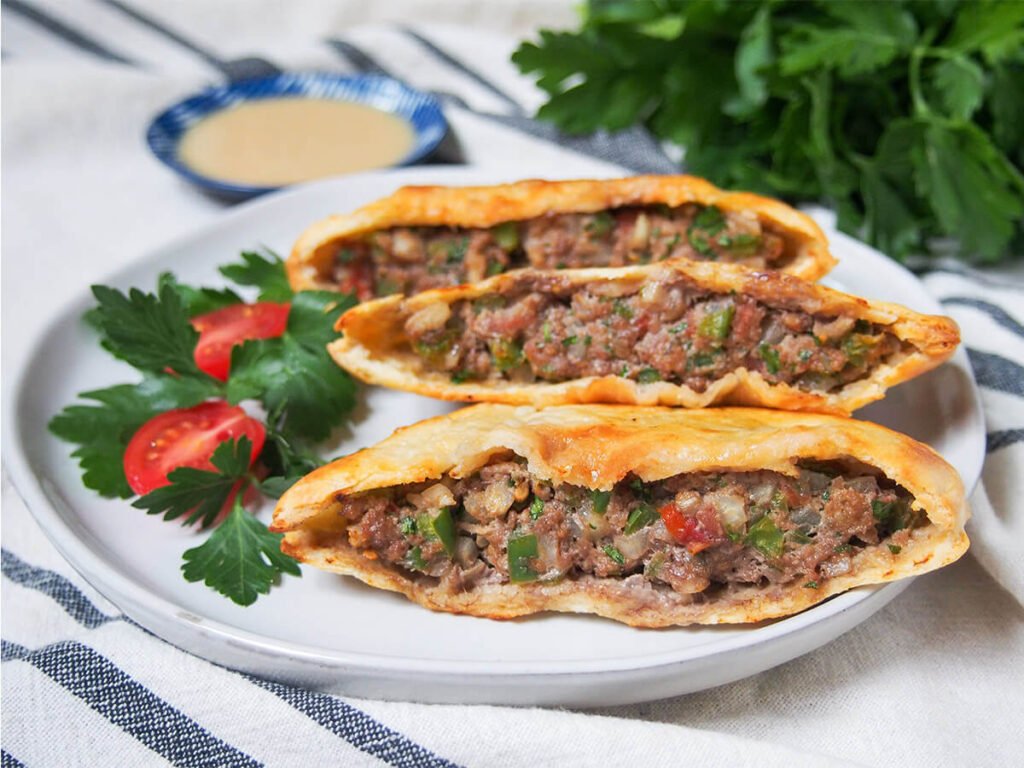
Hawawshi is a popular street food made from baladi bread stuffed with spiced minced meat, onions, and peppers, then baked or grilled.
Why people love it:
- Crispy outside, juicy inside
- Bold, savory flavors
- Perfect as a quick meal
It’s often compared to a Middle Eastern meat sandwich but has a uniquely Egyptian character.
Kebda Eskandarani – Alexandrian Liver
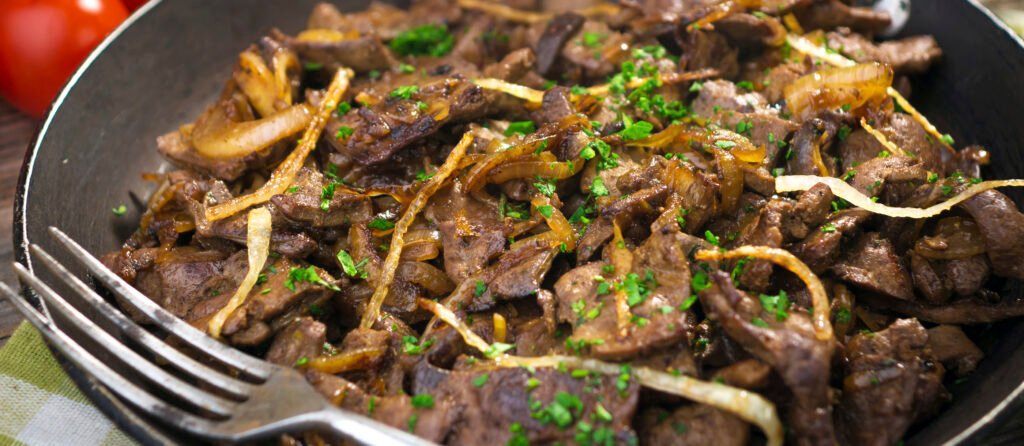
This spicy liver dish originates from Alexandria and is especially popular as street food. Beef liver is sautéed with garlic, chili, cumin, and vinegar, then served in sandwiches.
Key features:
- Strong, bold flavors
- Slightly spicy and tangy
- Loved by locals as a fast snack
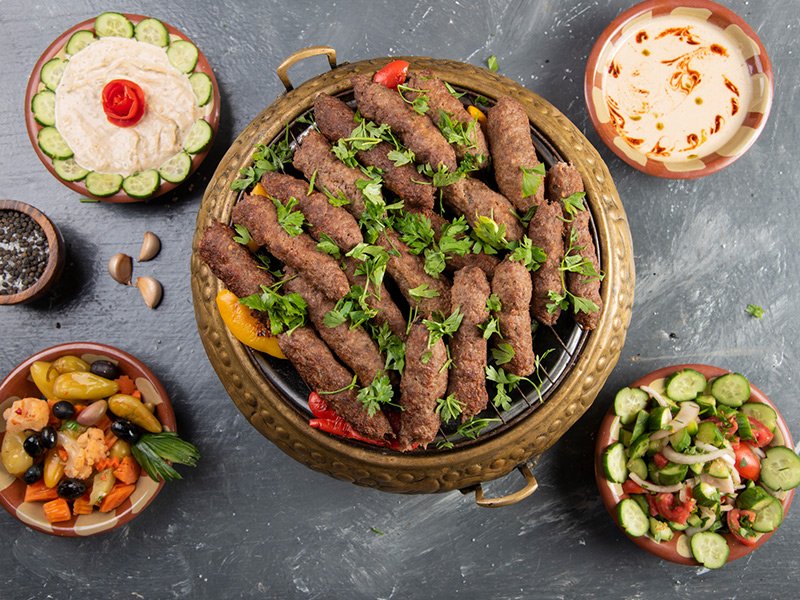
Egyptian Grilled Meats
Grilled meats play an important role in Egyptian cuisine, especially for lunch and dinner.
Popular varieties include:
- Kofta (minced meat skewers)
- Kebab (grilled meat chunks)
- Grilled chicken marinated in spices
These are typically served with rice, bread, salads, and tahini sauce.
Traditional Egyptian Breads & Sides
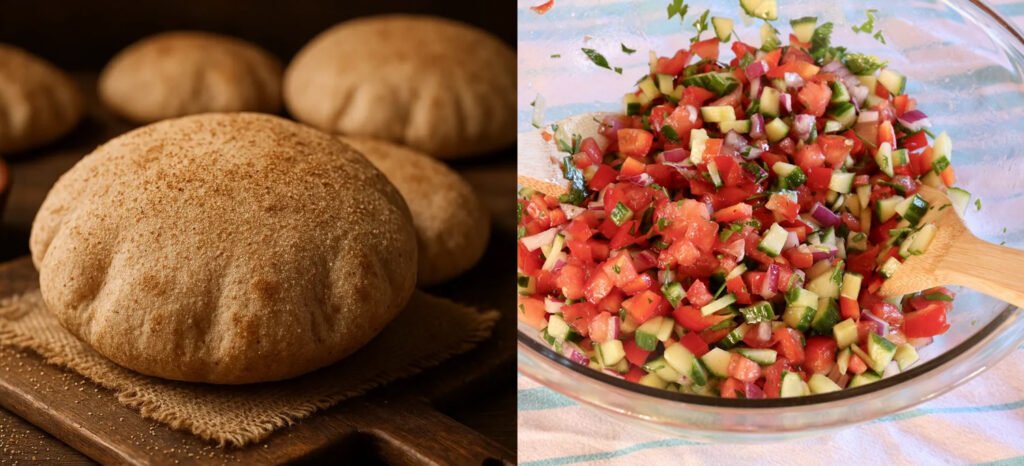
Baladi Bread
This round, whole-wheat flatbread is eaten with almost every meal. It’s used for dipping, scooping, and making sandwiches.
Salads & Dips
Common accompaniments include:
- Tahini sauce
- Baba ghanoush
- Tomato and cucumber salad
These sides balance heavier dishes with freshness.
Traditional Egyptian Desserts
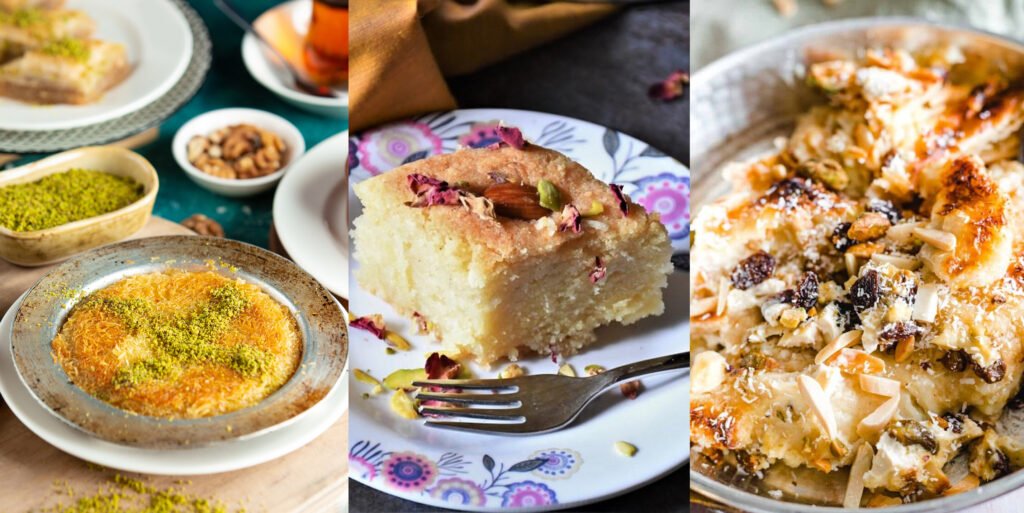
Basbousa
A semolina cake soaked in sugar syrup, often flavored with coconut or nuts.
Kunafa
Shredded pastry filled with cream or nuts, baked until golden, and soaked in syrup.
Om Ali
A warm bread pudding made with milk, nuts, coconut, and raisins—often served during celebrations.
Egyptian desserts are sweet, rich, and deeply comforting.
Drinks You Should Try
- Karkadeh – Hibiscus tea, served hot or cold
- Sahlab – Thick, warm milk-based drink, popular in winter
- Mint Tea – A staple of hospitality
Where to Experience Authentic Egyptian Food
- Local street food stalls
- Traditional neighborhood restaurants
- Family-run eateries
- Local markets and food courts
Eating where locals eat is the best way to experience true Egyptian flavors.
Final Thoughts
Egyptian cuisine is simple, soulful, and deeply connected to the country’s history and daily life. From humble bean dishes and crispy street snacks to celebratory feasts and sweet desserts, every dish tells a story of tradition, resilience, and hospitality.
For travelers, tasting Egyptian food is more than a culinary experience—it’s a way to understand the heart of Egypt itself.