
Planning your first trip to Japan? You are in the right place. This complete Japan travel guide covers everything you need to know before you board that flight — from visa requirements and the best time to visit, to top destinations, local food, cultural etiquette, transport tips, and budgeting advice.
Japan is one of the most rewarding travel destinations on the planet. It is a country where ancient temples sit beside neon-lit skyscrapers, where bullet trains connect cities in minutes, and where even a convenience store meal feels like a culinary experience. Whether you are a solo traveller, a couple on a honeymoon, or a family on a big adventure, Japan has something extraordinary waiting for you.
This Japan travel guide is designed specifically for first-time visitors who want to plan confidently, avoid common mistakes, and make the most of every single day in this incredible country. Let us get started.
Why Japan Should Be Your Next Travel Destination
Japan consistently ranks among the most visited and most loved travel destinations in the world — and for very good reason. It is a country of extraordinary contrasts. In Tokyo, you can stand at the world’s busiest pedestrian crossing in Shibuya, then take a twenty-minute train ride to a centuries-old shrine surrounded by cedar trees. In Kyoto, you can walk through a thousand vermillion torii gates at sunrise and then sit down for a bowl of perfectly crafted ramen just minutes later.
Japan is also one of the safest countries in the world for tourists. Violent crime is almost nonexistent, locals are honest and deeply respectful, and the public transport system is so efficient it has become legendary. First-time international travellers often find Japan to be an ideal destination precisely because it is so well-organised, clean, and welcoming — even without a single word of Japanese.
Beyond safety and infrastructure, Japan offers an unmatched variety of experiences. You can ski world-class powder snow in Hokkaido, watch sumo wrestlers train in Tokyo, soak in natural hot spring baths in Hakone, or island-hop through the tropical waters of Okinawa. No other country packs this much diversity into a single trip.
If you have been waiting for the perfect time to visit Japan, that time is now. This Japan travel guide will show you exactly how to do it right.
Best Time to Visit Japan
One of the most common questions in any Japan travel guide is: when is the best time to go? The honest answer is that every season in Japan has something magical to offer. Your ideal travel window depends on what kind of experience you are looking for and how much flexibility you have with your travel dates.
Spring (March to May) — Cherry Blossom Season
Spring is the most iconic time to visit Japan, and for good reason. The sakura — cherry blossoms — transform cities, parks, and riverbanks into rivers of soft pink and white. The blooming period typically peaks between late March and mid-April depending on the region and the year. Locals and tourists alike gather for hanami (flower-viewing) picnics under the blossoms, creating one of the most beautiful communal experiences you will ever witness.
Spring is also the most popular and expensive time to travel to Japan. Hotels book up months in advance, popular spots are crowded, and prices are at their highest. If you plan to visit during cherry blossom season, book your accommodation at least four to six months ahead.
Summer (June to August) — Festivals and Fireworks
Summer in Japan is hot and humid, particularly in cities like Tokyo and Osaka. However, it is also the season of Japan’s spectacular summer festivals (matsuri), fireworks displays (hanabi), and mountain climbing season for Mount Fuji, which is only open to climbers from early July to mid-September.
If you can handle the heat, summer offers some of Japan’s most vibrant cultural experiences. The Gion Matsuri in Kyoto (July) and the Awa Odori in Tokushima (August) are among the most celebrated festivals in the entire country.
Autumn (September to November) — Foliage Season
Autumn is widely considered the second-best time to visit Japan after spring. The koyo — autumn foliage — turns the countryside into a canvas of red, orange, and gold. Kyoto’s temple gardens and Nikko’s forested mountains are particularly stunning during this season. Temperatures are cooler and more comfortable than summer, making it ideal for walking tours and hiking.
Like spring, autumn is a popular season, so plan and book ahead.
Winter (December to February) — Snow and Serenity
Winter is the least crowded and most affordable time to visit Japan. While some regions experience heavy snowfall, cities like Tokyo and Osaka remain very accessible. The Sapporo Snow Festival in Hokkaido (February) is one of Japan’s most famous winter events, attracting millions of visitors from around the world. Ski resorts in Niseko, Hakuba, and Nozawa Onsen offer world-class skiing and snowboarding.
Winter is also the perfect season for onsen (hot spring) experiences. There is nothing quite like soaking in an outdoor hot spring with snow falling silently around you.
Japan Visa Requirements for Tourists
Before you can follow any Japan travel guide into the country, you need to make sure your entry documents are in order. Japan offers visa-free access to citizens of over 68 countries, making it one of the most accessible destinations in Asia for international travellers.
Countries That Do Not Need a Visa for Japan
Citizens of the following countries can enter Japan visa-free for tourism, typically for stays of 15 to 90 days depending on the passport: United States, United Kingdom, Canada, Australia, New Zealand, most European Union countries, South Korea, Singapore, Malaysia, Thailand, and many others.
Always check the latest entry requirements with the Japanese embassy or the official Japan Tourism Agency website before you travel, as policies can change.
Countries That Require a Japan Tourist Visa
Citizens of India, China, the Philippines, Vietnam, Pakistan, and several other countries are required to obtain a tourist visa before arriving in Japan. In 2024, Japan introduced an e-Visa option for Indian nationals, which has made the application process significantly faster and more convenient.
How to Apply for a Japan Tourist Visa
Apply at your nearest Japanese embassy or consulate. The standard documents required are a valid passport with at least six months of remaining validity, a completed visa application form, a recent passport-sized photograph, proof of accommodation bookings, a confirmed return flight ticket, bank statements showing sufficient funds for your stay, and a detailed travel itinerary.
Processing times are typically three to five business days, though this can vary by country and season. Apply at least four to six weeks before your travel date to be safe.
How to Get Around Japan
Transport is one of the highlights of any Japan travel guide. Japan’s public transport network is fast, punctual, clean, and remarkably easy to use even if you do not speak Japanese.
The Japan Rail Pass (JR Pass)
The Japan Rail Pass is the single most important transport purchase for first-time visitors planning to travel between cities. It gives you unlimited rides on Japan Railways (JR) trains nationwide, including most Shinkansen (bullet train) routes. The pass must be purchased before you arrive in Japan — you cannot buy it at the standard tourist price once you are in the country.
A 7-day Ordinary JR Pass costs approximately ¥50,000 (around $330 USD) and covers the popular Tokyo to Kyoto to Osaka route multiple times over. A 14-day pass costs approximately ¥80,000 and is ideal for extended multi-city tours. If you are visiting multiple regions across Japan, the JR Pass will almost certainly pay for itself.
Shinkansen (Bullet Trains)
The Shinkansen is Japan’s high-speed rail network and one of the most famous transport systems in the world. Trains run at speeds of up to 320 km/h and are famously on time — delays of more than a minute are genuinely rare. The Tokyo to Kyoto journey takes approximately two hours and fifteen minutes, compared to over eight hours by bus.
IC Cards — Suica and Pasmo
For travel within cities, an IC card is your best friend. Suica (issued by JR East) and Pasmo are rechargeable contactless smart cards that work on virtually every subway, bus, and monorail in Japan. They also work at many convenience stores, vending machines, and coin lockers. Pick one up at any major station upon arrival and top it up as needed.
Subway Systems
Tokyo, Osaka, and Kyoto all have excellent subway systems that are easy to navigate with English signage and announcements. Google Maps works brilliantly for planning subway routes in Japan — simply input your destination and it will give you step-by-step directions including which exit to use.
Taxis and Rideshare
Taxis in Japan are clean, reliable, metered, and scrupulously honest. However, they are expensive compared to public transport and should be reserved for short journeys or late-night travel when trains are not running. Uber operates in Japan but with limited coverage. The GO app is the most widely used taxi-hailing app for tourists.
Top Destinations to Visit in Japan
No Japan travel guide would be complete without a breakdown of the country’s must-visit destinations. Japan has dozens of incredible cities and regions, but for a first trip, the Golden Route is the perfect foundation.
Tokyo
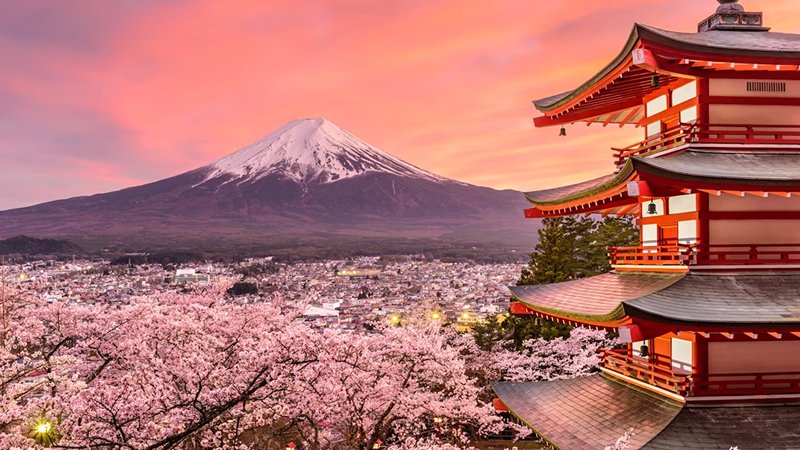
Tokyo is one of the greatest cities on earth. As Japan’s capital and largest city, it offers an almost overwhelming variety of experiences across its many distinct neighbourhoods. Shinjuku, Shibuya, Harajuku, and Asakusa each have their own distinct personality — and together they make Tokyo one of the most endlessly fascinating cities you will ever visit.
What makes Tokyo truly special is its ability to surprise you at every turn. You can spend a morning at a centuries-old temple, an afternoon in a retro arcade, and an evening at a world-class sushi counter — all within the same city. Budget at least three to four days here.
Top Attractions:
- Senso-ji Temple, Asakusa
- Shibuya Scramble Crossing
- teamLab Borderless Digital Art Museum
Kyoto
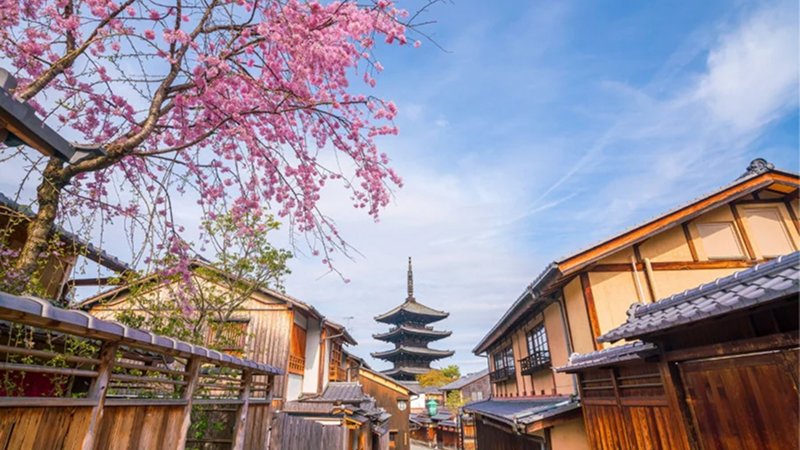
If Tokyo represents Japan’s future, Kyoto represents its soul. The former imperial capital is home to over 1,600 Buddhist temples, 400 Shinto shrines, and 17 UNESCO World Heritage Sites. Walking through Kyoto feels like stepping back through centuries of Japanese history.
Kyoto rewards slow, thoughtful exploration more than any other city in Japan. Rise early to walk the Fushimi Inari gates before the crowds arrive, and end the day with a kaiseki dinner in a restored traditional townhouse. Give Kyoto at least three days.
Top Attractions:
- Fushimi Inari Taisha Shrine
- Arashiyama Bamboo Grove
- Kinkaku-ji (Golden Pavilion)
Osaka
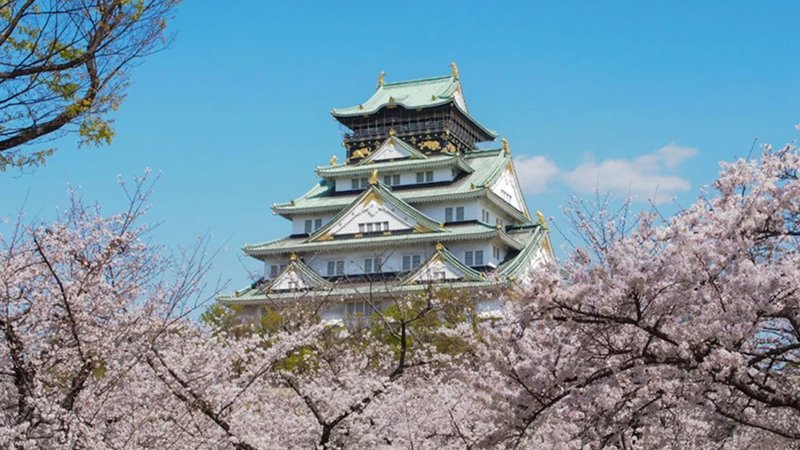
Osaka is Japan’s kitchen and its comedy capital. The city has a well-deserved reputation for having the most enthusiastic food culture in the country — locals say Osaka people literally eat themselves into debt over their passion for good food. The Dotonbori district alone is worth the trip.
Beyond the food, Osaka is a city of genuine warmth and energy. It is also perfectly positioned as a base for day trips to Kyoto, Nara, and Kobe, making it one of the most strategically valuable stops on the Golden Route.
Top Attractions:
- Dotonbori Street Food District
- Osaka Castle and Castle Park
- Kuromon Ichiba Market
Nara
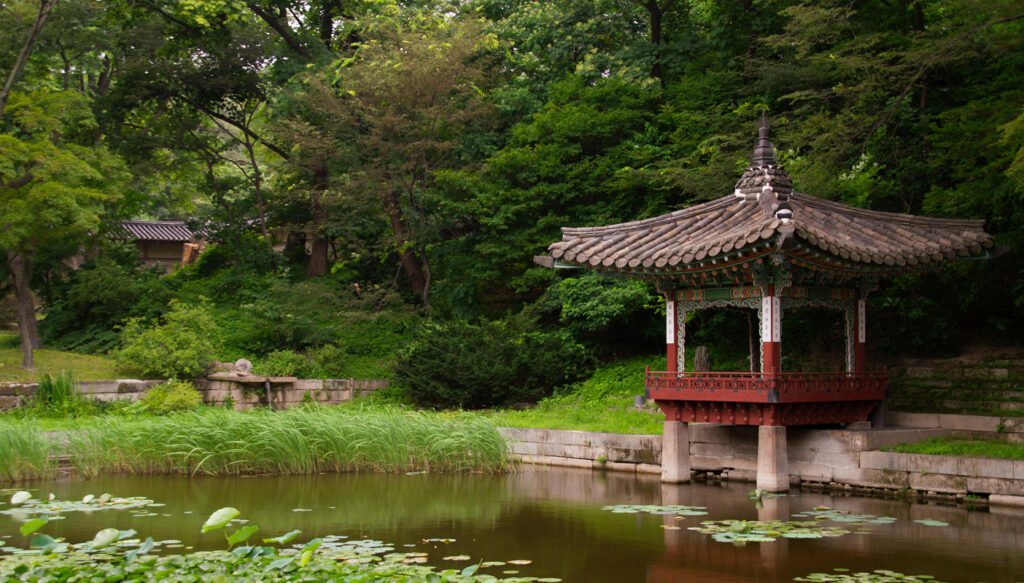
Just 45 minutes from Kyoto and 30 minutes from Osaka, Nara is one of Japan’s most charming day-trip destinations. The city is famous for its population of over 1,000 wild sika deer that roam freely through Nara Park and bow to visitors in exchange for deer crackers sold by vendors throughout the park.
What many visitors do not realise is that Nara is far more than a deer park. It was Japan’s first permanent capital city in the 8th century, and the concentration of ancient temples and shrines within easy walking distance is extraordinary.
Top Attractions:
- Nara Park and Free-Roaming Deer
- Todai-ji Temple and Giant Buddha
- Kasuga Taisha Shrine
Hiroshima and Miyajima
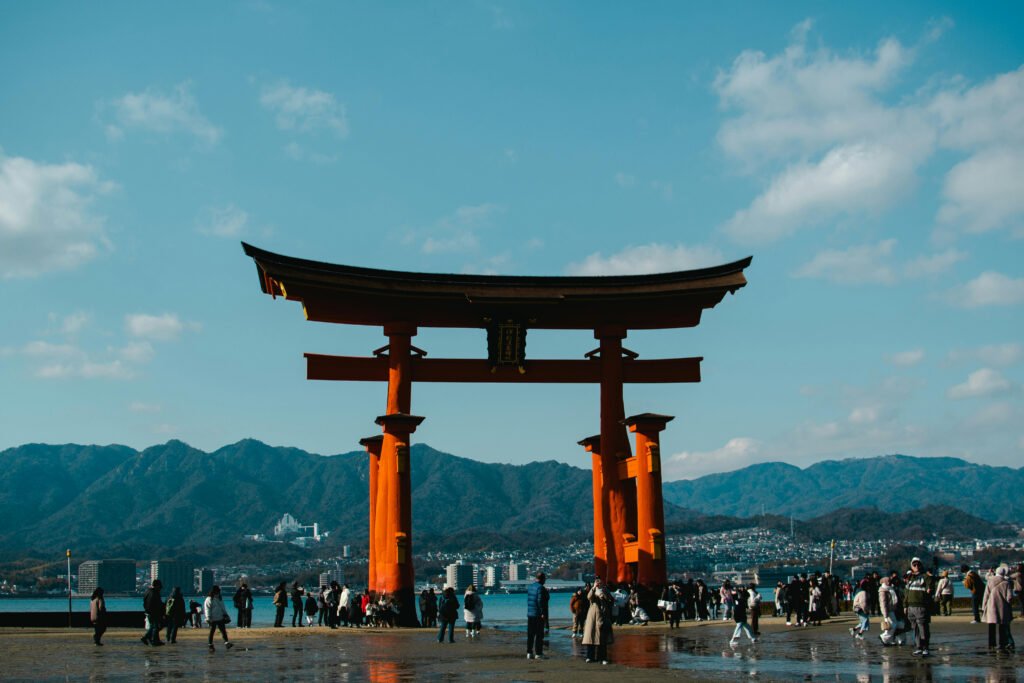
Hiroshima is a city of profound historical significance and one of the most powerful testaments to human resilience anywhere in the world. The Peace Memorial Museum and the Atomic Bomb Dome are deeply moving experiences that every visitor to Japan should make time for.
Just a short ferry ride away, the sacred island of Miyajima is home to the iconic Itsukushima Shrine and its red torii gate that appears to float on the water at high tide. Together, Hiroshima and Miyajima make for one of the most memorable full-day experiences in all of Japan.
Top Attractions:
- Hiroshima Peace Memorial Museum
- Atomic Bomb Dome (Genbaku Dome)
- Itsukushima Shrine and Floating Torii Gate, Miyajima
Hakone
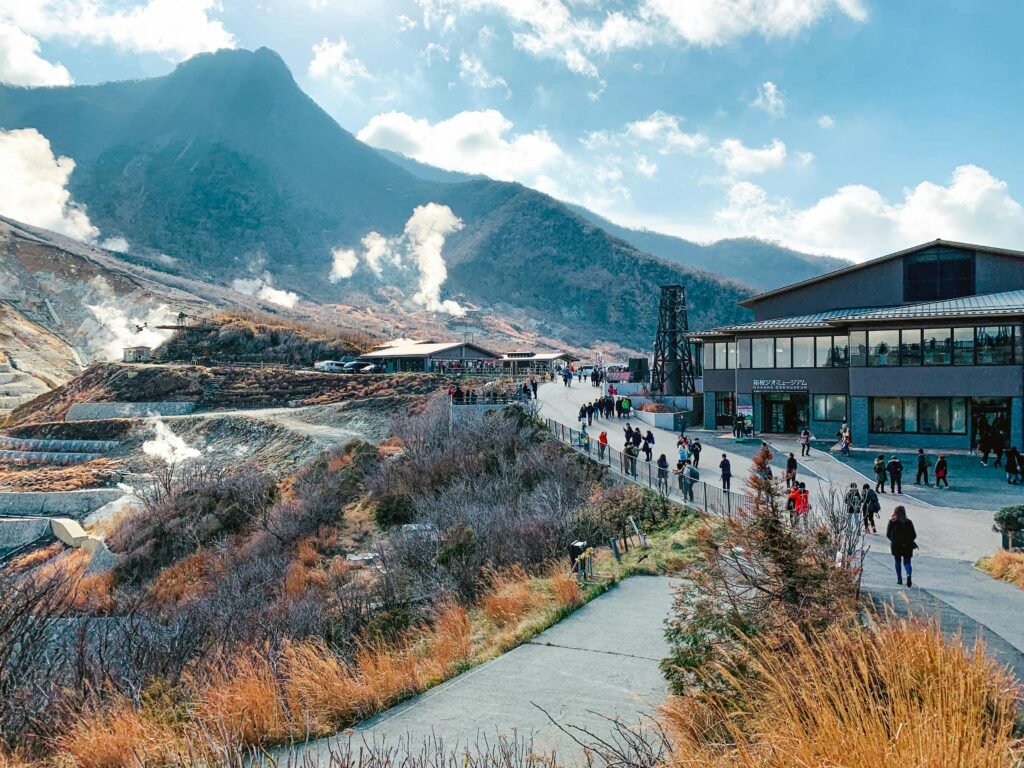
Hakone is the ideal destination for two of Japan’s greatest pleasures — a clear-day view of Mount Fuji and a restorative night in a traditional onsen ryokan. Located just 90 minutes from Tokyo, it sits within the Fuji-Hakone-Izu National Park and offers a remarkable variety of experiences in a compact, easy-to-navigate area.
The Hakone Open Air Museum, a Lake Ashi cruise, and a ropeway ride over the volcanic Owakudani valley complete a perfect Hakone itinerary. On a clear morning in autumn or winter, the view of snow-capped Mount Fuji rising above the lake is simply breathtaking.
Top Attractions:
- Mount Fuji Views from Lake Ashi
- Hakone Open Air Museum
- Owakudani Volcanic Valley and Ropeway
Hokkaido
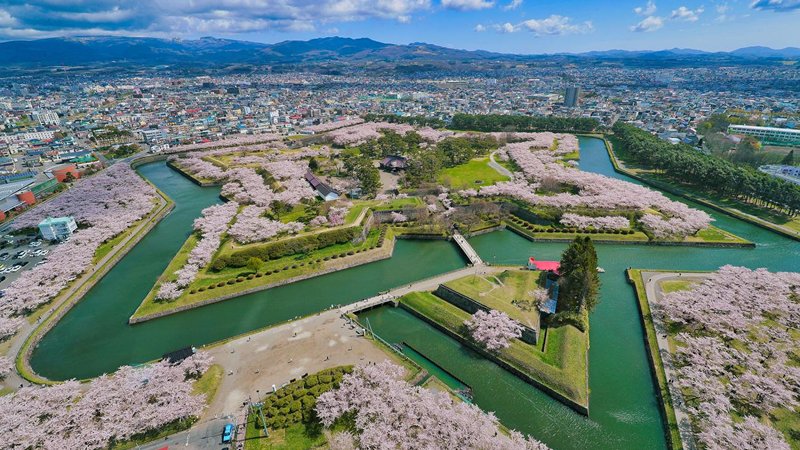
For travellers seeking wide-open natural landscapes, world-class skiing, and exceptional fresh seafood, Hokkaido — Japan’s vast northernmost island — is an unforgettable addition to any Japan itinerary. It covers roughly 22 percent of Japan’s total land area but feels a world away from the busy cities of Honshu.
Sapporo’s famous Snow Festival in February, the lavender fields of Furano in summer, and the legendary powder snow of Niseko in winter make Hokkaido a destination that rewards visitors in every single season.
Top Attractions:
- Sapporo Snow Festival
- Niseko Ski Resort
- Furano Lavender Fields
What to Eat in Japan: A Food Lover’s Guide
Food is arguably the single greatest reason to visit Japan. Tokyo alone has more Michelin-starred restaurants than any other city in the world. But extraordinary food in Japan is not limited to high-end dining — some of the most memorable meals you will eat cost less than ¥1,000 (approximately $7 USD).
Must-Try Japanese Foods
Ramen: Japan’s beloved noodle soup comes in dozens of regional styles. Sapporo is known for miso ramen, Hakata for tonkotsu (pork bone broth), and Tokyo for shoyu (soy sauce) ramen. Each bowl is a masterpiece of flavour and technique.
Sushi and Sashimi: Japan is the birthplace of sushi, and eating it here is a completely different experience from what you may have had elsewhere. Try a high-quality conveyor belt sushi restaurant (kaiten-zushi) for an affordable introduction, or splurge on an omakase (chef’s choice) meal at a traditional counter.
Tempura: Lightly battered and deep-fried seafood and vegetables served with a delicate dipping sauce. At its best in Tokyo, where the tradition originated.
Yakitori: Skewered grilled chicken in various cuts and styles, cooked over charcoal. A perfect accompaniment to cold beer at a casual izakaya.
Tonkatsu: Breaded and deep-fried pork cutlet served with shredded cabbage and a thick, tangy sauce. Simple, satisfying, and deeply delicious.
Okonomiyaki: A savoury pancake filled with cabbage, seafood, or meat and topped with mayonnaise, okonomiyaki sauce, dried bonito flakes, and dried seaweed. Osaka and Hiroshima each have their own distinct style.
Takoyaki: Osaka’s most famous street food — crispy balls of batter filled with octopus, green onion, and pickled ginger. Best eaten piping hot straight from the griddle.
Wagyu Beef: Japan’s premium beef is famous worldwide for its extraordinary marbling and melt-in-your-mouth texture. Treat yourself to at least one wagyu meal — whether a full steak dinner or a simple wagyu beef bowl (gyudon) — it is worth every yen.
Matcha Desserts: From matcha soft serve ice cream to matcha tiramisu and matcha Kit Kats, Japan’s obsession with green tea produces some of the finest desserts in the world.
Onigiri: Triangular rice balls wrapped in nori seaweed and filled with salmon, tuna mayo, pickled plum, or other fillings. Available at every convenience store for around ¥120–¥200 and absolutely delicious.
Conclusion
Japan is a destination that changes people. First-time visitors almost universally describe it as one of the most memorable travel experiences of their lives — and many return within a year or two to explore more deeply. Whether you are drawn by the food, the history, the natural beauty, the pop culture, or simply the desire to experience a society that operates with extraordinary grace and precision, Japan will exceed your expectations.
Use this Japan travel guide as your foundation. Do your research, plan your key bookings in advance, stay curious, be respectful, and leave room for unexpected moments of wonder — because in Japan, they are everywhere.
Arigatou gozaimasu, and enjoy every extraordinary moment of your Japan adventure.