
Japan is one of the great coffee cultures of the world — a fact that surprises many visitors who associate the country primarily with tea. But Japan’s relationship with coffee runs deep: the first coffee houses appeared in Tokyo in the 1880s, the kissaten (traditional coffee house) became a cultural institution through the 20th century, and today Japan has one of the most sophisticated and diverse coffee scenes anywhere on earth.
What makes Japanese coffee culture distinctive is not just the quality — though the quality is extraordinary — but the seriousness, the attention to detail, and the philosophy that permeates every aspect of the experience. In Japan, coffee is not merely a beverage. It is a craft, a ritual, and in the best establishments, an art form.
The kissaten tradition produced a generation of master baristas who treated single-origin pour-over coffee with the same reverence that a sushi chef brings to fish. The third wave coffee movement found in Japan a culture already perfectly predisposed to its values of precision, sourcing, and respect for process. The result is a coffee landscape of extraordinary depth — ancient shops with hand-sewn cloth filters alongside cutting-edge specialty roasters, vending machine canned coffee alongside meticulously prepared single-origin pour-overs.
This guide covers ten cafes that between them represent the full spectrum of Japanese coffee culture — from Tokyo to Kyoto, from century-old kissaten to modern masterpieces, from the most famous addresses to the most worth finding.
What You Need to Know Before You Go
The Kissaten: Japan’s Original Coffee House
The kissaten (喫茶店) is the foundational institution of Japanese coffee culture — a traditional coffee house that first appeared in the Meiji era and reached its cultural peak in the 1960s and 70s. At its height Japan had over 150,000 kissaten. Many have closed as convenience store coffee and chain cafes took market share, but the survivors are extraordinary.
A kissaten is not just a coffee shop. It is a specific atmosphere — dim lighting, jazz or classical music played at precise volume, thick ceramic cups, a master barista who has been making the same coffee for 40 years, and a sense of time moving differently inside than outside. The coffee is typically hand-dripped, the menu simple, and the experience completely unlike anything in the Western coffee shop tradition.
Finding a great kissaten is one of the most rewarding experiences in Japanese cafe culture. They rarely have Instagram presence, often have no English menu, and are frequently invisible from the street. Look for them in the older neighbourhoods of Tokyo — Ginza, Jimbocho, Shinjuku’s backstreets — and in Kyoto’s traditional machiya townhouse areas.
Third Wave Coffee in Japan
Japan’s third wave coffee scene is world-class — a combination of domestic roasters and the Japanese outposts of international roaster names. The key players are concentrated in Tokyo and Kyoto but have spread to every major city.
What distinguishes third wave coffee in Japan from its equivalents in Melbourne, London, or New York is the integration of Japanese craft values — the same obsessive attention to detail, the same respect for sourcing and process, the same aesthetic precision that characterises Japanese food and design culture generally. Japanese baristas have won multiple World Barista Championships. Japanese roasters are among the most respected in the global specialty coffee community.
Canned Coffee and Convenience Store Coffee
At the other end of the spectrum — and worth mentioning because it is genuinely part of Japanese coffee culture — is the canned coffee dispensed from Japan’s ubiquitous vending machines and the surprisingly excellent coffee available at 7-Eleven, Lawson, and FamilyMart convenience stores.
Canned coffee in Japan is a serious product — brands like Boss, Georgia, and Wonda produce both hot and cold versions sold from vending machines on every street corner. The 7-Eleven Machi Cafe range, freshly brewed to order from good beans, costs ¥110–180 and is genuinely better than many Western coffee chains. These are not substitutes for the cafes in this guide — they are a separate and legitimate strand of Japanese coffee culture worth experiencing on their own terms.
The Top 10 Cafes in Japan
1. Café de l’Ambre — Tokyo (Ginza)
Address: 8-10-15 Ginza, Chuo, Tokyo
Hours: 12:00 PM – 10:00 PM (closed Sunday)
Price range: ¥800 – ¥1,500
Café de l’Ambre is the most legendary kissaten in Japan — possibly the most legendary coffee shop in the world. It was founded in 1948 by Ichiro Sekiguchi, who began roasting and serving coffee in post-war Tokyo and continued doing so until his death in 2018 at the age of 103. The café continues under the philosophy and methods he established.
Walking into Café de l’Ambre is one of the great time-travel experiences in Japanese food culture. The interior has barely changed in 70 years — dark wood, dim lighting, old photographs, the smell of decades of roasting embedded in the walls. The menu is handwritten. The cups are thick ceramic. The barista works with a cloth filter (nel drip) and a precision that borders on the meditative.
What makes Café de l’Ambre extraordinary — beyond the history and the atmosphere — is the aged coffee. Sekiguchi was one of the first coffee professionals in the world to age green coffee beans deliberately, sometimes for decades, producing a category of coffee found nowhere else. The aged coffees on the menu — some beans aged 5, 10, or even 20 years — produce flavours of extraordinary complexity: deep, low-acid, chocolatey, with a smoothness that fresh-roasted coffee cannot replicate.
What to order: Ask the barista for a recommendation based on your flavour preferences. If available, order one of the aged coffees — this is something you cannot experience anywhere else on earth. The iced coffee — brewed hot directly over ice using the nel drip method — is also exceptional.
The honest note: The atmosphere is reverent and quiet. This is not a place for loud conversation or laptop work. Sit, drink, and be present with one of the great coffee experiences in the world.
2. Arabica — Kyoto (Higashiyama)
Address: 87-5 Hoshinocho, Higashiyama, Kyoto
Hours: 8:00 AM – 6:00 PM daily
Price range: ¥500 – ¥900
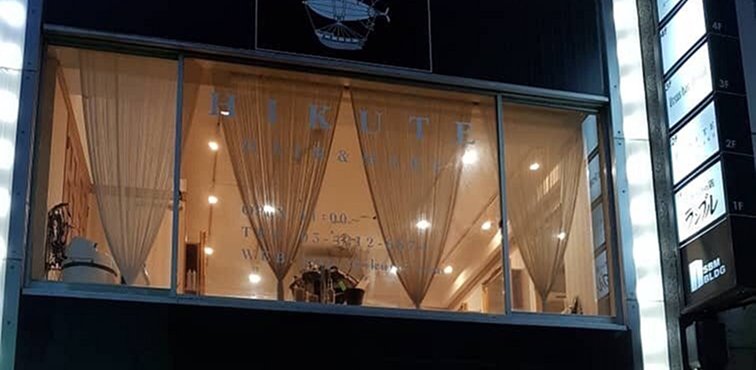
% Arabica is the most photographed cafe in Japan and one of the most visually striking coffee spaces in the world — a minimal white cube set against the ancient stone walls and maple trees of Kyoto’s Higashiyama district, with a view of the traditional streetscape that makes every cup feel like it exists at the intersection of the ancient and the contemporary.
The business was founded by Kenneth Shoji in 2014 with a philosophy of sourcing the world’s best coffee and serving it in spaces of architectural beauty. The Higashiyama location — the original and still the most extraordinary — achieves something rare: a coffee experience that is simultaneously minimalist and deeply contextualised in place.
The coffee at % Arabica is outstanding. The sourcing is meticulous — the company owns a farm in Hawaii and sources from relationships with growers across multiple origins. The barista training is rigorous. The espresso-based drinks are precise and balanced. The latte art is among the finest in Japan.
What to order: The flat white is the signature drink and the one most visitors order. The single origin pour-over (when available) shows the sourcing philosophy at its most direct. On cold days the hot latte is exceptional. In summer the iced drinks — particularly the cold brew — are worth the visit alone.
The honest note: The queue at peak times (10 AM – 2 PM on weekends) can be 30–45 minutes. The best strategy is to arrive at opening (8 AM) on a weekday when the light on the Higashiyama streetscape is extraordinary and the queue is minimal. The café has expanded globally — you can find % Arabica in Dubai, Hong Kong, and London — but the Kyoto original has a quality of place that none of the other locations replicates.
3. Fuglen Tokyo — Tomigaya, Tokyo
Address: 1-16-11 Tomigaya, Shibuya, Tokyo
Hours: 8:00 AM – 10:00 PM weekdays, 9:00 AM – 2:00 AM weekends
Price range: ¥600 – ¥1,200
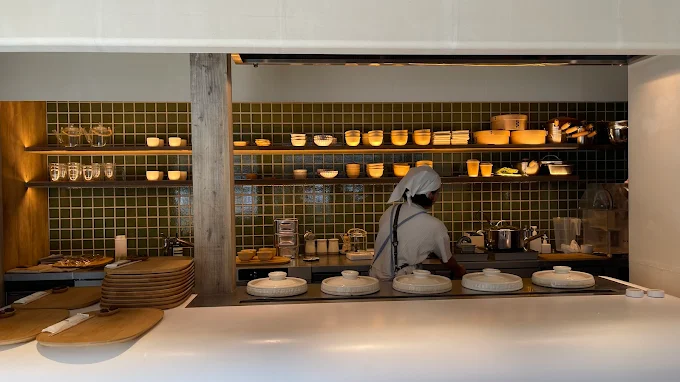
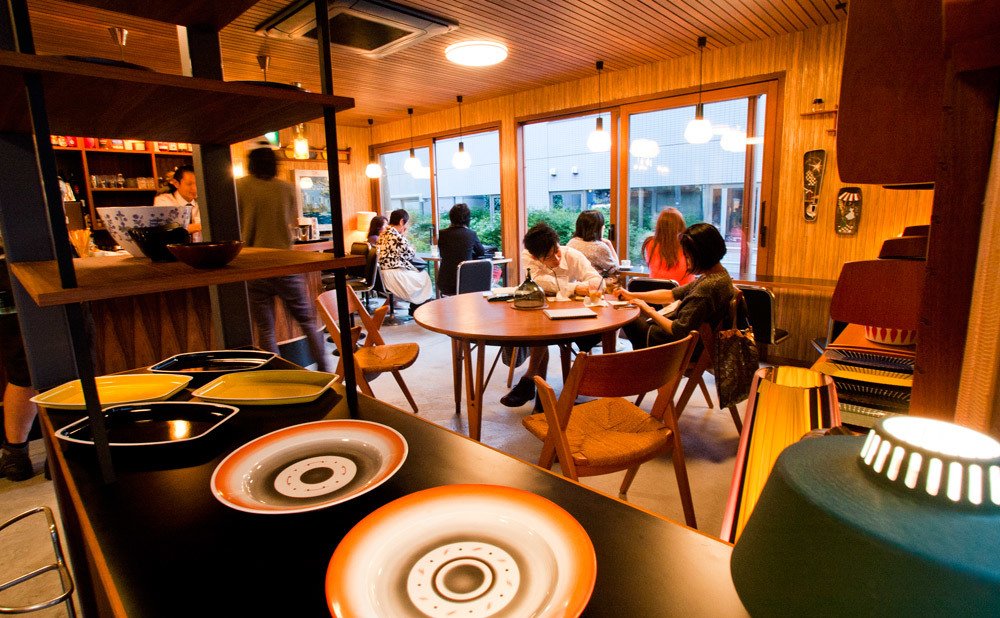
Fuglen is a Norwegian coffee roaster and bar that opened its Tokyo outpost in 2012 and in doing so helped catalyse the third wave coffee movement in Japan. The Tomigaya location — in one of Tokyo’s most quietly stylish neighbourhoods, near Yoyogi Park — occupies a beautifully preserved 1960s building filled with Scandinavian vintage furniture and has become one of the most beloved cafes in the city.
The coffee at Fuglen is exceptional — roasted in Norway to a light profile that emphasises origin characteristics, brewed with Norwegian precision and served with Japanese hospitality. The espresso is clean and bright. The filter coffee — single origin, brewed to order — is among the best in Tokyo.
What makes Fuglen unique is its dual identity: by day it is one of Tokyo’s best specialty coffee shops; by evening it transforms into a cocktail bar serving exceptional drinks built around vintage aquavit and Norwegian spirits. The transition happens seamlessly and the same crowd — Tokyo’s creative class, neighbourhood regulars, international visitors in the know — inhabits both versions of the space.
What to order: Filter coffee (single origin, ask for the recommendation) during the day. In the evening, the Fuglen cocktails — particularly the Fuglen Sour — are worth staying for. The cardamom bun, imported from Norway, is the correct accompaniment to morning coffee.
The honest note: Tomigaya is not a central Tokyo neighbourhood — it requires a deliberate trip. This is part of its charm. Combine a visit to Fuglen with a walk through Yoyogi Park and the Tomigaya neighbourhood itself, which has one of the most interesting concentrations of independent food and drink in Tokyo.
4. Omotesando Koffee — Omotesando, Tokyo
Address: Inside Omotesando Hills complex area (current location varies — check current address)
Hours: 9:00 AM – 6:00 PM daily
Price range: ¥500 – ¥900
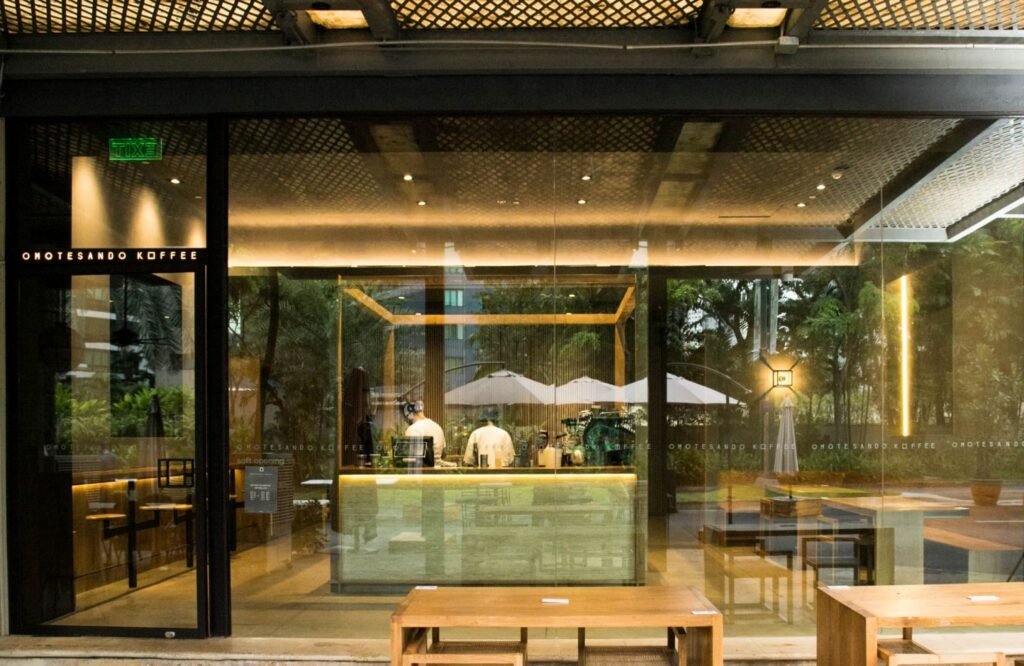
Omotesando Koffee began as one of the most extreme experiments in coffee minimalism ever attempted — a pop-up operation run by Eiichi Kunitomo from a tiny wooden cube installed inside the courtyard of a traditional machiya house in Kyoto, serving only espresso and espresso-based drinks in three sizes, with nothing else on the menu.
The concept was radical: strip coffee down to its absolute essence, serve it in a space of perfect beauty, and let the quality of the coffee itself be the entire experience. The queue stretched around the block. The original Kyoto location closed after three years (deliberately — Kunitomo believed in the impermanence of things). The Tokyo incarnation continues the philosophy.
The coffee at Omotesando Koffee is extraordinarily precise — a style of espresso that is clean, balanced, and served at the exact temperature and with the exact crema density that Kunitomo considers ideal. The space is always beautifully designed. The experience is brief, focused, and memorable in the way that perfectly executed simple things are always memorable.
What to order: Espresso or café latte — those are essentially your options. This is the point.
The honest note: Check the current location before visiting as Omotesando Koffee has moved and evolved over the years. The philosophy remains consistent regardless of address.
5. Blue Bottle Coffee — Multiple Tokyo Locations
Flagship: Kiyosumi-Shirakawa,
Tokyo Address: 1-4-8 Hirano, Koto, Tokyo
Hours: 8:00 AM – 7:00 PM daily
Price range: ¥600 – ¥1,100
Blue Bottle Coffee — the Oakland-founded third wave roaster — opened its first international location in Tokyo’s Kiyosumi-Shirakawa neighbourhood in 2015 and the event was treated as a significant moment in Japanese coffee culture. Japan took Blue Bottle seriously and Blue Bottle responded by taking Japan seriously — the Tokyo operations are widely considered the best expression of the brand anywhere in the world.
The Kiyosumi-Shirakawa flagship occupies a beautifully converted warehouse in a neighbourhood that has become Tokyo’s coffee capital — multiple excellent roasters and cafes operate within a few blocks of each other, making the area worth a dedicated morning of coffee exploration.
The coffee quality at Blue Bottle Tokyo is impeccable — the sourcing is rigorous, the roasting is precise, and the Japanese staff bring a level of attention and hospitality that elevates the experience beyond the original Oakland cafes. The single origin pour-over menu changes seasonally and represents genuinely excellent coffee at accessible prices.
What to order: Single origin pour-over — ask the barista which origin they recommend that day. The New Orleans iced coffee (cold brew with chicory and organic whole milk) is the signature drink and exceptional. The matcha latte for non-coffee drinkers is made with ceremonial grade matcha and is outstanding.
The honest note: Blue Bottle has multiple Tokyo locations — Shinjuku, Harajuku, Shibuya, and others. The Kiyosumi-Shirakawa flagship has the best atmosphere and the full pour-over menu. The neighbourhood locations are excellent for a quick coffee but the flagship is the experience worth making a trip for.
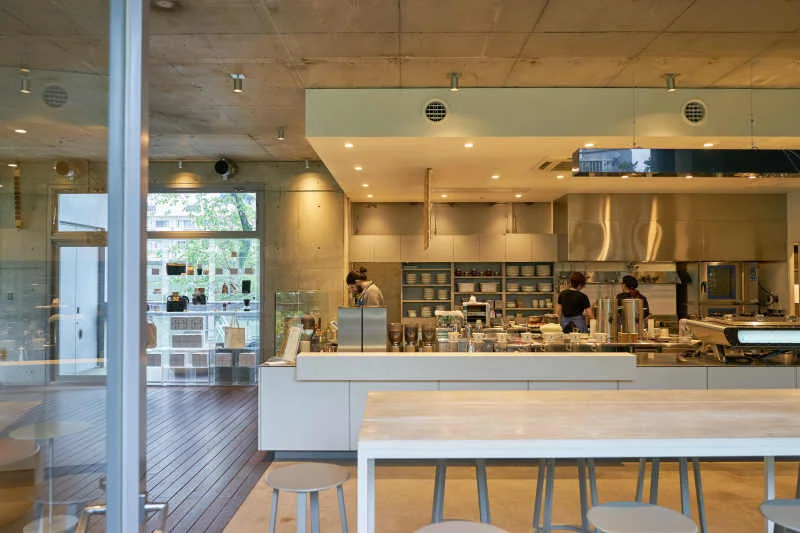
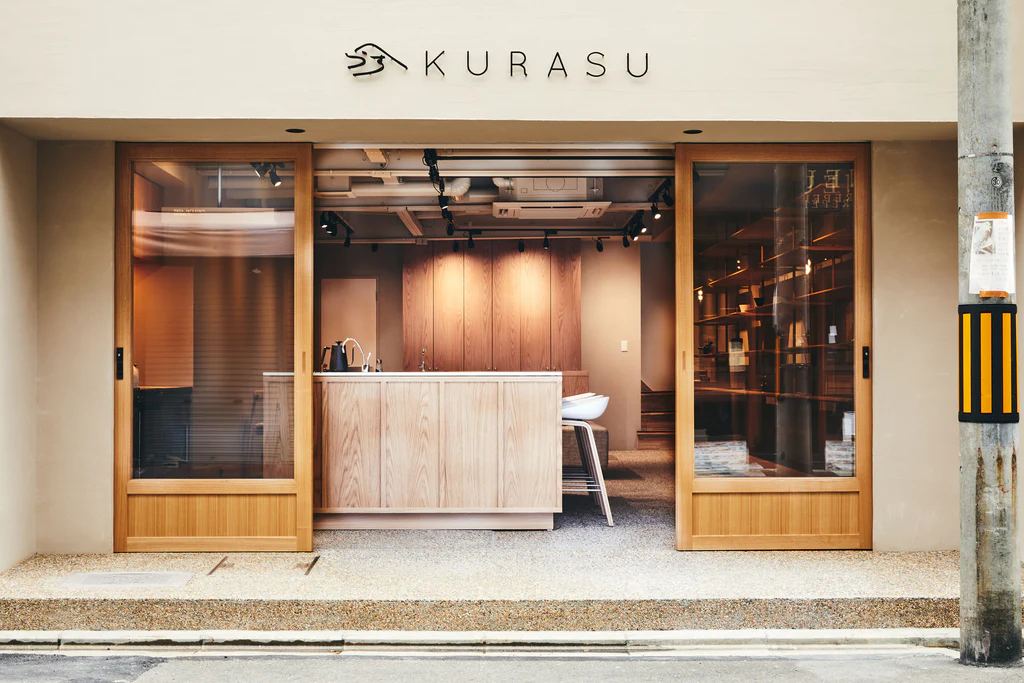
6. Kurasu — Kyoto
Address: 552 Banchō, Shimogyo Ward, Kyoto
Hours: 8:00 AM – 6:00 PM daily
Price range: ¥500 – ¥1,000
Kurasu occupies a beautiful position near Kyoto Station and has built a reputation as one of the finest specialty coffee destinations in the Kansai region — a roaster-retailer that combines exceptional coffee with one of the best curated selections of Japanese coffee brewing equipment and accessories in the country.
The cafe operation is run with the precision and hospitality that define the best Japanese coffee experiences. The baristas are extraordinarily knowledgeable and genuinely engaged in sharing that knowledge — this is a place where asking questions is welcomed and where you will learn something about coffee regardless of what you already know.
Kurasu’s own roasts are excellent — light to medium profiles that emphasise origin characteristics across a range of Ethiopian, Colombian, and Japanese-roasted Kenyan and Guatemalan coffees. The brewing is precise and the pour-over menu is among the most interesting in Kyoto.
What to order: Pour-over of the daily single origin recommendation. The flat white is also exceptional. Browse the equipment selection — Kurasu stocks the finest Japanese brewing equipment and makes an excellent source for bringing home coffee tools as souvenirs.
The honest note: Kurasu also operates an excellent online shop (kurasu.kyoto) for international customers wanting to explore Japanese specialty coffee equipment from home.
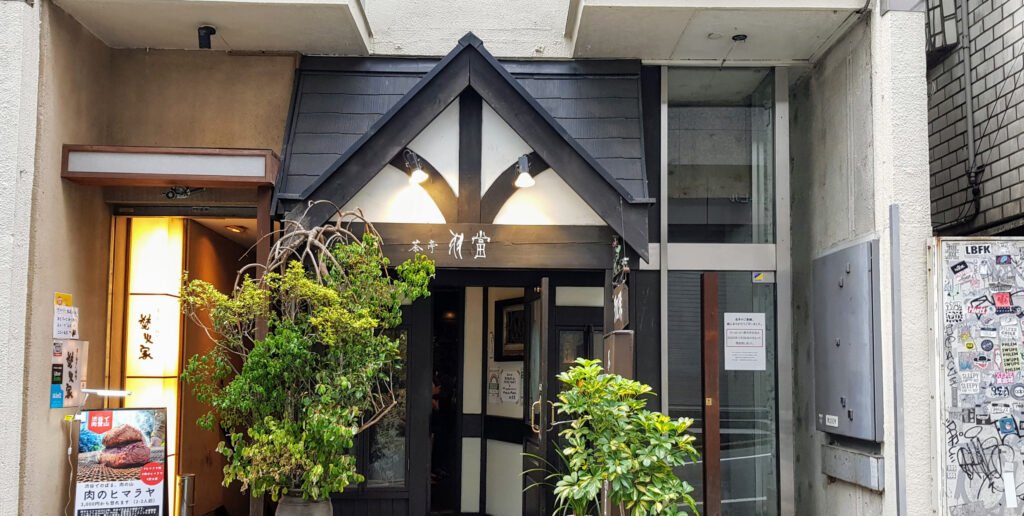
7. Chatei Hatou — Shibuya, Tokyo
Address: 1-15-19 Shibuya, Shibuya, Tokyo
Hours: 11:00 AM – 11:00 PM (closed Sunday)
Price range: ¥900 – ¥1,600
Chatei Hatou is Tokyo’s other great kissaten — the essential complement to Café de l’Ambre for anyone serious about understanding the tradition. It opened in 1989 in a Shibuya backstreet and has operated continuously since under the exacting standards of its founder.
The atmosphere is everything a kissaten should be — intimate, dark, unhurried, with jazz playing at precisely the right volume and a menu of single origin coffees prepared with hand-ground beans and nel drip filters by baristas who treat every cup as a significant act. The interior is small — perhaps 15 seats — which creates an intimacy that makes the experience feel personal rather than transactional.
The coffee at Chatei Hatou is prepared to a standard of technical excellence that matches the atmosphere. The sourcing is serious — directly sourced single origins, carefully roasted in-house, prepared with a precision that reflects 35 years of refinement. The prices are higher than most Tokyo cafes but the experience justifies every yen.
What to order: Ask the barista what they recommend — this is standard kissaten etiquette and the barista at Chatei Hatou will ask about your preferences and guide you to the right coffee. The nel drip single origin is the essential experience. The hot chocolate is also remarkable.
The honest note: Chatei Hatou is hidden in a Shibuya backstreet with no signage visible from the main road. This is deliberate. Look for it — the search is part of the experience and the reward when you find it is significant.
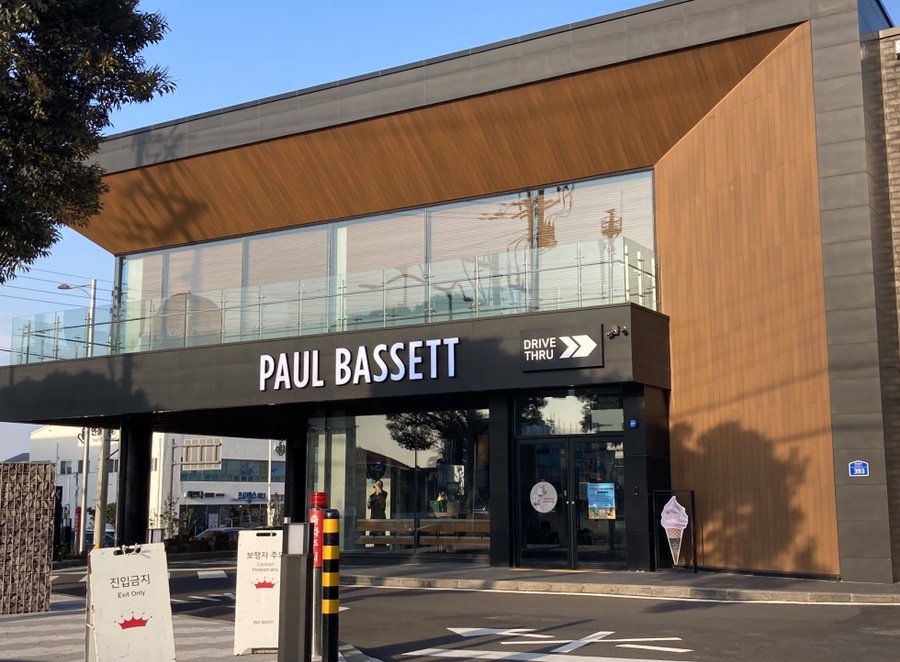
8. Paul Bassett — Multiple Locations (Osaka flagship)
Flagship: Shinsaibashi, Osaka
Address: 1-4-3 Nishishinsaibashi, Chuo Ward, Osaka
Hours: 10:00 AM – 9:00 PM daily
Price range: ¥600 – ¥1,200
Paul Bassett is an Australian barista who won the World Barista Championship in 2003 — and subsequently opened a chain of specialty coffee shops in Japan that became enormously influential in establishing third wave coffee standards across the country. The Osaka flagship in Shinsaibashi is the heart of the operation.
The coffee at Paul Bassett is exceptional across the board — espresso, filter, and cold brew all prepared to championship standards with meticulous attention to extraction and temperature. The seasonal menu changes regularly and reflects both global specialty sourcing and the seasonal sensibility that permeates Japanese food culture.
What makes Paul Bassett worth visiting beyond the coffee quality is the role it played in Japanese coffee history — bringing world-class barista competition standards into the daily café context and demonstrating that championship-level coffee could be served in a commercial setting. Many of Japan’s best current baristas trained in the Paul Bassett system.
What to order: Espresso to assess the baseline quality. The seasonal signature drink (changes quarterly) to experience the menu creativity. The filter coffee for the most direct expression of the sourcing.
The honest note: Paul Bassett has multiple locations across Osaka and Tokyo. The Shinsaibashi flagship has the best atmosphere and the widest menu. Worth combining with an afternoon in the Shinsaibashi and Dotonbori neighbourhoods.
9. Nishiya — Jimbocho, Tokyo
Address: Jimbocho area, Chiyoda, Tokyo (exact address requires searching — part of the experience)
Hours: 12:00 PM – 8:00 PM (closed irregularly — call ahead)
Price range: ¥700 – ¥1,400
Jimbocho is Tokyo’s secondhand bookshop district — a neighbourhood of extraordinary density and culture where dozens of specialist booksellers have operated for over a century, selling everything from rare manga to first edition Japanese literature to ancient maps of Edo. It is also home to some of Tokyo’s most atmospheric kissaten, which developed to serve the neighbourhood’s bookshop owners, publishers, and literary clientele.
Nishiya is the most beloved of Jimbocho’s kissaten — a tiny, dark, utterly atmospheric space that feels like stepping into a 1970s Japanese film. The owner has been making coffee here for decades using a nel drip method and a personal roasting philosophy that produces a style of coffee quite different from modern specialty coffee — darker, more full-bodied, with a richness and depth that reflects the kissaten tradition at its most characterful.
What to order: Whatever the owner recommends. This is not a menu-heavy establishment — it is a coffee philosophy expressed through a small number of carefully prepared options.
The honest note: Nishiya is genuinely difficult to find and keeps irregular hours. Treat the search as a Jimbocho neighbourhood exploration — the bookshops alone justify the trip, and finding Nishiya at the end of an afternoon among the books is the perfect Tokyo experience.
10. % Arabica Kyoto Arashiyama — Arashiyama, Kyoto
Address: 3-47 Sagatenryuji Susukinobabacho, Ukyo Ward, Kyoto
Hours: 9:00 AM – 6:00 PM daily
Price range: ¥500 – ¥900
The second % Arabica location on this list requires no apology — the Arashiyama outpost is a genuinely different experience from the Higashiyama original and deserves its own entry. Where Higashiyama sits within the ancient stone streetscape of traditional Kyoto, the Arashiyama location occupies a renovated traditional machiya house at the edge of the famous bamboo grove, with views over the Oi River and the forested mountains of western Kyoto.
The setting is among the most beautiful of any cafe in the world. The combination of the bamboo grove atmosphere, the mountain views, the renovated machiya interior, and the quality of the coffee creates an experience that is more than the sum of its parts. Drinking a flat white on the Arashiyama riverbank with the mountains reflecting in the water is one of those travel moments that is simultaneously deeply Japanese and completely universal.
The coffee quality matches the Higashiyama location — the same sourcing, the same training standards, the same precision. The Arashiyama location has a slightly more relaxed atmosphere — possibly because the bamboo grove draws visitors who are already in a contemplative mood.
What to order: Flat white or latte to drink while walking the riverbank. Single origin pour-over if you’re sitting in.
The honest note: Arashiyama is best visited very early in the morning — the bamboo grove is overwhelmed with visitors by 9 AM. Arriving at opening (9 AM) gives you the grove, the riverside, and the cafe at their most peaceful and most beautiful.
Beyond the Top 10: Japanese Coffee Worth Knowing
The Kissaten Tradition: Where to Look
The surviving kissaten are concentrated in specific Tokyo neighbourhoods — Ginza, Jimbocho, Shinjuku’s Memory Lane area (Omoide Yokocho), Koenji, and Kagurazaka. In Kyoto, the Gion and Nishiki Market areas have several excellent examples. Look for small, dark entrances, hand-painted signs, and the smell of roasting coffee. They rarely advertise.
The Kiyosumi-Shirakawa Coffee District (Tokyo)
Tokyo’s Kiyosumi-Shirakawa neighbourhood has become the city’s coffee capital — a cluster of excellent roasters and cafes within walking distance of each other. Beyond Blue Bottle, the area is home to Allpress Espresso (New Zealand), The Cream of the Crop Coffee, and several excellent Japanese roasters. A morning coffee walk through this neighbourhood covering 3–4 cafes is one of the great Tokyo food experiences.
Specialty Coffee Outside Tokyo and Kyoto
Osaka: Beyond Paul Bassett, Trunk Coffee and Mel Coffee Roasters are worth seeking out.
Fukuoka: Olf Coffee and Coffee County represent some of the best specialty coffee in Kyushu.
Sapporo: Morihico Coffee — founded in 1996 — is one of Japan’s original specialty roasters and worth visiting in its beautiful Hokkaido home.
Kanazawa: Tamaruya Honten’s Higashi Chaya cafe combines the city’s traditional culture with excellent coffee in an extraordinary setting.
Japanese Coffee Culture: The Practical Guide
What to Order and How
Kissaten ordering etiquette: In a traditional kissaten, the correct approach is to sit down, wait for the barista to acknowledge you, and either ask for their recommendation or order a specific preparation method (nel drip, siphon, hand drip) with your preferred origin if you have one. Most kissaten masters appreciate genuine interest and will spend time explaining their coffee if you show curiosity.
Third wave cafe ordering: More straightforward — filter or espresso based, choose your origin or drink style. Single origin pour-over is always worth choosing over milk-based drinks on your first visit to assess the coffee quality directly.
Japanese coffee vocabulary:
- Kohi (コーヒー): Coffee
- Hotto (ホット): Hot
- Aisu (アイス): Iced
- Burendo (ブレンド): Blend
- Shinguru orijin (シングルオリジン): Single origin
- Kapuchino (カプチーノ): Cappuccino
- Ratte (ラテ): Latte
- Amerikan (アメリカン): Weak drip coffee (not americano)
Morning service (モーニング): Many kissaten and cafes in Japan — particularly in Nagoya and the Chubu region — offer a “morning service” where a coffee purchased before 11 AM comes with free toast, a hard-boiled egg, and sometimes a small salad. This is one of the great value propositions in Japanese food culture. Look for モーニングサービス signs.
Tipping
Japan does not have a tipping culture and tipping in a cafe — as anywhere in Japan — is not expected and may cause confusion or embarrassment. The price on the menu is the price you pay. Exceptional service is acknowledged with a genuine thank you (arigatou gozaimashita) rather than additional payment.
Wifi and Working
Japan’s cafe culture has a more complicated relationship with laptop working than Western cafe culture. Many kissaten explicitly discourage or prohibit laptop use — the atmosphere of these spaces is designed for conversation and contemplation, not productivity. Modern specialty cafes are more likely to accommodate working but it is always worth checking.
The most laptop-friendly cafes in Japan are the chain operations — Doutor, Excelsior, and the ubiquitous Starbucks — which have reliable wifi and a culture of extended sitting. The independent specialty cafes and all kissaten generally expect a more engaged relationship with the space.
A Suggested Coffee Itinerary
Tokyo Coffee Day
8:00 AM: Fuglen in Tomigaya for the opening — Scandinavian precision with Japanese hospitality, cardamom bun included.
10:30 AM: Walk to Omotesando. Omotesando Koffee for a precisely made espresso.
12:30 PM: Train to Kiyosumi-Shirakawa. Blue Bottle flagship for single origin pour-over and the neighbourhood atmosphere.
3:00 PM: Jimbocho by train. Browse the bookshops. Find Nishiya for an afternoon nel drip kissaten experience.
6:00 PM: Shibuya. Chatei Hatou for the evening kissaten — dark, jazz, exceptional coffee.
Kyoto Coffee Morning
8:00 AM: Arashiyama. % Arabica riverside before the bamboo grove crowds arrive.
10:30 AM: Higashiyama. % Arabica original location — flat white with the ancient streetscape view.
1:00 PM: Shimogyo Ward. Kurasu for pour-over and equipment browsing.
3:00 PM: Gion area kissaten exploration — walk the backstreets looking for the hand-painted signs.
Final Thoughts: What Japan Does to Your Understanding of Coffee
Spending time in Japan’s cafe culture does something permanent to your relationship with coffee. It demonstrates — through the kissaten masters who have been perfecting the same cup for 40 years and the third wave baristas treating each pour-over as a significant act — that coffee is not just a caffeine delivery mechanism but a craft with as much depth and complexity as any other.
You will go home and make your coffee differently. You will be more patient with the process. You will pay more attention to temperature, ratio, and the quality of the water. You will understand, in a way that is difficult to articulate but impossible to unfeel, that the difference between a good cup of coffee and an extraordinary one is mostly a matter of attention.
That is what Japan teaches about coffee. And about almost everything else.