
There are moments in travel that stop everything — where a trail curves and suddenly the whole world opens into something you were not prepared for. Sapa trekking delivers that moment, again and again.
Perched at 1,600 metres in the Hoang Lien Son range of northern Vietnam, Sapa is a mist-wrapped mountain town surrounded by cascading rice terraces, ancient ethnic minority villages, and the highest peaks in all of Indochina. It is, without question, Vietnam’s greatest trekking destination — and in 2026, it is more accessible, more rewarding, and more talked-about than ever.
Whether you are lacing up for your first overnight trek through a Black Hmong village, pushing hard for the summit of Fansipan, or looking for the kind of authentic cultural homestay experience that travel memories are made of, this complete Sapa trekking guide has everything you need to plan your trip with confidence.
What Makes Sapa Trekking So Special?
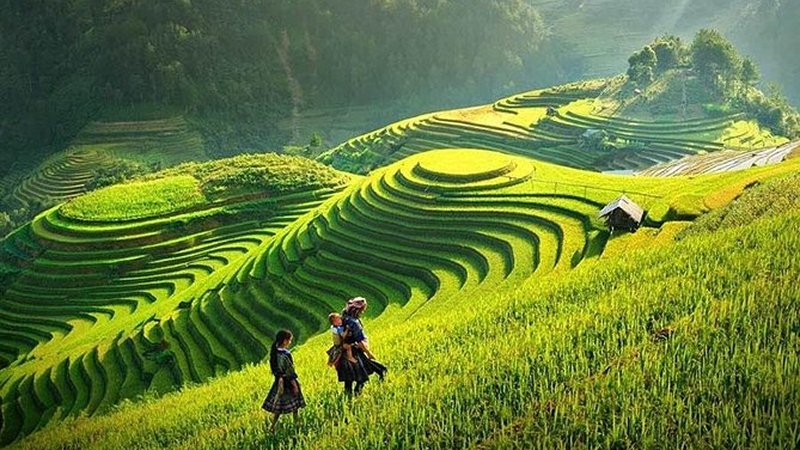
Sapa trekking is not like hiking in most other destinations. You are not just walking through beautiful scenery — you are walking through living culture, working farmland, and centuries-old tradition.
The region is home to five main ethnic minority groups: the Black Hmong, Red Dao, Tay, Giay, and Flower Hmong communities. Trekking in Sapa takes you along hidden trails, through bamboo forests, across rivers, and past fields where water buffalo graze — and along the way, you meet local people, share a meal in a family home, and experience the daily rhythms of life in the mountains
The landscape itself is extraordinary. The Muong Hoa Valley stretches below Sapa town in sweeping layers of hand-cut rice terraces that generations of farming families have built and maintained for hundreds of years. Add bamboo forests, waterfalls, cloud-draped ridgelines, and Fansipan towering at 3,143 metres and you have one of Southeast Asia’s most complete trekking destinations.
Sapa has become Instagram-famous thanks to its scenic rice terraces, steep mountains, and narrow valleys that are home to tribal communities that have lived here for centuries. But the best Sapa trekking experiences — the ones people talk about for years — happen when you go beyond the town and get deep into the valley on foot.
Best Sapa Trekking Routes in 2026
Sapa trekking offers an array of experiences to delight every level of trekker — from leisurely easy routes to moderate trails with scenic views to challenging paths for the truly adventurous. Here are the five routes that consistently deliver the best experiences.
1. Sapa Town to Cat Cat Village — Easy Sapa Trek | 3 km | 2–3 Hours
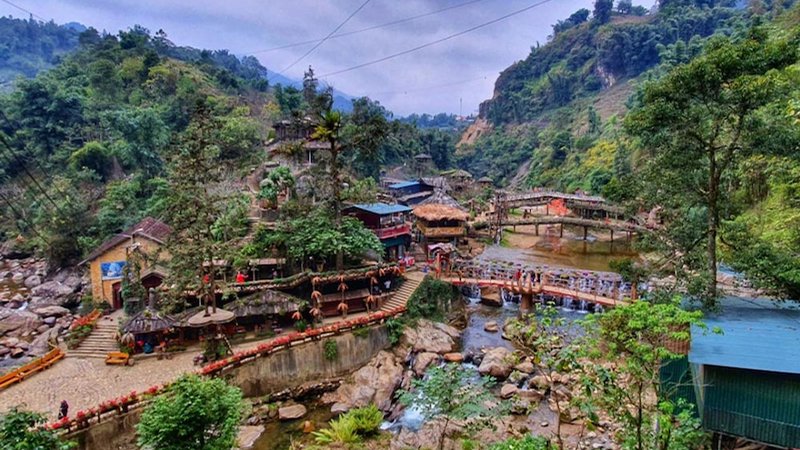
If this is your first morning in Sapa, Cat Cat village is exactly where to begin. The trek from Sapa town to Cat Cat Village offers a scenic journey into the cultural heart of the Muong Hoa Valley. The path descends from the town centre, leading through tiered rice fields and past a flowing waterfall, with opportunities to see demonstrations of weaving, indigo dyeing, and silver-making.
The route is well-maintained with paved and stone sections, making it accessible to almost everyone. An entrance ticket of around 70,000 VND applies at the village gate.
This is a warm-up walk rather than a full-day challenge, but for many visitors, the valley views here are their first real introduction to what makes Sapa trekking so unforgettable.
- Difficulty: Easy
- Distance: 3 km
- Duration: 2–3 hours
- Guide needed: No
- Best for: First-time visitors, families, casual day walkers
2. Sapa to Lao Chai and Ta Van — The Classic Overnight Sapa Trek | 12 km | 5–6 Hours
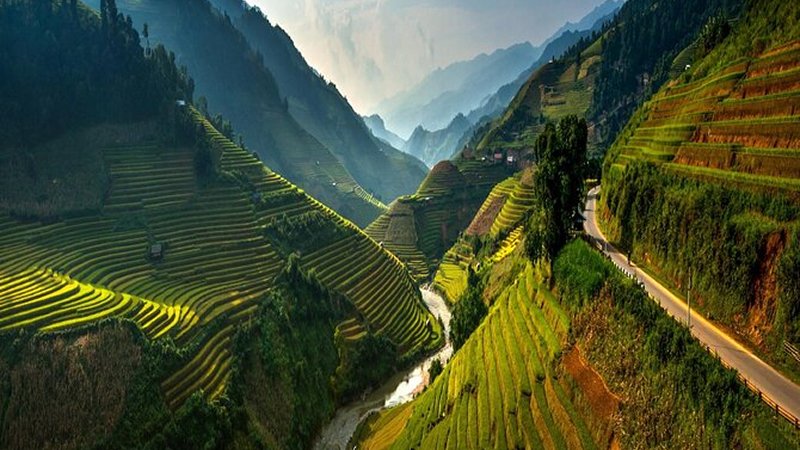
This is the most popular Sapa trekking route, and it earns that reputation honestly. The trail from Sapa to Ta Van offers visitors a journey through the scenic valleys of northern Vietnam, a region renowned for its stunning terraced rice fields, passing directly through the villages of several ethnic minority groups and providing an opportunity to observe their traditional way of life and the unique architecture of their homes.
Most trekkers do this as an overnight trip, spending the night in a local homestay in Ta Van village before returning to Sapa the following morning. The sunrise over Muong Hoa Valley from Ta Van — golden light washing across the terraces below a wall of mountain peaks — is the image that defines Sapa trekking for most people who make the journey.
A local guide is strongly recommended and can be arranged through any trekking agency in Sapa town.
- Difficulty: Easy to moderate
- Distance: 12 km
- Duration: 5–6 hours trekking + overnight
- Guide needed: Strongly recommended
- Best for: First overnight treks, photography, cultural immersion, couples
3. Ma Tra to Ta Phin Village — Cultural Sapa Trek | 7 km | 3–4 Hours
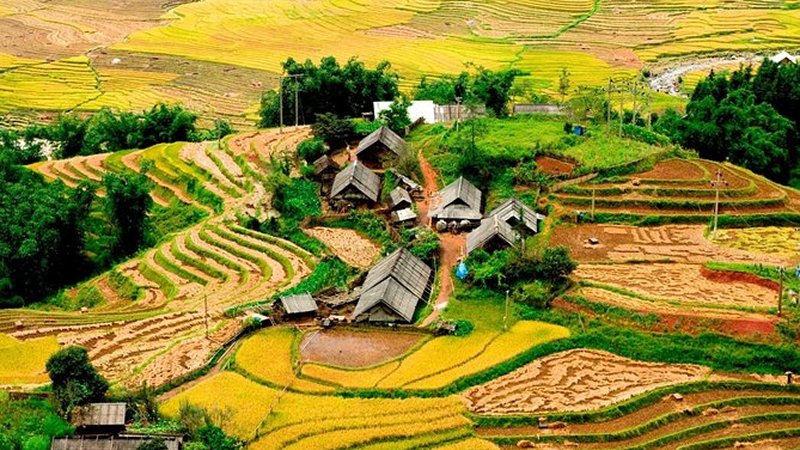
Ma Tra and Ta Phin are two villages inhabited by the H’Mong and Red Dao people, located not far from Sapa town centre. The travel route between these two villages is only about 7 km, but it boasts an extremely majestic and charming natural landscape. When coming to Ma Tra and Ta Phin, visitors experience daily life as well as the unique cultural features of the two hill tribes.
This route is a favourite for travellers who want genuine cultural connection without a strenuous trek. The trail is paved and quite flat, making it convenient to move on without difficulty. A local guide who speaks English will add enormous value here — unlocking insights into Hmong and Red Dao customs that you simply cannot access on your own.
- Difficulty: Easy
- Distance: 7 km
- Duration: 3–4 hours
- Guide needed: Recommended for cultural context
- Best for: Cultural travellers, older trekkers, those with limited time
4. Ban Khoang and Ta Giang Phinh — Off-the-Beaten-Path Sapa Trekking | 2 Days
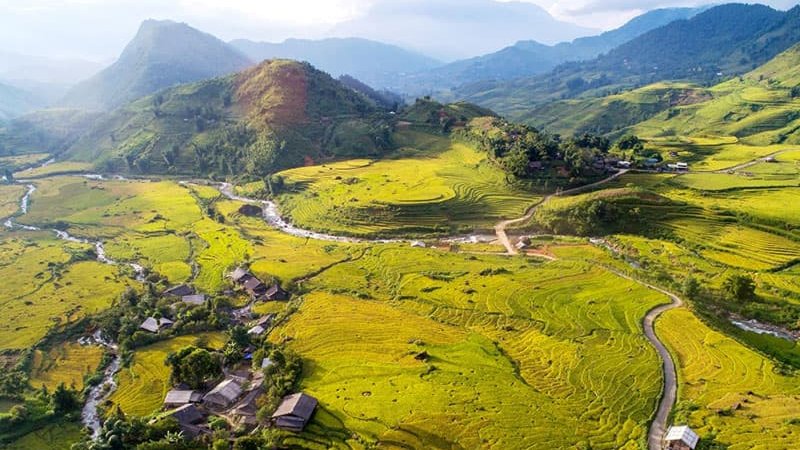
For trekkers who want to escape the most-visited routes, this two-day circuit into the Ban Khoang and Ta Giang Phinh area is the answer. These villages are inhabited by Black H’Mong and Red Dao ethnic minorities who still maintain their traditional customs and unique way of life. Trekking this route offers an opportunity to experience authentic ethnic culture, local daily life, and wonderful landscapes of vegetation, waterfalls, and terraced rice fields.
This is the Sapa trekking route to choose if authentic village life and quiet trails are your priority. A licensed local guide is required, and this is non-negotiable — trails in this area are unmarked and regularly cross private farmland.
- Difficulty: Moderate
- Distance: 20–24 km over 2 days
- Duration: 2 days, 1 overnight homestay
- Guide needed: Required
- Best for: Adventurous trekkers, off-the-beaten-path seekers, multi-day explorers
5. Fansipan Summit — The Ultimate Sapa Trekking Challenge | 3,143m | 2–3 Days
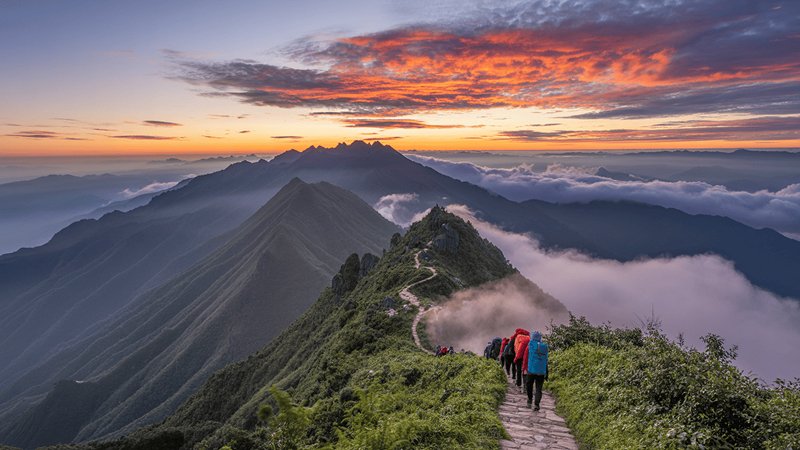
At 3,143 metres, Fansipan is the highest mountain in Vietnam, Laos, and Cambodia — the undisputed Roof of Indochina. Fansipan’s commanding position overlooking green valleys and terraced rice paddies draws hikers by the bus load, making this a popular — sometimes too popular — trek from Sapa town.
There are three routes to the summit: Tram Ton, at 11 km over two days and one night, is the fastest and most direct route, ideal for beginners, offering a gradual ascent with campsites for rest and spectacular panoramic views — around seven hours up and six hours down the next day. Sin Chai is just 9 km but is done over two or three days as the terrain is technical, with dense vegetation and steep sections.
At the summit, panoramic views stretch across northern Vietnam’s lush landscape, and the peak features a striking 21-metre-tall bronze Buddha statue surrounded by additional religious structures.
A cable car also operates from Sapa town to near the summit for those who prefer a shorter visit — but for trekkers, reaching the top on foot remains the definitive Sapa trekking achievement.
- Difficulty: Challenging
- Distance: 9–11 km one way depending on route
- Duration: 2–3 days
- Guide needed: Licensed guide and trekking permit required
- Cost: $80–120 USD including guide, permit, meals, and camping
- Best for: Experienced trekkers, peak-baggers, adventure seekers
Best Homestays for Sapa Trekking 2026
A homestay is an awesome way to learn about the local culture while trekking in Sapa. At a homestay, everything is taken care of for you. You eat home-cooked meals, sleep in a traditional stilt house, and experience the kind of genuine mountain hospitality that no hotel can replicate.
Prices typically range from $8 to $20 USD per night including dinner and breakfast — outstanding value for what is often the most memorable night of an entire Vietnam trip.
Hmong Sisters Homestay — Ta Van Village
Run by Black Hmong women in the heart of Muong Hoa Valley, this riverside homestay has earned outstanding reviews for its cooking, warmth, and evening embroidery workshops around the fire. One of the most consistently recommended stops on the Lao Chai–Ta Van Sapa trekking route. Price: From $12 per night including meals
Red Dao Cultural House — Ta Phin Village
Ta Phin village sits 17km from Sapa town and is rarely included on mass-market tours. This homestay includes a traditional herbal bath each evening — a Red Dao remedy using locally gathered mountain plants that has been used for generations. An extraordinary experience after a full day of Sapa trekking. Price: From $15 per night including meals
Ban Ho Riverside Lodge — Ban Ho Village
A wooden stilt house on the Muong Hoa river in the Tay village of Ban Ho. The host arranges morning fishing trips and traditional cooking classes. Private rooms available for those who prefer not to share dormitory-style accommodation. Price: From $18 per night including meals
Booking tip: The best homestays for Sapa trekking are often booked through local agencies in Sapa town rather than international platforms. You get better pricing and the money goes directly to the host family — not a middleman.
Best Time for Sapa Trekking
Travellers can go trekking in Sapa all year round, depending on the time and season they would like to start their journey. However, the experience varies dramatically depending on when you visit.
September to October — Best Overall Season for Sapa Trekking
This is peak season and for very good reason. August and September are the months when green terraced rice fields turn yellow and are in full splendour. Families take turns to harvest rice, and depending on the different planting times of different villages, the harvest time also varies. October brings clearer skies than almost any other month.
This is the season for photographers, culture lovers, and anyone doing Sapa trekking for the first time. Book homestays at least two to three weeks in advance.
September to October — Best Overall Season for Sapa Trekking
This is peak season and for very good reason. August and September are the months when green terraced rice fields turn yellow and are in full splendour. Families take turns to harvest rice, and depending on the different planting times of different villages, the harvest time also varies. October brings clearer skies than almost any other month.
This is the season for photographers, culture lovers, and anyone doing Sapa trekking for the first time. Book homestays at least two to three weeks in advance.
June to August — Rainy Season
If you want to make the most of your time trekking in Sapa, it is best to plan around the rain which occurs mainly during the summer season from June to August. This is not the ideal time for Sapa trekking as rice paddy fields are muddy and the rocky terrain will be slippery.
That said, the valley turns intensely green and tourist numbers drop significantly, meaning lower prices and a more local atmosphere. Not recommended for Fansipan trekking.
November to February — Cold and Atmospheric
If you enjoy cold weather, the winter season runs from December to February. Temperatures drop sharply, especially above 1,800 metres where snow occasionally falls. Most of the time it is foggy, and the path may be a bit muddy and slippery — so good trekking shoes and a local guide are essential.
A moody, quiet, and magical time for Sapa trekking if you pack correctly.
Sapa Trekking Packing List
Getting your kit right is essential. Weather in Sapa changes fast — a clear morning can become cold and wet within an hour at elevation.
When trekking in Sapa Vietnam, pack the following essentials: sturdy hiking boots as Sapa’s terrain can be rugged and uneven; appropriate clothing in layers due to fluctuating temperatures including breathable moisture-wicking shirts, a waterproof jacket, warm layers for cooler evenings, and quick-dry pants; a comfortable lightweight backpack; a reusable water bottle — consider a purification system if refilling from local sources; sun protection including hat, sunglasses, and sunscreen; and insect repellent to keep mosquitoes at bay.
Additional items specific to Sapa trekking:
- Trekking poles — strongly recommended for steep, muddy descents
- Head torch with spare batteries for early morning starts and homestay evenings
- Basic first aid kit including blister plasters
- Warm gloves and a beanie if visiting October to February
- Sandals or flip-flops for homestay evenings
- Cash in Vietnamese Dong — ATMs are limited beyond Sapa town
How to Get to Sapa from Hanoi
By Overnight Train (Most Recommended)
The overnight sleeper train from Hanoi’s Tran Quy Cap station to Lao Cai station, followed by a 38km bus ride to Sapa town, remains the most atmospheric way to arrive. The overnight train is significantly more expensive than the bus but clean and quiet compared to other sleeper trains. Book a soft sleeper cabin for the best experience — fares run $15–25 USD each way. The journey takes 8–9 hours overnight, arriving fresh for a first morning of Sapa trekking.
By Direct Bus
Tourist coaches operate from Hanoi’s My Dinh station directly to Sapa town in 5–6 hours. Modern reclining-seat coaches cost around $10–15 USD and are a practical, faster alternative to the train.
By Private Car
The fastest option at 4–5 hours but significantly more expensive. Best for groups, families with young children, or those connecting from other northern Vietnam destinations.
Do You Need a Guide for Sapa Trekking?
For the Cat Cat village walk, no guide is needed. For every other route in this guide, hiring a local guide is strongly recommended — and for Fansipan, it is mandatory.
If you are a solo traveller or just feel more comfortable with a guide, you can easily book an organised tour at any one of the trekking companies in Sapa. It is also fairly common for local people to offer to be your guide for the day and show you some less common trails in the area.
Sapa Sisters is one example — an ethnic minority Hmong trekking group based in Sapa that is entirely owned and run by women, taking trekkers beyond the usual routes to discover hidden trails, peaceful villages, and spectacular viewpoints. Hiring guides like these means your money goes directly to the communities whose land you are walking through.
Expect to pay $20–40 USD per day for a local guide including their transport and meals.
Responsible Sapa Trekking — How to Visit Well
There are serious concerns about over-tourism, unbridled development, and respect, with many villages becoming little better than human zoos for visitors. It does not take much extra effort, however, to get outside the touristy bubble.
Here is how to trek in Sapa responsibly:
Stick to established trails to protect terraced farmland — a single shortcut across a paddy field can destroy weeks of agricultural work. Always ask permission before photographing local people, particularly women and children. Buy embroidery, handicrafts, and produce directly from village women rather than from souvenir shops in Sapa town. Avoid giving sweets, money, or pens to children — however well-intentioned it feels, it can encourage school absenteeism. Stay in locally-owned homestays. Eat where locals eat. Hire local guides from the communities themselves.
Every choice you make as a trekker either strengthens or erodes the communities that make Sapa trekking extraordinary.
Final Thoughts on Sapa Trekking
Sapa trekking does not reveal itself from a hotel window or a cable car platform. It reveals itself on foot — one muddy kilometre at a time, deep in a valley where the mist rolls in over the ridgeline, your Hmong guide is pointing out a plant her grandmother used to make dye, and the only sound is wind moving through the terraces.
That is what separates Sapa trekking from almost every other travel experience in Southeast Asia. It is not a highlight reel — it is a full, slow, deeply felt immersion into some of the most breathtaking mountain landscapes and the most resilient, beautiful communities anywhere in the world.
Pack your boots. The trails are waiting.