
If there is one place on Earth that will make you feel like you have stepped onto another planet, it is the Gobi Desert in Mongolia. Stretching across thousands of kilometers of raw, untouched wilderness, the Gobi is a land of towering sand dunes that sing in the wind, cliffs that glow fiery red at sunset, ancient dinosaur graveyards, and nomadic families living exactly as their ancestors did centuries ago.
This Gobi Desert travel guide will walk you through everything you need to know — the best things to see and do, when to go, how to get there, where to stay, what to pack, and how much to budget — so you can plan an unforgettable Mongolia desert adventure in 2026.
Where is the Gobi Desert?
The Gobi Desert is one of the largest deserts in Asia, covering more than 1.2 million square kilometers. It stretches across southern Mongolia and northern China.
Most travelers explore the Mongolian side of the Gobi because it offers vast untouched landscapes, traditional nomadic culture, and spectacular natural attractions. Tours typically begin in Ulaanbaatar, the capital of Mongolia, before heading south into the desert.
Because the Gobi is so remote, traveling here feels like stepping into a completely different world — one where endless horizons, star-filled skies, and ancient landscapes dominate the scenery.
Why Visit the Gobi Desert?
The Gobi Desert is not just a travel destination. It is a once-in-a-lifetime experience. There are very few places left on Earth where you can ride a camel across towering sand dunes in the morning, hike through an ice-filled canyon in the afternoon, and fall asleep under the most star-filled sky you have ever seen at night. The Gobi offers all of that and more.
It is also one of the world’s most important paleontological sites. Dinosaur fossils were first discovered here over a century ago, and the desert continues to yield extraordinary finds to this day. Walking the same ground where ancient creatures roamed millions of years ago is a genuinely awe-inspiring experience that no museum can replicate.
Beyond its natural wonders, the Gobi is home to some of Mongolia’s most resilient nomadic communities. Camel herders and goat farmers still live here as their ancestors did for thousands of years, moving with the seasons across the vast desert landscape. Spending time with these families — sharing meals in their gers, learning about their way of life, hearing their stories — is often the experience that travelers remember most deeply long after they return home.
Best Time to Visit the Gobi Desert
Timing your visit to the Gobi Desert is one of the most important decisions you will make. The desert experiences extreme temperature swings across the seasons, and choosing the right time can make the difference between a comfortable, magical trip and a genuinely challenging one.
Late Spring — May to June is widely considered one of the best times to visit. Temperatures are warm but not yet brutal, the landscape begins to show patches of green after winter, and the air is clear and fresh. Wildlife is active, wildflowers dot the steppe, and the dunes at Khongoryn Els are at their most beautiful.
Early Autumn — September to October is the other ideal window. Summer heat has faded, the skies are vivid blue, and the golden light of autumn makes every photograph look like a painting. Temperatures are comfortable during the day, and the nights are cool and perfect for stargazing.
Summer — July to August is the peak tourist season and coincides with the famous Naadam Festival in Ulaanbaatar. The Gobi can be extremely hot during this period, with temperatures sometimes exceeding 40 degrees Celsius in the middle of the day. If you visit in summer, plan your outdoor activities for early morning and late afternoon, and rest during the midday heat.
Winter — November to March is brutal in the Gobi. Temperatures can plunge to minus 40 degrees Celsius, fierce winds sweep across the open desert, and many ger camps close entirely. Winter travel is possible for the truly adventurous, but it requires serious preparation, the right gear, and an experienced local guide.
For most travelers, May to June and September to October offer the perfect balance of good weather, comfortable temperatures, and stunning natural beauty.
How to Get to the Gobi Desert
Getting to the Gobi Desert requires some planning, but the journey itself is part of the adventure. Here is how most travelers make it happen.
From Ulaanbaatar by Domestic Flight is the fastest and most comfortable option. Umnugovi Province — the heart of Gobi tourism — is served by Dalanzadgad Airport, which receives regular domestic flights from Ulaanbaatar’s Chinggis Khaan International Airport. The flight takes approximately one and a half hours and offers stunning aerial views of the desert landscape as you approach.
From Ulaanbaatar by Jeep or 4WD is the classic overland option and the preferred choice for most tour groups. The drive from Ulaanbaatar to Dalanzadgad takes around eight to ten hours depending on road conditions. Roads in the Gobi are largely unpaved, so a sturdy 4WD vehicle and an experienced driver are essential. Many travelers find the drive itself to be a highlight — the landscape changes dramatically as you leave the city behind and the steppe opens up around you.
By Organized Tour is the easiest and most practical option for most international visitors. Tour companies in Ulaanbaatar offer everything from budget group tours to fully private luxury expeditions. A good tour package includes transport, accommodation in ger camps, meals, a guide, and all logistics — leaving you free to simply enjoy the experience.
By Train and Local Transport is possible but time-consuming. The Trans-Mongolian Railway stops at Sainshand in the Eastern Gobi, from where you can arrange onward transport by shared vehicle or hired driver. This option suits budget travelers with plenty of time and a spirit of adventure.
Top 6 Things to See and Do in the Gobi Desert
1. Khongor Sand Dunes (Khongoryn Els) — The Singing Sands
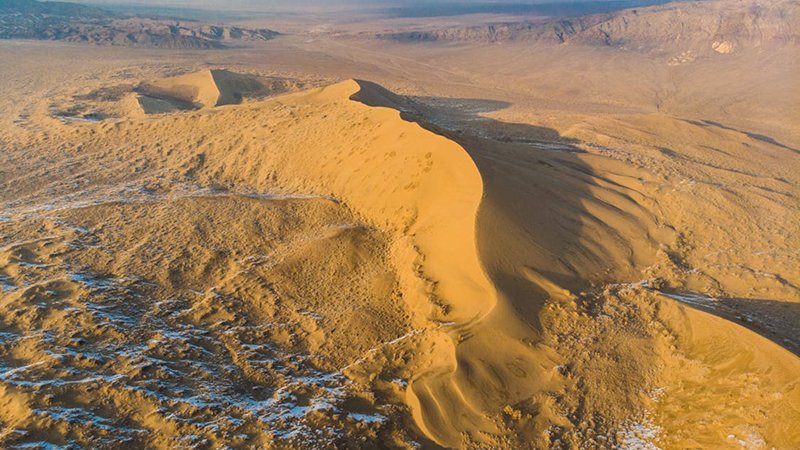
The Khongor Sand Dunes are the crown jewel of the Gobi Desert and an absolute must-see. Stretching about 130 km long and rising 200 meters high, these massive dunes create a singing sound when the wind shifts — a deep, rumbling hum that seems to rise from the earth itself. Locals call them the “Singing Sands,” and hearing them for the first time is genuinely spine-tingling.
Climbing the dunes is the highlight of any Gobi tour. The ascent is physically demanding, but reaching the top rewards you with a panoramic view that will take your breath away. At sunset, the dunes glow gold and orange, and the silence is total. At the base, you can ride Bactrian camels with local herder families — an experience that feels timeless.
Don’t miss:
- Climbing to the top at sunrise or sunset
- Camel riding with local nomadic families
- Staying at a ger camp for direct dune access
- Bringing plenty of water and wearing good shoes
2. Flaming Cliffs (Bayanzag) — Mongolia’s Dinosaur Graveyard
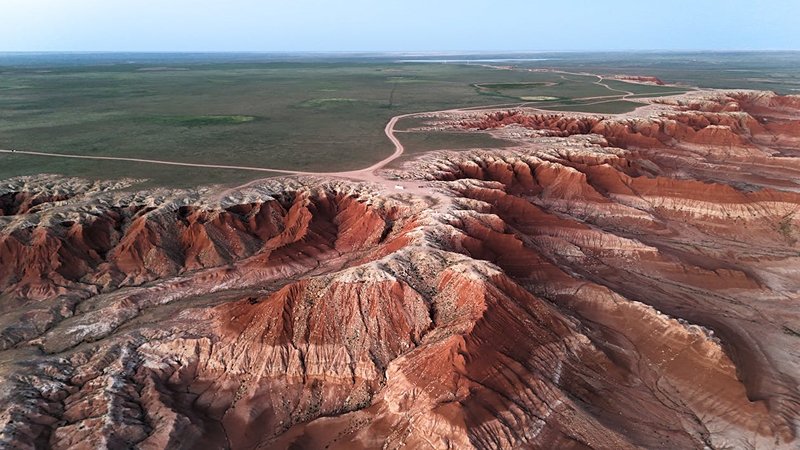
If you have ever been fascinated by dinosaurs, the Flaming Cliffs will feel like standing inside a museum — except the museum is a vast, open desert and the exhibits are millions of years old. Known locally as Bayan Zag, these red sandstone cliffs take on stunning red and orange hues during sunset, making them one of the most photographed spots in Mongolia.
In 1921, American explorer Roy Chapman Andrews discovered the first dinosaur eggs ever found here, completely changing the scientific understanding of how dinosaurs reproduced. Walking along the cliffs at sunset, when the entire landscape turns a deep, burning red, is one of the most dramatic and memorable experiences in all of Mongolia.
Don’t miss:
- Arriving at least an hour before sunset for the best colors
- Looking out for fossil fragments along the cliff base
- Photographing the dramatic red and orange rock layers
- Learning about Roy Chapman Andrews at the site
3. Yolyn Am (Eagle Valley) — A Hidden Ice Gorge in the Desert
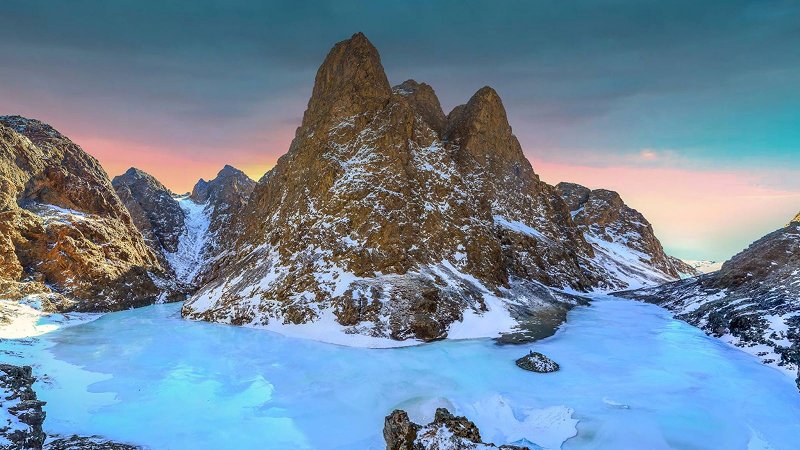
One of the most surprising places in the Gobi Desert, Yolyn Am is a deep, narrow gorge tucked inside the Gurvan Saikhan Mountains. What makes it truly extraordinary is that even in the middle of the desert, the gorge is so deep and shaded that ice remains on the ground well into summer — a phenomenon you simply would not expect in a desert landscape.
The valley is lush and green compared to the surrounding desert, offering incredible contrasts. The hike through the valley takes around one to two hours and is relatively easy. You may spot ibex, bearded vultures, and other wildlife along the towering walls of the gorge.
Don’t miss:
- Walking the full gorge trail for the best ice views
- Spotting ibex and rare birds along the canyon walls
- Experiencing the dramatic contrast of ice inside a desert
- Visiting in early summer when ice is thickest
4. Tsagaan Suvarga (White Stupa) — The Colorful Cliff Formation
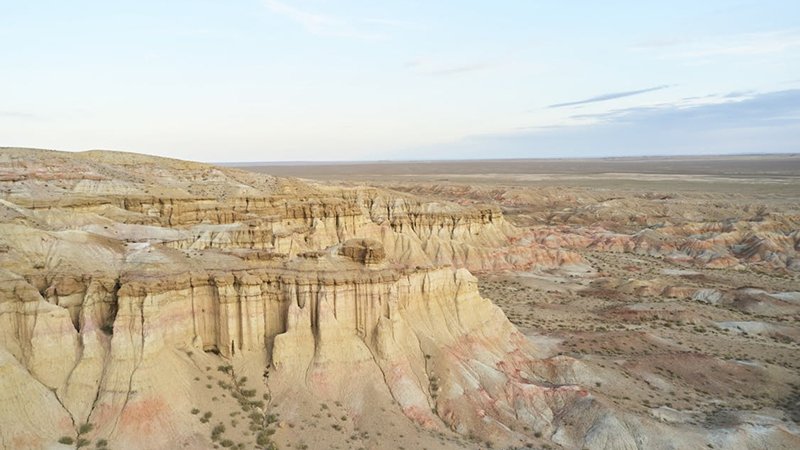
Often overlooked in favor of the Flaming Cliffs, Tsagaan Suvarga is a geological wonder that deserves far more attention. The cliffs display layers of red, orange, yellow, and white — a natural canvas that hints at millions of years of geological history and rich mineral deposits hidden within the desert’s soil.
Early morning and late afternoon light transform this formation into something truly magical for photographers and nature lovers alike. The remote location means fewer crowds, making it a peaceful and deeply beautiful stop on any Gobi Desert itinerary.
Don’t miss:
- Visiting at sunrise or sunset for the best colors
- Photographing the multi-colored sandstone layers up close
- Combining this stop with the Flaming Cliffs on the same day
- Looking out for the unique mineral color variations in the rock
5. Khavtsgait Petroglyphs — Ancient Rock Art
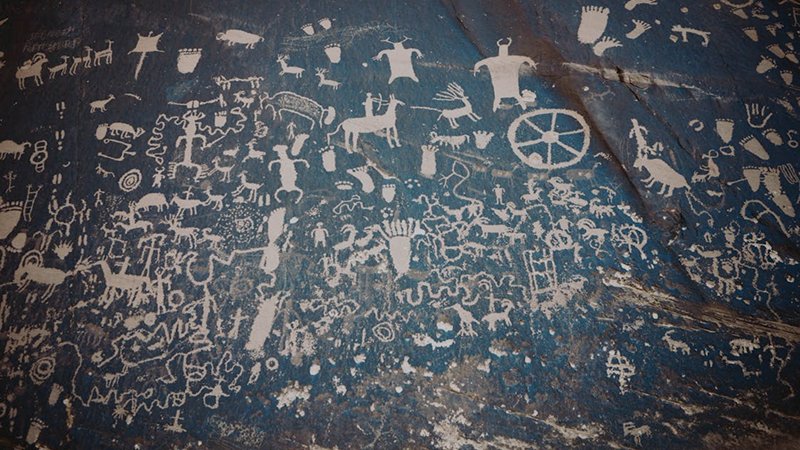
For a dose of human history, the Khavtsgait Petroglyphs are extraordinary. Located on a magnificent viewpoint overlooking the vast Gobi Desert plains, these ancient carvings date back as far as 8,000 years, featuring scenes of galloping horses, hunters, camel riders, and Mongolian gers etched into the rock by hands long gone.
Standing in front of these rock carvings, knowing that humans were here thousands of years ago leaving their mark on the stone, puts the vastness of the Gobi in a humbling perspective. It is one of those rare travel moments that makes you feel deeply connected to the sweep of human history.
Don’t miss:
- Looking for carvings of horses, camels, and hunters
- Taking time to soak in the panoramic desert views
- Visiting in the morning for the best light on the rock art
- Combining this stop with nearby natural attractions
6. Stargazing in the Gobi Desert — A Sky Like No Other
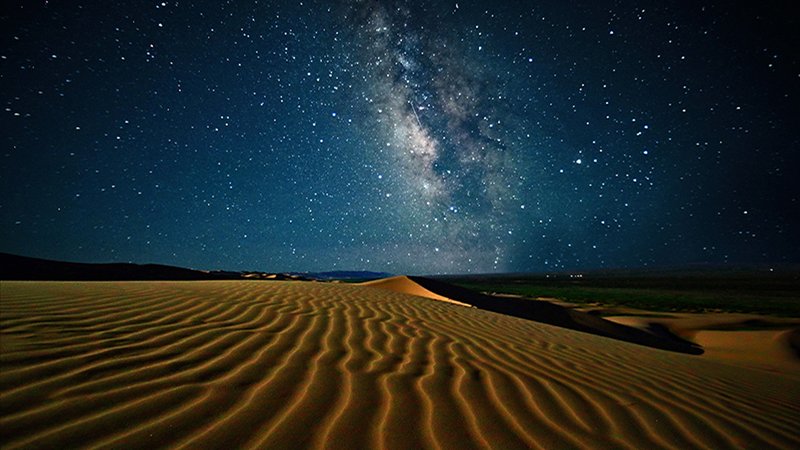
With almost no light pollution for hundreds of kilometers in every direction, the Gobi Desert offers some of the most spectacular stargazing on Earth. On a clear night, the Milky Way stretches from horizon to horizon in a display that is difficult to describe and impossible to forget.
Staying overnight at a ger camp puts you in the perfect position to experience this breathtaking natural wonder. Simply bring a warm blanket, lie on your back under the open sky, and prepare to feel very small in the most wonderful way possible. This is the kind of experience that stays with travelers for a lifetime.
Don’t miss:
- Choosing a ger camp far from any town for the darkest skies
- Visiting between May and October for the clearest nights
- Bringing a warm jacket as desert nights get surprisingly cold
- Trying astrophotography — even a phone camera captures the Milky Way
Where to Stay in the Gobi Desert
Accommodation in the Gobi Desert is a memorable part of the experience in itself. Forget hotels and guesthouses — out here, you sleep in gers.
Ger Camps are the standard and most popular accommodation option throughout the Gobi. These are clusters of traditional Mongolian felt tents set up across the desert landscape, usually near a key attraction. They range from basic budget camps to surprisingly comfortable semi-luxury setups with proper beds, electricity, and hot showers. Most ger camps include meals — typically hearty Mongolian food served in a central dining ger. Falling asleep in a ger with the wind howling softly outside and waking up to an endless desert sunrise is an experience unlike anything a conventional hotel can offer.
Nomadic Family Homestays offer the most authentic and intimate Gobi experience. Some tour operators can arrange for travelers to spend a night or two with actual nomadic herding families in their private gers. You share their food, hear their stories, help with small daily tasks, and experience the rhythm of a way of life that has existed for centuries. It is humbling, warm, and deeply moving.
Luxury Ger Camps have grown significantly in recent years, catering to travelers who want comfort without sacrificing the authentic desert atmosphere. These camps offer well-furnished gers with private bathrooms, gourmet meals, guided excursions, and occasionally even spa services — all set against the backdrop of the open Gobi.
For most travelers, booking accommodation as part of a tour package is the easiest approach. Independent accommodation booking in the Gobi can be challenging, as many camps have limited online presence and communication.
What to Eat in the Gobi Desert
Mongolian food is hearty, meat-focused, and perfectly suited to the demands of life in a harsh desert environment. Eating in the Gobi is a cultural experience as much as a culinary one.
Khorkhog is arguably the most iconic Mongolian dish and one you are likely to encounter on a Gobi tour. It is a slow-cooked mutton stew prepared by heating stones in a fire and placing them inside a sealed pot or container with chunks of meat, vegetables, and water. The result is incredibly tender, smoky, and deeply flavourful. Eating khorkhog with a nomadic family, passing hot stones between your hands for good luck, is one of the most memorable food experiences Mongolia has to offer.
Buuz are steamed dumplings filled with minced mutton and onion, eaten by hand and deeply satisfying after a long day of desert exploration. They are found everywhere across Mongolia and are always delicious.
Tsuivan is a popular noodle dish stir-fried with mutton and vegetables — simple, filling, and warming on cool desert evenings. Most ger camp kitchens serve a version of tsuivan as a regular meal option.
Suutei Tsai — Mongolian salty milk tea — is the national drink and is offered to guests as a gesture of welcome and hospitality in every ger you enter. It is an acquired taste for many Western travelers, but drinking it is an important cultural ritual and refusing it is considered impolite. Accept a bowl, take a sip, and embrace the experience.
Airag — fermented mare’s milk — is another traditional drink you may encounter, especially if staying with nomadic families. It has a slightly fizzy, mildly alcoholic taste that is unlike anything else. It is worth trying at least once.
Why the Gobi Desert Should Be on Your Travel Bucket List
The Gobi Desert is one of the last truly wild places on Earth. Its vast landscapes, unique wildlife, ancient fossils, and nomadic traditions create an unforgettable travel experience.
Whether you’re climbing towering sand dunes, riding camels across the steppe, or watching the Milky Way light up the night sky, the Gobi Desert offers adventures that few other destinations can match.
For travelers seeking something truly different, exploring the Gobi Desert in Mongolia is an extraordinary journey into one of the planet’s most fascinating landscapes.
How Much Does a Gobi Desert Trip Cost?
The Gobi Desert can be visited on a range of budgets, from shoestring backpacker trips to fully catered luxury expeditions. Here is a rough breakdown of what to expect in 2026.
Budget Travel — Joining a group tour from Ulaanbaatar is the most affordable option. A basic 5 to 7 day Gobi group tour including transport, ger camp accommodation, and meals typically starts from around 600 to 900 USD per person. These tours cover the major highlights and are perfectly comfortable, though they involve sharing transport and accommodation with other travelers.
Mid-Range Travel — A private tour with a dedicated driver and guide, staying in mid-range ger camps with better facilities and meals, typically costs between 1,200 and 1,800 USD for a week-long trip. This offers far more flexibility in your itinerary and a more personalalized experience.
Luxury Travel — High-end private tours with luxury ger camp accommodation, gourmet meals, exclusive excursions, and premium vehicles start from around 2,500 USD and can go significantly higher depending on the level of service and the duration of the trip.
Additional Costs to Budget For — Entry fees to national parks and protected areas, camel riding experiences, domestic flights if flying rather than driving, travel insurance, tips for guides and drivers, and any personal shopping or souvenirs.
One important tip: always factor in travel insurance that covers medical evacuation. The Gobi is remote, and in the event of a serious medical emergency, evacuation costs can be very high without proper coverage.
Final Thoughts
The Gobi Desert is not an easy destination. It requires effort to reach, patience to navigate, and a willingness to step outside your comfort zone. But everything it asks of you, it repays a hundredfold.
There are very few places left in the world that feel genuinely wild, genuinely ancient, and genuinely untouched. The Gobi is one of them. From the singing dunes of Khongoryn Els to the dinosaur-scattered cliffs of Bayanzag, from the hidden ice gorge of Yolyn Am to the infinite star-filled sky above your ger at midnight — every moment in the Gobi feels like a gift.
Go in 2026. The world is discovering Mongolia fast, and the Gobi Desert as it exists today — raw, remote, and deeply human — is something worth experiencing before it changes. Pack your bags, find a good guide, and prepare for one of the greatest adventures of your life.