Hong Kong is one of the very few cities in the world that genuinely rewards every length of visit — from a single day layover to a month of deep exploration. The city’s extraordinary density — the concentration of world-class attractions, world-class restaurants, world-class shopping, and genuinely extraordinary natural landscape within a compact and superbly connected urban area — means that even 24 hours in Hong Kong delivers experiences of genuine quality and genuine memorability.
At the same time Hong Kong is a city of extraordinary depth — a place that reveals additional layers of complexity, beauty, and fascination the longer you spend within it. The first-time visitor who spends three days sees the famous skyline, rides the tram to the Peak, eats dim sum, and crosses the harbour by Star Ferry. The visitor who returns for a week discovers the extraordinary hiking trails of the New Territories, the ancient walled villages of the rural periphery, the extraordinary island landscapes of Lamma and Cheung Chau, and the genuinely extraordinary variety of the city’s food culture beyond the tourist trail.
This guide is structured to help every type of traveller — from the transit passenger with 24 hours to the extended visitor with a full week — understand how to make the most of whatever time they have in one of the world’s great cities.
Understanding Hong Kong’s Geography
Before planning any Hong Kong itinerary it is essential to understand the city’s geography — because Hong Kong is not a single urban environment but a collection of very different districts and territories connected by one of the world’s finest public transport systems.
Hong Kong Island
Hong Kong Island is the historic and commercial heart of the city — the original British colonial territory where the financial district of Central, the colonial heritage of Sheung Wan, the bar and restaurant culture of Wan Chai and Causeway Bay, and the extraordinary Peak viewpoint are all located. The north shore of Hong Kong Island faces the famous Victoria Harbour and provides the southern perspective on the world-famous skyline.
Kowloon
Kowloon — the peninsula that juts southward from mainland China into Victoria Harbour — is the most densely populated urban environment on earth and the location of the famous Nathan Road shopping strip, the extraordinary Temple Street Night Market, the Tsim Sha Tsui waterfront promenade (which provides the finest views of the Hong Kong Island skyline), and the extraordinary concentration of restaurants and street food culture that makes Kowloon the finest eating destination in Hong Kong.
The New Territories
The New Territories — the large land area between Kowloon and the Chinese border that was leased to Britain in 1898 — is the least visited and most rewarding part of Hong Kong for travellers with more than three days. The New Territories contain extraordinary hiking trails, ancient walled villages that have been continuously inhabited for over 600 years, wetland nature reserves of international significance, and a rural landscape of great beauty that is entirely at odds with the urban intensity of the city’s better-known districts.
The Outlying Islands
Hong Kong’s outlying islands — Lantau (the largest, home to the Giant Buddha and Disneyland), Lamma (the most atmospheric, with excellent seafood restaurants and no cars), Cheung Chau (a traditional fishing island of extraordinary charm), and Peng Chau — provide the most complete escape from the urban intensity of the city and the most rewarding half-day or full-day excursions for visitors with three or more days.
The Honest Answer: How Many Days Do You Actually Need?
The Minimum — 1 to 2 Days
One to two days in Hong Kong is enough to see the essential highlights — the Victoria Peak view, the Star Ferry harbour crossing, a dim sum breakfast, the Temple Street Night Market, and the Tsim Sha Tsui waterfront. This is the absolute minimum for a meaningful Hong Kong experience and is entirely appropriate for transit passengers or travellers adding Hong Kong as a short addition to a longer regional itinerary.
The honest truth about 1 to 2 days: You will see Hong Kong’s famous face but not its extraordinary depth. You will leave knowing that you need to return for longer.
The Recommended First Visit — 3 to 4 Days
Three to four days is the optimal length for a first Hong Kong visit — enough time to cover the essential highlights without rushing, to explore at least one outlying island, to eat your way through the extraordinary variety of the city’s food culture, and to begin to understand the particular character of several of the city’s most rewarding districts.
The honest truth about 3 to 4 days: This is the sweet spot for first-time visitors — you will leave feeling that you have genuinely experienced Hong Kong rather than merely photographed its most famous views.
The Deep Exploration — 5 to 7 Days
Five to seven days allows a genuinely comprehensive exploration of Hong Kong — covering the urban highlights, the outlying islands, the New Territories hiking trails, the ancient villages, and the extraordinary food culture in the depth it deserves. A week in Hong Kong is a week of constant discovery and constant surprise.
The honest truth about 5 to 7 days: Even a week in Hong Kong does not exhaust what the city has to offer — but it provides a genuinely comprehensive and genuinely rewarding experience that gives the visitor a real understanding of one of the world’s most extraordinary urban environments.
The 1 Day Hong Kong Itinerary — The Essential Experience
For transit passengers or travellers with only a single day the priority is ruthlessly clear — the experiences that are uniquely Hong Kong, available nowhere else, and most immediately rewarding.
Morning
7:00 AM — Dim Sum Breakfast: Begin the day with a traditional Hong Kong dim sum breakfast — the meal that defines Hong Kong’s food culture more completely than any other. The best dim sum in Hong Kong is served in the large traditional tea houses (yum cha restaurants) that open early for the morning crowd of elderly Hong Kongers who have been beginning their days this way for decades.
Tim Ho Wan — the world’s most affordable Michelin-starred restaurant, with multiple locations across Hong Kong — is the most famous dim sum destination for visitors and entirely deserves its reputation. The baked BBQ pork buns (baked rather than steamed — a Tim Ho Wan signature) are the finest single dim sum item in Hong Kong. Arrive before 8 AM to avoid the queue.
Luk Yu Tea House in Central — the most atmospheric traditional tea house in Hong Kong, decorated in the original 1930s Art Deco style that has never been altered — provides the most historically authentic dim sum experience in the city. The pushcart service (traditional trolleys carrying dim sum through the restaurant) is the finest surviving example of this service tradition in Hong Kong.
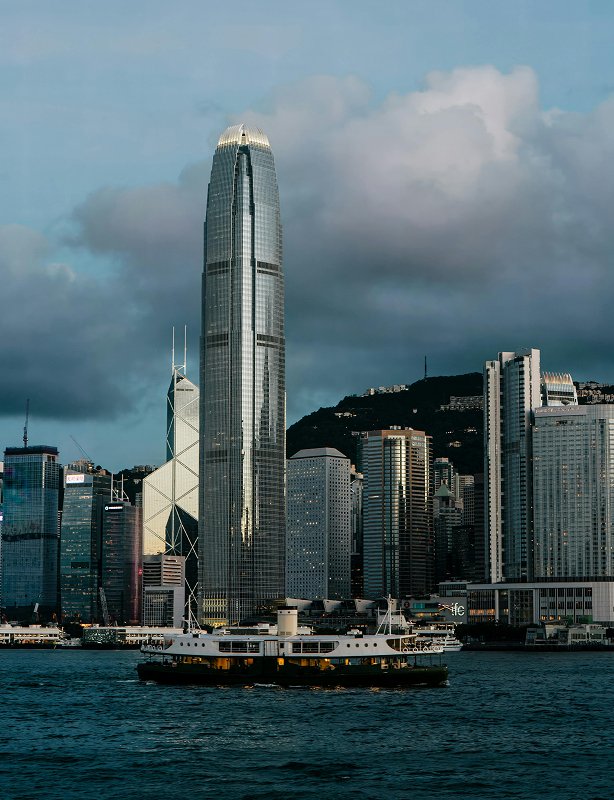
9:30 AM — The Star Ferry: The Star Ferry crossing — from Central Pier on Hong Kong Island to Tsim Sha Tsui in Kowloon — is one of the great urban transport experiences in the world and one that has been providing Hong Kong residents and visitors with the finest harbour view available for over 125 years. The crossing takes approximately 10 minutes and costs HKD 3.40 (approximately USD 0.45) — making it the finest value scenic experience in Hong Kong and one of the finest value experiences of any kind in any city on earth.
The view from the Star Ferry — Hong Kong Island’s extraordinary skyline rising above the harbour, the density and height of the buildings increasing as the ferry approaches the Central waterfront — is the defining image of Hong Kong and one of the most extraordinary urban panoramas in the world. Take the upper deck for the finest views.
10:00 AM — Tsim Sha Tsui Waterfront and Avenue of Stars: The Tsim Sha Tsui waterfront promenade — running along the southern tip of Kowloon facing the Hong Kong Island skyline — provides the finest ground-level views of the city’s extraordinary skyline. The Avenue of Stars — a promenade of celebrity handprints modelled on the Hollywood Walk of Fame — runs along the waterfront and provides the best position for photographing the harbour and the skyline.
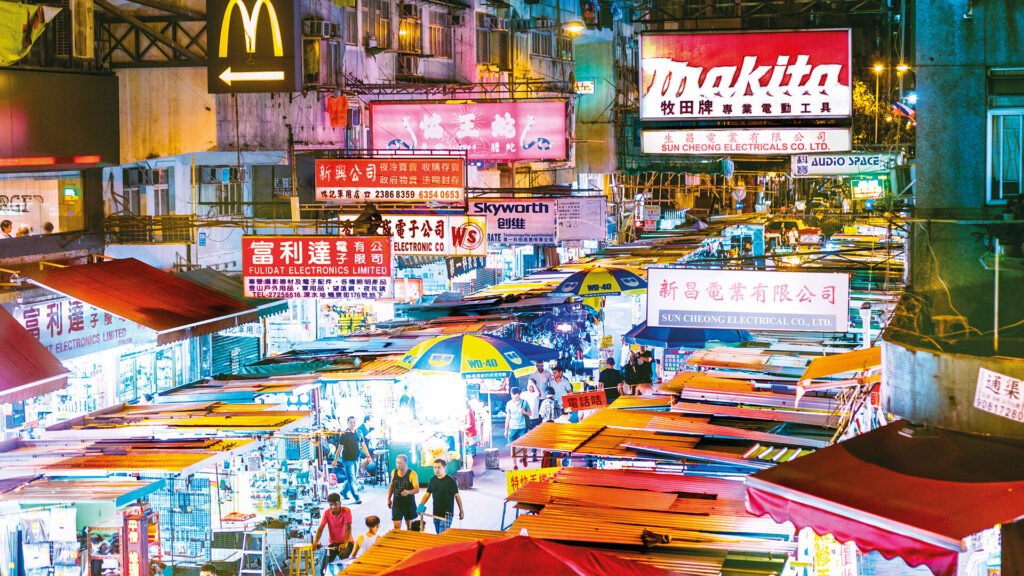
11:00 AM — Temple Street Area and Ladies Market: The area around Temple Street and the adjacent Mong Kok district provides the most authentic and most vibrant street market experience in Hong Kong. The Ladies Market on Tung Choi Street — a long street market selling clothing, accessories, electronics, and the full range of Hong Kong street market goods — is the finest daytime market in Kowloon and one of the most energetically alive shopping streets in Asia.
Afternoon
12:30 PM — Lunch at a Local Cha Chaan Teng: The cha chaan teng (literally “tea restaurant”) is the most distinctively Hong Kong dining institution — a hybrid café whose menu combines traditional Chinese dishes with Western-influenced items in a way that reflects Hong Kong’s unique colonial cultural history. The milk tea (Hong Kong-style silk stocking milk tea, made by straining through a cotton sock to produce a smooth, strong, intensely flavoured brew), the pineapple bun (bo lo bao — a sweet bun with a crunchy sugar topping that resembles a pineapple skin, served with a thick slice of butter), and the egg waffle (gai daan zai — a crispy, eggy waffle of extraordinary addictive quality) are the essential cha chaan teng items.
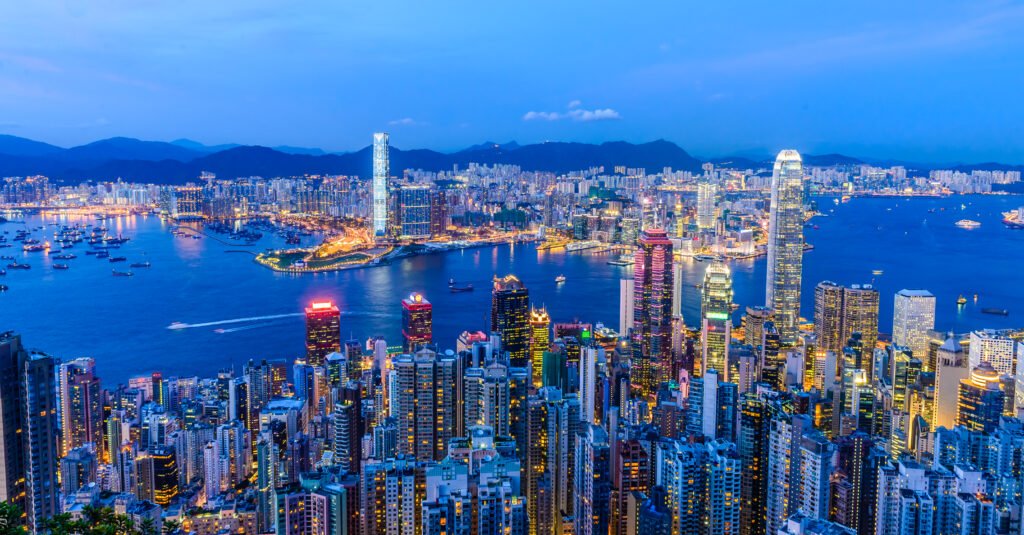
2:00 PM — The Peak: The Victoria Peak — at 552 metres the highest point on Hong Kong Island and the site of the most famous view in Asia — is the single most important attraction in Hong Kong and the one experience that no visitor regardless of available time should miss.
The Peak Tram: The historic funicular railway that has been carrying passengers from Central to the Peak since 1888 — the oldest funicular in Asia — is the most atmospheric and most Hong Kong way to ascend. The tram’s extreme gradient (the steepest section reaches 27 degrees) and the extraordinary views of the city unfolding below as the tram climbs provide an arrival experience of considerable theatrical power. Buy tickets online in advance to avoid the queue at the lower terminal.
The Peak Tower and Sky Terrace 428: The observation deck at the top of the Peak Tower — at 428 metres above sea level — provides the finest 360-degree panoramic view of Hong Kong available from any publicly accessible viewpoint. The view encompasses the entire Victoria Harbour, both shores, the outlying islands, and on clear days the mountains of the Chinese mainland — a panorama of extraordinary scope and extraordinary beauty.
The Peak Circle Walk: The 3.5-kilometre circular walking path that rings the Peak below the summit provides the finest sustained view of the harbour and the city from the hillside — an alternative to the Sky Terrace that is completely free and provides a more extended and more natural experience of the view. The walk takes approximately 45 minutes at a comfortable pace.
4:30 PM — Back to Central and the Mid-Levels Escalator: The Central-Mid-Levels Escalator — the longest outdoor covered escalator system in the world, running for 800 metres from Central to the Mid-Levels residential neighbourhood — is one of Hong Kong’s most distinctive pieces of urban infrastructure and one of the most enjoyable ways to explore the neighbourhood of SOHO (South of Hollywood Road) and the historic streets of Sheung Wan.
Evening
6:30 PM — Sunset and the Symphony of Lights: The Tsim Sha Tsui waterfront at sunset — when the light on the Hong Kong Island skyline turns golden before darkening into the extraordinary neon-lit night cityscape — is the most beautiful time to be on the promenade. Position yourself on the Kowloon side for the finest perspective.
The Symphony of Lights — the nightly light and music show that illuminates the buildings of Hong Kong Island’s skyline at 8 PM every evening — is the world’s largest permanent light and sound show and one of Hong Kong’s most spectacular free attractions. Watch from the Tsim Sha Tsui waterfront for the finest perspective.
8:30 PM — Temple Street Night Market: The Temple Street Night Market — running along Temple Street in Yau Ma Tei from approximately 6 PM to midnight — is the finest night market in Hong Kong: a dense, energetic, atmospheric street market of food stalls, fortune tellers, Cantonese opera performers, and the full extraordinary variety of Hong Kong street market culture.
The seafood restaurants that line the southern end of Temple Street — where the day’s catch is displayed in tanks and cooked to order — are among the finest and most atmospheric seafood eating experiences in Kowloon. The combination of fresh seafood, cold Tsingtao beer, and the noise and energy of the surrounding night market creates a dining experience of complete Hong Kong authenticity.
10:00 PM — Rooftop Bar: End the day at one of Hong Kong’s extraordinary rooftop bars — the combination of the city’s extraordinary skyline and the city’s extraordinary cocktail culture producing some of the finest bar experiences in Asia.
Ozone at the Ritz-Carlton — on the 118th floor of the ICC Tower in Kowloon, the highest bar in the world — provides a view of the Hong Kong skyline from above that is genuinely extraordinary and genuinely vertiginous. A cocktail at Ozone at 10 PM — looking down at the city that spent the day looking up — is one of the great bar experiences in the world.
Day 2 — Kowloon: Markets, Museums, and Street Life
Morning:
8:00 AM — Breakfast at a Kowloon Cha Chaan Teng Begin Day 2 with the cha chaan teng experience — the milk tea, the pineapple bun with butter, and the egg waffle that define Hong Kong’s most distinctive breakfast culture. Tsui Wah on Nathan Road opens early and provides the most complete cha chaan teng menu in Kowloon.
9:30 AM — Wong Tai Sin Temple Wong Tai Sin Temple — accessible by MTR to Wong Tai Sin station — is the most visited and most important Taoist temple in Hong Kong: a large and extraordinarily active religious complex dedicated to the deity Wong Tai Sin, whose extraordinary healing powers have made the temple one of the most important pilgrimage sites in southern China.
The temple is genuinely and actively used — the fortune telling practitioners who work in the adjacent arcade, the worshippers who come daily to present offerings and kau cim (shake the fortune sticks for divination), and the general atmosphere of living religious practice make Wong Tai Sin one of the most genuinely atmospheric and most genuinely interesting religious sites in Hong Kong.
11:00 AM — Mong Kok — The Most Densely Populated Neighbourhood on Earth Mong Kok is the most intensely urban and most intensely alive neighbourhood in Hong Kong — a district of extraordinary commercial density, extraordinary pedestrian traffic, and extraordinary street life that represents the quintessential Hong Kong urban experience in its most concentrated form.
Goldfish Market: The Goldfish Market on Tung Choi Street — a street entirely devoted to the sale of goldfish, koi, and tropical fish — is one of the most extraordinary and most distinctively Hong Kong market experiences available in the city. The Cantonese belief that goldfish bring good luck has created an entire market district devoted to their sale — the variety of fish species, the elaborate fish tanks, and the general surreal quality of an entire street given over to the fish trade create a market experience of complete originality.
Bird Garden: The adjacent Bird Garden — a garden enclosed by walkways hung with ornate bird cages where Hong Kong’s bird enthusiasts bring their prized songbirds for their daily airing — is another of the extraordinary specialist market environments that make Mong Kok one of the most rewarding neighbourhoods for slow, curious walking.
Flower Market: The Flower Market Road — a street of flower stalls selling tropical flowers of extraordinary variety and extraordinary beauty — is one of the finest sensory experiences in Kowloon and one of the most photographically rewarding streets in the district.
1:00 PM — Lunch in Mong Kok The street food and restaurant culture of Mong Kok — from the curry fish balls on skewers to the siu mei (roast meat) shops to the noodle restaurants serving the city’s finest wonton noodle soup — provides some of the finest value and most authentically local eating in Hong Kong.
3:00 PM — Hong Kong Museum of Art The Hong Kong Museum of Art — recently renovated and reopened in 2019 in a spectacular new building on the Tsim Sha Tsui waterfront — houses the finest collection of Chinese art in Southeast Asia and one of the finest collections of Hong Kong art available in any public institution. The permanent collection — covering Chinese antiquities, Chinese paintings and calligraphy, and Hong Kong art from the colonial period to the present — provides a genuinely excellent and genuinely comprehensive introduction to the Chinese artistic tradition.
5:00 PM — The Tsim Sha Tsui Waterfront at Golden Hour Return to the waterfront for the golden hour — when the afternoon sun turns the Hong Kong Island skyline golden before the evening lights take over. This is the finest time for harbour photography and the finest time simply to sit on the promenade and absorb the extraordinary urban landscape of Victoria Harbour.
7:30 PM — Temple Street Night Market Dinner The Temple Street Night Market seafood dinner as described in the one-day itinerary — the finest and most atmospheric evening eating experience in Kowloon.
Day 3 — Lantau Island: The Giant Buddha and Village Life
Morning:
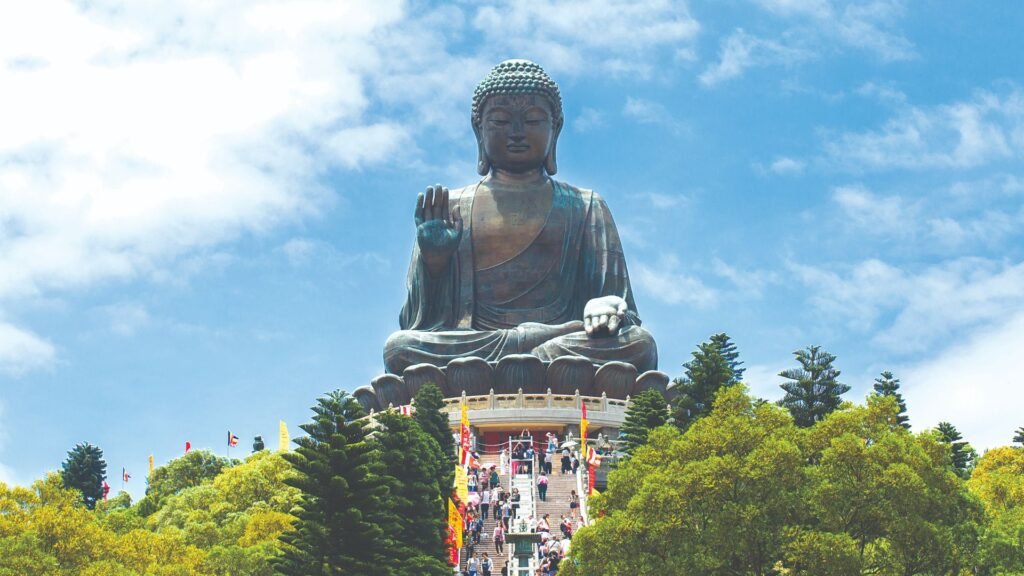
8:00 AM — Departure to Lantau Island Take the MTR to Tung Chung station (approximately 35 minutes from Tsim Sha Tsui) for the Ngong Ping 360 cable car — a 25-minute cable car journey over the South China Sea and the Lantau mountain landscape to the Ngong Ping plateau, where the Giant Buddha sits above the Po Lin Monastery.
The Ngong Ping 360 Cable Car: The cable car journey — particularly in the crystal cabin (glass floor option) — provides extraordinary views of the South China Sea, the Lantau coastline, the airport on Lantau’s northern coast, and the mountain landscape of the island’s interior. On clear days the views extend to the Chinese mainland.
10:00 AM — Tian Tan Buddha (Giant Buddha) The Tian Tan Buddha — a 34-metre bronze statue of Gautama Buddha seated on a lotus throne on the summit of Ngong Ping plateau — is the largest seated outdoor bronze Buddha in the world and one of the most impressive religious monuments in Asia. The climb to the Buddha — 268 steps from the plaza below — rewards with extraordinary views of the surrounding Lantau landscape and the South China Sea.
Po Lin Monastery: The monastery adjacent to the Giant Buddha is an active Buddhist monastery of considerable historical significance — the monks who maintain the monastery conduct daily ceremonies in the main temple hall that are open to respectful visitors. The vegetarian lunch served in the monastery dining hall — one of the finest value meals in Hong Kong — is available to all visitors.
12:30 PM — Tai O Fishing Village Tai O — a traditional fishing village on the western coast of Lantau accessible by bus from Ngong Ping — is the most extraordinary and most authentic traditional village experience available in Hong Kong. The village is built on stilts above the tidal channels of the western Lantau coast — the traditional stilt houses, the drying seafood, the narrow channels navigated by small boats, and the general atmosphere of a fishing community that has maintained its traditional character despite the extraordinary urbanisation of the surrounding territory create an experience of genuine and moving historical authenticity.
The Pink Dolphin Boat Tour: The waters around Tai O are home to the last surviving population of Chinese white dolphins (also known as pink dolphins due to their distinctive colouration) in the Pearl River Delta. Short boat tours from Tai O provide the finest opportunity to see these extraordinary and increasingly rare animals in their natural habitat.
3:00 PM — Return to Hong Kong Return to the city by ferry from Tai O (seasonal) or by bus and MTR from Tung Chung — arriving back in the city centre by late afternoon.
Evening:
6:30 PM — Graham Street Market and SOHO The Graham Street Market in Central — one of the oldest surviving street markets in Hong Kong, operating continuously since the 1840s — provides the finest traditional wet market experience on Hong Kong Island. The surrounding SOHO neighbourhood — a concentrated area of excellent restaurants, wine bars, and cocktail bars — provides the finest evening dining and drinking options in Central.
8:00 PM — Final Dinner in Hong Kong The final dinner in Hong Kong deserves the finest restaurant the budget allows — the city’s extraordinary Cantonese fine dining scene represents one of the great culinary traditions of the world and the finest expressions of it are genuinely world-class.
Lung King Heen at the Four Seasons — the first Chinese restaurant in the world to receive three Michelin stars and consistently rated among the finest Cantonese restaurants in the world — provides the ultimate Hong Kong fine dining experience. The combination of the extraordinary dim sum and Cantonese cuisine with the floor-to-ceiling harbour views creates a dining experience of complete luxury and complete cultural relevance.
Day 4 — The New Territories: Ancient Villages and Hiking
Morning:
8:00 AM — Kam Tin Walled Village The Kam Tin Walled Villages — particularly Kat Hing Wai, the best preserved walled village in Hong Kong — are among the most extraordinary historic sites in the territory: Hakka Chinese villages surrounded by complete defensive walls, moats, and guard towers, inhabited continuously for over 600 years by the Tang clan whose descendants still live within the ancient walls today.
The experience of walking through the narrow lanes of Kat Hing Wai — the original defensive walls intact, the traditional village houses still occupied, the elderly Tang women in traditional Hakka costume — is one of the most genuinely transporting historical experiences available in Hong Kong and one of the most completely at odds with the ultramodern urban image that defines the city’s international reputation.
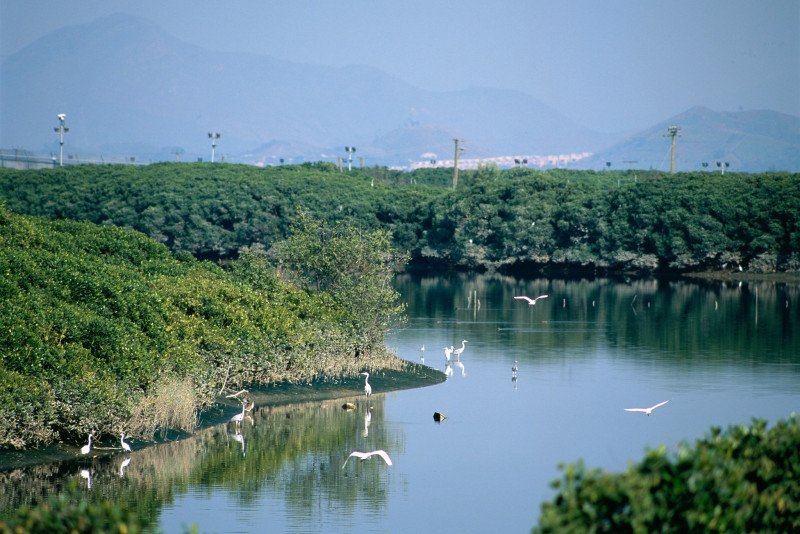
10:30 AM — Wetland Park The Hong Kong Wetland Park in Tin Shui Wai — a nature reserve of international significance protecting the wetland ecosystem of the northwestern New Territories — provides the finest birdwatching experience in Hong Kong. The park’s extensive reed beds, mudflats, and fresh water ponds support extraordinary populations of migratory waterbirds in winter (October to March) and resident wetland species throughout the year.
Afternoon:
1:30 PM — Dragon’s Back Hike (Alternative: MacLehose Trail) The Dragon’s Back trail on Hong Kong Island — consistently rated one of the finest urban hiking trails in the world — follows a ridge with extraordinary views of the South China Sea, the outlying islands, and the southern coastline of Hong Kong Island. The hike takes approximately 2.5 hours at a comfortable pace and finishes at Big Wave Bay — where the finest surfing beach in Hong Kong provides an extraordinary contrast to the urban intensity of the city visible in the distance.
The MacLehose Trail — the finest long-distance hiking trail in Hong Kong, running 100 kilometres across the New Territories — offers multiple entry and exit points accessible by public transport and provides day hiking of extraordinary quality through landscapes that feel genuinely remote despite their proximity to one of the world’s most densely populated cities.
Evening:
7:00 PM — Sai Kung Seafood Dinner Sai Kung — a coastal town on the eastern New Territories accessible by bus or taxi from Kowloon — is the finest seafood dining destination in Hong Kong. The waterfront seafood restaurants of Sai Kung — where the day’s catch is displayed in large tanks at the restaurant entrance and cooked to order using the simple techniques that Cantonese seafood cooking perfects — provide the most genuinely excellent and most genuinely authentic fresh seafood experience available anywhere in Hong Kong.
Day 5 — Lamma Island and Final Exploration
Morning:
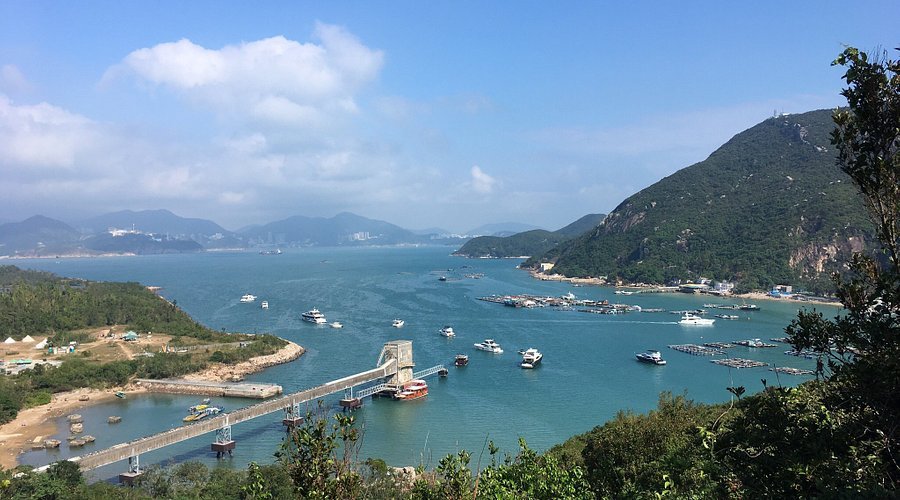
9:00 AM — Ferry to Lamma Island Lamma Island — the most atmospheric and most characterful of Hong Kong’s outlying islands, accessible by ferry from Central in approximately 30 minutes — is the finest island day trip from the city and the finest place to experience Hong Kong’s extraordinary capacity for natural beauty and village life within sight of the skyscrapers.
The Lamma Family Walk: The most popular trail on Lamma — a 1.5-hour walk between the two main villages of Yung Shue Wan and Sok Kwu Wan along the island’s central ridge — provides extraordinary views of the South China Sea, the outlying islands, and the Hong Kong Island skyline in the distance. The walk passes through the island’s extraordinary natural landscape of granite hills, coastal scrubland, and the occasional deserted bay that provides perfect swimming in the summer months.
12:30 PM — Seafood Lunch at Sok Kwu Wan Sok Kwu Wan — the southern village on Lamma Island — is famous throughout Hong Kong for its seafood restaurants, which line the waterfront in a continuous row of tanks displaying live seafood and tables of diners eating the freshest possible fish, crab, lobster, and shellfish in an atmosphere of complete relaxed pleasure. The Lamma seafood lunch — steamed whole fish, salt and pepper crab, typhoon shelter prawns, and stir-fried clams with black bean sauce — is one of the finest food experiences available in Hong Kong at any price point.
Afternoon:
3:00 PM — Return to Hong Kong and Aberdeen Return to Hong Kong Island by ferry and spend the late afternoon in Aberdeen — the historic fishing harbour on the south coast of Hong Kong Island where the traditional floating village of sampans and the famous Jumbo Kingdom floating restaurant (recently closed but the harbour remains extraordinary) provide a genuinely atmospheric encounter with Hong Kong’s maritime history.
Evening:
6:30 PM — Final Evening in Hong Kong The final evening in Hong Kong is best spent in the neighbourhood that has resonated most during the visit — whether that is the extraordinary bar and restaurant culture of SOHO and Lan Kwai Fong in Central, the atmospheric street life of Wan Chai, the night market energy of Temple Street, or a final contemplative hour on the Tsim Sha Tsui waterfront watching the Symphony of Lights with the knowledge of everything the city has revealed during the visit.
Day 6 — Cheung Chau Island and Deep Water Bay
Morning:
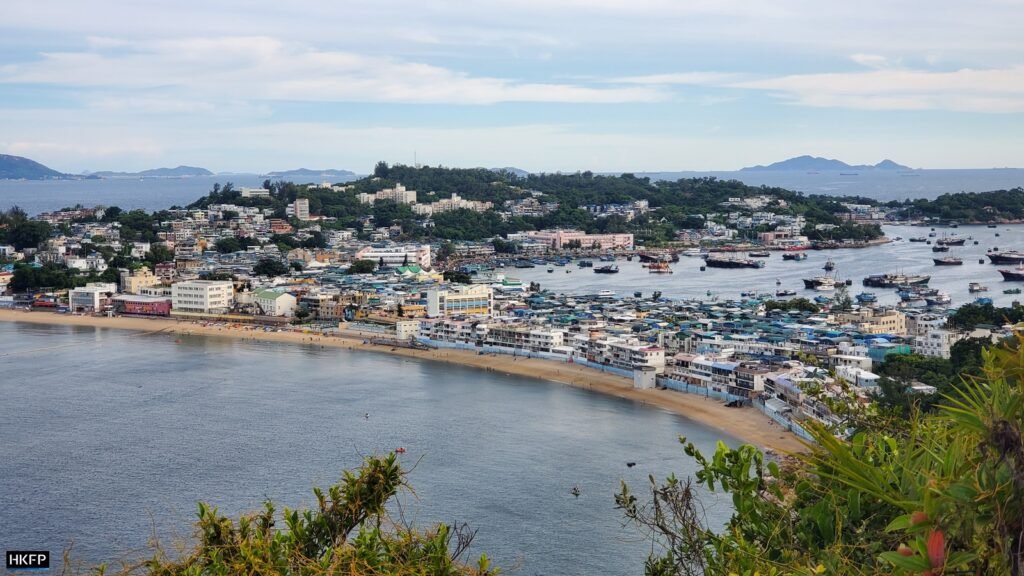
9:00 AM — Ferry to Cheung Chau Island Cheung Chau — a dumbbell-shaped island approximately one hour by ferry from Central — is the most traditional and most completely preserved of Hong Kong’s outlying islands: a community of approximately 25,000 people living on an island where no private cars are permitted and where the fishing and trading culture of traditional Hong Kong has survived with remarkable completeness into the 21st century.
The Cheung Chau Bun Festival: The Cheung Chau Bun Festival — held annually in late April or May — is the most extraordinary traditional festival in Hong Kong: a Taoist festival of five days during which the entire island becomes vegetarian, giant towers of steamed buns are erected before the Pak Tai Temple, and the extraordinary Bun Scrambling Competition (in which competitors race up the bun towers to collect as many buns as possible) provides one of the most visually extraordinary sporting spectacles in Asia.
The Island Walk: The walking trails of Cheung Chau — covering the island’s rocky southern coastline, the ancient cave where the pirate Cheung Po Tsai allegedly hid his treasure, and the remarkable prehistoric rock carvings on the eastern shore — provide a full morning of extraordinary island exploration in a landscape of genuine natural beauty.
Afternoon:
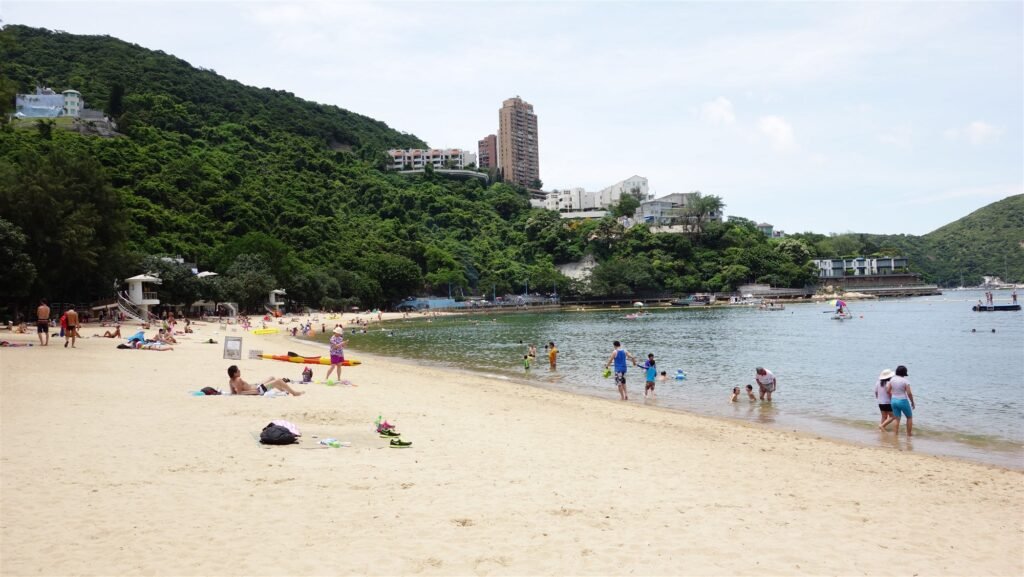
1:00 PM — Seafood Lunch and Beach Cheung Chau’s seafood restaurants — particularly those along the Praya (the main waterfront street) — provide excellent and affordable seafood in a setting of complete island charm. The beaches on Cheung Chau’s western shore — calm, clean, and significantly less crowded than the equivalent beaches closer to the main urban areas — provide the finest swimming available within easy reach of central Hong Kong.
Evening:
6:30 PM — Happy Valley Racecourse The Happy Valley Racecourse — operating on Wednesday evenings throughout the racing season (September to July) — is one of the most extraordinary and most characteristically Hong Kong evening experiences available in the city. Horse racing in Hong Kong is not simply a sport — it is a social institution of enormous significance, the primary legal gambling outlet in the territory, and one of the most atmospheric evening entertainments in Asia.
The Wednesday evening meetings at Happy Valley — with the track enclosed by the extraordinary encircling apartment buildings whose residents watch the racing from their windows — provide an experience of complete Hong Kong urban surrealism. Entry to the public stands is approximately HKD 10 (USD 1.30) and the atmosphere is genuinely extraordinary.
Day 7 — Deep Hong Kong: Neighbourhood Exploration and Farewell
Morning:
8:00 AM — Central Market and Sham Shui Po The final morning in Hong Kong is best spent in the city’s most authentic and least touristy neighbourhoods.
Sham Shui Po — the most traditional working-class neighbourhood in Kowloon, largely untouched by the gentrification that has transformed much of the city — is the finest neighbourhood for understanding the daily life of ordinary Hong Kongers. The extraordinary fabric and electronics markets, the traditional noodle factories, the decades-old hardware shops, and the general atmosphere of a neighbourhood that has maintained its character through decades of urban change around it provide the most genuinely authentic Hong Kong neighbourhood experience available to a visitor.
Apliu Street Flea Market — a street market in Sham Shui Po selling secondhand electronics, vintage clothing, and the extraordinary miscellaneous accumulation of a city’s material culture — is the finest flea market in Hong Kong and one of the most fascinating markets in Asia.
Afternoon:
1:00 PM — Final Lunch: The Best Roast Goose in Hong Kong The roast goose at Yung Kee Restaurant in Central — one of the most celebrated Cantonese restaurants in Hong Kong, serving roast goose of extraordinary quality for over 70 years — is the finest single dish farewell to Hong Kong’s extraordinary food culture. The combination of the crispy lacquered skin, the rich, flavourful meat, and the plum sauce that accompanies it creates a dish of complete Cantonese perfection.
3:00 PM — Final Walk and Departure A final walk through whichever part of the city has resonated most deeply. A final cup of Hong Kong milk tea at a cha chaan teng. A final harbour view from the Star Ferry.
Practical Guide: Everything You Need to Know
Getting Around Hong Kong
The MTR: Hong Kong’s Mass Transit Railway is the finest urban metro system in the world — clean, punctual, comprehensive, and extraordinarily affordable. An Octopus Card (a rechargeable contactless payment card, available at all MTR stations) provides access to the MTR, buses, trams, Star Ferry, and most other public transport in Hong Kong. Buy an Octopus Card immediately upon arrival — it is the single most useful practical tool for navigating Hong Kong.
The Star Ferry: HKD 3.40 for the upper deck — the finest value transport experience in the world. Take it as often as possible throughout your stay.
The Tram (Ding Ding): The Hong Kong tram — running along the northern shore of Hong Kong Island — is one of the finest and most atmospheric urban transport experiences in the city. At HKD 3 per journey (pay on exit) it is also one of the finest value transport experiences in Hong Kong.
Taxis: Red taxis in urban Hong Kong are affordable by international standards — approximately HKD 27 (USD 3.50) flagfall and HKD 1.80 per 200 metres. Green taxis serve the New Territories, blue taxis serve Lantau Island.
Where to Stay
Central and Sheung Wan (Hong Kong Island): The finest location for first-time visitors — closest to the Peak, the Star Ferry, and the colonial heritage of the island. The Mandarin Oriental and Four Seasons represent the finest luxury options. The Upper House at Pacific Place provides the finest design hotel experience on the island.
Tsim Sha Tsui (Kowloon): The finest location for harbour views and the Temple Street Night Market experience. The Peninsula Hong Kong — the most famous and most historic luxury hotel in Hong Kong, operating since 1928 — provides the most distinctively Hong Kong luxury hotel experience available in the city. The green Rolls-Royce fleet that meets guests at the airport is the most famous hotel transport arrangement in Asia.
Budget accommodation: Hong Kong’s budget accommodation is concentrated in the Chungking Mansions and Mirador Mansions buildings on Nathan Road in Tsim Sha Tsui — guesthouses of widely varying quality at very low prices. The finest budget option for independent travellers is the excellent hostel scene in the SOHO and Sheung Wan neighbourhoods on Hong Kong Island.
Currency and Costs
Hong Kong uses the Hong Kong Dollar (HKD) — pegged to the US Dollar at approximately HKD 7.75 to USD 1. Credit cards are accepted at most hotels, restaurants, and shops. Cash is essential for street markets, dai pai dong stalls, and the Star Ferry.
Daily budget estimates:
- Budget traveller: HKD 400 to 700 (USD 52 to 90) per day
- Mid-range traveller: HKD 1,000 to 2,000 (USD 130 to 260) per day
- Luxury traveller: HKD 3,000 to 8,000 (USD 390 to 1,030) per day
Visa Requirements
Citizens of most Western countries — including the United States, United Kingdom, European Union countries, Canada, Australia, and most Southeast Asian countries — do not require a visa to visit Hong Kong for stays of up to 90 days. Indian passport holders receive a 14-day visa-free period. Check current requirements before travel as policies may have changed.
Best Time to Visit
October to December: The finest season for Hong Kong — clear skies, low humidity, comfortable temperatures (18 to 25°C), and the extraordinary light that makes the harbour views most spectacular. This is the most recommended season for first-time visitors.
January to March: Cool and occasionally hazy — temperatures drop to 10 to 15°C in January and February. The Chinese New Year period (January or February) is the most extraordinary cultural experience available in Hong Kong but also the busiest and most expensive period of the year.
April to June: Increasingly humid with occasional rain — temperatures rise to 25 to 30°C. Still very rewarding for visiting but the humidity can be challenging.
July to September: Hot, humid, and subject to typhoons — the typhoon season makes outdoor activities less reliable and the combination of heat and humidity (35°C and 90% humidity in August) makes sustained outdoor exploration demanding. The lowest hotel prices of the year are available during this period.
| Traveller Type | Recommended Days | Key Experiences |
|---|---|---|
| Transit passenger | 1 day | Peak, Star Ferry, dim sum, Temple Street |
| Short break | 2 to 3 days | Above plus Kowloon markets, Lantau |
| First time visitor | 3 to 4 days | Above plus outlying island, New Territories |
| Comprehensive visitor | 5 to 7 days | Above plus hiking, villages, deep neighbourhoods |
| Return visitor | 7 or more days | Specialist interests, festivals, longer hikes |
Final Thoughts: Why Hong Kong Always Surprises
Hong Kong is one of those cities that consistently surprises — a destination that most visitors arrive at with a clear mental image (the famous skyline, the neon-lit streets, the harbour) and that consistently delivers something richer, stranger, more varied, and more human than that image suggests.
The surprise of discovering the extraordinary hiking trails within 30 minutes of the financial district. The surprise of the walled villages that have survived 600 years of history immediately adjacent to a modern motorway. The surprise of the pink dolphins in the waters off Lantau. The surprise of a seafood lunch on Lamma Island that rivals anything available at the finest restaurants in the world at a fraction of the price.
Three days gives you Hong Kong’s famous face. Five days gives you its extraordinary variety. Seven days begins to give you its genuinely extraordinary depth.
Whatever time you have — one day or one month — spend it with open eyes, comfortable shoes, and a willingness to follow whatever the city reveals around the next corner.
Because Hong Kong always has something extraordinary around the next corner.