
If you are planning a solo trek in Nepal in 2026, there is one major rule that changes everything. As of the current 2026 season, the Nepal Tourism Board strictly enforces a “No Solo Trekking” rule for foreign nationals, and this policy applies to almost all national parks and every restricted area.
This is not a rumor or a suggestion. It is the law — and ignoring it can cost you your trek, your permits, and your money.
In this complete guide, we break down everything you need to know about the Nepal solo trekking ban 2026 — what changed, why it happened, which routes are affected, new permit rules, guide costs, penalties, and where solo hiking is still allowed.
What is the Nepal Solo Trekking Ban?
The mandate requires every non-Nepali citizen trekking in any National Park, Conservation Area, or Restricted Area to hire a licensed trekking guide or porter-guide through a government-registered trekking agency. This regulation was officially implemented on April 1, 2023, and is now fully and strictly enforced for the 2026 season.
This effectively means independent trekking on all major trails in Nepal is no longer legal for foreign visitors.
Why Did Nepal Ban Solo Trekking?
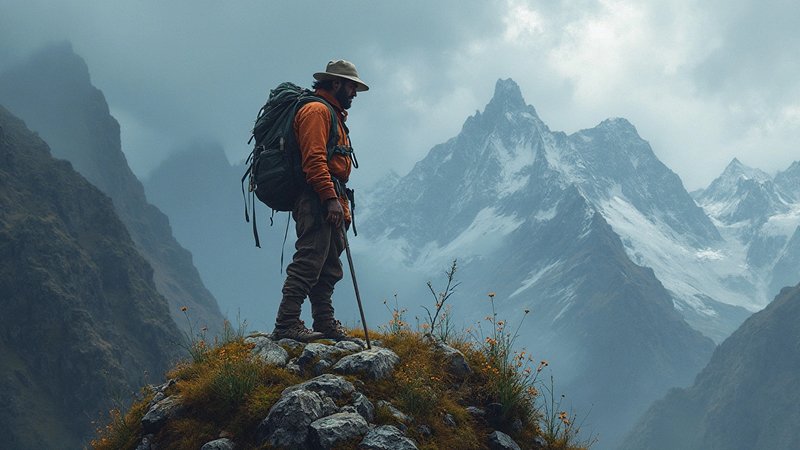
The decision did not happen overnight. According to Nepal Tourism Board director Mani R. Lamichhane, the two main objectives behind the ban are to make trekking in Nepal safer and to create more employment opportunities in the country.
The umbrella organization Trekking Agencies’ Association of Nepal had been pushing for the ban on solo trekking since as early as 2009. Every year, two to four solo trekkers were involved in deadly incidents, and data consistently showed that having a trained trekking guide greatly improves safety and helps trekkers avert possible dangers.
The numbers also back up the decision. Search and rescue operations for solo trekkers dropped by nearly 60% after the policy was strictly implemented in 2025.
Beyond safety, the policy provides stable, fair-wage employment to over 50,000 local professionals, helping to rebuild communities that rely entirely on seasonal tourism.
the government aims to:
- Improve trekker safety
- Provide local employment opportunities
- Reduce rescue incidents in remote mountains
- Promote responsible tourism
Which Trekking Routes Are Affected?
The ban covers almost every popular trekking route in Nepal. Solo trekking is now banned throughout Nepal, including routes that were traditionally independent such as the Everest Base Camp Trek and Poon Hill.
Here is a breakdown by region:
Annapurna Region
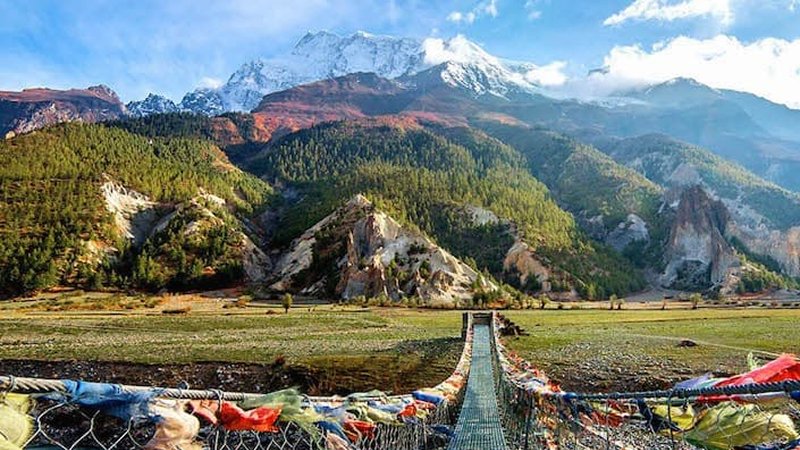
Digital scanners at Besisahar, Birethanti, Ghandruk, and Tatopani will verify your e-TIMS and guide credentials, making independent hiking in this region virtually impossible. This covers the Annapurna Circuit, Annapurna Base Camp, Ghorepani Poon Hill, Mardi Himal, and Tilicho Lake.
The Annapurna region is one of the most visited trekking destinations in the world, attracting over 70,000 trekkers every year. Whether you are attempting the full Annapurna Circuit or the short Poon Hill trek, a licensed guide is non-negotiable in 2026. Checkpoints are fully staffed and spot checks on the trail are now routine.
Everest Region
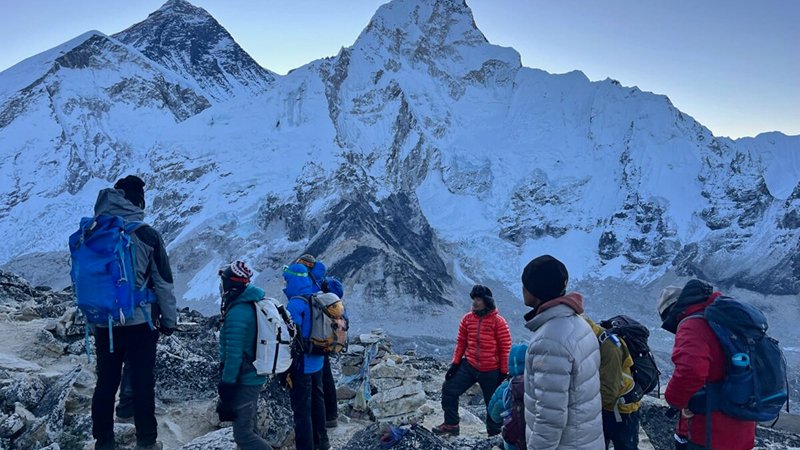
The Everest (Khumbu) region remains a partial exception. Local authorities have historically resisted national attempts to enforce the universal guide rule, arguing that their existing permit system already ensures adequate oversight. However, trekkers should be prepared for evolving rules and possible last-minute implementation.
Several trekkers have already reported guide requirement checks at Lukla airport and Monjo checkpoint in 2026. To avoid last-minute complications and ensure your safety at high altitude, we strongly recommend hiring a licensed guide even if it is not yet fully mandatory in this region.
Langtang Region
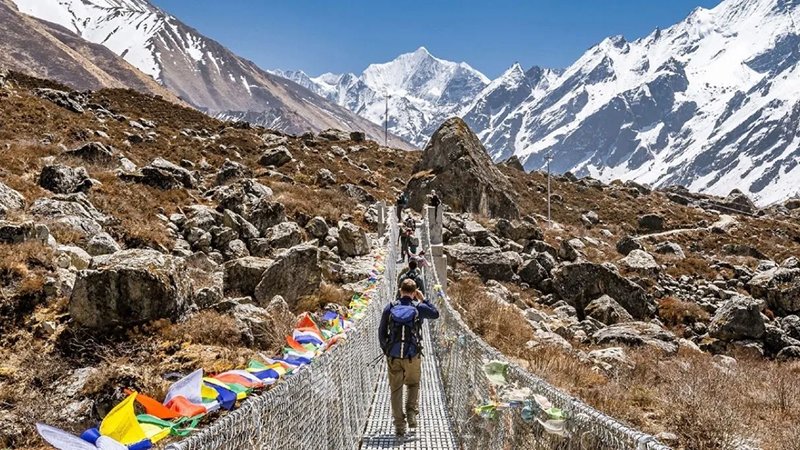
The Langtang Valley Trek is fully covered under the mandatory guide rule. A licensed guide and valid permits are required before entering the national park.
Despite its proximity to Kathmandu, Langtang climbs above 4,000 meters where terrain can be unpredictable and dangerous. Having a licensed guide not only keeps you safe on the trail but also directly supports local families who depend entirely on trekking tourism for their livelihood.
What Happened to the TIMS Card?
The old TIMS system has been completely overhauled. There is now only one type of TIMS card — the Blue e-TIMS. This card is only issued to trekkers who have a confirmed booking with a licensed agency and a registered guide. The Nepal travel regulations 2026 have eliminated the Green solo TIMS card entirely.
The e-TIMS is linked to a mobile app carried by your guide. At every checkpoint, the guide checks in, allowing the Tourist Police and search-and-rescue teams to know exactly which valley you are in — a life-saving feature in the event of an earthquake or sudden blizzard.
You cannot obtain an e-TIMS without booking through a registered trekking agency. There is no workaround.
What Are the Penalties for Solo Trekking?
Do not attempt to bypass the rule. Attempting to trek without a registered guide on regulated trails can result in immediate removal from the route, monetary fines, or blacklisting from future trekking permits.
Authorities have significantly increased enforcement at trailheads and remote checkpoints. If you are caught without a guide in a regulated zone, you face immediate fines starting at NPR 12,000, your permits will be confiscated, and you may be escorted back to the nearest road head at your own expense.
That means you could lose your entire trek investment in one checkpoint stop.
Where is Solo Trekking Still Allowed in Nepal?
Not every trail in Nepal requires a guide. Solo hiking is generally permitted on the outskirts of major cities where you are not entering a formal National Park or Conservation Area. For example, hiking to Nagarkot or the World Peace Pagoda does not currently trigger the mandatory guide requirement. However, the moment your trail crosses into a protected zone, a guide is mandatory. Always check a map for Conservation Area boundaries before setting off alone
How Much Does a Licensed Guide Cost in 2026?
Guide charges vary from USD $30 to $60 per day for a city tour, while trekking guides charge USD $40 to $50 per day.
For a standard 14-day trek like Everest Base Camp or Annapurna Circuit, guide costs typically range between $560 to $700 in addition to your permits, flights, accommodation, and meals.
A typical two-week trek in a standard non-restricted region ranges widely depending on comfort level, but most visitors can expect USD $1,500 to $1,800 or more for a fully supported, legally compliant itinerary.
How to Plan Your Nepal Trek Legally in 2026
Follow these steps to stay compliant and avoid any issues on the trail:
Step 1 — Choose a Registered Agency Book your trek through a TAAN-affiliated, government-registered trekking agency. Verify their registration before paying.
Step 2 — Confirm Your Guide Credentials Ask for your guide’s official license number before the trek starts. Your agency should provide this automatically.
Step 3 — Obtain Your e-TIMS and Permits Your agency will handle all documentation including e-TIMS, National Park Permit, and any restricted area permits.
Step 4 — Get Travel Insurance You cannot obtain a permit under the mandatory guide policy without proof of comprehensive insurance that covers helicopter rescue and medical evacuation.
Step 5 — Plan for the Right Season Plan your itinerary for shoulder seasons — March to April or October to November — for safer weather and moderate trail traffic.
Best Time to Trek in Nepal
The best trekking seasons in Nepal are:
Spring (March to May)
Clear skies and blooming rhododendron forests make spring one of the most beautiful trekking seasons.
Autumn (September to November)
Autumn offers the best mountain visibility and stable weather conditions.
During these seasons, famous trekking regions near Kathmandu and Pokhara attract thousands of hikers from around the world.
Final Thoughts
The Nepal Solo Trekking Ban 2026 marks a major shift in how travelers explore the Himalayas. While independent trekking is now limited, the new rules aim to make trekking safer and more sustainable.
With breathtaking mountain views, rich culture, and legendary trekking trails, Nepal remains one of the world’s greatest adventure destinations.
Whether you trek to Everest Base Camp, explore Annapurna villages, or hike through Langtang valleys, the Himalayas continue to offer unforgettable experiences for every traveler.