Vietnam is not a country that reveals itself in one glance. It unfolds gradually, in layers that intertwine history, culture, and everyday life. Some moments are vibrant and bustling, filled with motorbikes and markets, while others are calm and reflective — a quiet fishing village at sunrise, a misty rice terrace. What makes travel through Vietnam unforgettable is not just the famous sights, but the spaces in between — the boat rides, the alleyways, the pauses where life flows naturally.
Journeying across Vietnam feels like moving through a series of living scenes stitched together by rhythm and routine. One day, you wander through the energetic chaos of Ho Chi Minh City, neon lights flickering over busy streets. The next, you glide silently on a sampan through the calm waters of the Mekong Delta, surrounded by stilt houses and floating markets. Each shift transforms how you experience distance, time, and cul
Where Time Flows Like Water
In Vietnam, moments often appear between destinations. A riverside café in Hoi An where locals sip strong coffee, a quiet alley in Hanoi lined with century-old French colonial buildings, or a market in Hue where the aroma of fresh herbs and grilled fish fills the air. These places are not designed for tourists, yet they welcome travelers naturally.
Time moves differently here. It’s shaped not by schedules, but by rhythm. Morning routines unfold without performance — vendors setting up stalls, fishermen casting nets, children playing by the water’s edge. Life proceeds deliberately, and the pace encourages observation, reflection, and a sense of belonging. Even small details — the way sunlight glints off a river, the ripple of a fishing net, or the steam rising from a bowl of pho — mark the passage of time more subtly than clocks ever could.
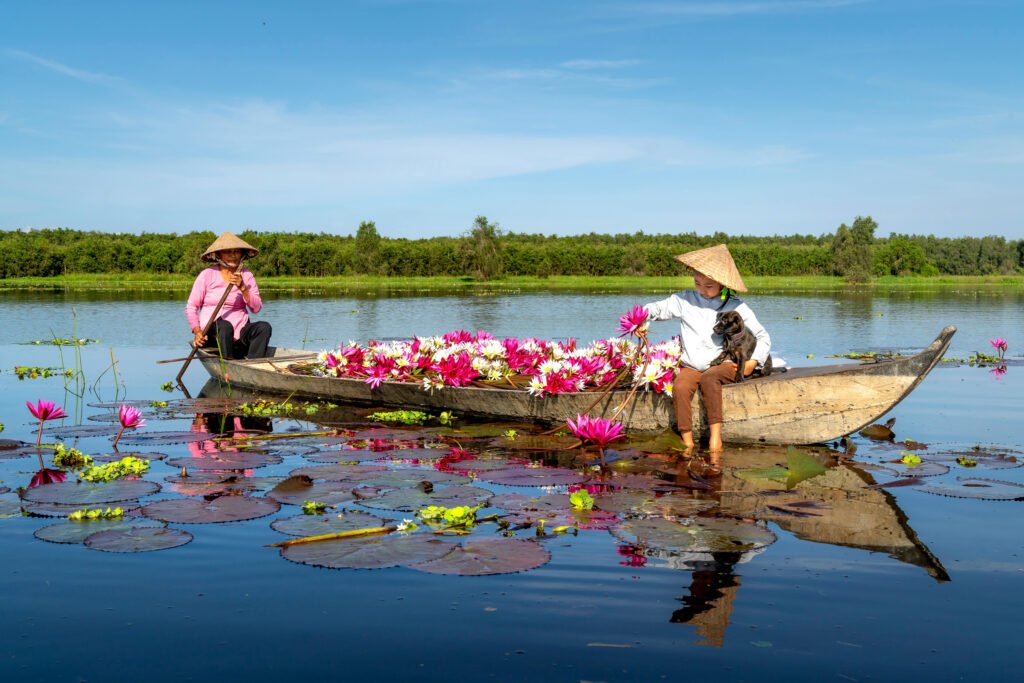
The Mekong Delta exemplifies this perfectly. Floating markets awaken before dawn, and boats laden with fruits and vegetables drift lazily along the canals. Locals barter, smile, and continue their routines, while travelers observe, absorbing the ebb and flow of daily life. Time slows as you watch, learning patience without thinking about it.
In smaller villages, a walk along narrow riversides offers moments of quiet observation. A fisherman untangles his net, a child runs across a wooden bridge, and the reflection of the sky shimmers on water. These moments are unplanned yet profound, reminding travelers that travel is as much about feeling as seeing.
Even the busiest cities hold pockets of serenity. A rooftop café overlooking a canal in Hanoi or a quiet park in Ho Chi Minh City can offer a moment of pause, where the city hums in the background, but the pace feels gentle and human.
Sunlight and shadow play a subtle role in shaping time in Vietnam. Early morning mists over rice terraces gradually lift to reveal patterns of green and gold. Afternoon light creates dappled streets and warm reflections in rivers. Evening lanterns flicker on, and the day concludes softly rather than abruptly.
For travelers, these subtle pauses are gifts. There’s no need to check off landmarks. You simply watch, walk, and breathe. Minutes stretch, awareness sharpens, and the experience becomes intimate and grounding. Vietnam teaches that the spaces between moments are often the moments that matter most.
Streets That Speak Without Words
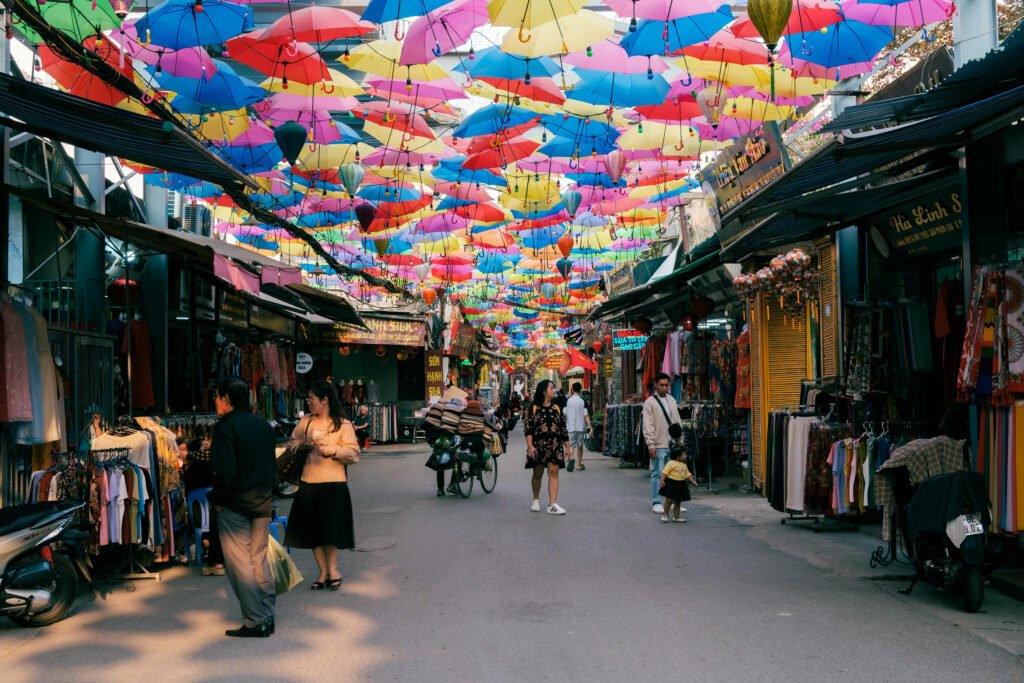
Some of the most vivid memories come from walking aimlessly through the cities and villages. Streets in Vietnam are living stories — bicycles glide past street food stalls, laundry hangs between colorful buildings, and motorbikes weave through narrow alleys in perfect choreography.
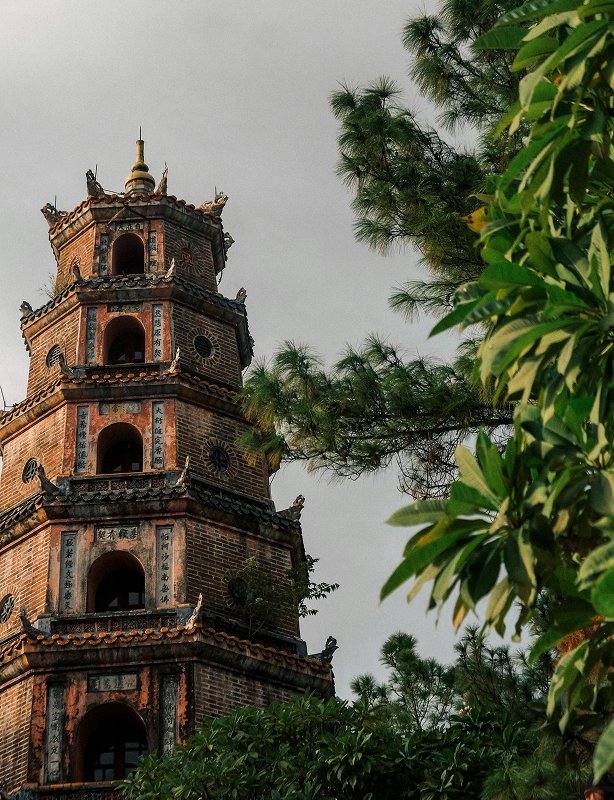
These streets reveal the continuity of daily life. Ancient temples stand quietly beside cafés, old shop signs coexist with new neon lights, and families carry on routines passed down for generations. Architecture, sounds, smells, and human interactions blend to form a narrative that no guidebook can capture. Each alley tells a story: a child chasing a chicken, a grandmother selling herbal remedies, a street musician playing an ancient flute.
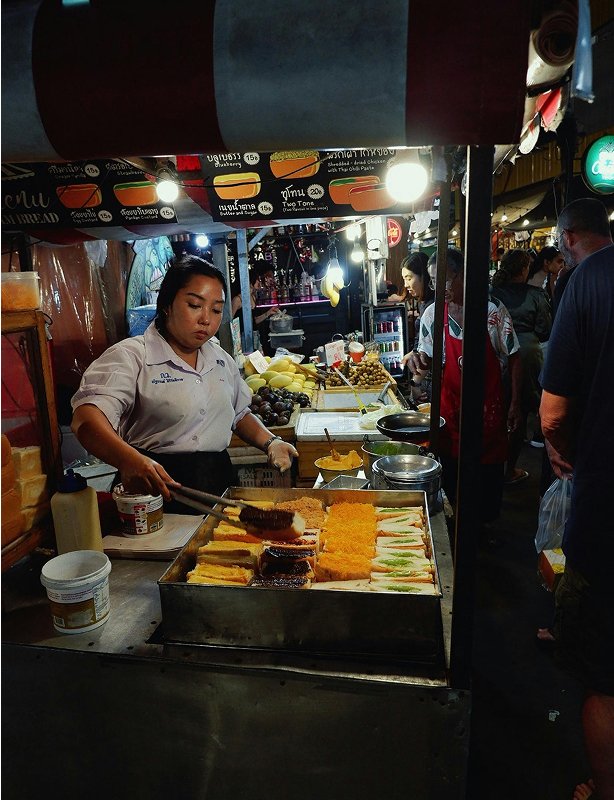
The charm of Vietnamese streets lies in their authenticity. Observing a vendor preparing pho, a child learning to ride a bicycle, or a local craftsman at work connects travelers to life in its purest form. Time slows, and attention shifts to small, meaningful details — a gesture, a glance, the aroma drifting from a kitchen, or the clink of chopsticks on a street-side table.
Every neighborhood has its rhythm. Morning begins with market stalls opening and bicycles passing. By noon, streets hum with commerce, conversations, and occasional laughter. Evening brings the smell of grilled meat and the glow of lanterns, signaling the day’s transition without urgency.
Street corners are stages of daily life. People pause to chat, children play in open spaces, and elders observe quietly. Unlike tourist attractions, these streets are unscripted, alive with improvisation and continuity.
Markets extend naturally into lanes. The mingling of scents — fresh herbs, bread, and spices — creates a sensory narrative of the city. Travelers who move slowly notice gestures, eye contact, and small acts of kindness. These details create an impression of Vietnam that lingers far longer than any landmark.
Walking becomes meditation here. Each step invites mindfulness, curiosity, and connection. The streets whisper stories, reveal culture, and invite travelers to witness life as it unfolds organically.
Landscapes That Shape the Journey
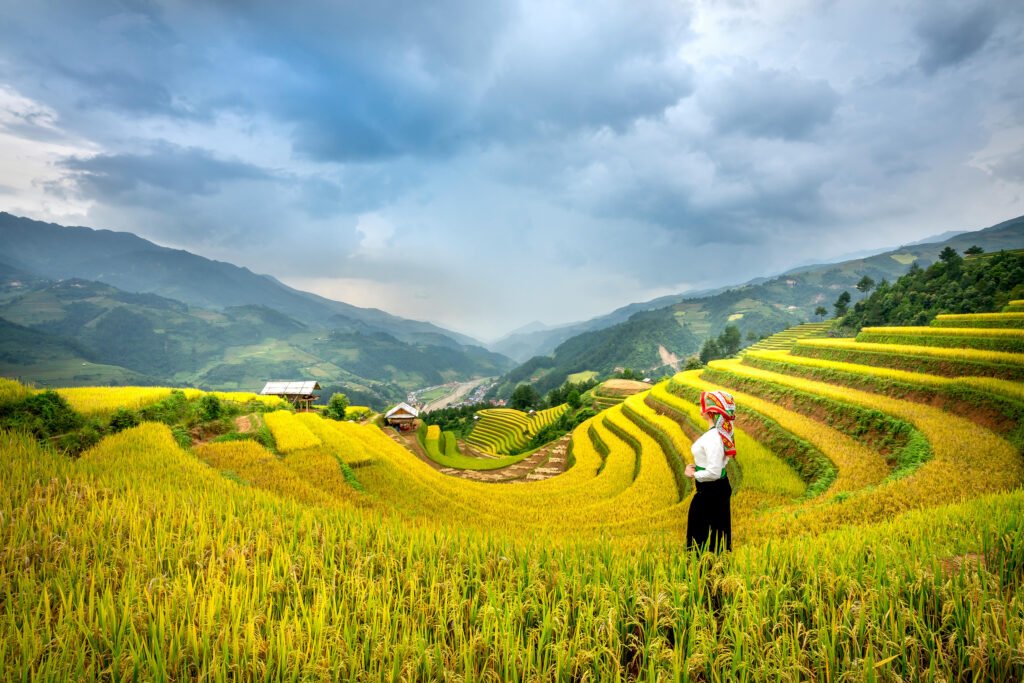
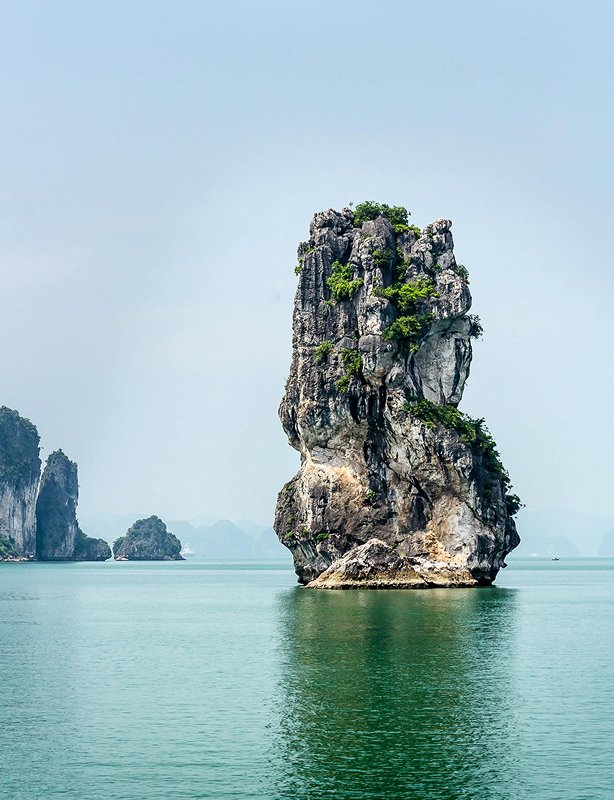
Vietnam’s landscapes are transformative. The emerald rice terraces of Sapa, the limestone karsts of Ha Long Bay, and the sandy dunes of Mui Ne are not merely visual wonders — they influence how you travel, think, and feel. Each setting asks for patience, presence, and a slower pace.
Misty mountains reveal themselves gradually. Rivers meander, guiding boats and travelers along a natural rhythm. Open plains and coastal stretches stretch perception of distance, asking you to absorb rather than rush. Here, mornings follow the light, afternoons follow the wind, and silence is as meaningful as conversation.
Villages harmonize with the natural landscape. Homes face mountains or rivers, gardens align with the seasons, and daily routines reflect the cycles of nature. Observing this balance teaches travelers about resilience, adaptation, and respect for the land.
The Mekong Delta, with its floating villages and lush canals, demonstrates human life intertwined with water. Farmers cultivate rice while navigating the rhythm of tides. Boats are both transport and livelihood, and travelers learn to move along with the current rather than against it.
Ha Long Bay, with its karsts rising from emerald waters, inspires awe but also patience. Fog slowly reveals hidden coves, and limestone cliffs appear as if emerging from myth. The journey here is as much about waiting and observing as it is about arrival.
In the Central Highlands, roads curve along coffee plantations and dense forests. Mist clings to valleys, and villages appear tucked into the landscape. Travelers often find that the journey through these mountains teaches more than the destination itself.
Even coastal stretches reshape perspective. From Mui Ne’s dunes to the beaches of Da Nang, the horizon stretches endlessly. Watching sunrise or sunset over the water creates quiet reflection, grounding travelers in the present moment.
The Journey Between Places
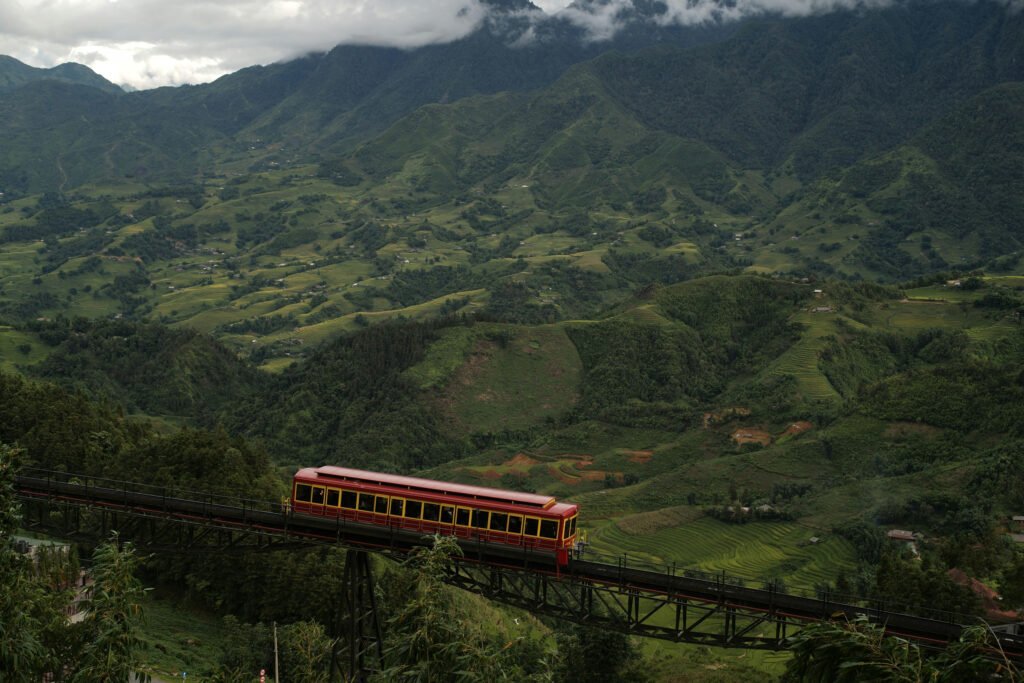
Travel in Vietnam is defined as much by what happens in transit as by destinations. A long train ride along the coast, a motorbike trip through the Central Highlands, or a boat ride on the Mekong River — each movement reveals gradual change. Cities fade into countryside, rivers stretch endlessly, and mountains rise subtly in the distance.
Observation replaces performance. Locals go about routines with ease, travelers reflect quietly, and the scenery unfolds like a living story. Hours stretch without hurry, and the rhythm of motion becomes part of the experience.
Train journeys reveal contrasts. Coastal rails offer glimpses of fishing villages and hidden coves. Inland routes wind past terraced fields and small towns. Each passing scene conveys continuity, connecting culture, geography, and history naturally.
Motorbike trips allow intimate interaction with villages and landscapes. Stopping at roadside cafes, observing farmers at work, or chatting with locals reveals layers of culture inaccessible by larger vehicles.
Boat rides along rivers emphasize flow and patience. In the Mekong, small tributaries lead to villages where floating markets, stilt houses, and children at play tell the story of life shaped by water. Travelers learn to adapt to the rhythm rather than impose their own.
Even short journeys — a tuk-tuk ride through alleys, a ferry crossing a river — become reflective experiences. Light, sound, and motion combine to create a narrative where travel and observation merge.
The journey between places illuminates continuity. History, culture, and environment blend seamlessly. Travelers often find that these transitions are more memorable than arrival at the destination itself.
Leaving With More Than Memories
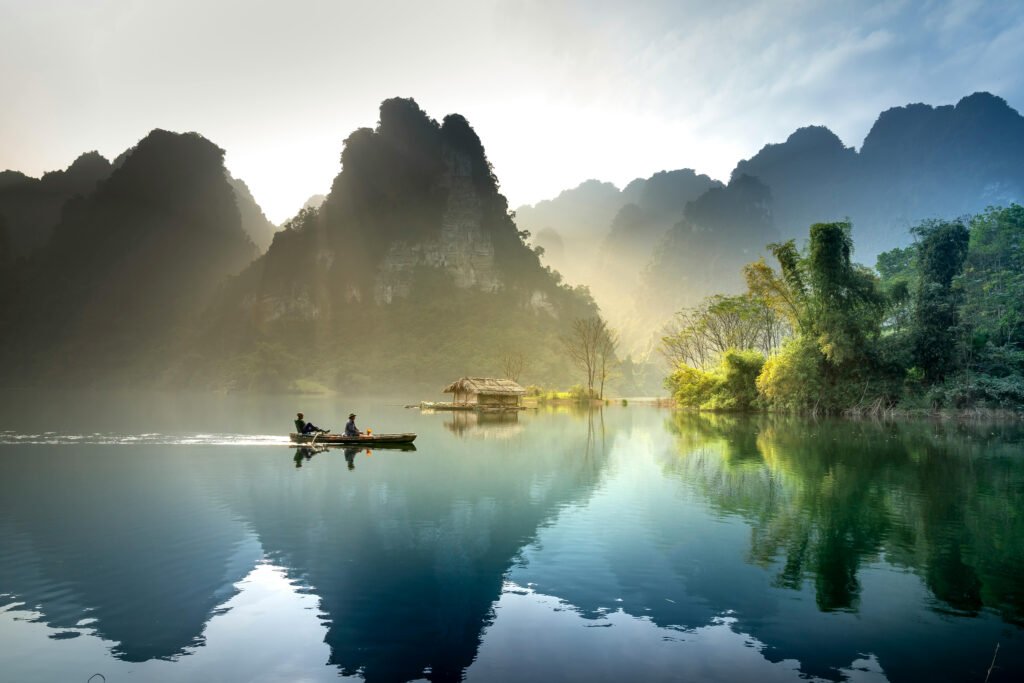
True travel leaves more than snapshots. Vietnam’s lessons arrive in small, everyday encounters — a smile shared with a stranger in Hue, watching the sunrise over a floating market, noticing the patience embedded in rural life, or listening to street musicians play ancient melodies that echo across centuries.
These moments teach the value of presence. Observing life without rushing, savoring a bowl of street food, or listening to conversations in a local language cultivates awareness and connection.
Even a brief interaction can be meaningful. Offering a wave, sharing tea, or learning a few Vietnamese phrases opens doors to understanding. Travelers carry these impressions long after they leave, integrating subtle lessons into daily life.
The landscapes themselves leave echoes. Misty mountains, winding rivers, and ancient towns linger in memory, reminding travelers of the calm, rhythm, and beauty that define Vietnam.
Travel also teaches empathy and patience. Witnessing lives that follow natural and seasonal rhythms encourages reflection on personal pace and priorities.
Landmarks are remembered not for grandeur, but for emotional resonance. A lantern floating on a river, children playing in a rice field, or the aroma of fresh herbs can outshine even the most famous tourist attraction.
Vietnam reshapes perspective. What once seemed urgent now feels trivial; what once felt distant now feels intimately close. Travel here is less about ticking boxes and more about carrying subtle, lasting impressions that shape the way you see the world long after the journey ends.