Vietnam is a country of breathtaking landscapes, rich history, and vibrant culture — but nothing captures its true spirit quite like Tết, the Vietnamese Lunar New Year. Known as the most important celebration in the Vietnamese calendar, Tết is a festival of renewal, family, and hope. For travelers, it is one of the most extraordinary cultural experiences in all of Southeast Asia.
If you have ever dreamed of witnessing a celebration that touches every single sense — the colors, the aromas, the sounds, the flavors, and the warmth of human connection — Tết is that experience. It is not simply a holiday. It is the heartbeat of an entire nation, pulsing with centuries of tradition, love, and meaning.
What is Tết?
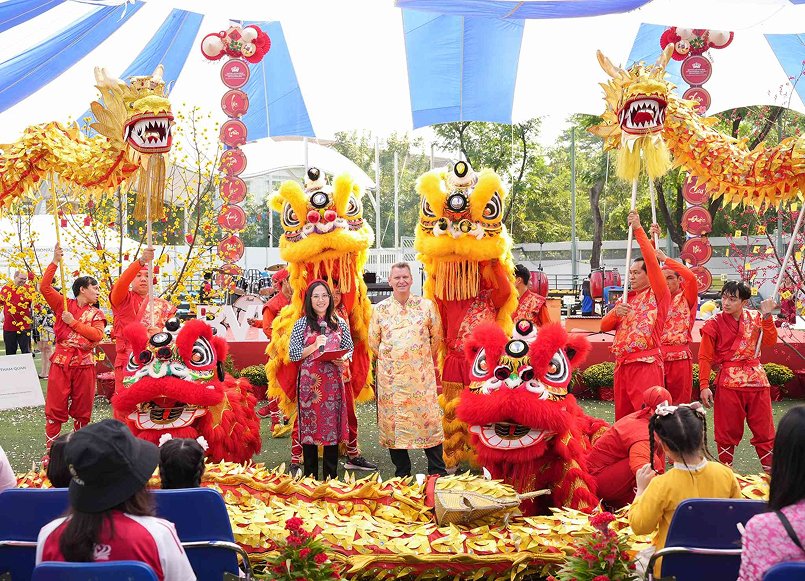
Tết Nguyên Đán, meaning “Feast of the First Morning,” marks the beginning of the lunar new year. It typically falls between late January and mid-February, depending on the lunar calendar. Unlike a single-day holiday, Tết is a full week of celebration — with preparations beginning days, sometimes weeks, in advance.
At its heart, Tết is about family reunion, gratitude, and welcoming new beginnings. Homes are cleaned, debts are settled, and old conflicts are forgiven — all to start the new year with a fresh, positive spirit.
For the Vietnamese people, Tết is the most anticipated time of year. Millions of people travel across the country to return home, reunite with loved ones, and honor their ancestors. It is Christmas, New Year, and Thanksgiving all rolled into one — multiplied by generations of deep cultural meaning.
The History and Origins of Tết
Understanding Tết begins with understanding its ancient roots. The festival has been celebrated in Vietnam for over 4,000 years, with origins tied to the agricultural cycles of rice farming communities. Early Vietnamese people celebrated the lunar new year as a time to give thanks for the harvest and pray for abundance in the season ahead.
Over centuries, Tết absorbed influences from Chinese culture while developing its own deeply Vietnamese identity. Confucian values of filial piety, ancestor veneration, and community harmony became woven into the fabric of the festival.
During Vietnam’s long history of struggle and resilience, Tết remained a constant — a sacred thread connecting generations across time, war, and change. Today it stands as one of the most powerful expressions of Vietnamese national identity and cultural pride.
The Twelve Zodiac Animals of Vietnam Like the Chinese zodiac, the Vietnamese lunar calendar follows a 12-year cycle of animals. Each year carries the personality and energy of its animal — from the bold Dragon to the gentle Rabbit, the industrious Ox to the clever Rat. Knowing the zodiac year of your visit adds a wonderful layer of meaning to the Tết experience.
The Sights and Sounds of Tết
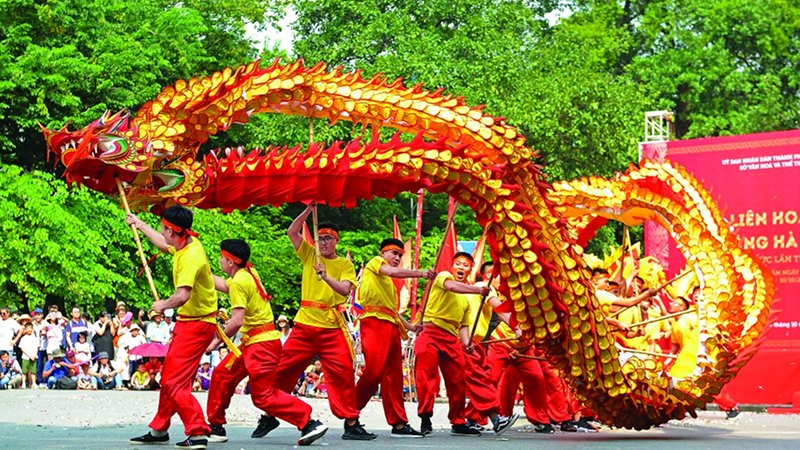
Visiting Vietnam during Tết means immersing yourself in a world transformed. The streets come alive with color, sound, and energy unlike any other time of year.
Flower Markets In the days leading up to Tết, cities across Vietnam overflow with flower markets. Peach blossoms in the north and yellow apricot blossoms in the south are the symbols of the season. Walking through a Tết flower market — surrounded by fragrance and color — is an unforgettable experience.
Lanterns and Decorations Streets, temples, and homes are adorned with red and gold decorations symbolizing luck and prosperity. Lanterns glow in every alley, and kumquat trees heavy with bright orange fruit are displayed proudly in homes and businesses.
Fireworks and Dragon Dances On the eve of Tết, the sky lights up with spectacular fireworks displays. Dragon and lion dances fill the streets with drumbeats and cheers, believed to chase away evil spirits and invite good fortune for the year ahead.
Traditional Music Performances During Tết, traditional Vietnamese music fills public spaces and temples. Quan họ folk singing in the north, Nhã nhạc court music in Hue, and Đờn ca tài tử in the south create a living soundtrack to the celebrations. These art forms, some recognized by UNESCO, offer travelers a rare and authentic cultural encounter.
Tết Festival Traditions You Should Know
To truly appreciate Tết, understanding its customs brings the experience to life.
Lucky Money (Lì Xì) One of the most beloved Tết traditions is giving red envelopes filled with lucky money. Elders give them to children as a wish for health and happiness. As a visitor, witnessing this heartwarming exchange is a beautiful glimpse into Vietnamese family life.
Traditional Tết Foods Food is central to the Tết celebration. Every dish carries meaning and symbolism.
- Bánh Chưng — A square sticky rice cake filled with mung bean and pork, representing the earth and gratitude for ancestors
- Dưa Hành — Pickled onions and vegetables that balance the richness of festive meals
- Thịt Kho Trứng — Braised pork belly and eggs slow-cooked in coconut water, a comforting Tết staple
- Mứt Tết — A colorful assortment of candied fruits and seeds served to guests
- Canh Khổ Qua — Bitter melon soup, symbolizing the hope that hardships will pass in the new year
- Gà Luộc — Whole steamed chicken offered at the ancestral altar before being shared at the family table
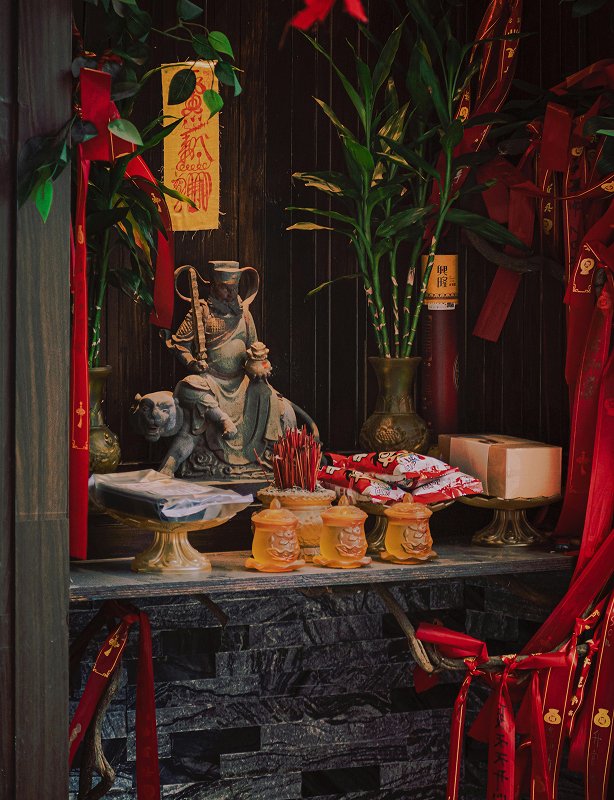
Visiting Temples and Pagodas On the first days of the new year, Vietnamese families flock to temples and pagodas to pray for luck, health, and prosperity. The atmosphere is solemn yet joyful, with incense smoke drifting through ancient courtyards. Joining this tradition, respectfully, is deeply moving for any visitor.
The First Visitor (Xông Nhà) Vietnamese culture places great importance on who enters the home first on New Year’s Day. The first visitor — believed to set the tone for the entire year — is chosen carefully. This tradition speaks to the deep belief in energy, intention, and the power of beginnings.
House Cleaning Before Tết (Dọn Nhà) In the weeks before Tết, every Vietnamese household undergoes a thorough deep clean. This is not merely practical housekeeping — it is a spiritual act of clearing out the old energy of the past year to make room for fresh blessings. Travelers staying with local families or homestays may even be invited to participate in this meaningful ritual.
Displaying the Tết Tree (Cây Nêu) In rural areas and traditional households, a tall bamboo pole called a Cây Nêu is erected in front of the home during Tết. Decorated with wind chimes, red cloth, and auspicious symbols, it is believed to ward off evil spirits and guide ancestral souls home for the celebration.
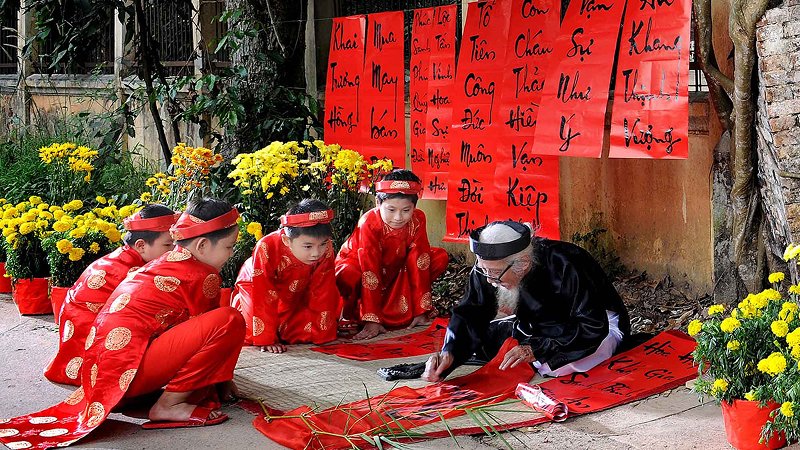
Calligraphy and Wishes (Xin Chữ) One of the most poetic Tết customs is visiting elderly calligraphers to request handwritten characters on red paper. These characters — representing luck, prosperity, health, or happiness — are hung in homes as blessings for the new year. In cities like Hanoi and Ho Chi Minh City, calligraphy streets come alive during Tết with scholars in traditional áo dài robes writing beautiful characters for visitors and locals alike.
Tết Through the Eyes of a Traveler
Imagine waking up on the morning of Tết eve in Hoi An. The ancient town is still and golden in the early light. You step outside to find the streets lined with apricot blossoms and paper lanterns swaying gently in the breeze.
By afternoon, families are gathered around steaming pots of bánh chưng. The smell of incense drifts from doorways. Children run through the narrow lanes in brand new clothes, clutching their red envelopes with wide, bright eyes.
As darkness falls, the sky above the Thu Bon River explodes with fireworks — brilliant bursts of red and gold reflected in the still water below. The sound of drums and laughter rises from every corner of the old town.
In that moment, you are not just a tourist watching from the outside. You are part of something ancient, joyful, and deeply human. That is the gift of Tết.
Tết Fashion and Traditional Dress
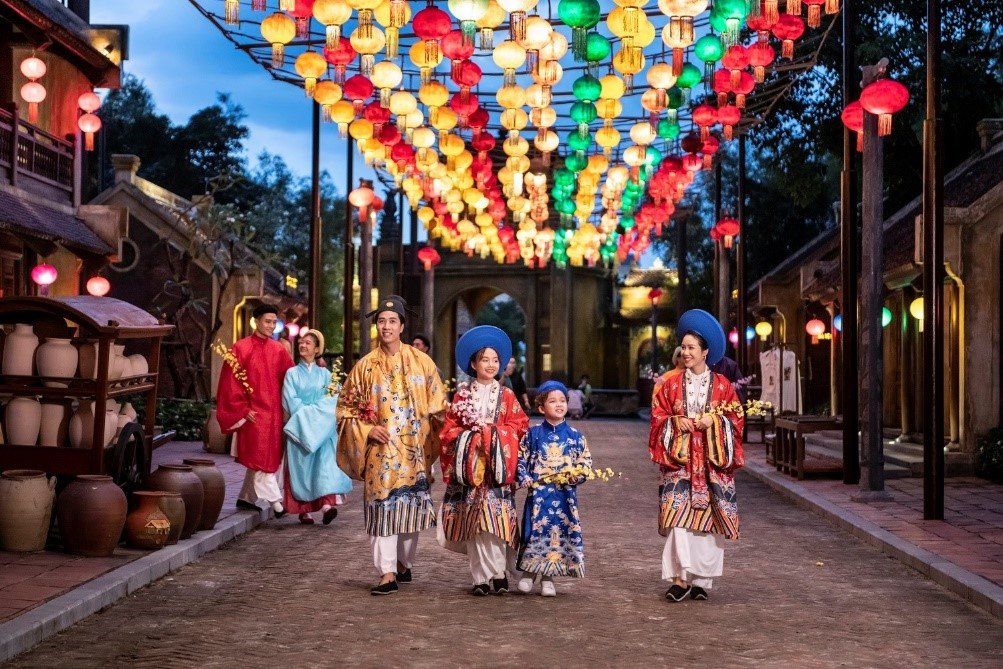
One of the most visually stunning aspects of Tết is the fashion. During the festival, Vietnamese people dress in their finest traditional clothing, and the streets become a living showcase of beauty and cultural pride.
Áo Dài — Vietnam’s National Dress The áo dài is Vietnam’s iconic national garment — a long, elegant tunic worn over wide-leg trousers. During Tết, women and girls wear áo dài in vibrant shades of red, pink, yellow, and gold, embroidered with flowers, phoenixes, and lucky symbols. Men also wear traditional áo dài in richer, deeper tones.
Seeing families dressed in matching áo dài for Tết photo shoots and temple visits is one of the most photographed and cherished moments of the festival.
New Clothes for the New Year Vietnamese tradition holds that wearing new clothes on Tết morning brings good luck for the year ahead. Even children are dressed head to toe in brand new outfits — a symbol of fresh beginnings and new opportunities.
Traveler Tip: Many cities offer áo dài rental services for tourists who want to dress up and immerse themselves fully in the Tết experience. Wearing traditional dress to visit a temple or walk through a flower market during Tết is a deeply respectful and joyful way to celebrate.
The Spiritual Side of Tết
Beyond the festivities, Tết carries profound spiritual significance that sets it apart from any other celebration in the world.
Ancestor Veneration Central to Tết is the belief that the spirits of ancestors return home to celebrate with the family. In every Vietnamese home, an ancestral altar is carefully prepared with offerings of food, fruit, incense, flowers, and candles. Family members gather to pray, share news of the past year, and invite their ancestors to join the celebration.
This practice of honoring those who came before is one of the most moving and humbling aspects of Tết for any visitor to witness.
The Kitchen God (Táo Quân) On the 23rd day of the 12th lunar month — about a week before Tết — Vietnamese families observe the tradition of Táo Quân, the Kitchen God Festival. According to legend, three kitchen gods report to the Jade Emperor in heaven about the family’s deeds throughout the year. Families release live fish into rivers and lakes as symbolic vessels for the gods’ journey, praying for a favorable report.
Full Moon Celebrations The first full moon of the new year, which falls during the Tết period, is celebrated with special lantern festivals — particularly in Hoi An, where the entire ancient town floats thousands of candle-lit lanterns on the river. It is one of the most magical sights in all of Asia.
Best Places to Experience Tết in Vietnam
Vietnam’s Tết celebrations vary beautifully by region. From the ancient streets of Hoi An to the electric energy of Ho Chi Minh City, every destination offers its own unique and unforgettable way to welcome the lunar new year. Here are the best destinations to add to your travel plans:
Hanoi
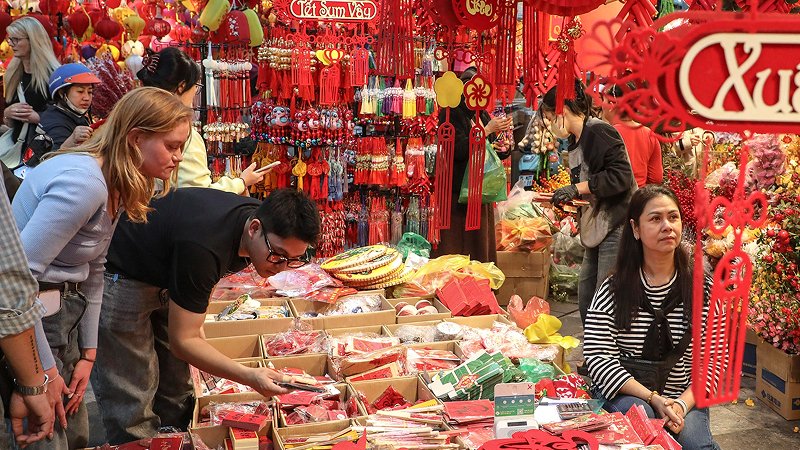
The capital city transforms into a sea of peach blossoms and red lanterns during Tết. Hoan Kiem Lake becomes a stunning backdrop for fireworks, and the Old Quarter buzzes with Tết markets and festivities. Hanoi offers one of the most traditional and atmospheric Tết experiences in the entire country.
Walking through Hanoi during Tết feels like stepping into a living painting. Every street corner is decorated with flowers, every temple courtyard glows with incense and candlelight, and the air is thick with the scent of blossoms and street food. The city’s deep historical roots make its Tết celebration feel especially authentic and deeply moving for first-time visitors.
Hanoi Tết Highlights:
- Hang Luoc Flower Market — one of Vietnam’s most iconic and beloved Tết flower markets, bursting with peach blossoms and chrysanthemums
- Hoan Kiem Lake Fireworks — a breathtaking midnight fireworks display reflected in the still waters of the lake
- Old Quarter Tết Markets — vibrant street markets selling traditional decorations, lucky charms, calligraphy scrolls, and festive foods
Ho Chi Minh City
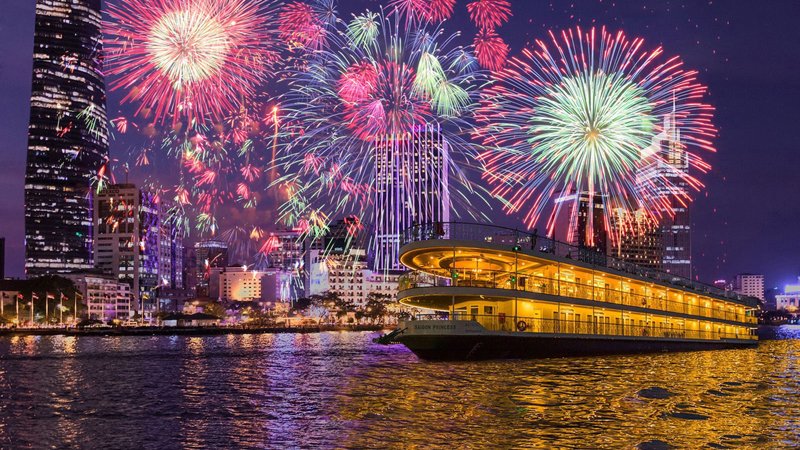
Vietnam’s bustling southern metropolis goes all out for Tết. The Nguyen Hue Flower Street is a breathtaking outdoor display stretching along the city’s main boulevard, drawing millions of visitors every year. Fireworks light up the Saigon River and the energy is electric, vibrant, and utterly unforgettable.
Ho Chi Minh City celebrates Tết with a modern energy that is all its own. Skyscrapers are draped in golden lights, luxury hotels host spectacular countdown events, and the city’s countless pagodas overflow with worshippers seeking blessings for the new year. Yet beneath the glittering surface, the warmth and tradition of Tết beats as strongly here as anywhere in Vietnam.
Ho Chi Minh City Tết Highlights:
- Nguyen Hue Flower Street — a stunning open-air floral exhibition stretching the length of the city’s most famous boulevard
- Saigon River Fireworks — one of Vietnam’s most spectacular fireworks displays lighting up the iconic waterfront skyline
- Jade Emperor Pagoda — one of the city’s most atmospheric temples, packed with worshippers and fragrant incense during Tết
Hoi An
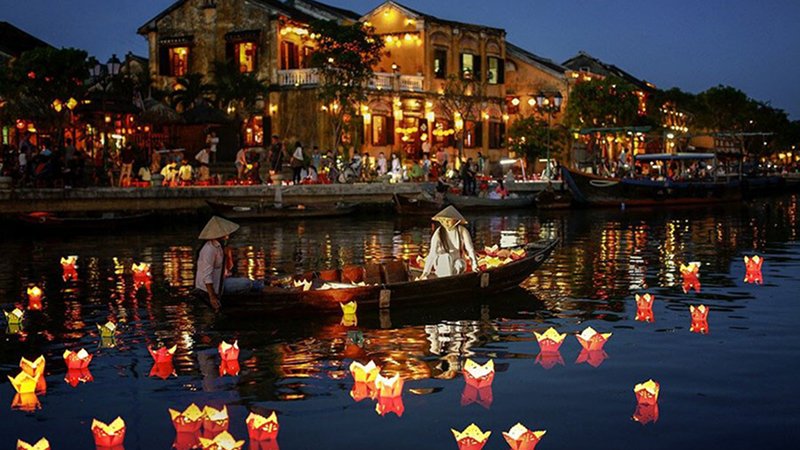
For a more intimate and magical experience, Hoi An is unmatched during Tết. The ancient town glows with thousands of lanterns, and its beautifully preserved streets feel like stepping back in time. Hoi An’s Tết is quieter, more poetic, and deeply romantic — a world away from the grand spectacles of the bigger cities.
The Thu Bon River becomes a mirror of light during Tết, reflecting the glow of thousands of silk lanterns released by locals and visitors alike. Every merchant house, temple gate, and cobblestone alley is decorated with blossoms and traditional ornaments. For travelers seeking a Tết experience that is both visually stunning and quietly spiritual, Hoi An is simply without equal.
Hoi An Tết Highlights:
- Lantern Festival on the Thu Bon River — thousands of glowing lanterns floating on the river create one of the most magical sights in all of Asia
- Ancient Town Flower Decorations — every street and doorway adorned with yellow apricot blossoms, marigolds, and traditional red ornaments
- Traditional Cultural Performances — lion dances, folk music, and community ceremonies performed in the atmospheric ancient town streets
Hue
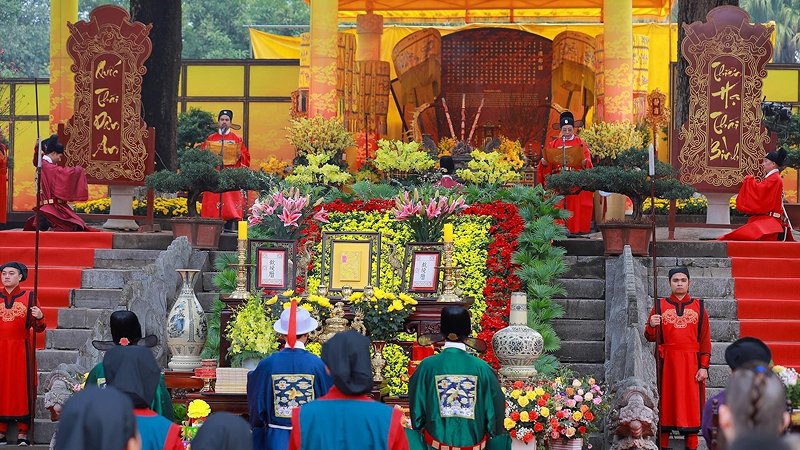
As Vietnam’s former imperial capital, Hue celebrates Tết with a sense of royal elegance found nowhere else in the country. Traditional ceremonies, royal court music, and elaborate cultural performances make it the perfect destination for travelers who want to connect with Vietnam’s deepest historical and cultural roots.
The grand Imperial Citadel becomes the centerpiece of Hue’s Tết celebrations, hosting ceremonial events that echo the grandeur of Vietnam’s Nguyen Dynasty. Visiting Hue during Tết is like attending a celebration that has barely changed in centuries — steeped in ritual, beauty, and a profound sense of continuity with the past.
Hue Tết Highlights:
- Imperial Citadel Ceremonies — ancient royal rituals and ceremonial performances held within the walls of the UNESCO-listed Imperial City
- Nhã Nhạc Court Music — UNESCO-recognized Vietnamese royal court music performed live during Tết festivities
- Perfume River Lantern Floating — a serene and beautiful tradition of releasing flower-adorned lanterns on the Perfume River at dusk
Sapa
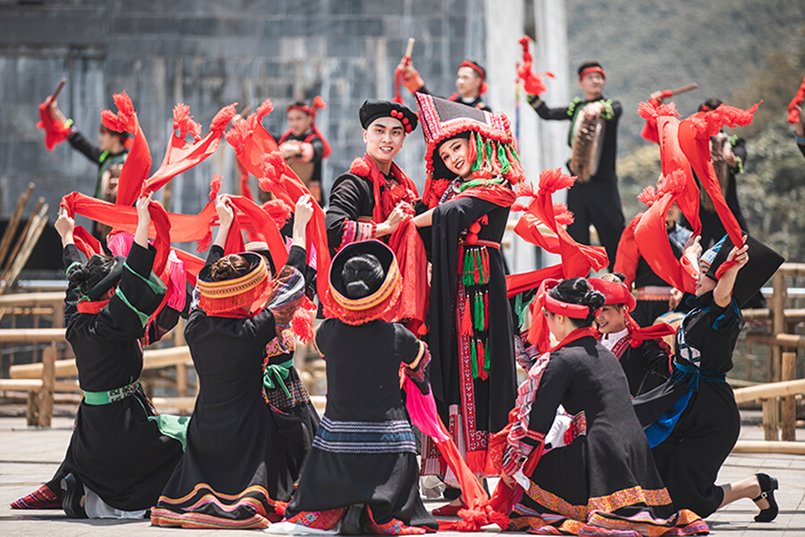
For a completely different Tết experience, the mountain town of Sapa in northern Vietnam offers a rare and fascinating glimpse into the celebrations of ethnic minority communities. The Hmong, Dao, and Tay peoples each observe their own distinct Tết traditions, making Sapa one of the most culturally rich and visually extraordinary festival destinations in the country.
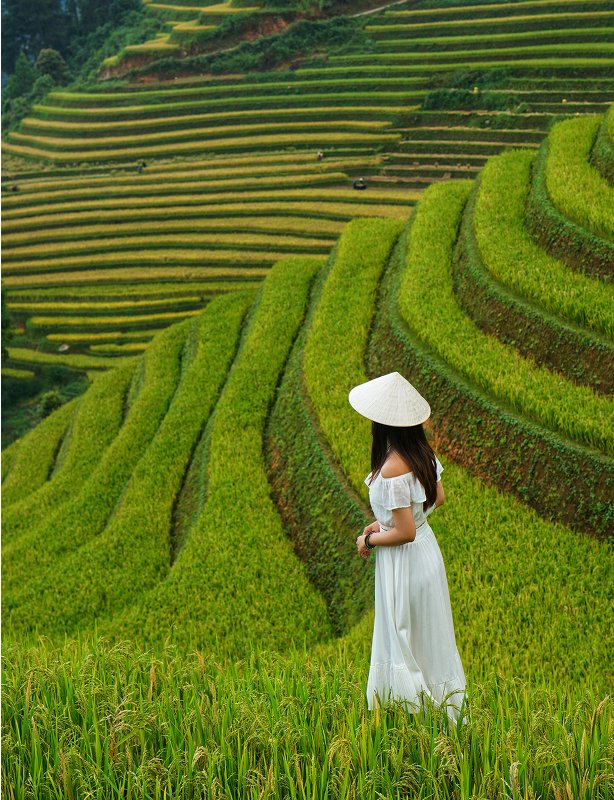
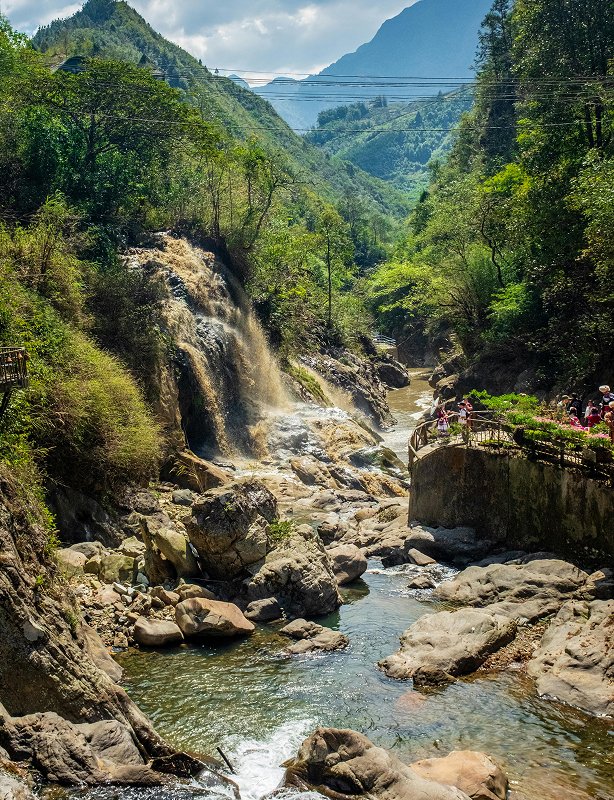
Sapa’s terraced hillsides and misty mountain landscapes provide a breathtaking backdrop for Tết celebrations that feel truly removed from the modern world. Colorful traditional costumes, handcrafted decorations, and community rituals passed down through generations make every moment in Sapa during Tết feel like a rare privilege. This is Vietnam’s festival season seen through an entirely different and deeply beautiful cultural lens.
Sapa Tết Highlights:
- Ethnic Minority Traditional Costumes — vibrant, intricately embroidered festival dress worn by Hmong, Dao, and Tay communities during Tết celebrations
- Mountain Village Ceremonies — intimate community rituals and ancestral offerings observed in traditional hillside villages surrounding Sapa town
- Sapa Love Market — a centuries-old tradition where young people from ethnic communities gather in colorful dress to meet, sing, and celebrate the new year
A Day-by-Day Guide to Tết Week
Understanding the structure of Tết helps travelers plan their visit to catch the most meaningful moments.
Days Before Tết — Preparation (Chuẩn Bị Tết) The week before Tết is a flurry of activity. Markets overflow with flowers, food, and decorations. Families clean their homes, visit graves to honor ancestors, and prepare elaborate offerings. This is one of the best times to explore local markets and witness the authentic energy of preparation.
Tết Eve (Giao Thừa) New Year’s Eve is the most dramatic night of Tết. Families gather for a reunion dinner — the most important meal of the year — before heading outdoors to watch fireworks at midnight. Temples fill with worshippers offering prayers for the new year. The atmosphere is electric with anticipation and joy.
First Day of Tết (Mùng Một) The first day is reserved for immediate family. Homes are quiet and reflective. Many Vietnamese people visit pagodas to pray for blessings and the streets take on a rare, peaceful stillness. It is a day of gentle beauty.
Second Day of Tết (Mùng Hai) Families visit the wife’s parents and close relatives. Gifts and red envelopes are exchanged. The warmth of family reunion fills every home.
Third Day of Tết (Mùng Ba) The third day is traditionally dedicated to visiting teachers, mentors, and respected community elders — a beautiful expression of gratitude and honor.
Days Four to Seven — Festivities Continue Public celebrations, street performances, traditional games, and community festivals fill the remaining days of Tết week. This is when travelers can most freely participate in the public festivities without intruding on private family time.
Traditional Tết Games and Activities
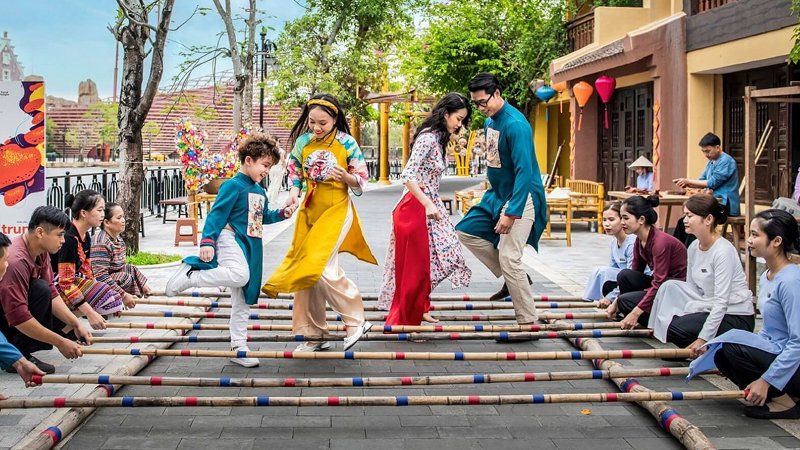
Tết is not just solemn ceremony — it is also joyful play. Traditional games and activities bring communities together during the festival.
Flower Arranging Competitions Communities compete to create the most beautiful flower arrangements using peach blossoms, chrysanthemums, and marigolds. The results are stunning displays of natural artistry.
Rooster Fighting (Đá Gà) In rural areas, rooster fighting is a traditional Tết spectacle that draws large crowds. While controversial in modern contexts, it remains a centuries-old cultural tradition observed during the festival period.
Human Chess (Cờ Người) In this remarkable living version of chess, real people dressed in elaborate costumes serve as the chess pieces, moving across a giant outdoor board. It is a theatrical and strategic performance that delights spectators of all ages.
Swinging Festival (Đu Quay) Traditional bamboo swings are erected in village squares during Tết. Young people compete to see who can swing the highest — a joyful and graceful spectacle rooted in ancient festival traditions.
Card Games and Traditional Entertainment Families gather around for card games, bầu cua tôm cá (a Vietnamese dice game), and storytelling. These simple pleasures are at the heart of what makes Tết so beloved — the gift of time spent together.
When is Tết? Upcoming Dates
| Year | Date | Zodiac Animal |
| Tết 2027 | February 6, 2027 | Year of the Goat |
| Tết 2028 | January 26, 2028 | Year of the Monkey |
Plan your trip to arrive 2–3 days before Tết to witness the full preparation, flower markets, and excitement building toward the main celebration.
Why Tết Should Be on Every Traveler’s Bucket List
There are festivals around the world — but Tết is something altogether different. It is not a performance put on for tourists. It is a living, breathing expression of who Vietnamese people are: their love of family, their reverence for ancestors, their joy in new beginnings, and their deep belief in hope.
To stand in the streets of Hanoi as fireworks paint the midnight sky. To taste warm bánh chưng wrapped in banana leaves. To watch children in silk áo dài run laughing through lantern-lit alleyways. To bow your head in a fragrant temple as incense smoke rises to the heavens.
These are not just travel memories. They are moments that change you.
Tết is Vietnam’s gift to the world. And once you experience it, you will understand why millions of people call it the most beautiful celebration on earth.