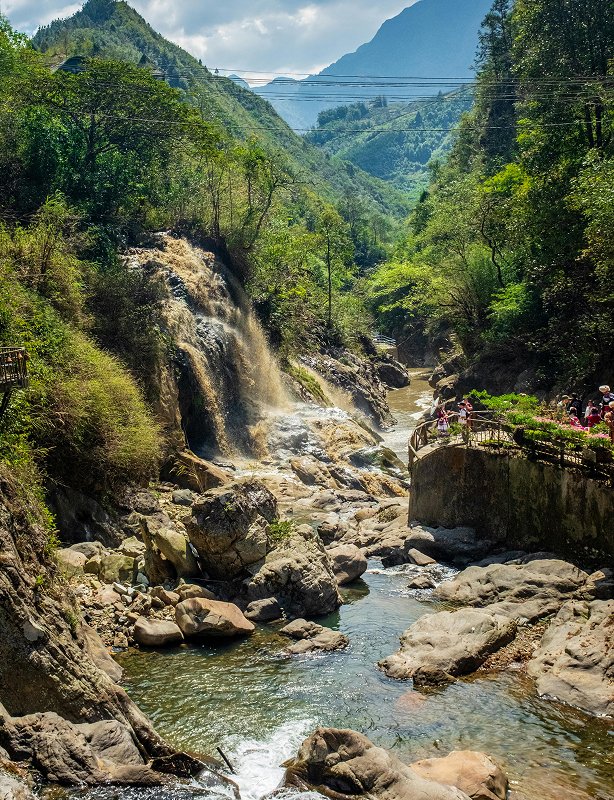
Vietnam is not just a destination — it is a feast waiting to be discovered. A Vietnam culinary journey is one of the most rewarding travel experiences in the world. From the misty mountains of Sapa to the sun-drenched coastlines of Da Nang, every region of Vietnam carries its own distinct flavors, ingredients, and food traditions deeply rooted in history and culture.
Whether you are a passionate foodie, an adventurous traveler, or someone simply looking to explore Vietnamese cuisine in its most authentic form, Vietnam will exceed every expectation. Every meal is a memory. Every flavor tells a story.
The Soul of Vietnamese Cuisine
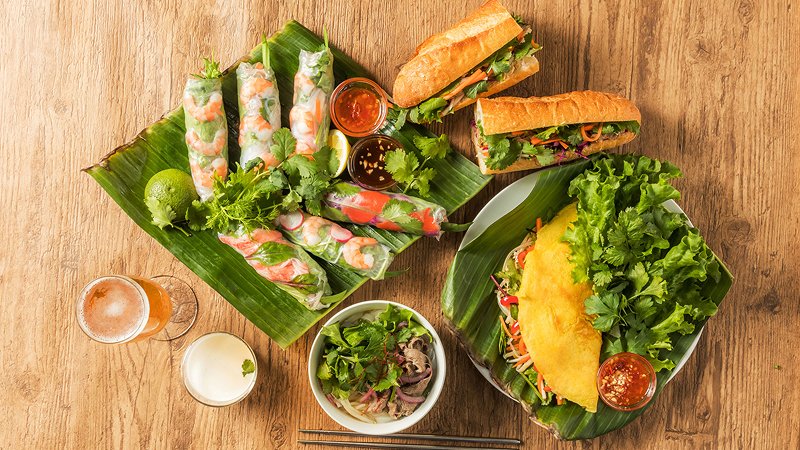
Vietnamese cuisine is celebrated worldwide for its extraordinary balance of flavors — salty, sweet, sour, spicy, and umami all in one bowl. Unlike many other Asian cuisines, Vietnamese cooking relies heavily on fresh ingredients, light cooking methods, and aromatic herbs like lemongrass, mint, basil, and coriander.
The result is food that is not only incredibly delicious but also healthy, vibrant, and deeply satisfying. What makes Vietnamese food truly special is its stunning regional diversity. The cuisine of North, Central, and South Vietnam is remarkably different from one another — each shaped by local climate, geography, culture, and history.
A true Vietnam food tour does not just show you what to eat — it shows you who the Vietnamese people are, how they live, and what they value most.
North Vietnam – Where Vietnamese Food Culture Began
Hanoi, the capital of Vietnam, is the birthplace of some of the country’s most iconic dishes. The food here is subtle, less sweet, and deeply savory. The streets of Hanoi come alive in the early morning hours as vendors set up their steaming pots and hungry locals gather for a traditional Vietnamese breakfast.
Pho — Vietnam’s most famous dish and a symbol of Vietnamese cuisine — originated right here in the North. This beautifully simple noodle soup made with slow-cooked beef or chicken broth, rice noodles, and fresh herbs has conquered the hearts of food lovers across the entire world. In Hanoi, pho is served in its most traditional and pure form — a must-try on every Vietnam culinary journey.
Other must-try dishes in North Vietnam include:
- Bun Cha — grilled pork with rice noodles and dipping sauce
- Banh Cuon — steamed rice rolls filled with minced pork and mushrooms
- Cha Ca — turmeric-marinated fish with dill and spring onions
- Banh Mi Hanoi — crispy baguette with Vietnamese fillings
A walk through Hanoi’s Old Quarter is a complete Vietnamese street food adventure in itself — every narrow lane hides a legendary food stall that has been serving locals for generations.
Central Vietnam – Bold, Spicy & Deeply Royal
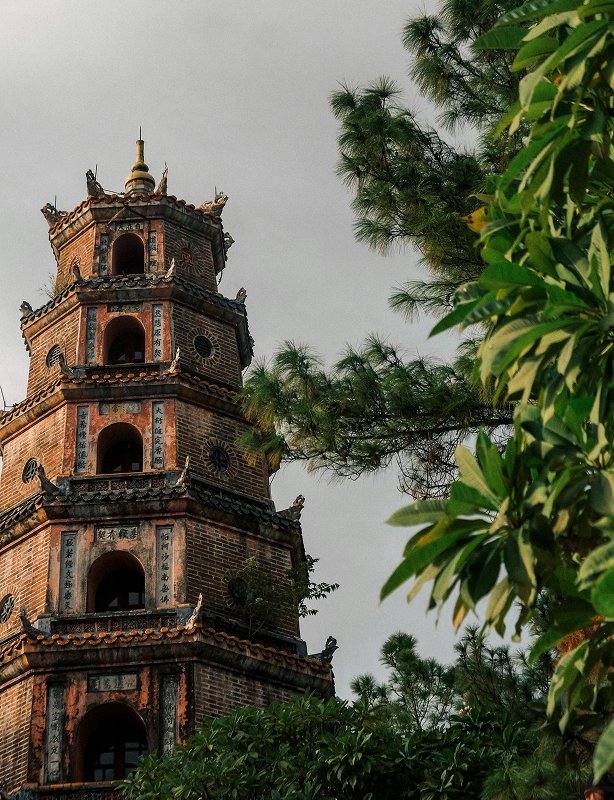
As you travel south to Hue and Hoi An, the food transforms dramatically. Central Vietnamese cuisine is the spiciest in the country, deeply influenced by its royal and imperial history. Hue was once the imperial capital of Vietnam, and its food reflects the elegance, complexity, and refinement of royal cooking traditions.
Bun Bo Hue — a spicy lemongrass beef noodle soup — is one of Central Vietnam’s greatest contributions to the world of Vietnamese cuisine. Richer and bolder than Hanoi’s pho, this dish is a complex and unforgettable flavor experience that locals are fiercely proud of.
Hoi An, a UNESCO World Heritage city, is widely regarded as one of the best destinations for Vietnamese street food in the entire country. The city’s most famous dish, Cao Lau — thick noodles with pork, greens, and crispy rice crackers — can only be authentically prepared in Hoi An due to its unique local water source.
Other iconic Hoi An dishes include:
- White Rose Dumplings — delicate shrimp dumplings, a Hoi An specialty
- Banh Mi Hoi An — widely considered the best banh mi in all of Vietnam
- Com Ga Hoi An — Hoi An-style chicken rice, fragrant and flavorful
- Banh Xeo — sizzling Vietnamese crepes stuffed with shrimp, pork, and bean sprouts
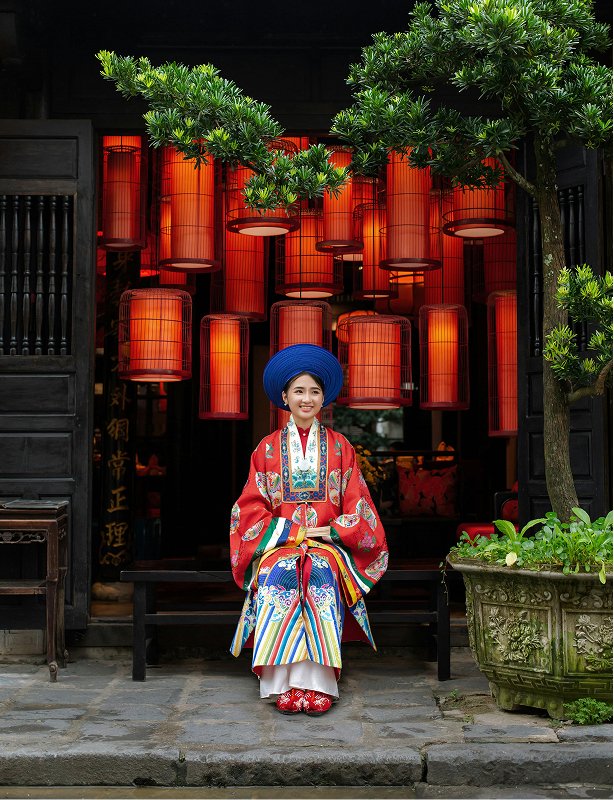
The streets of Hoi An are lined with lanterns, ancient architecture, and incredible food — making it one of the most romantic and delicious stops on any Vietnam food tour.
South Vietnam – Sweet, Vibrant & Street Food Heaven
Ho Chi Minh City, also known as Saigon, is the beating heart of South Vietnam’s food scene. Southern Vietnamese cuisine is sweeter, bolder, and more diverse — heavily influenced by Chinese, Cambodian, and French culinary traditions that have shaped the region over centuries.
Banh Mi — the legendary Vietnamese sandwich — is arguably South Vietnam’s greatest gift to global street food culture. A crispy French baguette stuffed with pate, cold cuts, pickled vegetables, fresh herbs, and chili sauce, it is the perfect fusion of French colonial influence and authentic Vietnamese flavors. In Saigon, hundreds of banh mi vendors each carry their own secret family recipe.
Other essential South Vietnam dishes include:
- Com Tam — broken rice with grilled pork, fried egg, and fresh vegetables
- Hu Tieu — light but flavorful pork and seafood noodle soup
- Goi Cuon — fresh spring rolls with shrimp, pork, herbs, and rice vermicelli
- Banh Trang Nuong — Vietnamese grilled rice paper topped with egg and dried shrimp
- Che — Vietnamese sweet dessert soups in endless varieties
The Mekong Delta, just a few hours south of Ho Chi Minh City, offers a completely different Vietnamese food experience — fresh coconut-based desserts, river fish dishes, and exotic tropical fruits that complete the Southern food story beautifully.
Vietnamese Street Food – The True Heart of the Culinary Journey
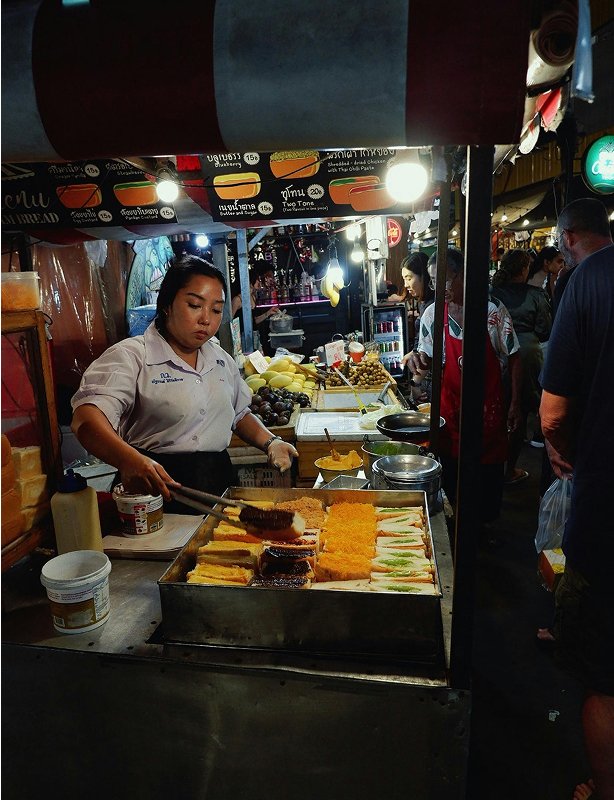
No Vietnam culinary journey is complete without diving headfirst into its legendary Vietnamese street food culture. Street food in Vietnam is fast, affordable, incredibly flavorful, and deeply authentic. It is the food that locals eat every single day — not in fancy restaurants, but on tiny plastic stools by the roadside, in loud bustling markets, and from carts pushed through neighborhood lanes at all hours.
The most iconic Vietnamese street foods every traveler must try:
- Pho — the iconic slow-cooked beef or chicken noodle soup
- Banh Mi — the world-famous Vietnamese sandwich
- Goi Cuon — light and fresh Vietnamese spring rolls
- Banh Xeo — sizzling crispy Vietnamese crepes
- Com Tam — Saigon-style broken rice with grilled pork
- Bun Bo Hue — bold and spicy Central Vietnamese noodle soup
- Che — colorful Vietnamese sweet dessert soups
- Banh Trang Nuong — grilled Vietnamese rice paper snack
Street food tours in Hanoi, Hoi An, and Ho Chi Minh City are consistently rated among the most memorable and delicious experiences for travelers on a Vietnam food tour.
Vietnamese Cooking Classes – Learn, Cook & Connect
One of the best ways to truly connect with Vietnamese cuisine on your Vietnam culinary journey is by joining an authentic local cooking class. Across Vietnam — from Hanoi to Hoi An to Ho Chi Minh City — you will find passionate cooking schools and local chefs who warmly welcome travelers into their kitchens.
A typical Vietnamese cooking class experience includes:
- A guided morning visit to the local wet market to handpick fresh ingredients
- Learning to identify and use traditional Vietnamese herbs and spices
- Hands-on preparation of classic dishes like pho, banh mi, fresh spring rolls, and banh xeo
- Sitting down together to enjoy the meal you have prepared
Vietnamese cooking classes are not just about recipes — they are about understanding the philosophy behind Vietnamese food. Why balance matters. Why freshness is everything. Why food is community. Many travelers say their cooking class in Vietnam was the single most memorable experience of their entire trip.
Vietnamese Coffee & Drinks – A Culture in Every Cup
Vietnam is one of the world’s largest coffee producers, and its coffee culture is unlike anything else on earth. Vietnamese iced coffee (Ca Phe Sua Da) — strong dark roast drip coffee poured over sweetened condensed milk and ice — is a national obsession enjoyed from early morning to late at night.
Egg coffee (Ca Phe Trung), a beloved Hanoi specialty, is a uniquely indulgent drink made with whipped egg yolk, sugar, and condensed milk layered over rich espresso. It tastes like a liquid dessert and is absolutely essential on any Vietnam culinary journey.
Beyond coffee, Vietnam offers:
- Sugarcane juice — freshly pressed and ice cold on every street corner
- Lotus tea — delicate and fragrant, a true Vietnamese tradition
- Bia Hoi — Vietnam’s legendary fresh draught beer, served ice cold for just cents a glass
- Fresh tropical fruit juices — mango, passion fruit, coconut and more
Why Vietnam Is the Ultimate Food Travel Destination
Vietnam consistently ranks among the top culinary travel destinations in the world — and for very good reason. The country offers an extraordinary range of Vietnamese food experiences, from the simplest bowl of pho eaten at dawn on a Hanoi street corner to elaborate multi-course meals in a lantern-lit restaurant in Hoi An.