
Traditional Thai food is more than just a meal—it is a vibrant expression of history, geography, and cultural harmony. From spicy curries and aromatic soups to sweet tropical desserts, every dish reflects Thailand’s perfect balance of sweet, sour, salty, spicy, and bitter flavors. Exploring traditional Thai food is one of the most immersive ways to understand the country’s culture, daily life, and centuries-old culinary traditions.
Thailand’s cuisine is shaped by its tropical climate, fertile rice fields, and Buddhist influences. Fresh herbs like lemongrass and Thai basil, coconut milk, chilies, lime juice, and fish sauce form the foundation of traditional Thai food. Meals are designed to be shared, emphasizing community and connection. For travelers, tasting authentic dishes is not just about flavor—it is about experiencing Thailand through its food.
Below is a detailed guide to the most important traditional Thai dishes you should not miss.
Must-Try Dishes
- Pad Thai
- Tom Yum Goong
- Green Curry (Gaeng Keow Wan)
- Som Tam (Papaya Salad)
- Massaman Curry
- Tom Kha Gai
- Mango Sticky Rice
- Thai Boat Noodles
- Thai Basil Stir Fry (Pad Kra Pao)
- Thai Iced Tea
Pad Thai
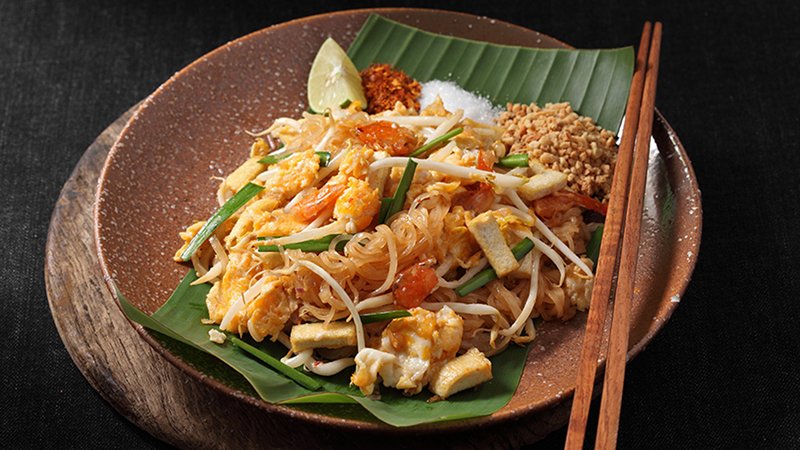
Pad Thai is one of the most famous examples of traditional Thai food and a staple of bustling street stalls in Bangkok. Stir-fried rice noodles are tossed in a scorching hot wok with eggs, tofu or shrimp, bean sprouts, crushed peanuts, and tamarind sauce.
The beauty of Pad Thai lies in its balance—sweet palm sugar, sour tamarind, salty fish sauce, and spicy chili flakes. What makes it special in Thailand is the technique: vendors cook it quickly over intense heat, creating a subtle smoky aroma known as wok hei. The noodles remain soft yet slightly chewy, while peanuts add crunch and bean sprouts provide freshness.
Fresh lime juice squeezed on top brightens the dish instantly. Some regional variations include dried shrimp, chives, or banana flower on the side. Although it is available globally, enjoying Pad Thai freshly prepared on a busy Thai street truly captures the spirit of traditional Thai food culture.
Tom Yum Goong
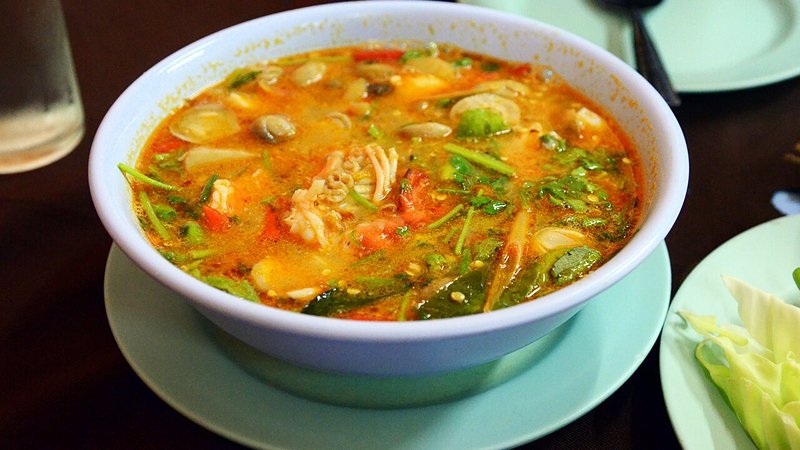
Tom Yum Goong is a bold and aromatic shrimp soup that perfectly represents the intensity of traditional Thai food. Infused with lemongrass, galangal, kaffir lime leaves, lime juice, and fresh chilies, this soup delivers layers of fragrance before you even take the first sip.
Often enjoyed in coastal regions such as Phuket, Tom Yum Goong highlights Thailand’s access to fresh seafood. The broth is simmered gently to extract essential oils from the herbs without turning bitter.
There are two common versions: clear (Tom Yum Nam Sai) and creamy (Tom Yum Nam Khon), the latter enriched with evaporated milk or chili paste. The result is a light yet powerful soup—spicy, sour, slightly salty, and incredibly refreshing. It awakens the senses and stimulates the appetite, making it a beloved starter in Thai meals.
Green Curry (Gaeng Keow Wan)
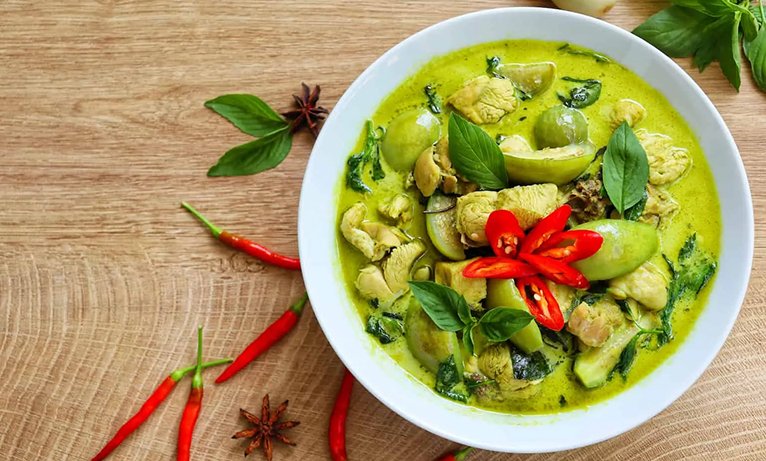
Green Curry, or Gaeng Keow Wan, is one of the richest and most beloved curries in traditional Thai food. Its vibrant green color comes from fresh green chilies blended with Thai basil, coriander roots, garlic, and shallots.
The curry paste is first fried in coconut cream to release its aroma before coconut milk is gradually added. Eggplant, bamboo shoots, and chicken or beef are then simmered until tender.
The flavor profile is complex—creamy yet spicy, sweet yet herbal. Thai basil leaves are added at the end for a burst of fragrance. In central Thailand, this curry is slightly sweeter, while southern versions can be spicier. Served with steamed jasmine rice, Green Curry reflects Thailand’s refined and layered culinary style.
Som Tam (Papaya Salad)
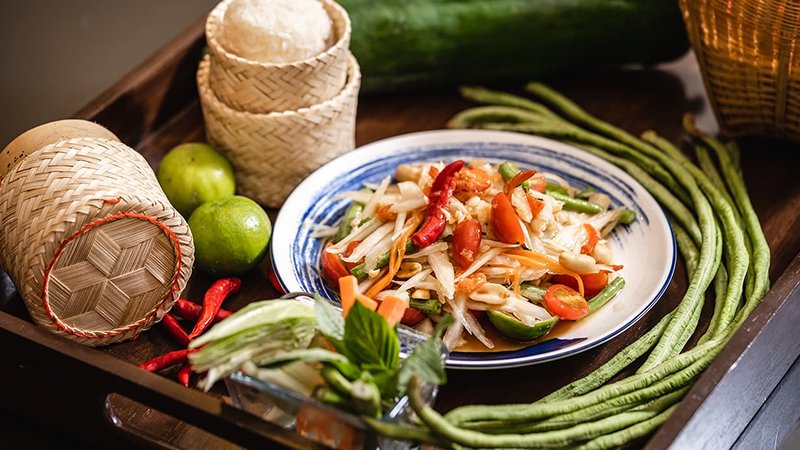
Som Tam is a refreshing green papaya salad that showcases the harmony central to traditional Thai food. Originating in northeastern Thailand but widely popular in Chiang Mai, it is prepared using a mortar and pestle to gently bruise ingredients and blend flavors.
Shredded unripe papaya is mixed with lime juice, fish sauce, palm sugar, garlic, tomatoes, peanuts, long beans, and fiery chilies. The pounding process allows the dressing to penetrate the papaya while keeping its crisp texture intact.
Som Tam is intensely flavorful—sweet, sour, spicy, and slightly salty all at once. Variations may include salted crab or fermented fish sauce for deeper umami flavor. It is often paired with sticky rice and grilled chicken, making it a complete and satisfying meal.
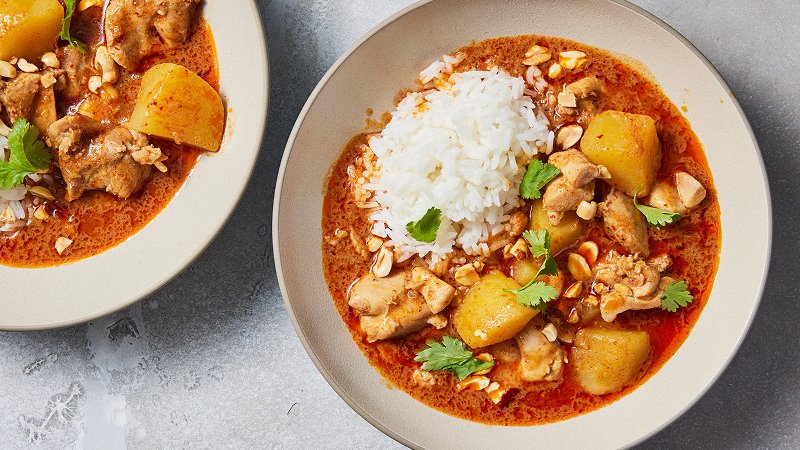
Massaman Curry
Massaman Curry reflects Thailand’s historic trade connections with Indian and Persian merchants. Unlike sharper Thai curries, this dish leans toward warm, earthy spices such as cinnamon, cardamom, cloves, and nutmeg.
The curry is slow-cooked with coconut milk, beef or chicken, potatoes, onions, and peanuts. The long simmering process allows the spices to soften and infuse the meat deeply.
The result is thick, creamy, and mildly spiced with a subtle sweetness. Because it is less fiery than many Thai dishes, Massaman Curry is often recommended for first-time visitors exploring traditional Thai food.
Tom Kha Gai
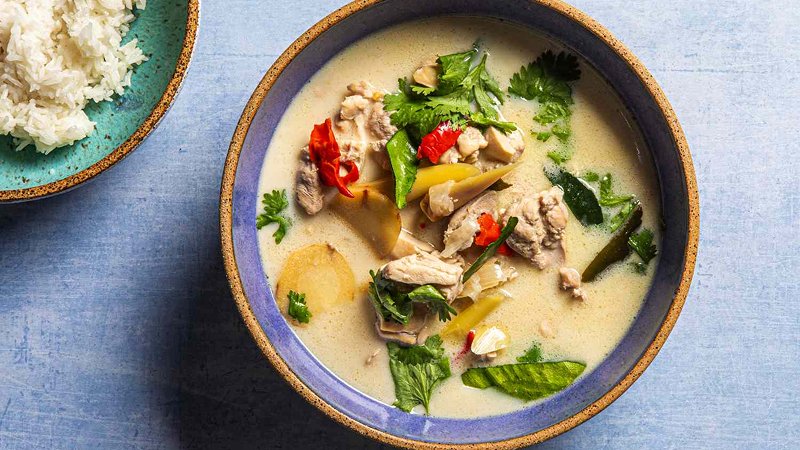
Tom Kha Gai is a creamy coconut soup made with chicken, galangal, lemongrass, mushrooms, and lime leaves. Compared to Tom Yum, it is gentler and more soothing.
Coconut milk forms the base, giving the soup a silky texture. Galangal provides a slightly peppery citrus note, while lime juice adds brightness.
The balance between creamy richness and herbal freshness demonstrates the delicate complexity of traditional Thai food. It is commonly enjoyed as both a starter and a main dish with rice.
Thai Basil Stir Fry (Pad Kra Pao)
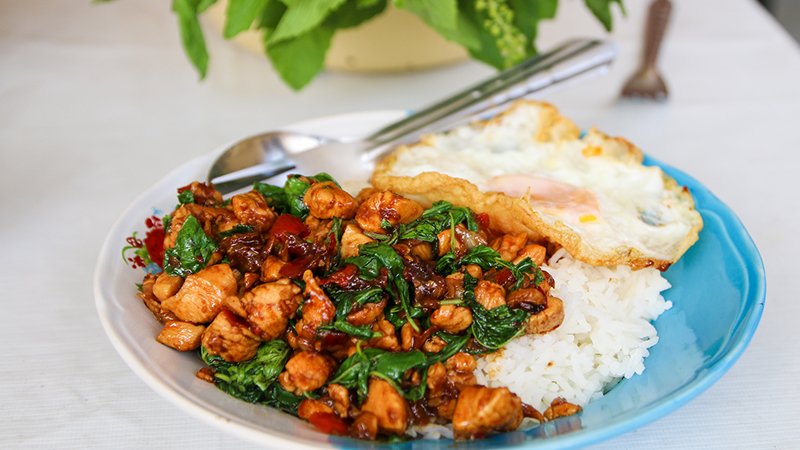
Pad Kra Pao is one of Thailand’s most loved everyday meals and a true representation of quick, home-style traditional Thai food.
Minced pork or chicken is stir-fried rapidly with garlic, bird’s eye chilies, soy sauce, oyster sauce, and holy basil. The intense heat releases the basil’s aroma, which defines the dish.
It is served over jasmine rice and topped with a crispy fried egg whose runny yolk blends into the rice. Spicy, savory, and aromatic, Pad Kra Pao is commonly eaten for lunch and is available everywhere from street stalls to local restaurants.
Mango Sticky Rice
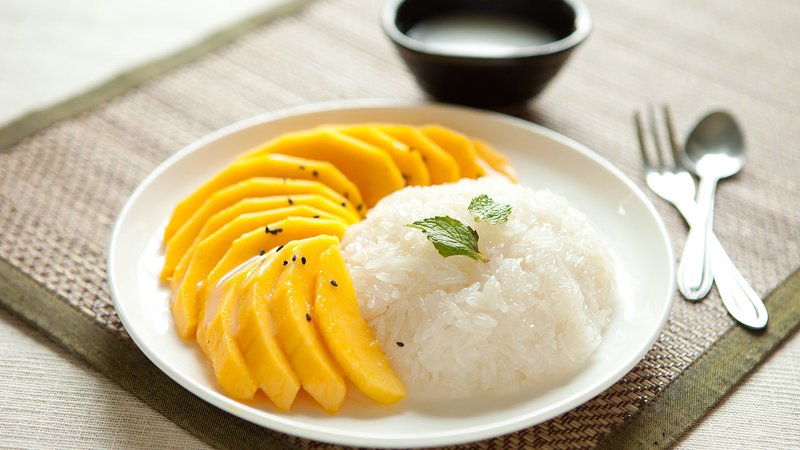
No exploration of traditional Thai food is complete without Mango Sticky Rice. This iconic dessert combines glutinous rice steamed until tender and soaked in sweetened coconut milk.
Slices of ripe mango are placed alongside the rice, creating a contrast of creamy and juicy textures. A drizzle of salted coconut cream enhances the flavor balance.
Common in night markets across destinations like Krabi, this dessert highlights Thailand’s tropical fruit abundance. It is especially popular during mango season from April to June.
Thai Boat Noodles
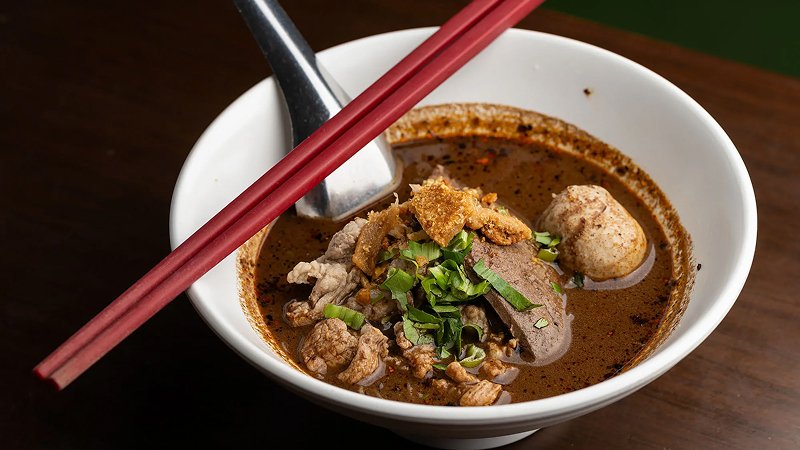
Thai Boat Noodles originated from floating markets where vendors served small bowls directly from boats. The broth is dark, rich, and intensely flavored with soy sauce, spices like star anise, and slow-simmered meat stock.
Thin rice noodles are topped with slices of beef or pork, bean sprouts, herbs, and sometimes crispy pork skin. Traditionally served in small portions, diners often order multiple bowls.
This dish reflects the historical canal culture of central Thailand and remains a staple of street-side dining.
Thai Iced Tea
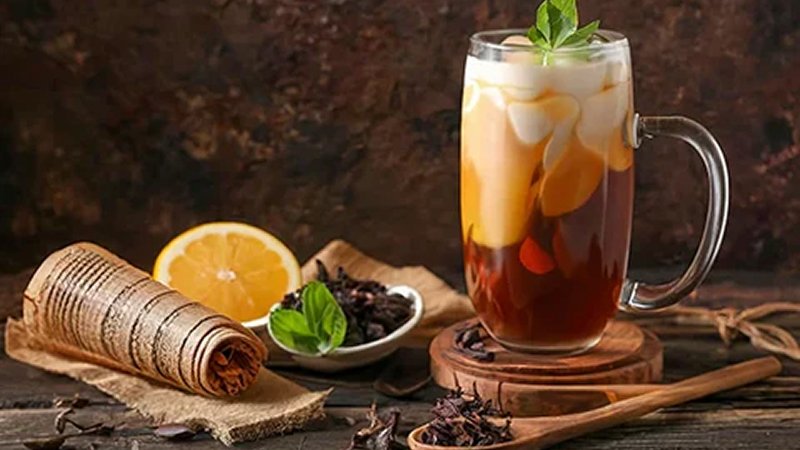
Thai Iced Tea is a sweet, creamy drink made from strongly brewed black tea mixed with condensed milk and poured over ice. Its vibrant orange color comes from the tea blend used in Thailand.
The drink is intensely sweet and smooth, providing cooling relief from spicy dishes. It is widely available in restaurants and street stalls and is an essential companion to traditional Thai food meals in Thailand’s tropical climate.
Regional Diversity in Traditional Thai Food
Traditional Thai food varies significantly by region:
- Central Thailand – Balanced flavors and refined curries
- Northern Thailand – Milder dishes and herbal influences
- Northeastern Thailand (Isaan) – Spicier salads and grilled meats
- Southern Thailand – Intense curries and seafood-rich dishes
Each region contributes unique flavors, ingredients, and cooking styles, making Thailand’s cuisine incredibly diverse.