
Traditional Swedish Food reflects the country’s deep connection to nature, seasons, and history. In Sweden, food traditions developed around long winters, coastal living, and locally sourced ingredients. From preserved fish to hearty meat dishes and sweet pastries, Swedish cuisine is both comforting and culturally rich.
One of the defining features of Traditional Swedish Food is its simplicity. Fresh seafood, root vegetables, dairy, rye bread, and forest berries form the base of many dishes. Preservation methods such as curing, pickling, smoking, and fermenting were historically essential and remain important today.
Whether you’re exploring restaurants in Stockholm, visiting coastal towns, or discovering northern villages, Traditional Swedish Food offers authentic flavors that represent the heart of Swedish culture.
Seafood in Traditional Swedish Food
Seafood is one of the pillars of Traditional Swedish Food because of Sweden’s extensive coastline and rich fishing waters. Salmon, herring, shrimp, and cod appear frequently in both everyday meals and festive celebrations.
These seafood dishes range from lightly cured preparations to rich creamy soups, highlighting the freshness of local ingredients while preserving centuries-old cooking methods that define Traditional Swedish Food.
1. Gravlax
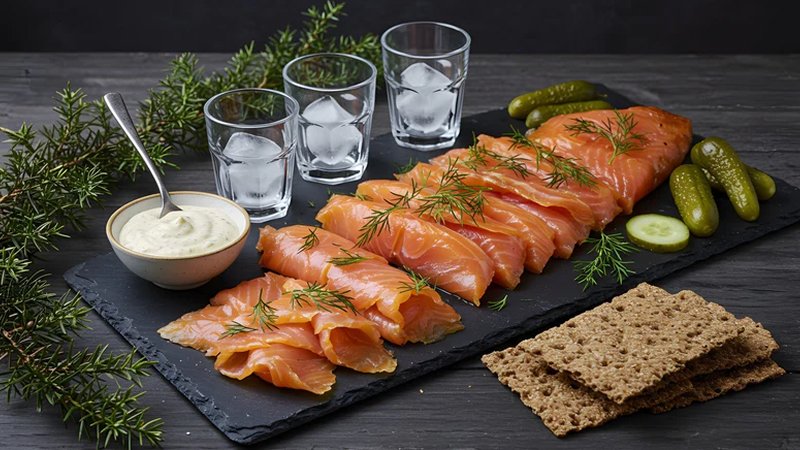
Gravlax is one of the most elegant and refined dishes in Traditional Swedish Food. Fresh salmon is carefully cured with salt, sugar, and generous amounts of dill, then left to rest for several days. This slow curing process enhances the fish’s natural flavor while giving it a silky, delicate texture that melts in your mouth.
Historically, gravlax was developed as a preservation method by fishermen who needed to store fish safely during long winters. Today, it has become a gourmet appetizer served thinly sliced with mustard-dill sauce and crisp rye bread, making it a highlight of Traditional Swedish Food culture.
Its light yet flavorful profile makes gravlax a favorite starter in both modern restaurants and traditional dining establishments across Sweden.
Top Attractions to Try Gravlax:
- Waterfront restaurants in Stockholm
- Seafood markets in Gothenburg
2. Pickled Herring (Sill)
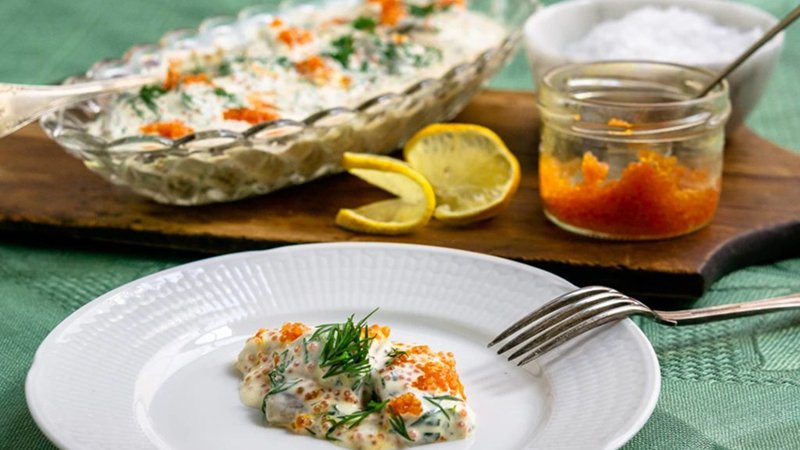
Pickled herring is a true symbol of Traditional Swedish Food and holds deep cultural significance. The herring is marinated in a variety of sauces including mustard, onion, garlic, and dill, offering a range of flavors from tangy to slightly sweet.
This dish plays a central role during Swedish holidays such as Midsummer and Christmas, where it is served as part of festive spreads. The preservation method allowed families to store fish for long periods, which was essential in older times.
Even today, pickled herring remains one of the most authentic ways to experience Traditional Swedish Food, especially during seasonal celebrations.
Top Attractions to Try Pickled Herring:
- Traditional holiday buffets in Stockholm
- Local restaurants across coastal Sweden
3. Surströmming
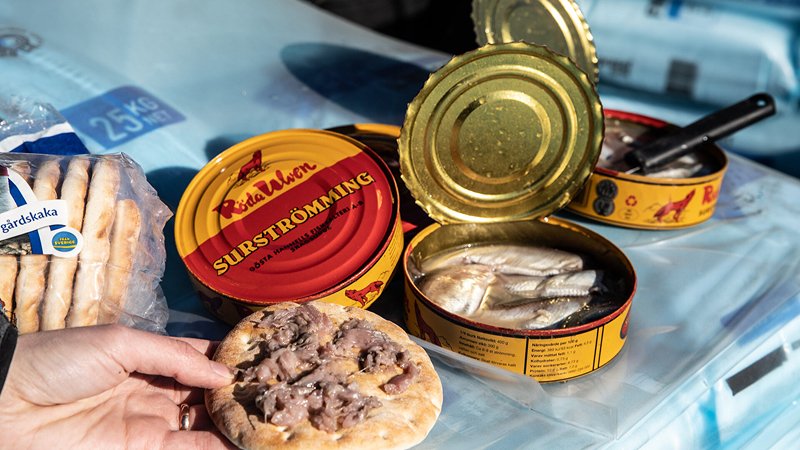
Surströmming is one of the most unique and bold dishes in Traditional Swedish Food. It consists of Baltic herring that has been fermented for several months, creating a very strong aroma and intense flavor. While it may surprise first-time visitors, it holds deep cultural importance in Sweden.
The fermentation process dates back centuries and was originally used as a preservation method when salt was expensive. Today, surströmming is considered a delicacy in northern Sweden and is often enjoyed during special gatherings.
It is traditionally eaten outdoors, served with thin flatbread, boiled potatoes, chopped onions, and sour cream. Despite its reputation, trying surströmming offers an authentic insight into the historic preservation techniques that shaped Traditional Swedish Food.
Top Attractions to Try Surströmming:
- Cultural food festivals in northern Sweden
- Local dining experiences in Umeå
4. Toast Skagen
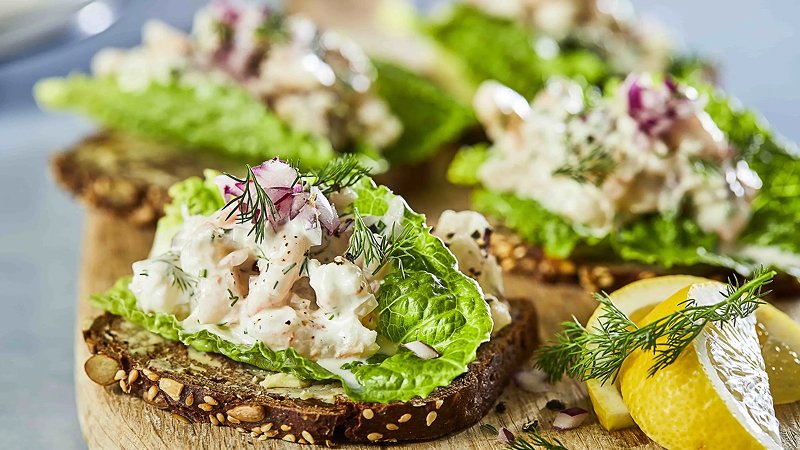
Toast Skagen is a refined seafood starter that represents the lighter side of Traditional Swedish Food. The dish features a creamy mixture of shrimp, mayonnaise, dill, lemon, and sometimes fish roe, served on toasted bread.
Named after the Danish fishing port of Skagen, this dish became popular in Sweden and is now a staple in many coastal restaurants. It highlights Sweden’s love for fresh seafood combined with simple yet elegant preparation.
Toast Skagen is commonly served as an appetizer in waterfront restaurants and is especially popular in cities like Stockholm. It perfectly balances richness with freshness, making it a favorite among locals and tourists exploring Traditional Swedish Food.
Top Attractions to Try Toast Skagen:
- Harbor restaurants in Stockholm
- Seafood spots in Gothenburg
5. Swedish Fish Soup
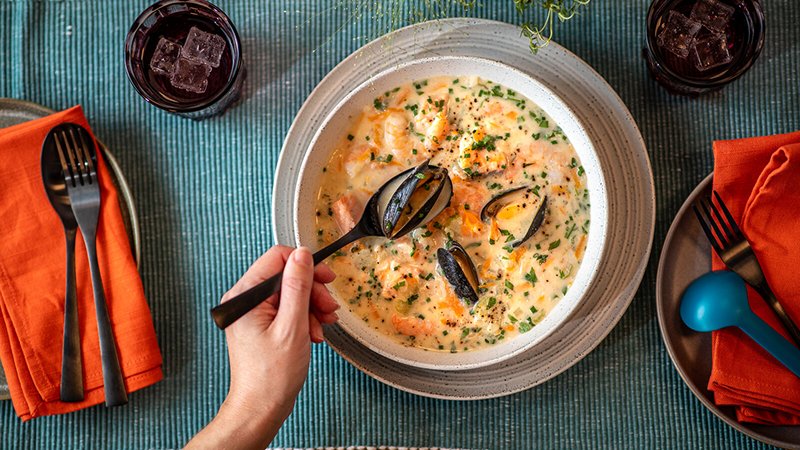
Swedish Fish Soup is a comforting and flavorful dish that showcases the coastal heritage of Traditional Swedish Food. Typically made with salmon or cod, the soup includes root vegetables, herbs, and a creamy broth that enhances the natural sweetness of the fish.
This dish is especially popular along Sweden’s west coast, where fresh seafood is abundant. The combination of tender fish and aromatic broth makes it both nourishing and satisfying, particularly during colder seasons.
Often served with crusty bread, Swedish Fish Soup demonstrates how Traditional Swedish Food transforms simple ingredients into warm and comforting meals that reflect Sweden’s maritime traditions.
Top Attractions to Try Swedish Fish Soup:
- Coastal restaurants in western Sweden
- Seaside cafés in Malmö
Meat & Hearty Main Dishes
Meat dishes form the comforting backbone of Traditional Swedish Food, especially during colder months. These meals are designed to provide warmth and energy, often served with potatoes and berry-based sauces that balance savory flavors with subtle sweetness.
Traditional Swedish Food is known for combining simple ingredients with slow-cooking methods, creating deeply satisfying and homestyle dishes loved across generations.
6. Swedish Meatballs (Köttbullar)
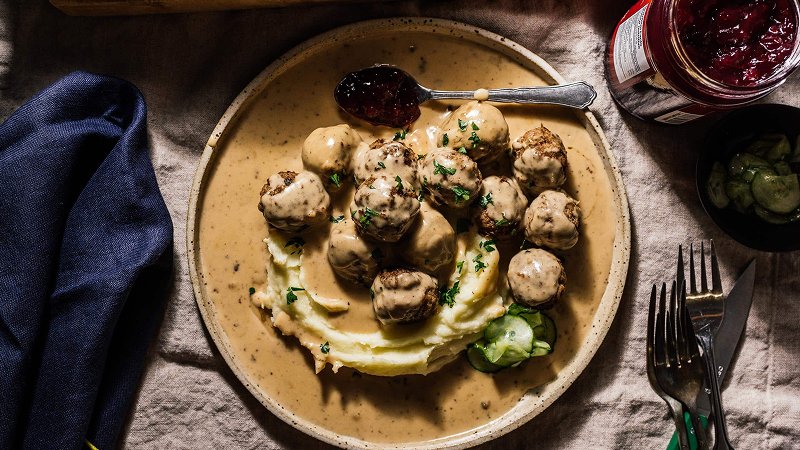
Swedish meatballs are undoubtedly the most famous dish in Traditional Swedish Food. Made from a blend of ground beef and pork, seasoned gently with spices, and pan-fried to golden perfection, they are both tender and flavorful.
They are traditionally served with creamy brown gravy, smooth mashed potatoes, pickled cucumbers, and lingonberry jam. The sweet-tart flavor of the berries perfectly complements the savory richness of the meatballs, creating a balanced and comforting meal.
While globally popularized by IKEA, authentic Swedish meatballs in Sweden offer a more delicate texture and deeper flavor that truly represents Traditional Swedish Food.
Top Attractions to Try Swedish Meatballs:
- Traditional bistros in Stockholm
- Family-run restaurants in Malmö
7. Falukorv
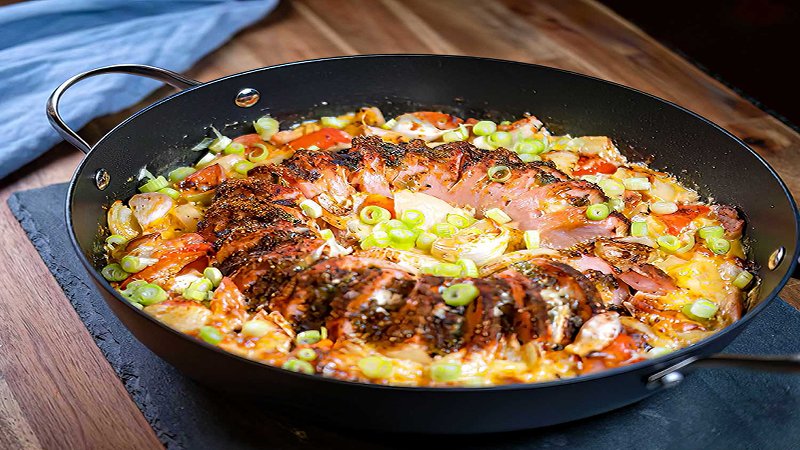
Falukorv is a classic Swedish sausage that has been part of Traditional Swedish Food for centuries. It has a mild, slightly smoky flavor and a smooth texture that makes it versatile in many home-cooked meals.
Often baked with mustard and onions or sliced and fried, falukorv is typically served with mashed or boiled potatoes. It is especially popular among families and represents everyday Swedish comfort food.
This humble sausage dish may seem simple, but it reflects the practicality and hearty nature of Traditional Swedish Food traditions.
Top Attractions to Try Falukorv:
- Local neighborhood restaurants across Sweden
8. Raggmunk
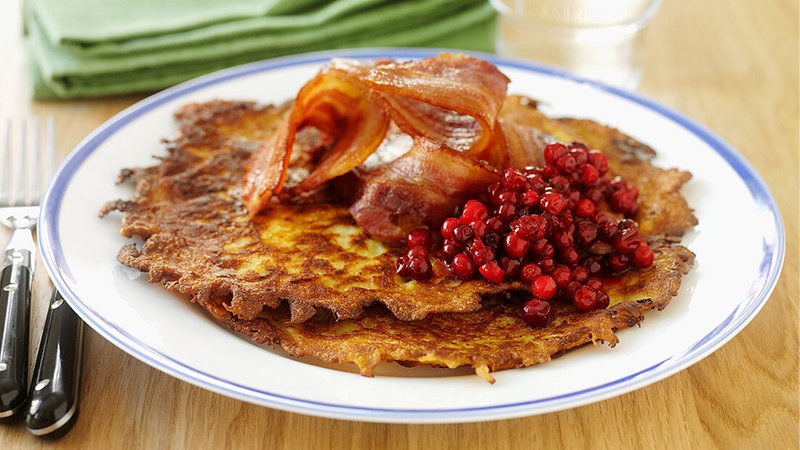
Raggmunk are crispy potato pancakes that highlight the importance of potatoes in Traditional Swedish Food. Grated potatoes are mixed into a batter and fried until golden and crisp on the outside while remaining soft inside.
They are traditionally served with fried pork and lingonberry jam, creating a delightful contrast between savory, salty, and sweet flavors. This combination is a signature characteristic of Traditional Swedish Food.
Raggmunk is particularly popular during autumn and winter, offering a warm and satisfying meal during colder seasons.
Top Attractions to Try Raggmunk:
- Traditional eateries in Stockholm
Bread & Traditional Buffets
Bread is a daily essential in Traditional Swedish Food, particularly rye-based varieties that pair well with cheese, butter, and fish. Swedish meals often emphasize shared dining experiences where multiple dishes are sampled together.
The concept of buffet-style eating is central to Traditional Swedish Food culture, allowing diners to explore a variety of flavors in one sitting.
9. Smörgåsbord
Smörgåsbord is a classic buffet that represents the diversity of Traditional Swedish Food. It typically includes cold cuts, smoked fish, pickled herring, cheeses, salads, breads, and several warm dishes arranged beautifully on a large table.
The tradition encourages guests to start with lighter fish dishes before moving to meats and hot courses. This structured approach to eating is part of Swedish dining etiquette and cultural heritage.
Smörgåsbord is especially popular during festive occasions like Christmas and Easter, offering a complete experience of Traditional Swedish Food in one meal.
Top Attractions to Try Smörgåsbord:
- Grand hotels in Stockholm
- Traditional restaurants across Sweden
10. Knäckebröd (Crispbread)
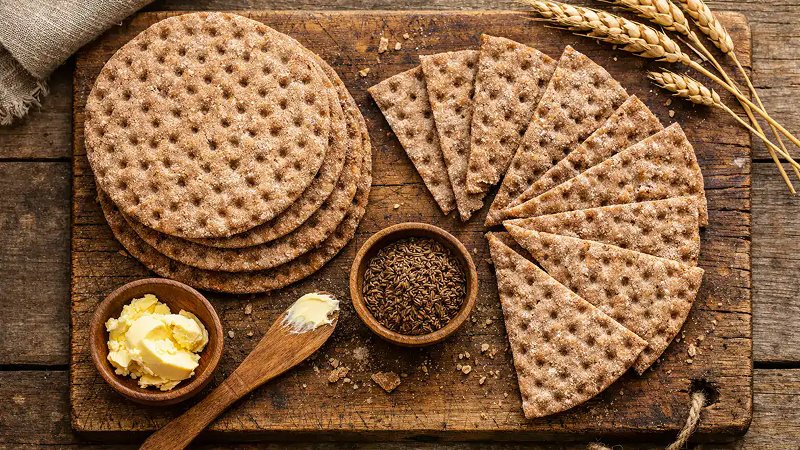
Knäckebröd is a crunchy rye crispbread that has been a staple of Traditional Swedish Food for hundreds of years. Originally developed as a long-lasting bread for storage during winter, it remains a daily essential in Swedish households.
This thin, crisp bread is typically served with butter, cheese, cold cuts, or pickled fish. Its simple flavor and satisfying crunch make it incredibly versatile and healthy.
Knäckebröd perfectly reflects the practicality and minimalism that define Traditional Swedish Food traditions.
Top Attractions to Try Knäckebröd:
- Local bakeries throughout Sweden
- Traditional breakfast buffets
Local Cheese & Savory Specialties
Dairy farming has long been part of Sweden’s rural economy, influencing many dishes within Traditional Swedish Food. Regional cheeses and savory pies add richness and depth to the cuisine.
These specialties are often served during celebrations and seasonal gatherings.
11. Kanelbullar (Cinnamon Buns)

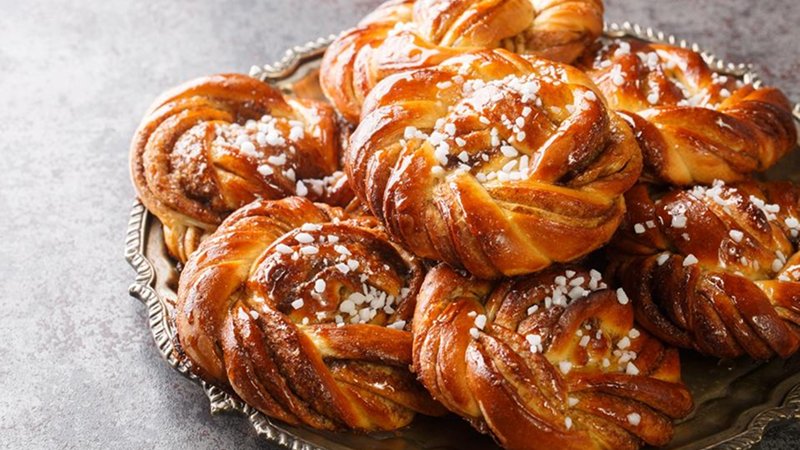
Kanelbullar are soft, fragrant cinnamon buns that are iconic in Traditional Swedish Food culture. Made with cardamom-spiced dough, filled with cinnamon and sugar, and topped with pearl sugar, they are lightly sweet and incredibly comforting.
These buns are closely associated with fika, the daily Swedish coffee break tradition. Families and colleagues gather to enjoy coffee paired with these delicious pastries.
Kanelbullar are simple yet symbolic, representing warmth and everyday joy within Traditional Swedish Food traditions.
Top Attractions to Try Kanelbullar:
- Cafés in Gothenburg
- Bakery shops in Stockholm
12. Prinsesstårta (Princess Cake)
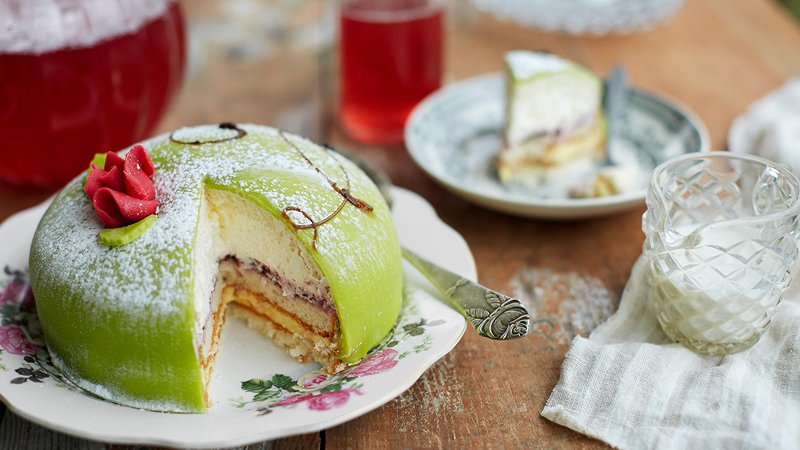
Prinsesstårta is a beautiful layered sponge cake filled with pastry cream and whipped cream, covered in smooth green marzipan. It is one of the most elegant desserts in Traditional Swedish Food.
The cake was originally created for Swedish royalty and remains popular for birthdays and special occasions. Its light texture contrasts with the richness of the marzipan layer.
Prinsesstårta adds a refined touch to Traditional Swedish Food and reflects Sweden’s love for balanced sweetness.
Top Attractions to Try Prinsesstårta:
- Traditional bakeries in Stockholm
- Celebration cafés across Sweden
13. Swedish Berry Desserts
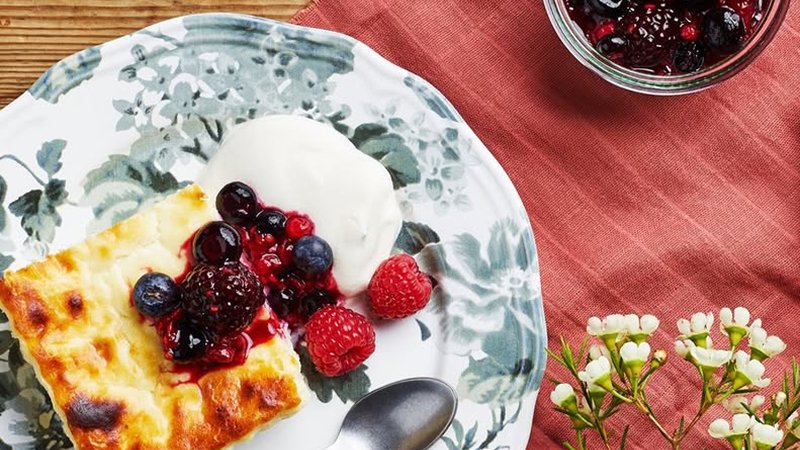
Wild berries such as lingonberries, blueberries, and cloudberries are essential to Traditional Swedish Food. These berries grow abundantly in Swedish forests and are used in pies, jams, sauces, and desserts.
Lingonberries are often served alongside savory dishes, while cloudberries are prized for their rare, sweet-tart flavor. Berry desserts celebrate Sweden’s natural landscape.
These fresh and vibrant flavors beautifully conclude any Traditional Swedish Food experience.
Top Attractions to Try Berry Desserts:
- Summer cafés throughout Sweden
- Countryside farm restaurants
Fika: The Heart of Traditional Swedish Food Culture
Fika is a daily ritual deeply connected to Traditional Swedish Food. It involves taking a break to enjoy coffee and pastries in a relaxed setting.
More than just a coffee break, fika emphasizes balance, social connection, and slowing down. It is practiced in homes, workplaces, and cafés throughout Sweden.
Experiencing fika allows travelers to understand Swedish lifestyle beyond just food. It represents warmth, hospitality, and the cultural soul of Traditional Swedish Food.
What Makes Traditional Swedish Food Unique?
Traditional Swedish food stands out because of:
- Seasonal ingredients
- Preservation methods like curing and pickling
- Balance of sweet and savory flavors
- Strong cultural traditions tied to holidays
- Simple yet comforting cooking style
The combination of seafood, hearty meats, and sweet berry flavors creates a distinctive Nordic taste.
Final Thoughts
Traditional Swedish food is comforting, flavorful, and deeply connected to history and nature. Whether you’re enjoying seafood in Stockholm, savoring meatballs in a cozy restaurant, or taking a fika break with cinnamon buns, Sweden offers a culinary experience that’s both simple and memorable.
Food is not just part of travel in Sweden — it’s part of the culture.