
Tanzania is one of Africa’s most breathtaking destinations, offering world-class safaris, pristine Indian Ocean beaches, and Africa’s highest mountain. Whether you dream of witnessing the Great Migration in the Serengeti, relaxing on Zanzibar’s white-sand beaches, or climbing Mount Kilimanjaro, this Tanzania Travel Guide will help you plan an unforgettable adventure.
From wildlife lovers to honeymooners and adventure seekers, Tanzania offers something for every type of traveler.
Tanzania Safari Guide
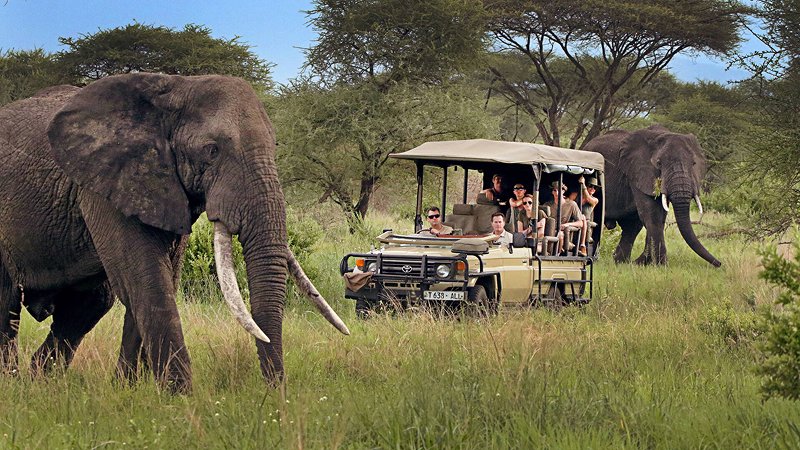
A Tanzania safari is the highlight of any trip and the centerpiece of every well-planned Tanzania Travel Guide. The country is home to some of Africa’s most iconic wildlife reserves, offering unmatched game drives, luxury lodges, and unforgettable encounters with nature. From vast open plains to volcanic craters and river ecosystems, Tanzania delivers one of the most diverse safari experiences on the continent.
What makes a Tanzania safari guide truly special is the opportunity to witness wildlife in its natural habitat without overcrowding. Early morning and late afternoon game drives provide the best chances to see predators in action, while full-day safaris allow travelers to explore multiple ecosystems in a single adventure.
Whether you choose a budget camping safari or a luxury private tour, Tanzania remains one of the best destinations in Africa for wildlife lovers seeking authenticity and raw natural beauty.
Serengeti National Park
Serengeti National Park is world-famous for the Great Migration, where millions of wildebeest and zebras move across the plains in search of fresh grazing land. It offers some of the best game-viewing experiences in Africa and is often considered the heart of any Tanzania safari guide.
The endless golden savannah creates dramatic landscapes, making it ideal for photography and cinematic wildlife moments. Lions resting on kopjes, cheetahs hunting in open grasslands, and massive elephant herds roaming freely are common sightings here.
The park is also home to the Big Five — lion, elephant, buffalo, leopard, and rhino — making it a dream destination for wildlife photographers and safari lovers.
Best time to visit Serengeti: June to October for dry season wildlife viewing, while January to March is ideal for calving season and predator action.
Ngorongoro Conservation Area
The Ngorongoro Crater is often called Africa’s Garden of Eden and is a must-include stop in any detailed Tanzania Travel Guide. This UNESCO-listed area has one of the highest densities of wildlife in Africa due to its unique crater ecosystem.
The crater floor acts as a natural enclosure, allowing visitors to see an extraordinary concentration of animals within a relatively small area. It’s one of the best places in Tanzania to spot endangered black rhinos alongside lions, hyenas, and large buffalo herds.
A single-day game drive here can reward you with sightings of lions, elephants, flamingos, and even rare species. It’s perfect for travelers who want a compact but powerful safari experience with guaranteed wildlife encounters.
Tarangire National Park
Known for its giant baobab trees and large elephant herds, Tarangire offers a quieter and more intimate safari experience compared to Serengeti. It is an excellent addition to a well-rounded Tanzania safari guide itinerary.
During the dry season, animals gather around the Tarangire River, creating incredible wildlife viewing opportunities. Massive elephant herds, giraffes, zebras, and even elusive leopards can often be spotted here.
Because it receives fewer visitors than Serengeti, Tarangire is ideal for travelers seeking a peaceful safari atmosphere with authentic wilderness charm.
Mount Kilimanjaro Trekking Guide
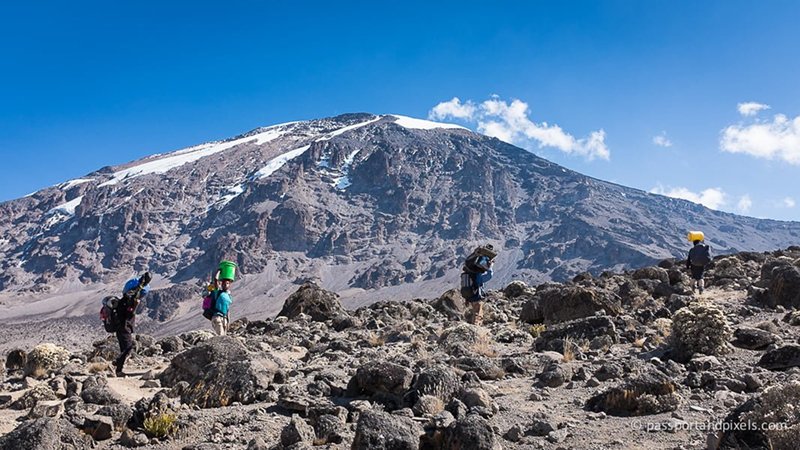
Climbing Mount Kilimanjaro is one of the most rewarding adventures in any complete Tanzania Travel Guide. Rising dramatically above the African plains, this iconic mountain attracts thousands of trekkers every year who dream of standing on the “Roof of Africa.” Unlike many high-altitude peaks, Kilimanjaro does not require technical climbing skills, making it accessible to fit and determined hikers.
A successful Kilimanjaro trek requires preparation, proper acclimatization, and choosing the right route. Each trail offers different scenery, difficulty levels, and success rates. From lush rainforest zones filled with monkeys to alpine deserts and icy summit glaciers, the journey feels like walking through multiple climate zones in just a few days.
Including Kilimanjaro in your Tanzania safari guide itinerary creates a perfect combination of adventure and wildlife. Many travelers climb the mountain first and then relax with a safari or Zanzibar beach holiday afterward, making it one of the most diverse travel experiences in Africa.
Mount Kilimanjaro
Mount Kilimanjaro is Africa’s highest peak at 5,895 meters and one of the most iconic landmarks featured in every Tanzania Travel Guide. Climbing Kilimanjaro is a bucket-list adventure for trekkers worldwide seeking challenge, achievement, and breathtaking scenery.
The mountain offers diverse landscapes, from tropical rainforest and alpine desert to snow-capped summit glaciers. Each day of the trek brings dramatic changes in scenery and temperature, making it a unique high-altitude experience.
Popular routes include :
- Machame Route (scenic and popular)
- Marangu Route (hut accommodation)
- Lemosho Route (longer and better acclimatization)
Best time to climb Kilimanjaro :
- January to March (quieter, cooler conditions)
- June to October (clear skies and stable weather)
Zanzibar Travel Guide
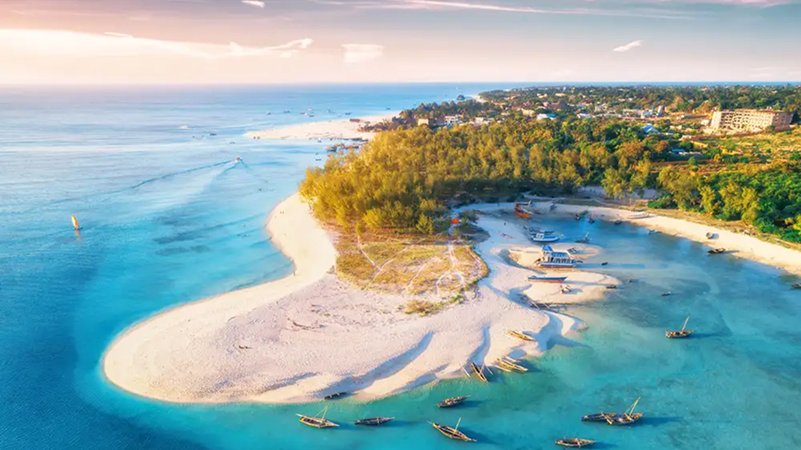
After an exciting safari or mountain trek, relaxing in Zanzibar is the perfect way to complete your Tanzania Travel Guide itinerary. This tropical paradise blends African, Arab, and European influences, creating a rich cultural and beach escape.
Zanzibar
Zanzibar is famous for turquoise waters, white sandy beaches, and vibrant Swahili culture. It offers a completely different experience compared to mainland Tanzania, making it ideal for honeymooners and beach lovers.
Stone Town, a UNESCO World Heritage Site, features winding alleys, carved wooden doors, historic buildings, and lively markets. The island is also known as the “Spice Island,” where visitors can explore spice plantations and learn about cloves, cinnamon, and nutmeg production.
Top things to do:
- Explore Stone Town
- Snorkeling & diving in coral reefs
- Spice farm tours
- Sunset dhow cruises
Best beaches:
- Nungwi
- Kendwa
- Paje
The Great Migration in Tanzania
The Great Migration in Serengeti National Park is one of the most spectacular wildlife events on Earth and a major highlight of any Tanzania safari guide. Over two million wildebeest, zebras, and gazelles move in a circular pattern between Tanzania and Kenya in search of fresh grazing.
The dramatic river crossings along the Mara River are the most thrilling moments, where crocodiles lie in wait and predators track the herds. These scenes create some of the most powerful wildlife experiences in Africa.
Best time to witness:
- River crossings: July–September
- Calving season: January–March
Planning your Tanzania Travel Guide itinerary around migration timing ensures an unforgettable safari adventure filled with raw, untamed nature.
Tanzania Travel Cost Guide
Understanding the budget is an important part of planning your Tanzania Travel Guide itinerary. Tanzania can fit different types of travelers — from budget backpackers to luxury safari seekers. Your total cost will depend on accommodation type, safari style, park fees, and whether you include Mount Kilimanjaro or Zanzibar in your trip.
Safari experiences usually make up the largest portion of travel expenses, as national park fees, guides, and vehicles are included in daily rates. However, Tanzania offers flexible travel options to match various budgets.
Budget Travel
- $150–$250 per day
- Camping safaris
- Budget lodges
Mid-Range Travel
- $300–$500 per day
- Comfortable safari lodges
Luxury Travel
- $600+ per day
- Private safaris
- Luxury beach resorts in Zanzibar
Best Time to Visit Tanzania
Tanzania is a year-round destination, but the best time to visit depends on your travel goals. Weather patterns greatly influence wildlife viewing, beach conditions, and trekking success.
Planning your Tanzania Travel Guide according to seasons ensures you maximize your experience.
- June–October: Best for safari (dry season)
- January–March: Calving season in Serengeti
- December–February: Best beach weather in Zanzibar
- April–May: Rainy season (lower prices)
Food & Local Experiences in Tanzania
Food is an important cultural element in every Tanzania Travel Guide. Traditional dishes reflect African, Arab, and Indian influences.
Popular Tanzanian Dishes
- Ugali – A maize-based staple served with vegetables or meat
- Nyama Choma – Grilled meat, often enjoyed socially
- Zanzibar Seafood – Fresh fish, prawns, and octopus dishes
- Pilau Rice – Spiced rice cooked with meat or vegetables
Street food markets in Zanzibar and Arusha offer authentic local flavors that give deeper insight into Tanzanian culture.
Final Thoughts on Tanzania Travel Guide
Tanzania offers one of Africa’s most complete travel experiences. From the wildlife-rich plains of Serengeti to the snow-capped peak of Mount Kilimanjaro and the dreamy beaches of Zanzibar, every moment feels extraordinary.
Whether you’re planning your first African safari, a honeymoon getaway, or a once-in-a-lifetime trekking adventure, this Tanzania travel guide helps you design the perfect journey.