
South Korea is one of Asia’s most dynamic travel destinations, where centuries-old palaces stand beside futuristic skyscrapers, vibrant street markets operate under neon lights, and peaceful mountain temples offer moments of serenity. Whether you’re visiting for culture, food, history, K-pop influence, or natural beauty, this South Korea Travel Guide covers everything you need to plan a smooth and unforgettable trip.
From visa requirements and travel costs to transport systems and top destinations, this ultimate guide will help you prepare confidently for your Korean adventure.
About South Korea
South Korea, officially known as the Republic of Korea, is a modern and culturally rich country located in East Asia. Its capital, Seoul, is a vibrant metropolis where historic palaces stand beside futuristic skyscrapers and bustling shopping streets.
The country is known for its diverse landscapes, from scenic mountains and coastal cities to the volcanic beauty of Jeju Island. With four distinct seasons, South Korea offers cherry blossoms in spring, colorful foliage in autumn, and snowy landscapes in winter.
Globally recognized for its technology, cuisine, and pop culture, South Korea is home to major brands like Samsung and world-famous K-pop groups such as BTS. This blend of tradition and innovation makes it one of Asia’s most exciting travel destinations.
Best Time to Visit South Korea
Choosing the best time to visit South Korea can completely shape your travel experience. The country has four distinct seasons, and each one offers something unique — from cherry blossoms and colorful autumn leaves to snowy palace landscapes.
Spring (April–May) – Cherry Blossom Season
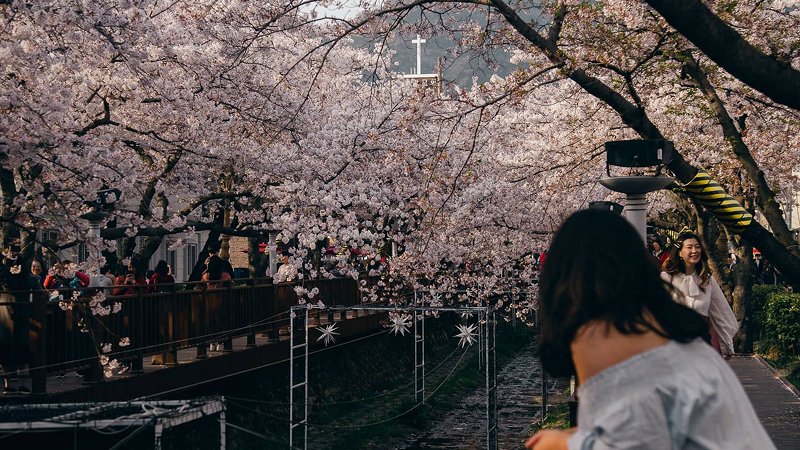
Spring is considered one of the most beautiful times to visit South Korea. Temperatures range between 10°C and 20°C, making sightseeing comfortable and enjoyable. Cherry blossoms bloom across parks, riversides, and palace grounds, especially in Seoul and Busan.
This is peak tourist season, so hotel prices may rise. However, the scenery and pleasant weather make it worth the visit. Spring is ideal for walking tours, palace visits, and outdoor photography.
Best for: First-time visitors, photographers, couples.
Summer (June–August) – Festivals & Beaches
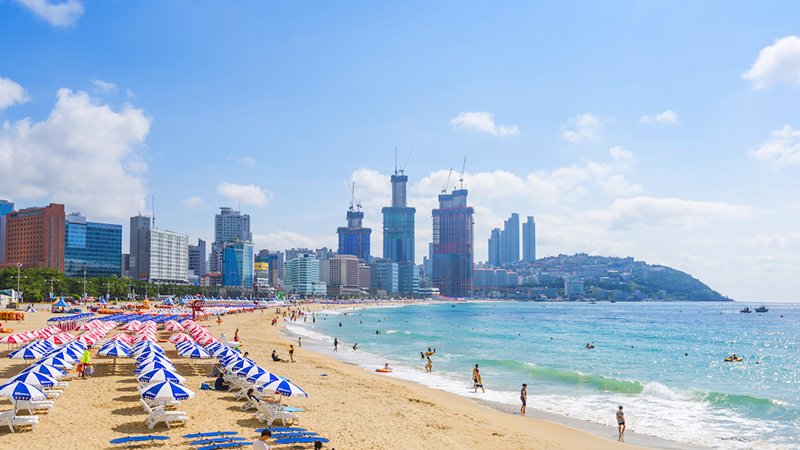
Summer in South Korea is hot and humid, with temperatures often exceeding 30°C. July and August also bring monsoon rains. Despite the heat, this season is lively and energetic.
Beach destinations like Busan become popular, and festivals such as mud festivals and music events take place. If you enjoy nightlife and coastal vibes, summer can still be rewarding.
Best for: Beach lovers and festival travelers.
Autumn (September–November) – Best Overall Season
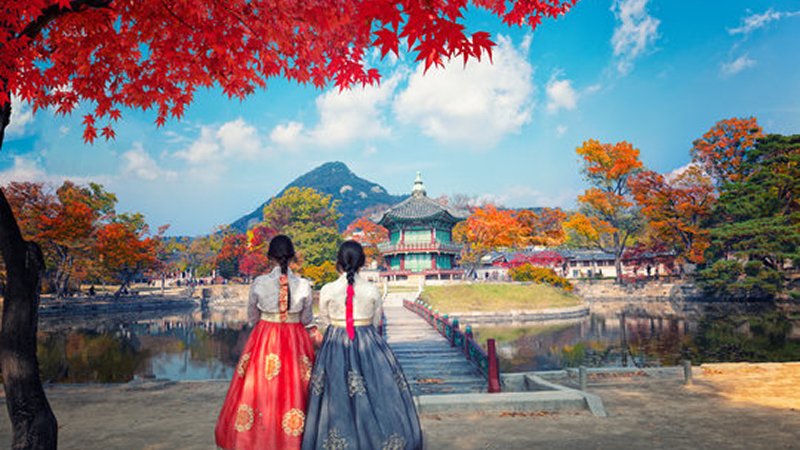
Autumn is widely considered the best time to visit South Korea. The weather is cool and dry, with clear skies and colorful foliage. Historical destinations like Gyeongju look especially stunning with red and golden leaves.
This season is perfect for hiking, temple visits, and city exploration without summer crowds.
Best for: Cultural travelers and outdoor enthusiasts.
Winter (December–February) – Snowy Landscapes
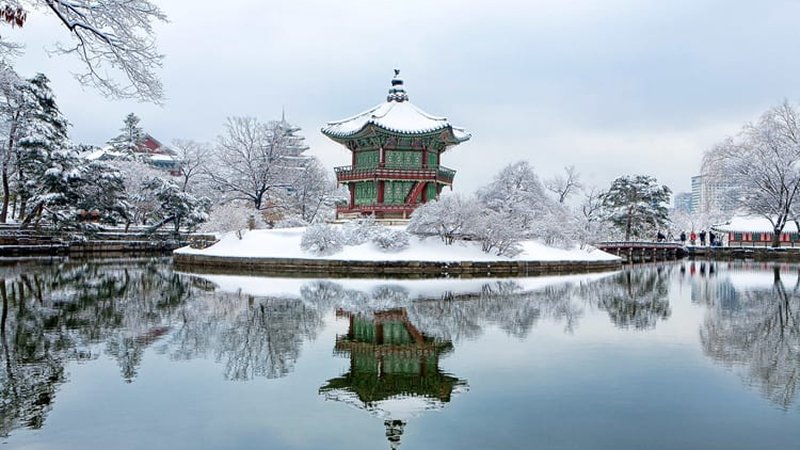
Winter temperatures can drop below freezing, especially in January. However, snow-covered palaces and mountains create a magical atmosphere.
Ski resorts open during this time, and cities are less crowded. If you enjoy winter scenery and festive vibes, this season offers a unique experience.
Best for: Snow lovers and budget travelers (lower hotel prices).
South Korea Visa Requirements
Visa policies depend on nationality.
- Many countries receive visa-free entry for short tourist stays.
- Indian passport holders typically require a tourist visa unless eligible for specific transit exemptions.
- Visa processing usually takes 1–2 weeks.
Always verify the latest requirements with the official Korean embassy in your country before booking flights.
Top Places to Visit in South Korea
South Korea offers a perfect mix of modern cities, historical towns, and natural landscapes.
1. Seoul
Seoul is the vibrant capital of South Korea, where ancient history meets modern innovation. Visitors can explore iconic landmarks like Gyeongbokgung Palace and wander through traditional streets in Bukchon Hanok Village before heading to trendy shopping and entertainment districts.
The city is also famous for street food, K-pop culture, and stunning skyline views from N Seoul Tower. With efficient public transport and endless attractions, Seoul is a must-visit destination for first-time travelers.
Top attractions include:
- Gyeongbokgung Palace – The largest royal palace.
- Bukchon Hanok Village – Traditional Korean houses.
- N Seoul Tower – Panoramic city views.
- Dongdaemun Design Plaza – Modern architecture landmark.
2. Busan
Busan is a beautiful coastal city known for its sandy beaches and scenic ocean views. Haeundae Beach and the colorful Gamcheon Culture Village are among its most popular attractions, offering both relaxation and cultural experiences.
The city is also famous for fresh seafood and lively markets like Jagalchi Fish Market. With its laid-back atmosphere and seaside charm, Busan provides a refreshing contrast to Seoul’s fast pace.
Top attractions include:
- Haeundae Beach
- Gamcheon Culture Village
- Jagalchi Fish Market
- Haedong Yonggungsa Temple (seaside temple)
3. Jeju Island
Jeju Island is a volcanic paradise known for dramatic landscapes and natural wonders. Hallasan Mountain, lava caves, waterfalls, and coastal cliffs make it one of South Korea’s most scenic destinations.
Often considered a top honeymoon spot, Jeju offers peaceful beaches, scenic drives, and outdoor adventures. It’s the perfect getaway for nature lovers and couples seeking tranquility.
Top attractions include:
- Hallasan Mountain
- Seongsan Ilchulbong (Sunrise Peak)
- Manjanggul Lava Tube
- Cheonjiyeon Waterfall
4. Gyeongju
Gyeongju is a historic city once known as the capital of the ancient Silla Kingdom. It is home to remarkable landmarks such as Bulguksa Temple and ancient royal tombs scattered across the landscape.
With its peaceful environment and rich heritage, Gyeongju feels like an open-air museum. It’s an ideal destination for travelers interested in Korean history and traditional culture.
Top attractions include:
- Bulguksa Temple
- Tumuli Park (royal tombs)
- Anapji Pond
South Korea Travel Budget
Is South Korea expensive? It is moderately priced compared to other developed Asian nations.
Average Daily Budget (Per Person)
- Budget traveler: $60–80
- Mid-range traveler: $100–180
- Luxury traveler: $250+
Typical Costs
- Metro ride: $1–2
- Street food meal: $5–8
- Casual restaurant meal: $10–20
- Mid-range hotel: $80–150 per night
Why Visit South Korea?
South Korea offers a unique blend of:
- Ancient palaces and Buddhist temples
- Modern skyscrapers and neon-lit districts
- Mountain hikes and beach escapes
- Rich traditions and futuristic innovation
Whether you are interested in history, food, technology, shopping, or nature, South Korea delivers a well-rounded and unforgettable travel experience.