
Israel is one of the most geopolitically complex destinations on earth. It is also one of the most visited — drawing millions of tourists annually to its ancient sites, extraordinary food scene, Mediterranean beaches, and desert landscapes. Both of these things are simultaneously true, and understanding how they coexist is the key to answering the safety question honestly.
The challenge with “is Israel safe?” is that the answer depends enormously on when you’re asking, where in Israel you’re planning to go, what your personal risk tolerance is, and what kind of traveller you are. A blanket yes or a blanket no are both intellectually dishonest.
What follows is the most honest, most detailed answer to that question that a travel guide can offer — covering the security situation, the regional realities, the everyday safety picture, and the practical information you need to make an informed decision.
The Security Situation: Understanding the Context
The Fundamental Reality
Israel has lived with a security situation that has no equivalent in any other tourist destination. It shares borders with Lebanon (where Hezbollah operates), Syria (which has been in civil conflict), Jordan (a stable peace partner), Egypt (a cold peace), and the Palestinian territories of the West Bank and Gaza. The Gaza border area has been the site of active military conflict, most recently and most significantly the war that began in October 2023.
Understanding this context is not meant to frighten — it is meant to give you the framework to make genuinely informed decisions. Millions of tourists visit Israel every year without incident. Millions also visit during periods of heightened tension and have safe, extraordinary trips. The key is understanding which parts of the country carry which levels of risk.
The October 2023 War and Its Ongoing Impact
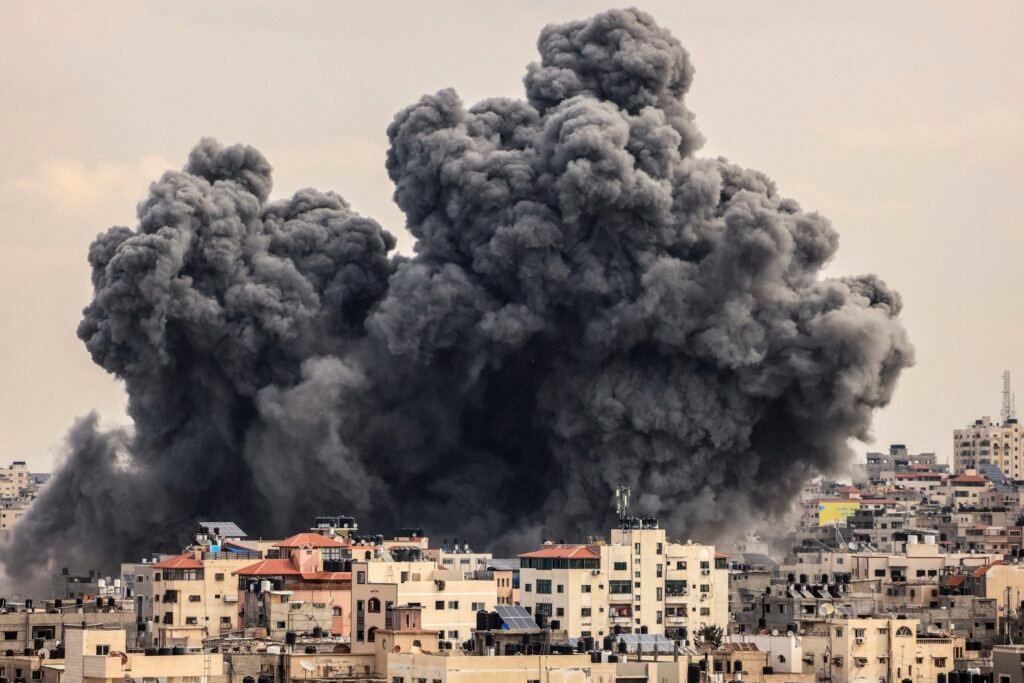
The Hamas attack of October 7, 2023 and the subsequent Israeli military campaign in Gaza fundamentally changed the security landscape of Israel and the wider region. As of 2024, the conflict has produced ongoing rocket threats from Gaza, significant Hezbollah activity on the northern border, and heightened security across the country.
This does not mean Israel is closed to tourism or universally dangerous. Tel Aviv, Jerusalem, the Dead Sea, the Negev, and most of the country’s major tourist destinations continued to receive visitors throughout 2024. But it does mean the risk calculus has changed and any honest safety guide must acknowledge that.
Critical advice: Check your government’s official travel advisory for Israel immediately before booking and again immediately before travelling. Advisories change rapidly in response to security developments and represent the most current official assessment of risk.
Region by Region Safety Assessment
This is the most important section of this guide. Israel is not one uniform safety environment — it is a collection of regions with dramatically different risk profiles.
Tel Aviv — Relatively Safe for Tourism
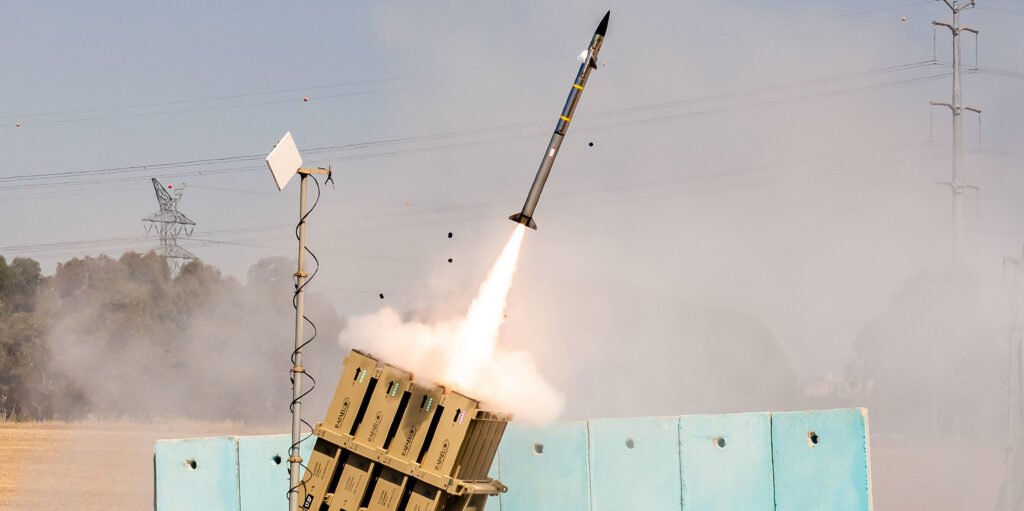
Tel Aviv is Israel’s most cosmopolitan city — a Mediterranean beach city with world-class restaurants, a thriving arts scene, and a daily life that continues with remarkable normalcy even during periods of regional tension. The city has been the target of rocket fire from Gaza during escalation periods, but Israel’s Iron Dome missile defence system intercepts the vast majority of incoming rockets and the city has extensive shelter infrastructure.
Day-to-day street safety in Tel Aviv is good by any international standard. Violent crime against tourists is rare. The city is LGBTQ+ friendly — one of the most welcoming destinations in the Middle East. Scams and petty theft exist at the level of any major tourist city and require normal vigilance.
Honest assessment: Tel Aviv carries manageable risk for most travellers during non-escalation periods. During active conflict escalation, the risk increases meaningfully and travel should be reconsidered.
Jerusalem — Complex But Widely Visited
Jerusalem’s safety picture is more complex than Tel Aviv’s. The city contains some of the most contested religious and political geography on earth — the Old City in particular is a place where political tensions, religious fervour, and the daily friction of a deeply divided society are always present.
Incidents of violence in and around the Old City do occur — knife attacks, stone throwing, and confrontations at flashpoint sites like the Temple Mount/Al-Aqsa Mosque compound are part of Jerusalem’s documented reality. These incidents are not the norm for tourist visits, but they are not hypothetical either.
The Muslim Quarter of the Old City, the area around Damascus Gate, and the neighbourhood of Silwan carry higher day-to-day tension than the Jewish Quarter, Christian Quarter, or the areas around the Western Wall. Situational awareness is more important here than in Tel Aviv.
Honest assessment: Jerusalem is visited by millions of tourists annually without incident. Exercise heightened situational awareness, avoid areas that feel tense, follow the guidance of local guides, and monitor the news during your visit.
The Northern Border (Lebanon Border Area) — Avoid
The area of northern Israel along the Lebanese border — the communities within range of Hezbollah rocket and anti-tank missile fire — carries genuine, active risk as of 2024. Multiple northern communities were evacuated during the 2023–2024 conflict escalation and have not fully returned to normal.
The Galilee region further south — including the Sea of Galilee, Tiberias, Nazareth, and Haifa — is further from the immediate border zone and has continued to receive tourists, though with heightened awareness of the potential for escalation.
Honest assessment: The immediate northern border area should be avoided by tourists as of 2024. The wider Galilee region requires current advisory checking before visiting.
The West Bank — Requires Careful Navigation
The West Bank is one of the most politically complex travel environments in the world. Parts of it — Bethlehem, Jericho, and Ramallah in particular — are visited by large numbers of tourists annually and are generally safe for visitors. Other areas carry significantly higher risk.
Bethlehem is just 10 km from Jerusalem and receives thousands of Christian pilgrims daily. The old city area around the Church of the Nativity is well-visited and generally safe. The situation beyond the main tourist sites is more complex.
Hebron (Al-Khalil) is one of the most tension-filled cities in the West Bank — the division of the city between Israeli-controlled and Palestinian Authority-controlled areas, combined with the presence of Jewish settlements in the heart of the city, creates a daily environment of confrontation that makes it a challenging destination for tourists.
Honest assessment: If visiting the West Bank, stick to established tourist areas like Bethlehem and Jericho with a reputable guide. Do not venture into areas without clear knowledge of the current situation. Check advisories carefully.
Gaza Border Area — Do Not Visit
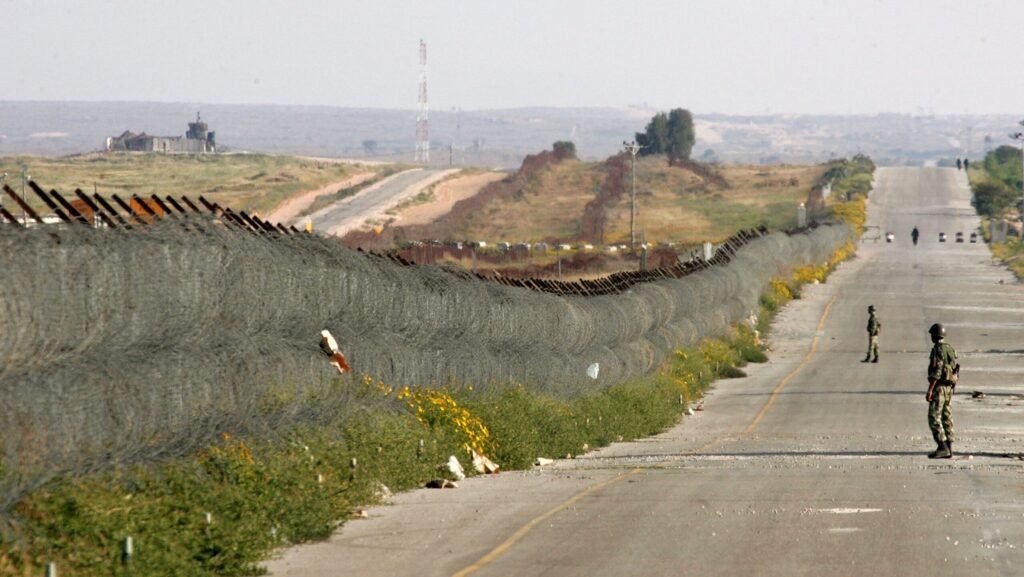
The area immediately surrounding Gaza — the communities of the Gaza Envelope (Otef Aza) — is an active conflict zone as of 2024. This includes the sites of the October 7 kibbutz attacks (Kfar Aza, Be’eri, Nir Oz) that some visitors have attempted to visit as a form of witnessing.
Honest assessment: Do not visit the Gaza border area. It is an active conflict zone with ongoing military operations and genuine life-threatening risk.
Eilat and the Negev — Generally Safe
Eilat — Israel’s Red Sea resort city at the country’s southern tip — is geographically distant from the main conflict zones and has continued to operate as a tourist destination. The Negev Desert, the Ramon Crater, and the Arava Valley carry low day-to-day security risk.
Eilat has been the target of drone and missile attacks from Houthi forces in Yemen during the 2023–2024 conflict escalation — incidents that are rare but not hypothetical. The city has shelter infrastructure and Iron Dome coverage.
Honest assessment: Eilat and the Negev carry manageable risk for most travellers with current advisory checking.
The Dead Sea — Generally Safe
The Israeli side of the Dead Sea — Ein Bokek and the resort area — is in the Judean Desert east of Jerusalem and continues to operate normally for tourists. It is one of the most visited natural attractions in Israel and carries low day-to-day risk.
Honest assessment: The Dead Sea resort area is among the safer tourist destinations in Israel during non-escalation periods.
Everyday Safety: What Tourists Actually Experience
Petty Crime
Petty crime in Israel is low by international standards. Pickpocketing exists in crowded tourist areas — Jerusalem’s markets, Tel Aviv’s beaches, and busy bus stations — at the level of any Mediterranean tourist destination. Normal vigilance is sufficient.
Scams targeting tourists exist but are not as prevalent as in many other popular destinations. Being overcharged by taxi drivers who don’t use meters is the most common issue — always insist on a meter or use the Gett app (Israel’s equivalent of Uber).
Road Safety
Israeli driving culture is aggressive. Roads are generally well-maintained but driving standards — lane discipline, following distance, use of indicators — are notably more assertive than northern European or North American norms. If renting a car, drive defensively and expect the unexpected.
The roads in the West Bank require additional awareness — military checkpoints, road restrictions, and the general complexity of navigation in a politically divided territory make driving there significantly more demanding than within Israel proper.
Scams
The most common scams targeting tourists in Israel:
Taxi drivers at Ben Gurion Airport not using meters — always insist on the meter or pre-agree a price. The train from the airport to Tel Aviv is a far better option and costs a fraction of a taxi.
Overpriced tours in Jerusalem’s Old City — agree prices for everything before committing. Tours that start with a “free” element often transition rapidly to high-pressure selling.
Currency exchange at non-bank outlets — exchange rates at tourist-facing exchange booths can be significantly worse than at banks or ATMs. Use ATMs from reputable banks for the best rates.
The Iron Dome: What You Need to Understand
Israel’s Iron Dome missile defence system is one of the most effective short-range air defence systems in the world, with a publicly reported interception rate of approximately 90% against incoming rockets. This does not mean 100% — and the 10% that gets through represents real danger in areas under fire.
When a rocket alert sounds — the “Red Alert” or “Tzeva Adom” system — Israelis have between 15 and 90 seconds to reach a shelter depending on their location. Every public building in Israel has a designated shelter (miklat). Every hotel will brief you on shelter locations at check-in.
If you hear a siren: move immediately to the nearest shelter or building stairwell, stay away from windows, and wait for the all-clear. Do not stand outside to watch the interceptions — fragments from intercepted rockets fall to the ground and cause injuries.
Download the “Red Alert Israel” app before arriving — it gives real-time rocket alerts for specific areas and is an essential tool for monitoring the situation during your visit.
Travel Insurance: Non-Negotiable
Standard travel insurance policies frequently exclude war zones and conflict areas — and given Israel’s security situation, some insurers classify the entire country as a conflict zone that voids coverage.
Before purchasing any travel insurance for Israel: read the policy wording carefully. Confirm specifically that it covers medical evacuation from Israel, trip cancellation due to security deterioration, and any activities you’re planning. Several specialist insurers offer conflict-zone coverage — research these before booking.
Without adequate insurance, a medical evacuation from Israel to your home country could cost upwards of $50,000–$100,000. This is not a hypothetical risk. Get the right insurance.
Government Travel Advisories: How to Read Them
Every major government publishes travel advisories for Israel that are updated regularly in response to security developments. These are your most important planning tool.
Key sources:
- UK Foreign, Commonwealth & Development Office (FCDO): gov.uk/foreign-travel-advice/israel
- US State Department: travel.state.gov
- Australian Department of Foreign Affairs and Trade (DFAT): smartraveller.gov.au
- Canadian Government: travel.gc.ca
Advisories use colour-coded or numbered systems to indicate risk levels — typically ranging from “exercise normal precautions” to “do not travel.” As of 2024, most Western government advisories for Israel have elevated risk ratings for border areas and the Gaza envelope while maintaining lower ratings for Tel Aviv and Jerusalem.
How to read them honestly: Government advisories tend toward caution — they are written to protect governments from liability as much as to protect travellers. An advisory that says “exercise a high degree of caution” for Israel does not mean the country is uniformly dangerous. Read the specific regional breakdowns rather than the headline rating.
Practical Safety Tips for Visiting Israel
Before you go:
- Register with your embassy or consulate’s traveller registration program
- Download the Red Alert Israel app
- Save the local emergency numbers: Police 100, Ambulance 101, Fire 102
- Purchase travel insurance that specifically covers Israel and confirm conflict coverage
- Check your government’s travel advisory within 48 hours of departure
- Identify the location of your country’s embassy in Tel Aviv and consulate in Jerusalem
On arrival:
- Note the shelter location in your hotel — staff will show you at check-in
- Carry your passport at all times — ID checks at security points are common
- Keep a small amount of cash in NIS (New Israeli Shekel) — some areas have limited card acceptance
Day to day:
- Stay aware of your surroundings — not paranoid, but present
- Avoid large political demonstrations or gatherings that show signs of tension
- In Jerusalem’s Old City, be aware of the atmosphere in different quarters and adjust your behaviour accordingly
- Follow the instructions of security personnel immediately and without argument — Israeli security forces are highly trained and instructions are given for specific reasons
- If a siren sounds, move to shelter immediately
Sensitive situations:
- Do not photograph military installations, soldiers, or checkpoints without explicit permission
- At border crossings and security checkpoints, answer questions honestly and directly — Israeli security interrogation is thorough and resistance or evasiveness prolongs the process significantly
- Be aware that entry stamps from Israel may cause difficulties at some other countries’ borders — ask the border officer to stamp a separate piece of paper rather than your passport if this is a concern
The Question of Ethical Travel
Any honest guide to travelling in Israel in 2024 must acknowledge that the question of whether to visit is not only a safety question — it is for many travellers also an ethical one.
The ongoing conflict, the situation in Gaza, and the broader Israeli-Palestinian political reality are subjects of profound international debate. Some travellers feel that visiting Israel in the current context constitutes tacit support for government policies they oppose. Others feel that tourism — particularly to Arab Israeli communities, Palestinian areas like Bethlehem, and mixed cities like Haifa and Jaffa — is a form of engagement and witness that has value precisely because of the political complexity.
This guide does not take a position on that question. It is a deeply personal decision that every traveller must make for themselves based on their own values and their own research.
What this guide does say: if you go, go with open eyes. Engage with the complexity. Talk to people on multiple sides of the political reality. Spend money in Arab Israeli and Palestinian businesses as well as Jewish Israeli ones. Be a traveller with genuine curiosity rather than a tourist consuming a curated version of a deeply complicated place.
Who Should and Should Not Travel to Israel Right Now
Consider travelling if:
- You are comfortable with a level of background security awareness that most Western cities do not require
- You are visiting Tel Aviv, Jerusalem, the Dead Sea, the Negev, or Eilat
- You have checked current advisories and the situation is in a non-escalation period
- You have appropriate travel insurance with conflict coverage
- You are prepared to change plans rapidly if the security situation deteriorates
Reconsider or postpone if:
- Your government has issued a “do not travel” advisory for Israel or your specific destination
- You have low tolerance for security-related stress or anxiety
- You are travelling with young children and are not comfortable with the need for shelter awareness
- You are planning to visit northern border areas or the Gaza envelope
- You cannot obtain travel insurance that covers the current situation
Final Thoughts: The Honest Answer
Is Israel safe to travel? The honest answer is: it depends — on when you go, where you go, what your risk tolerance is, and how carefully you prepare.
Israel is not uniformly dangerous. Millions of people live ordinary, safe daily lives there. Millions of tourists visit and have extraordinary, incident-free experiences. The country has world-class infrastructure, sophisticated security systems, and a population that has developed a remarkable capacity to live normally in difficult circumstances.
Israel is also not uniformly safe. The security situation is genuinely complex, the conflict ongoing, and the risk — particularly in border areas and during escalation periods — is real and not to be dismissed.
The travellers who do best in Israel are those who go prepared — informed about the regional realities, equipped with the right insurance and apps, willing to monitor the situation actively, and ready to adjust their plans if circumstances change.
Go with open eyes, careful preparation, and genuine respect for the complexity of the place. Israel will reward that approach with one of the most extraordinary travel experiences on earth.