What Is Diwali
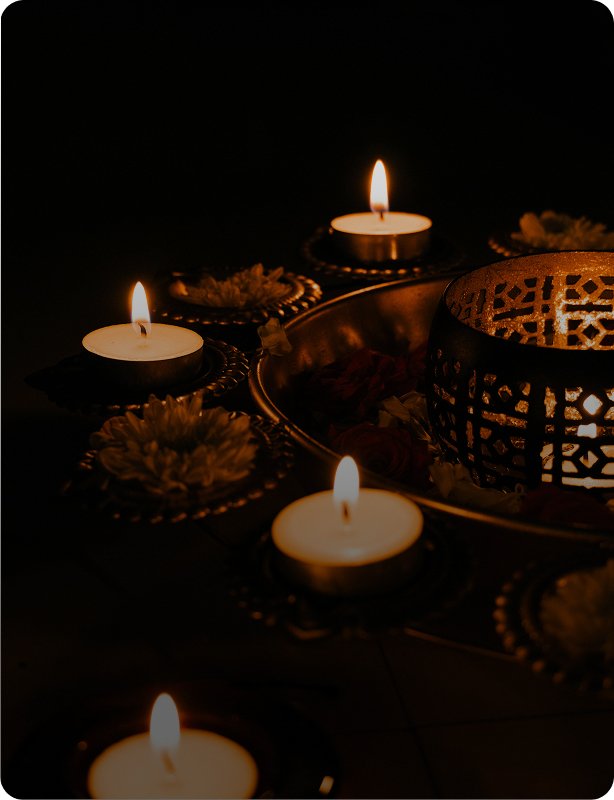
Diwali — from the Sanskrit word Deepavali meaning “row of lights” — is the most important and most widely celebrated festival in the Hindu calendar. It is observed by over one billion Hindus, Sikhs, Jains, and some Buddhists across India and the global South Asian diaspora — making it one of the most widely observed religious festivals in the world.
The festival celebrates the triumph of light over darkness, knowledge over ignorance, and good over evil. Its most commonly told origin story — the return of the god Rama to his kingdom of Ayodhya after 14 years of exile and his defeat of the demon king Ravana — is the narrative that most North Indians associate with the festival. But Diwali carries different meanings in different regions and different traditions:
In North India: The return of Rama, Sita, and Lakshmana to Ayodhya — the citizens lighting oil lamps to guide them home.
In South India: The defeat of the demon Narakasura by Lord Krishna — celebrated as Naraka Chaturdashi on the day before the main Diwali night.
In Gujarat and among Marwari communities: The worship of Lakshmi — the goddess of wealth and prosperity — and the beginning of the new financial year. The most commercially significant aspect of Diwali.
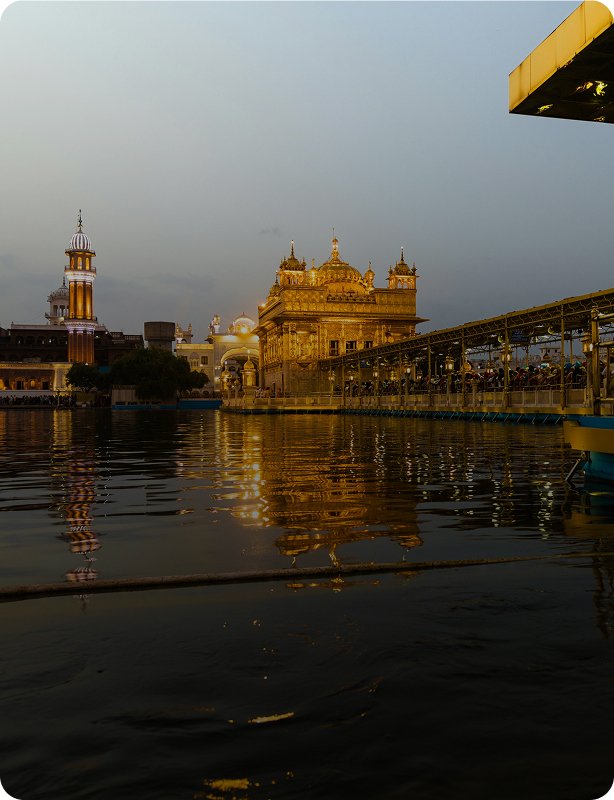
In the Sikh tradition: The release of Guru Hargobind Ji from Mughal imprisonment in 1619 — celebrated as Bandi Chhor Divas, coinciding with Diwali and observed with particular fervour at the Golden Temple in Amritsar.
In the Jain tradition: The attainment of moksha (liberation) by Lord Mahavira in 527 BCE — the most spiritually significant date in the Jain calendar.
Understanding that Diwali is not a single celebration but a convergence of multiple traditions, multiple narratives, and multiple meanings across the extraordinary diversity of Indian religious and cultural life is the key to appreciating why the festival feels so deep and so genuinely extraordinary to the visitor who engages with it seriously.
Diwali 2026: The Dates
Diwali follows the Hindu lunar calendar and falls on the new moon night of the month of Kartika — the darkest night of the month, which is precisely why the lighting of lamps carries such profound symbolic power.
Diwali 2026 Date: 20 October 2026
But Diwali is not a single day — it is a five-day festival, each day with its own name, its own rituals, and its own significance:
| Day | Date 2026 | Name | Significance |
|---|---|---|---|
| Day 1 | 17 October | Dhanteras | Worship of wealth, purchase of gold and silver |
| Day 2 | 18 October | Naraka Chaturdashi (Choti Diwali) | Defeat of Narakasura, early morning oil bath |
| Day 3 | 20 October | Diwali (Main Night) | Lakshmi Puja, lighting of lamps, fireworks |
| Day 4 | 21 October | Govardhan Puja / Padwa | Worship of Lord Krishna, husband-wife celebrations |
| Day 5 | 22 October | Bhai Dooj | Celebration of the bond between brothers and sisters |
The main night — 20 October 2026 — is the night that every traveller should be in India. This is the night when the lamps are lit, the fireworks fill the sky, the Lakshmi Puja is performed in every home, and India becomes the most extraordinary visual and emotional spectacle on earth.
Plan to arrive by 17 October — Dhanteras marks the beginning of the festival atmosphere and the streets and markets fill with the extraordinary pre-Diwali energy of shopping, decoration, and preparation that is itself one of the finest experiences the festival offers.
The Five Days of Diwali: What Actually Happens
Day 1 — Dhanteras: The Gold and Silver Day
Dhanteras — the first day of the Diwali festival — is the most auspicious day in the Hindu calendar for the purchase of gold, silver, and new utensils. The belief that buying metal on Dhanteras brings prosperity and good fortune to the household for the year ahead drives an extraordinary economic event — Indian families across the country purchase gold jewellery, silver coins, new kitchen utensils, and increasingly electronics and vehicles on this single day.
The jewellery markets of India on Dhanteras evening — particularly in cities like Jaipur, Mumbai, Surat, and Ahmedabad — are among the most extraordinary commercial spectacles in the world. Thousands of customers crowding the gold bazaars, the shops open late into the night, the air filled with the sound of transaction and celebration.
For the traveller: Visit the local jewellery market or gold bazaar in your city on Dhanteras evening — not to buy but to witness one of the most extraordinary expressions of the intersection between faith, commerce, and culture available anywhere in India.
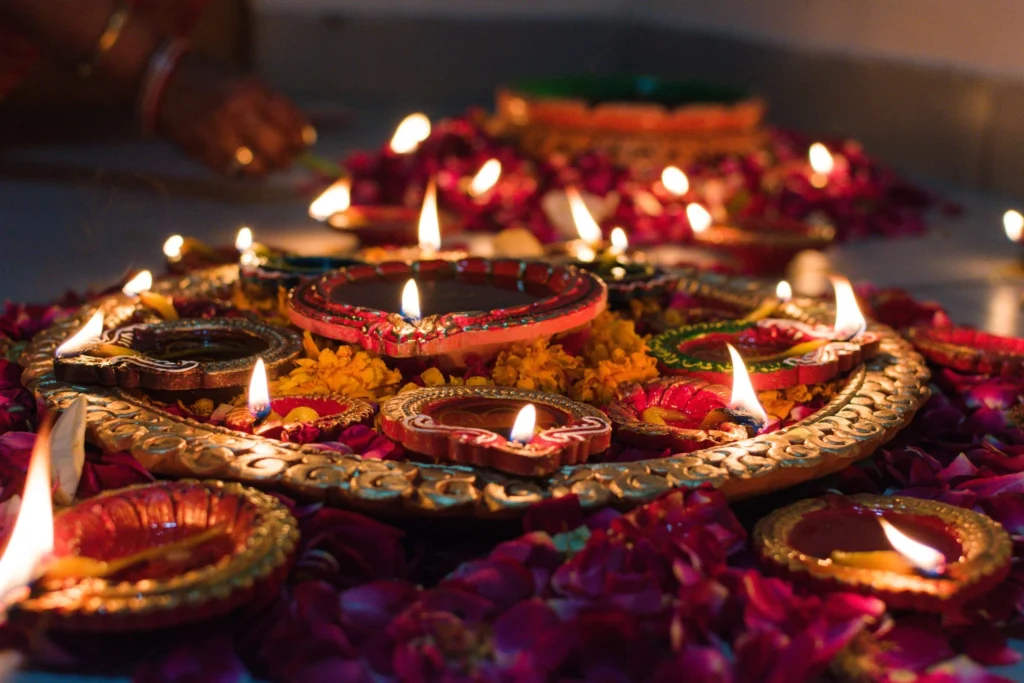
The first lamps are lit on Dhanteras evening — small diyas placed at the entrance to homes and shops to welcome Lakshmi, the goddess of prosperity. The festival’s visual transformation of India begins on this evening.
Day 2 — Naraka Chaturdashi: The Day Before the Night
Naraka Chaturdashi — also called Choti Diwali (Small Diwali) — is the day of preparation and the day of the traditional oil bath. The practice of rising before dawn and applying a fragrant oil to the body before bathing — symbolising the cleansing of impurities before the sacred night — is one of the most ancient Diwali rituals and one that is still observed in millions of Indian households.
By Naraka Chaturdashi the transformation of India is already well advanced. The rangoli — the intricate geometric and floral patterns drawn with coloured powder, flower petals, and rice flour at the entrance to every home and temple — is freshly made. The string lights that will illuminate the festival are already glowing. The sweets (mithai) that are the essential currency of Diwali gift-giving are stacked in every confectionery shop window in towers of extraordinary colour and extraordinary variety.
For the traveller: Naraka Chaturdashi is the finest day to visit the sweet shops (mithai shops) of your city — the variety and quality of Diwali mithai available in the days immediately before the main festival is extraordinary. The kaju katli (cashew fudge), the besan ladoo, the motichoor ladoo, the gulab jamun, and the dozens of regional specialities that appear only at Diwali are among the finest expressions of Indian confectionery at any time of year.
Day 3 — Diwali: The Main Night
The main Diwali night is one of the most extraordinary sensory experiences available to a human being on this planet — a night of such concentrated visual, auditory, and emotional intensity that it is genuinely difficult to prepare for or adequately describe.
The afternoon preparation: By mid-afternoon on Diwali day the preparation in every household is reaching its peak — the rangoli is freshly drawn at the entrance, the diyas are arranged in rows along every windowsill and rooftop edge, the puja materials are arranged on the altar, and the women of the house are dressed in their finest clothes. The entire country is simultaneously preparing for the same moment.
The Lakshmi Puja: As darkness falls — typically between 6 and 7 PM — every Hindu household performs the Lakshmi Puja: a prayer ceremony inviting the goddess of wealth and prosperity into the home for the new year. The puja involves the lighting of the first lamp, the recitation of prayers, the offering of flowers and sweets to the goddess, and the general consecration of the home and household for the year ahead. The puja is conducted simultaneously in tens of millions of homes across India — creating a moment of collective spiritual intensity that is unlike anything in any other festival tradition in the world.
The lighting of the lamps: The moment the Lakshmi Puja is complete the lamps are lit — the diyas arranged along every surface of every home ignited simultaneously across the country in a wave of light that begins in the east and moves westward as darkness falls. From any elevated position — a rooftop, a fort rampart, a hillside above a city — watching the lights come on across an Indian city on Diwali night is one of the most beautiful things a human being can witness.
The fireworks: The fireworks of Diwali are not organised municipal displays viewed from a distance — they are a completely decentralised, completely democratic, and completely overwhelming explosion of pyrotechnic enthusiasm conducted simultaneously by millions of individuals from rooftops, streets, and courtyards across the entire country. The sound is continuous and total — from approximately 7 PM to midnight on the main Diwali night the entire country sounds like a war zone of extraordinary joyfulness. The sky above any Indian city on Diwali night is filled with a continuous overlapping display of colour and light that no organised fireworks show could replicate.
The sweets and the visiting: The exchange of sweets and gifts between neighbours, friends, and family — with people moving through the lit streets carrying boxes of mithai, visiting home after home to offer sweets and receive them in return — creates a social atmosphere of extraordinary warmth and extraordinary openness. As a visitor you will be offered sweets. Accept them. The generosity of Diwali hospitality toward strangers is genuine and unlimited.
Day 4 — Govardhan Puja: The Day of Gratitude
The day after Diwali main night — when most of India is tired, the streets are covered in the debris of fireworks, and the extraordinary energy of the main night has given way to a warm and gentle aftermath — is one of the most quietly pleasant days of the festival.
Govardhan Puja commemorates Krishna’s lifting of the Govardhan mountain to protect the village of Vrindavan from Indra’s floods — a story of protection, devotion, and the relationship between the divine and the community. In many communities this day is also celebrated as Padwa — the first day of the new year in the Vikram Samvat calendar — and as the celebration of the husband-wife relationship.
For the traveller: Day 4 is the finest day to visit temples — the post-Diwali temple atmosphere, with fresh flowers, fresh lamps, and the particular quality of calm that follows great collective celebration, is genuinely beautiful.
Day 5 — Bhai Dooj: The Festival Closes
Bhai Dooj — the final day of the Diwali festival — celebrates the bond between brothers and sisters. Sisters apply a tilak (sacred mark) to their brothers’ foreheads, pray for their wellbeing and long life, and receive gifts in return. The ceremony mirrors the Raksha Bandhan festival earlier in the year and reflects the importance of the sibling relationship in the structure of Indian family and social life.
By Bhai Dooj the festival has reached its natural conclusion — the lights are beginning to come down, the streets are returning to their ordinary rhythm, and the particular quality of post-festival India settles over the country. For the traveller who has been present for all five days there is a particular kind of emotional fullness at this point — the feeling of having witnessed something genuinely extraordinary from beginning to end.
The Best Cities to Experience Diwali
Diwali is celebrated everywhere in India — but some cities and destinations offer experiences of such particular excellence that they deserve specific attention.
Varanasi — The Most Spiritually Extraordinary Diwali
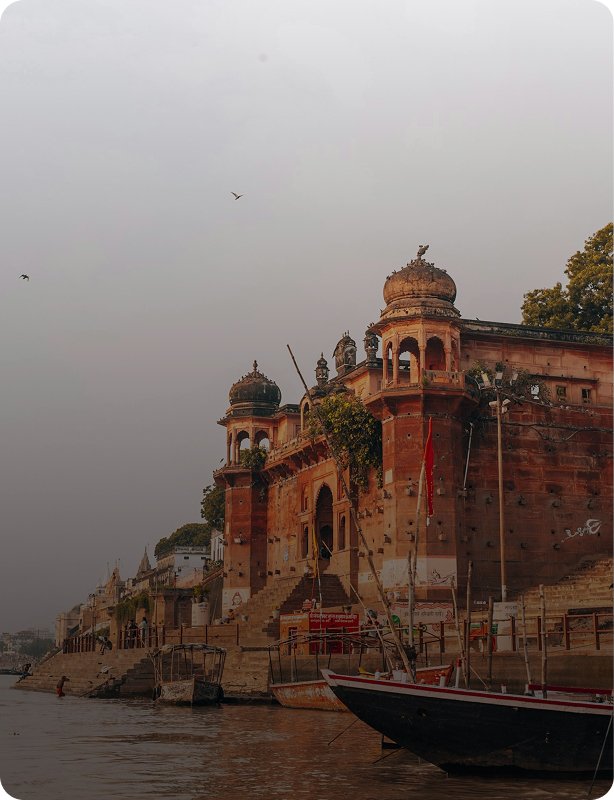
Varanasi — the oldest continuously inhabited city in the world and the holiest city in Hinduism — offers the most spiritually profound and most visually extraordinary Diwali experience available anywhere in India.
The combination of the ancient ghats of the Ganges — the stone steps descending to the sacred river that have witnessed continuous worship for over 3,000 years — illuminated by hundreds of thousands of diyas on Diwali night, the reflection of the lamps in the Ganges below, the sound of temple bells and fireworks, and the extraordinary spiritual intensity of a city that takes its relationship with the divine more seriously than perhaps any other place on earth creates an experience that goes beyond description.
The Dev Deepawali: Varanasi also celebrates Dev Deepawali — the Festival of Lights of the Gods — on the full moon night 15 days after Diwali (in 2026 this falls on 4 November). On this night the ghats are illuminated by over one million earthen lamps in a display of extraordinary beauty and extraordinary scale that many experienced travellers describe as the single most beautiful thing they have ever seen. If your schedule allows, extending your stay in India to include Dev Deepawali in Varanasi is one of the finest travel decisions you can make.
What to do in Varanasi at Diwali:
- Watch the Ganga Aarti ceremony from a boat on the river on Diwali night — the combination of the aarti fire, the lamp-lit ghats, and the fireworks above creates an experience of overwhelming beauty
- Walk the ghats from Assi Ghat to Manikarnika in the early morning of Diwali day — the preparation of the ghats for the night’s celebration is itself extraordinary
- Visit the Kashi Vishwanath Temple on Diwali morning — the most sacred Shiva temple in India on its most sacred day
- Book a rooftop position overlooking the ghats for the main Diwali night — the view from above the river is the finest available
Accommodation: Book at least 3 to 4 months in advance — Varanasi fills completely for Diwali and Dev Deepawali. The finest positions are the guesthouse and hotel rooftops overlooking the ghats — Brijrama Palace, Gange
Jaipur — The Pink City in Gold
Jaipur — the Pink City of Rajasthan — offers the most visually spectacular Diwali experience in North India outside of Varanasi. The combination of the city’s extraordinary Rajput architecture — the Hawa Mahal, the City Palace, the Amber Fort — illuminated by the golden light of thousands of diyas and the blue-white flash of fireworks creates a visual environment of extraordinary beauty and extraordinary drama.
The Amber Fort on Diwali night: The Amber Fort — lit by thousands of diyas placed along every rampart, every staircase, and every tower of the 16th-century Rajput fortress — is one of the most extraordinary architectural spectacles in India on Diwali night. The fort glows from within — the ancient golden sandstone catching and multiplying the lamplight in a display that makes the already extraordinary building appear genuinely magical.
The bazaars of the Old City: The Johari Bazaar (jewellery market), the Bapu Bazaar (textiles), and the Nehru Bazaar (handicrafts) of Jaipur’s walled Old City are at their most extraordinary in the week before Diwali — the shops decorated with lights, the streets crowded with shoppers, the air filled with the smell of incense and the sound of Diwali music.
What to do in Jaipur at Diwali:
- Watch the Amber Fort illumination from the Maota Lake viewpoint on Diwali night
- Visit the City Palace for the royal Diwali celebration — the Maharaja’s family still conducts traditional Diwali ceremonies that are occasionally open to guests
- Walk the Old City bazaars on Dhanteras evening — the gold market on Dhanteras night is one of the finest commercial spectacles in Rajasthan
- Visit Birla Mandir temple on Diwali morning — the temple is extraordinarily decorated and the early morning puja is open to visitors
Amritsar — The Sikh Diwali
Amritsar’s Diwali — celebrated as Bandi Chhor Divas, commemorating the release of Guru Hargobind Ji from Mughal imprisonment — is the most emotionally powerful Diwali experience in India for a different reason from Varanasi or Jaipur: it is the experience of a tradition expressing its deepest gratitude and its deepest joy simultaneously.
The Golden Temple on Diwali night: The Harmandir Sahib — the Golden Temple, the holiest shrine in Sikhism — is illuminated on Diwali night by thousands of lamps and candles that transform the already extraordinary golden structure into something that appears to float above its sacred pool of nectar (Amrit Sarovar) in a state of pure, concentrated light. The reflection of the illuminated temple in the still water of the pool below is one of the most beautiful images available in India at any time of year — on Diwali night it becomes something genuinely transcendent.
The Golden Temple is open 24 hours and entry is free to all visitors regardless of religion. On Diwali night the complex fills with hundreds of thousands of Sikh pilgrims and visitors — the atmosphere of collective devotion and collective joy is unlike anything else in India.
What to do in Amritsar at Diwali:
- Attend the early morning Palki Sahib ceremony at the Golden Temple — the procession of the holy scripture to the temple at dawn on Diwali morning is one of the most moving religious ceremonies in India
- Watch the fireworks display over the Golden Temple from the rooftops of the surrounding buildings
- Visit the Wagah Border ceremony on the evening before Diwali — the flag-lowering ceremony at the India-Pakistan border, conducted with extraordinary military theatre, takes on additional emotional resonance during the Diwali period
Ayodhya — The Origin of Diwali
Ayodhya — the ancient city in Uttar Pradesh that is the birthplace of Lord Rama and the city whose illumination with oil lamps on the night of Rama’s return from exile is the original event that Diwali commemorates — has in recent years become the most extraordinary single Diwali destination in India.
The Uttar Pradesh government’s Deepotsav festival in Ayodhya — in which the banks of the Saryu River are illuminated by an extraordinary number of diyas (the festival has broken the Guinness World Record for the largest display of oil lamps multiple times, with over 2.2 million diyas lit simultaneously in recent years) — has transformed Diwali in Ayodhya into a spectacle of global significance.
The Ram Ki Paidi ghats on Diwali night: The steps of the Saryu River ghats in Ayodhya — covered end to end by hundreds of thousands of oil lamps, the river reflecting the light in an unbroken golden line from horizon to horizon — is one of the most extraordinary visual experiences available in India at any time of year. On Diwali night, with the fireworks above and the lamps below and the sound of devotional music filling the air, it is genuinely overwhelming.
What to do in Ayodhya at Diwali:
- Attend the official Deepotsav ceremony on the Saryu ghats — arrive early as crowds are enormous
- Visit the Ram Janmabhoomi Temple — the newly constructed temple at the birthplace of Lord Rama, whose first Diwali celebrations are expected to be of extraordinary scale
- Take a boat on the Saryu River on Diwali night — the view of the illuminated ghats from the water is the finest perspective available
Practical note: Ayodhya is accessible from Lucknow (approximately 2 hours by road) and Varanasi (approximately 4 hours). Accommodation is limited — book extremely early and consider staying in Lucknow and travelling to Ayodhya for the main night.
Mumbai — The Modern Diwali
Mumbai’s Diwali is the most cosmopolitan and most commercially spectacular version of the festival — a city of 20 million people celebrating simultaneously across its extraordinary geographic and social diversity, from the chawls of Dharavi to the towers of South Mumbai.
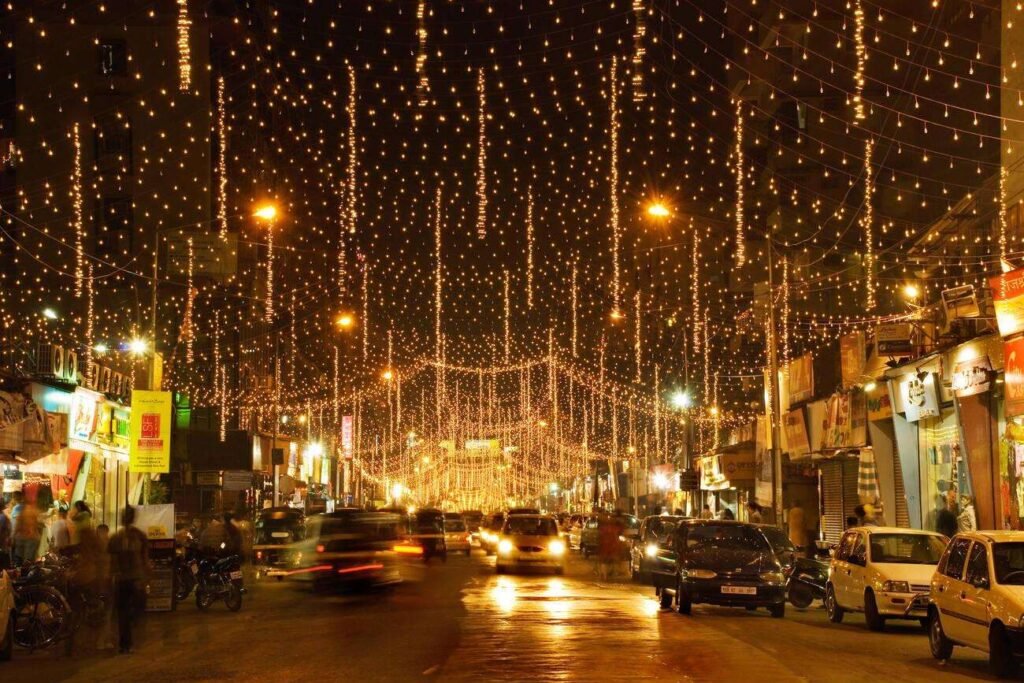
Marine Drive on Diwali night: The Queen’s Necklace — the arc of street lights along Marine Drive that gives it its famous nickname — is supplemented on Diwali night by the extraordinary illumination of the buildings along the seafront and the fireworks over the Arabian Sea. Walking Marine Drive on Diwali night — the sea on one side, the illuminated city on the other, fireworks exploding over the water — is one of the finest urban Diwali experiences available.
Crawford Market and the Old City: The pre-Diwali shopping in the markets of the Old City — Crawford Market, Zaveri Bazaar (jewellery), and Bhuleshwar (sweets and decorations) — is the finest expression of the Diwali market tradition in Mumbai and one of the most energetically alive commercial spectacles in the city.
Practical Guide: Experiencing Diwali in India
Booking and Planning
Book everything early: Diwali is the peak domestic tourism season in India — trains, flights, and hotels fill up months in advance. For Diwali 2026 (20 October) begin booking by June 2026 at the latest. For the finest positions in Varanasi and Ayodhya book by April 2026.
Flights: Domestic flight prices increase significantly in the week around Diwali — book as early as possible. The days immediately before Diwali (17 to 19 October 2026) are the highest demand and highest price period.
Trains: Book IRCTC tickets as soon as the booking window opens (120 days before travel). The trains to Varanasi, Jaipur, Ayodhya, and Amritsar in the week before Diwali are among the most in-demand in India.
What to Wear
Diwali is a dress-up occasion — Indians wear their finest clothes for the main night and for the days of the festival. As a visitor dressing respectfully and festively is genuinely appreciated.
Recommended:
- For women: A salwar kameez, saree, or lehenga in bright festival colours — red, orange, gold, deep blue, or green. Many cities have good ready-to-wear options available at reasonable prices.
- For men: A kurta pyjama in a festive colour — easily purchased in any Indian market for ₹500 to ₹2,000.
- Avoid: Black and white — both are associated with mourning in the Hindu tradition and are considered inappropriate for Diwali celebrations.
Health and Safety
Fireworks safety: The fireworks of Diwali are real fireworks used by ordinary people without professional training — maintain a sensible distance from fireworks activity and be alert in crowded streets. Eye protection is recommended if you are sensitive to smoke.
Air quality: Diwali fireworks cause significant air quality deterioration in major Indian cities — particularly Delhi, which regularly records extremely poor air quality in the days around Diwali. Travellers with respiratory conditions should be aware of this and carry appropriate medication. Consider visiting Varanasi, Jaipur, or Amritsar rather than Delhi if air quality is a concern.
Crowd safety: The major Diwali celebrations — particularly in Varanasi and Ayodhya — attract enormous crowds. Stay aware of your surroundings, keep your belongings secure, and identify exit routes from crowded ghat areas before the main night begins.
Food: Diwali sweets are offered generously and are generally safe to accept from reputable establishments and private homes. Exercise the normal caution about street food hygiene that applies throughout India.
Budget Guide
| Budget Level | Daily Cost (₹) | Includes |
|---|---|---|
| Budget | ₹2,000 to ₹3,500 | Guesthouse, local food, public transport |
| Mid-range | ₹5,000 to ₹10,000 | Good hotel, restaurant meals, auto/taxi |
| Luxury | ₹15,000 to ₹50,000+ | Heritage hotel, fine dining, private guide |
Note: Prices increase by 30 to 100 percent above normal rates during Diwali week at most hotels in major cities. The budget above reflects Diwali-period pricing.
The Diwali Gift Culture
Diwali is the most important gift-giving occasion in the Indian calendar — the exchange of sweets, dry fruits, and gifts between friends, family, colleagues, and neighbours is one of the most important social rituals of the festival.
As a visitor:
- Buy a box of local mithai (sweets) to offer when visiting homes or temples — ₹200 to ₹500 for a good gift box
- Accept all offers of sweets with genuine gratitude — declining is considered impolite
- Small gifts of dry fruits, chocolates, or local specialities are always appropriate
Final Thoughts: Why Diwali Is Worth Planning Your Entire Trip Around
There are travel experiences that are worth planning a trip around — experiences of such genuine and such irreplaceable quality that the rest of the itinerary should be arranged in service of them rather than the other way around.
Diwali in India is one of those experiences.
The lamp-lit ghats of Varanasi reflected in the Ganges on the main night. The Golden Temple floating above its pool of light in Amritsar. The Amber Fort glowing from within its ancient walls in Jaipur. The million diyas of Ayodhya covering the banks of the Saryu from horizon to horizon. The sweets offered by strangers. The fireworks above every rooftop in every city simultaneously. The particular quality of a billion people celebrating the same idea — that light is stronger than darkness, that good is stronger than evil, that the lamp in the window matters — at exactly the same moment.
No photograph captures it adequately. No description conveys it completely.
Diwali 2026. 20 October. Be there.