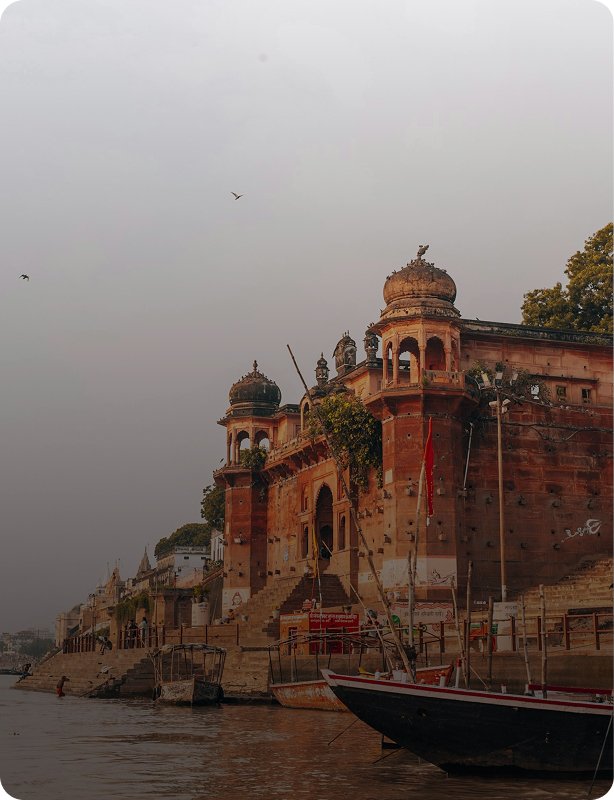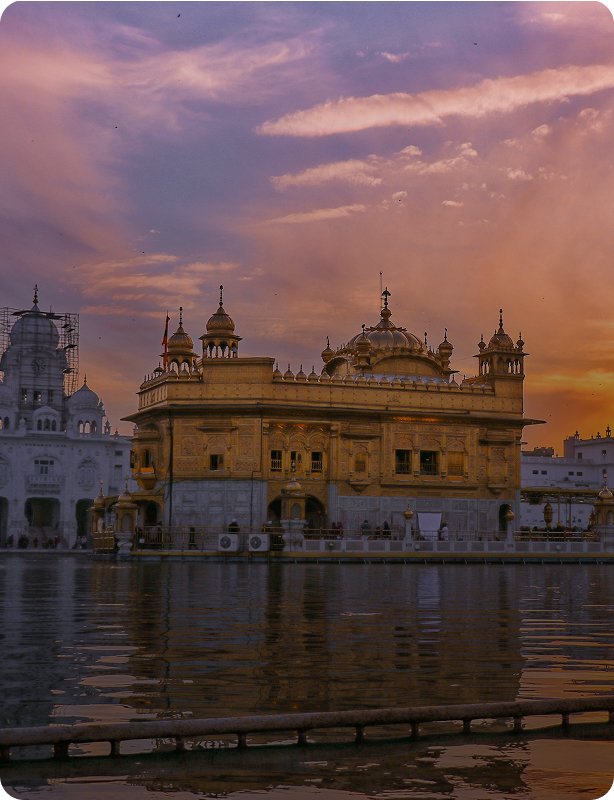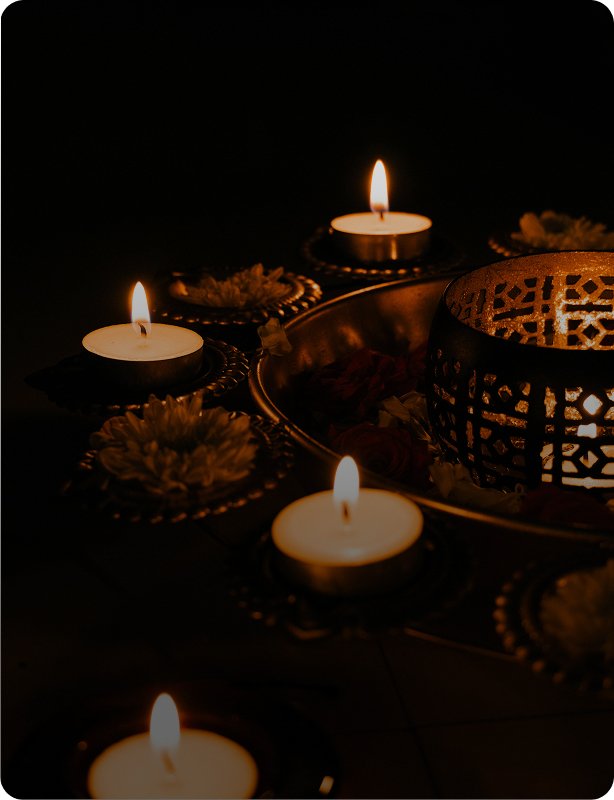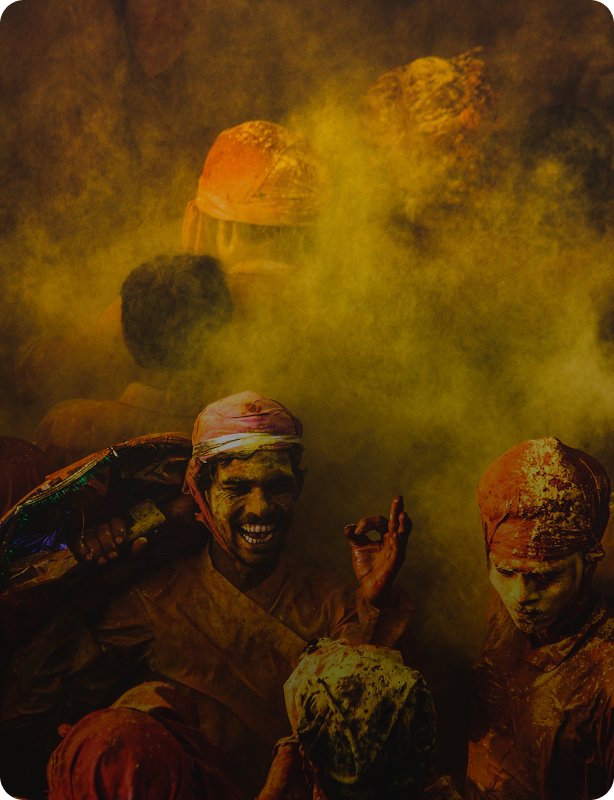
This India travel guide invites travelers to look beyond landmarks and experience the country as a continuous dialogue between culture, landscape, and lived tradition in India. Travel through India unfolds as an encounter with scale, diversity, and layered history that resists simple definition. The country greets travelers with an interplay of movement and stillness, where ancient monuments stand beside rapidly evolving cities and rural landscapes stretch beyond crowded streets. In places like Varanasi, rituals continue along riverbanks with quiet persistence, while metropolitan centers reveal the pulse of contemporary life. Each setting contributes to a narrative shaped by continuity rather than contrast, encouraging travelers to experience India as a living continuum.
Journeys across India emphasize transition as a form of discovery. Bustling urban corridors soften into agricultural plains, mountain roads ascend toward Himalayan horizons, and coastal routes open to expansive seas. These shifts encourage attentiveness to atmosphere and rhythm, transforming travel into immersion. Rather than isolating destinations, travelers experience the country as an interconnected whole where geography influences culture, architecture, and daily routine in subtle ways.
India’s identity emerges through coexistence. Languages, religions, and artistic traditions overlap without dissolving into uniformity. Communities preserve heritage while adapting to contemporary life, creating environments that feel dynamic yet grounded. Light and climate intensify perception, from golden mornings illuminating sandstone cities to monsoon skies reshaping familiar streets and textures.
Public spaces function as shared stages of social expression. Markets, temples, and railway platforms gather people into visible rhythms of interaction. Movement through these spaces heightens sensory awareness — aromas of spice, textures of fabric, and echoes of music form a tactile atmosphere that feels immediate and layered.
Travelers often notice how everyday rituals structure time. Morning prayers, shared meals, and evening gatherings create cycles that anchor experience in repetition and meaning. These patterns cultivate awareness of continuity between past and present.
Movement through India expands emotional perspective. Encounters with strangers become moments of connection shaped by curiosity and hospitality. Observation deepens into participation as travelers engage with local customs and routines.
Where Rivers Carry Memory
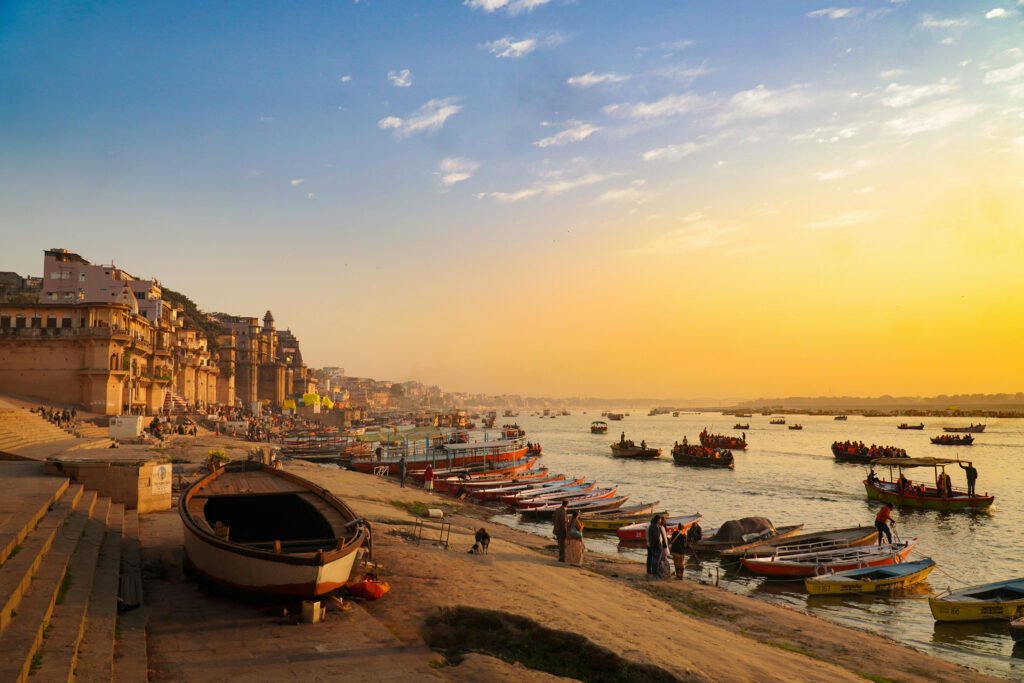
Rivers define emotional geography across India. Along the banks of the Ganges River, daily rituals unfold with quiet continuity shaped by generations. Travelers observe gestures repeated over centuries, grounding experience in shared tradition and collective memory.
Morning light reflects across moving water, creating patterns that shift with every ripple. Activity gathers gradually along the shore as people arrive for prayer, conversation, and reflection. Observation becomes instinctive within this unfolding rhythm.
The river cultivates perspective, reminding visitors of time measured in cycles rather than schedules. Its steady flow contrasts with human urgency, encouraging stillness within movement.
Sound alternates between conversation, prayer, and flowing current. These layered rhythms anchor awareness in presence and continuity. Movement beside the water feels deliberate and contemplative.
Changing weather transforms the river’s surface and atmosphere. Mist softens outlines at dawn, while afternoon light sharpens color and contrast. Each transition adds emotional dimension to the landscape.
Encounters along the river foster quiet connection. Shared space dissolves distance between observer and participant, inviting respectful engagement.
Travelers often experience introspection here. The river becomes both physical environment and symbolic presence that encourages reflection.
Rivers ultimately embody continuity. They carry stories, rituals, and memory forward, linking generations within a shared landscape.
Cities Alive With Layered Histories
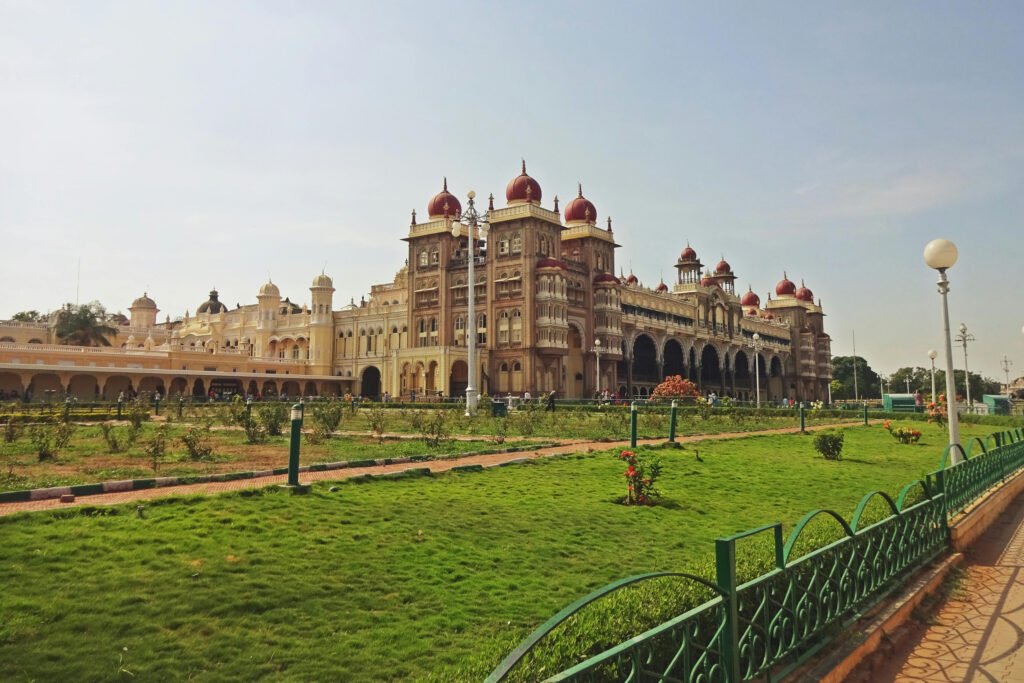
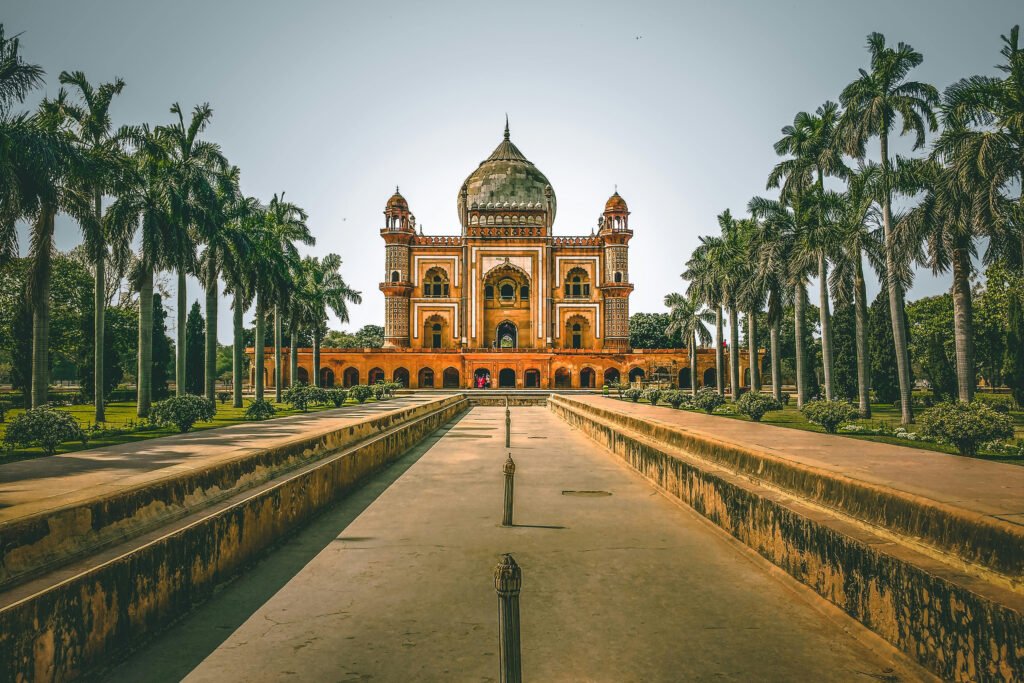
Urban India pulses with complexity shaped by history and innovation. In Delhi, historic monuments coexist with expanding skylines, creating visual dialogues between eras. Streets carry traces of multiple centuries within a single view. From the perspective of an evolving India travel guide, these cities reveal how past and present coexist through everyday movement and architecture.
Architecture frames interaction through contrast — ancient stone fortifications beside contemporary structures. This coexistence reveals adaptation rather than replacement.
Markets animate public space with color and negotiation. Vendors and travelers form soundscapes that feel dense yet organized, shaped by practiced rhythm.
Historic districts preserve textures that invite slower movement. Narrow lanes encourage observation of craft and detail often overlooked in faster environments.
Public squares function as gathering points where conversation and performance intersect. These spaces blur boundaries between spectator and participant.
Modern infrastructure integrates into established frameworks without erasing identity. Urban evolution appears continuous rather than disruptive.
Walking these streets reveals adaptability embedded in daily routine. Tradition and innovation coexist through lived experience.
Cities ultimately function as living archives. They record change while preserving continuity, rewarding attentive exploration.
Landscapes That Expand Perspective
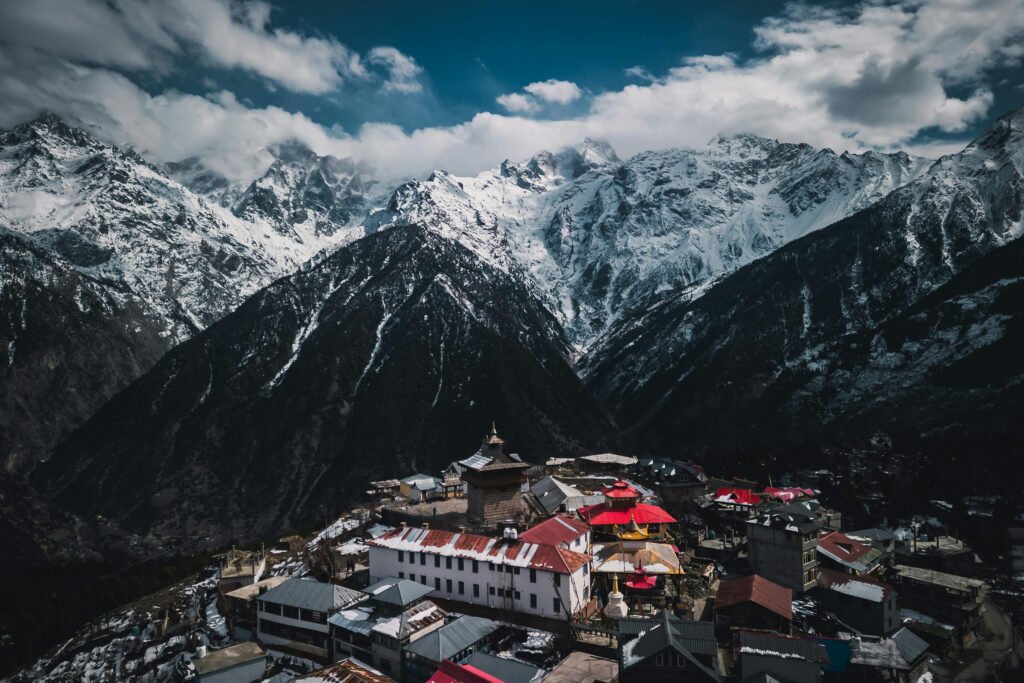
India’s landscapes extend from desert expanses to mountain elevations and coastal plains. Regions such as the Himalayas cultivate awareness through scale and altitude. Travelers sense recalibration shaped by distance. Any meaningful India travel guide must account for how landscape reshapes perception, grounding travelers in scale and atmosphere.
Light transforms terrain continuously. Shadows trace ridgelines while clouds introduce shifting texture that animates still panoramas.
Silence alternates with natural sound — wind, water, and distant wildlife. These rhythms ground perception in environment.
Movement through expansive terrain feels meditative. Paths follow contours shaped over centuries, encouraging humility and reflection.
Climate influences experience directly. Air grows thinner at elevation, sharpening awareness of breath and motion.
Vegetation shifts gradually with altitude and latitude. Each transition reveals adaptation shaped by environment.
Travelers often feel emotional expansion in these landscapes. Perspective widens alongside physical horizon.
Landscapes ultimately invite contemplation. They frame human presence within broader natural continuity.
The Journey Through Constant Motion
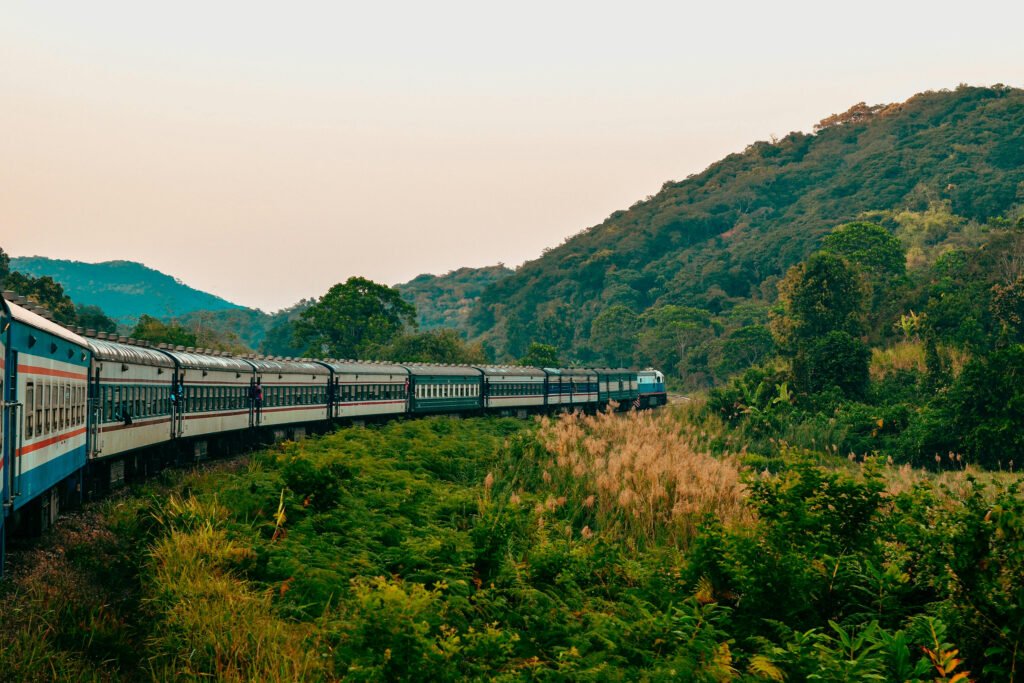
Travel within India highlights movement as cultural thread connecting regions. Railways and roads form arteries that carry stories alongside passengers.
Transit spaces gather strangers into temporary communities. Brief exchanges create understated moments of recognition.
Scenery evolves gradually outside windows. Observation replaces expectation as environments shift from density to openness.
Rest stops introduce regional character through cuisine and craft. Sensory details accumulate into textured understanding.
The rhythm of motion soothes attention. Repetition heightens awareness of subtle change.
Time stretches comfortably during travel. Memory and anticipation blend into emotional continuity.
Journeys reveal connections between geography and routine shaped by adaptation.
Arrival gains meaning through transitions that precede it. Movement becomes integral to destination.
Leaving With Echoes of Continuity
Departing India leaves impressions shaped by scale and intimacy. Memories persist as atmospheres — river light, city cadence, and expansive terrain woven together.
Experiences deepen awareness of coexistence between tradition and transformation. Travelers carry appreciation for cultural layering.
Encounters with communities foster respect grounded in hospitality and shared presence.
Creative inspiration lingers through remembered color, texture, and sound that resurface unexpectedly.
The country encourages reflection on balance between motion and stillness. Perspective shifts quietly.
Travelers often return with recalibrated priorities shaped by immersion and observation.
What remains strongest is a sense of continuity linking people and place across time.
India demonstrates how diversity can form cohesive identity. The journey ends geographically, yet its influence unfolds long afterward. This India travel guide ultimately frames the journey as an experience of continuity that extends beyond geography.