
Few journeys on earth match the magic of arriving at Machu Picchu on foot, stepping through the Sun Gate at dawn as the ancient citadel emerges from the mist below you. The Inca Trail is one of the world’s most iconic treks — and for very good reason. But with limited daily permits, competitive booking windows, and a growing list of spectacular alternatives, planning this adventure takes serious preparation.
This complete 2025 Inca Trail trekking guide covers everything you need to know — how the classic 4-day route works, what to expect on the trail, how to secure permits before they sell out, and the best alternative treks when the classic route is full or out of budget. Whether you are a first-time hiker or a seasoned trail veteran, this guide will help you plan the trek of a lifetime.
What Is the Inca Trail?
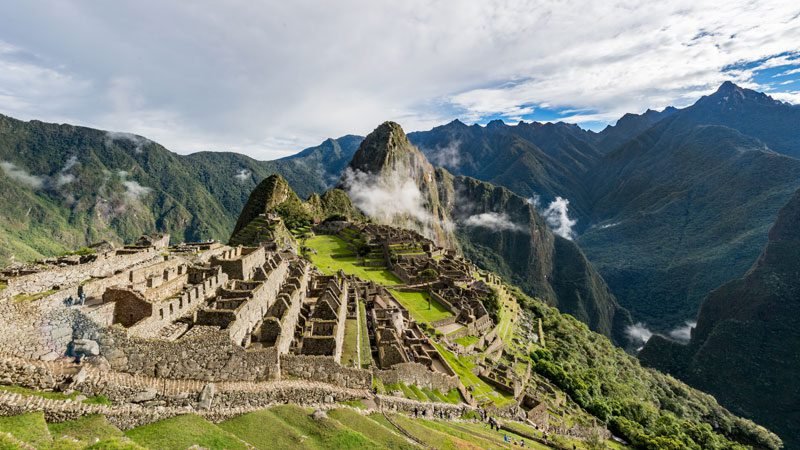
The Inca Trail (Camino Inca) is a 43 km trekking route through the Peruvian Andes, following ancient Incan pathways through cloud forest, alpine tundra, and subtropical jungle to reach Machu Picchu — the legendary 15th-century Incan citadel and UNESCO World Heritage Site.
The trail is managed by Peru’s Ministry of Culture and strictly limited to 500 people per day in total — including guides, cooks, and porters. This means genuine trekking spots are limited to roughly 200 trekkers per day, making advance booking absolutely essential. Permits for June, July, and August frequently sell out six months in advance.
Classic Inca Trail — Day-by-Day Route Breakdown
Day 1 — Km 82 to Wayllabamba (12 km) | Difficulty: Easy
Your adventure officially begins at Kilometer 82, where you cross a bridge over the Urubamba River and enter the protected trail zone. Day 1 is a gentle warm-up, climbing gradually through the Sacred Valley past the Incan ruins of Llactapata. You will pass through small Andean villages and open farmland before setting up camp at Wayllabamba (3,000 m), the last inhabited village on the route.
Highlights: Llactapata ruins, Sacred Valley scenery, gentle river walking. Tip: Use this day to get your legs moving and begin hydrating seriously for the days ahead.
Day 2 — Wayllabamba to Pacaymayu (10 km) | Difficulty: Hard
Day 2 is the toughest day on the trail and the one that most trekkers remember for the rest of their lives. You climb steeply through dense cloud forest and high-altitude scrubland to Warmiwanusca — Dead Woman’s Pass at 4,215 m (13,828 ft), the highest point on the entire Inca Trail. The ascent is relentless and the altitude is brutally felt here. After reaching the summit and taking in the panoramic Andes views, you descend sharply into the Pacaymayu valley to camp.
Highlights: Dead Woman’s Pass, sweeping mountain views, true sense of achievement. Tip: Start walking before 6:00 AM. Slow and steady wins this day. Do not rush the ascent.
Day 3 — Pacaymayu to Winay Wayna (16 km) | Difficulty: Moderate to Hard
Day 3 is the longest day on the trail and many trekkers’ favourite. You cross a second high pass at Runkuracay (3,850 m) and pass through the ruins of Sayacmarca, Conchamarca, and the spectacular Phuyupatamarca before descending dramatically through orchid-filled cloud forest to Winay Wayna (2,650 m). These impressive terraced ruins overlooking the Urubamba River are your final campsite before Machu Picchu.
Highlights: Sayacmarca, Phuyupatamarca, cloud forest, Winay Wayna terraced ruins. Tip: The descent from Phuyupatamarca is steep and slippery — trekking poles are invaluable here.
Day 4 — Winay Wayna to Machu Picchu (4 km) | Difficulty: Easy
The final day is short but deeply emotional. Most trekking groups wake at 3:30 AM to hike the final stretch to Inti Punku — the Sun Gate — arriving at sunrise for the first iconic view of Machu Picchu spread out in the valley below. The trail descends into the citadel for a full guided tour before you take the bus down to Aguas Calientes for a well-deserved meal and celebration.
Highlights: Sunrise at the Sun Gate, first view of Machu Picchu, guided citadel tour. Tip: Bring an extra layer — standing at Inti Punku before sunrise is cold and worth every shiver.
Inca Trail Permits — Everything You Need to Know
Securing a permit is often the most stressful part of planning the Inca Trail. Here is exactly what you need to know.
You cannot purchase an Inca Trail permit independently. All permits must be booked through a licensed Peruvian tour operator authorized by the Ministry of Culture. Your passport number is permanently tied to your specific permit — permits are non-transferable and completely non-refundable.
- Booking opens: October and November for the following year
- Peak months (June, July, August): Book 5 to 6 months in advance minimum
- Shoulder months (May, September, October): Book 3 to 4 months in advance
- Trail closure: The entire trail is closed throughout February every year for maintenance
- Permit cost: Approximately USD $95 to $110 per person (subject to annual revision)
- Student discount: A reduced rate is available with a valid ISIC student card
Pro Tip: As soon as you have confirmed travel dates, contact your tour operator and book immediately. Do not wait. Inca Trail permits are one of the fastest-selling travel permits in South America.
Best Time to Hike the Inca Trail
Choosing the right time to hike significantly affects your experience.
May to September — Dry Season (Best Time): This is peak trekking season for a reason. Days are mostly sunny and clear, offering the best mountain and ruins visibility. Nights are cold, especially at high altitude, but manageable with the right gear. This is also the most competitive period for permit availability — book the earliest possible.
October and November — Shoulder Season (Great Value): The rains begin to arrive but remain relatively light. The trail is significantly quieter and permits are much easier to secure. The landscape turns lush and green, which makes for spectacular photography.
December to March — Wet Season (Not Recommended): The Inca Trail receives very heavy rainfall during this period. The trail becomes extremely slippery and dangerous, visibility at mountain passes is poor, and the trail is completely closed throughout February for annual maintenance. Only experienced trekkers comfortable with difficult wet conditions should consider December, January, or March.
April — Transition Month: The last rains are fading and the trail begins to dry out. Fewer trekkers than peak season, good permit availability, and the vegetation is still beautifully green.
Best Inca Trail Alternatives (When the Classic Route Is Full)
If Classic Inca Trail permits are sold out or over budget, do not be discouraged. Peru offers several extraordinary alternative treks to Machu Picchu and the surrounding Sacred Valley region, each with its own unique character.
1. Salkantay Trek — Best Overall Alternative
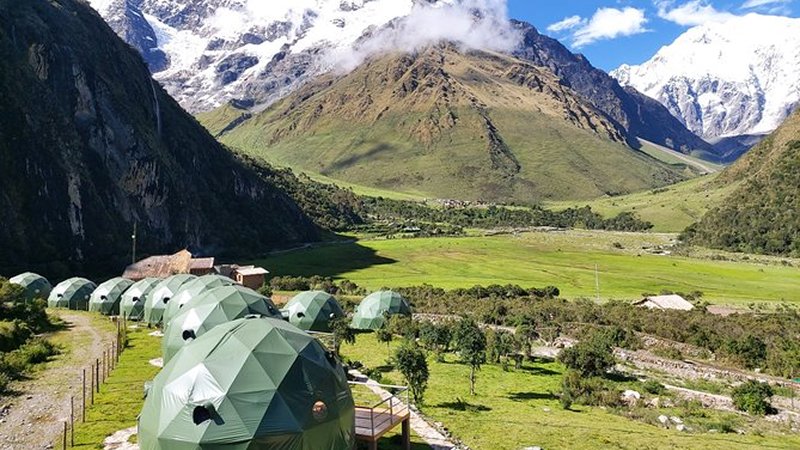
Distance: 74 km | Duration: 5 days / 4 nights | Difficulty: Moderate to Hard | No permit required
The Salkantay Trek is the most popular Inca Trail alternative and widely considered one of the top 25 treks in the world by National Geographic. The route passes directly beneath the dramatic Salkantay Mountain (6,271 m), crosses the Salkantay Pass at 4,600 m, and descends through cloud forest and coffee plantations before reaching Aguas Calientes and Machu Picchu.
Why choose it: No permit required, more dramatic high-altitude scenery than the classic trail, better availability year-round, and typically 30 to 40% cheaper than the classic route. Best for: Trekkers who want a more physically demanding high-altitude experience with fewer crowds.
2. Lares Trek — Best for Culture and Community
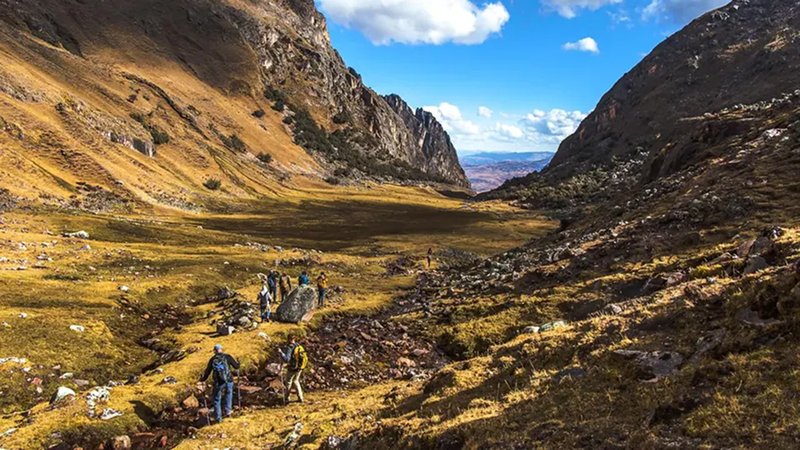
Distance: 35 km | Duration: 4 days / 3 nights | Difficulty: Moderate | No permit required
The Lares Trek takes a completely different approach, weaving through remote Andean communities and traditional villages where Quechua-speaking locals still live much as they have for centuries. The trail passes pristine high-altitude lakes, thermal baths, and working agricultural terraces before descending to Ollantaytambo and taking the train to Aguas Calientes.
Why choose it: Genuine cultural immersion, beautiful mountain lakes, authentic local encounters, and far fewer tourists than any other route. Best for: Travellers who prioritise cultural experience over ruins-based sightseeing.
3. Choquequirao Trek — Best for Adventure and Solitude
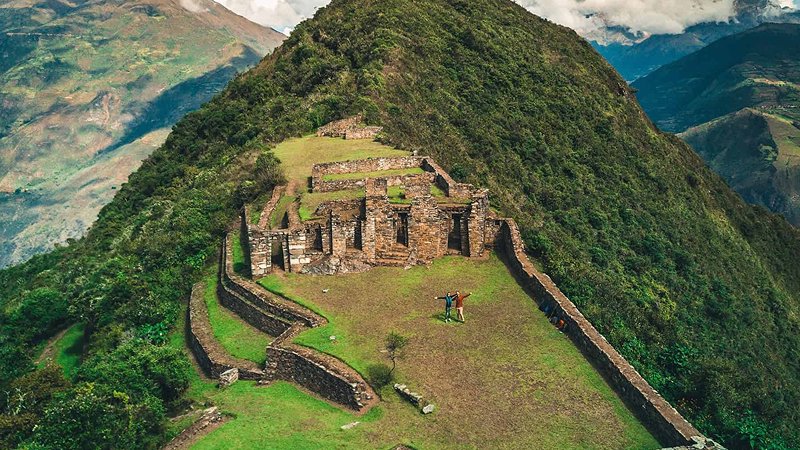
Distance: 56 km | Duration: 4 to 5 days | Difficulty: Hard | No permit required
The Choquequirao Trek leads to the remote “Sister City of Machu Picchu” — a vast Incan complex that currently receives fewer than 30 visitors per day. The trek involves serious elevation gain and loss, crossing the deep Apurimac River canyon before ascending to the Choquequirao ruins perched at 3,050 m.
Why choose it: Genuine off-the-beaten-path adventure, complete solitude, and access to one of Peru’s most impressive and under-visited archaeological sites. Best for: Experienced hikers who want to feel like true explorers and see major ruins with almost no other tourists present.
4. Inca Jungle Trek — Best for Adventure Sports Lovers
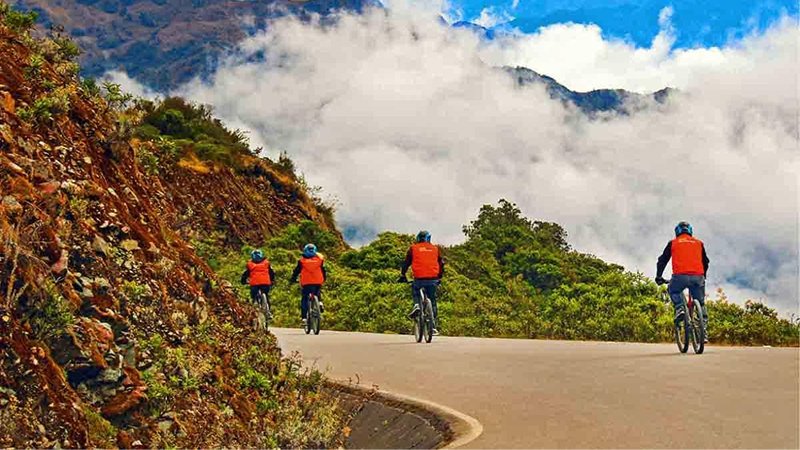
Distance: 45 km (hiking portion) | Duration: 4 days / 3 nights | Difficulty: Easy to Moderate | No permit required
The Inca Jungle Trek is the most action-packed route to Machu Picchu. Day 1 typically involves a thrilling downhill mountain bike ride from Abra Malaga Pass (4,350 m) through cloud forest. Subsequent days include hiking, optional white-water rafting, zip-lining, and a visit to the hot springs at Santa Teresa before reaching Aguas Calientes.
Why choose it: Combines multiple adventure activities with the Machu Picchu experience, significantly cheaper than the classic trail, great social atmosphere, and no permits required. Best for: Younger travellers, adrenaline seekers, and budget travellers who want maximum activity for minimum cost.
5. Quarry Trek (Huchuy Qosqo Trek) — Best Short Alternative
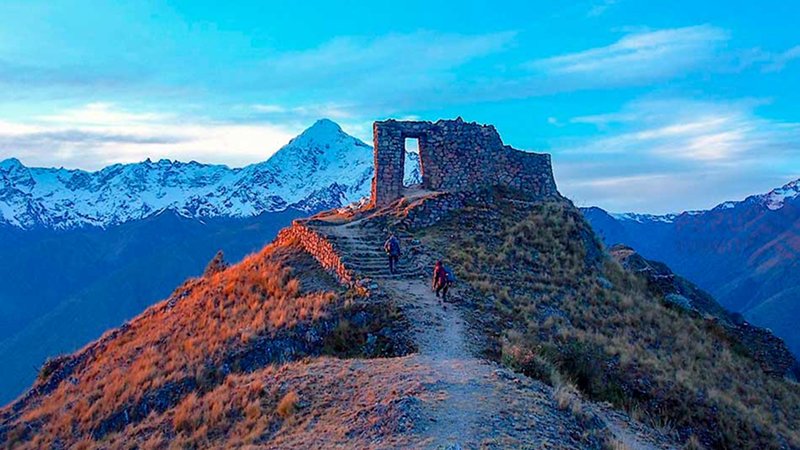
Distance: 22 km | Duration: 2 days / 1 night | Difficulty: Moderate | No permit required
The Quarry Trek is a lesser-known gem that passes through the ruins of Huchuy Qosqo — a small but beautifully preserved Incan palace above the Sacred Valley — before descending to Ollantaytambo and connecting to Machu Picchu by train. It is an excellent choice for trekkers with limited time.
Why choose it: Short, less crowded, visits genuinely impressive ruins that most tourists never see, and offers spectacular Sacred Valley panoramas. Best for: Travellers with only 2 to 3 days available or those wanting a low-key introduction to Andean trekking.
Final Thoughts — Is the Inca Trail Worth It?
Absolutely, without question. The Inca Trail is not just a hike — it is a full immersion in Andean landscape, ancient history, and personal achievement. Arriving at the Sun Gate on the morning of Day 4, with Machu Picchu laid out in the valley below after four days of effort and altitude, is one of the most genuinely moving experiences available to any traveller anywhere in the world.
Book early, train properly, acclimatize seriously, and show up ready to be transformed. The Inca Trail will give back exactly as much as you put into it.