
Gorilla trekking in Uganda is one of the most powerful wildlife encounters on Earth. Deep within ancient rainforests, travelers hike through mist-covered hills to meet endangered mountain gorillas face-to-face — a rare and unforgettable experience.
Often called the “Pearl of Africa,” Uganda is home to nearly half of the world’s remaining mountain gorillas. Compared to neighboring destinations, Uganda gorilla trekking offers exceptional value, breathtaking scenery, and well-managed conservation programs.
If you are planning a gorilla safari in Uganda, this complete guide covers everything: permits, costs, best time to visit, trekking experience, rules, and itinerary.
Where to Go Gorilla Trekking in Uganda
Uganda offers two official locations for gorilla trekking, both located in the southwestern region near the borders of Rwanda and the Democratic Republic of Congo.
The forests here are part of the larger Virunga conservation ecosystem — one of the most biologically rich regions in Africa. These parks are protected, carefully monitored, and home to habituated gorilla families that visitors can safely observe.
Choosing between the two depends on availability, budget, travel style, and preferred landscape.
1. Bwindi Impenetrable National Park
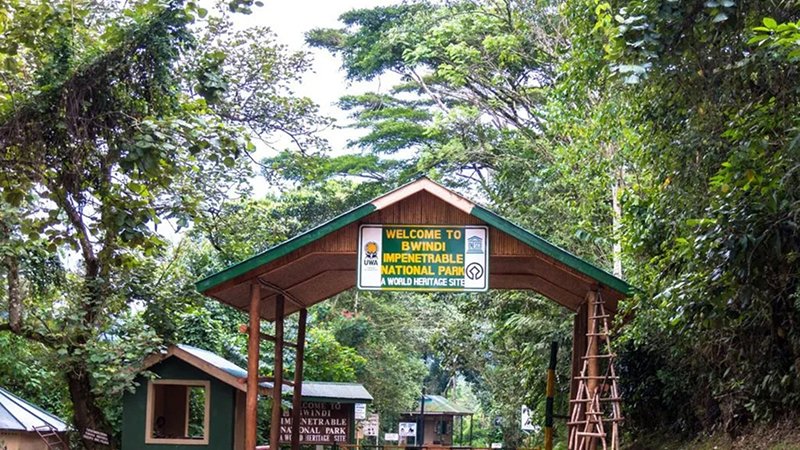
Bwindi Impenetrable National Park is the most famous and popular destination for gorilla trekking in Uganda. A UNESCO World Heritage Site, Bwindi is home to nearly half of the world’s mountain gorilla population.
The park is divided into four trekking sectors:
- Buhoma
- Ruhija
- Rushaga
- Nkuringo
Each sector has different lodges, trail conditions, and gorilla families. Bwindi is known for:
- Highest number of habituated gorilla families
- Greater permit availability
- Dramatic jungle scenery and steep terrain
- Strong conservation programs
The rainforest here is dense, ancient, and incredibly biodiverse, making every trek feel like a true expedition.
2. Mgahinga Gorilla National Park
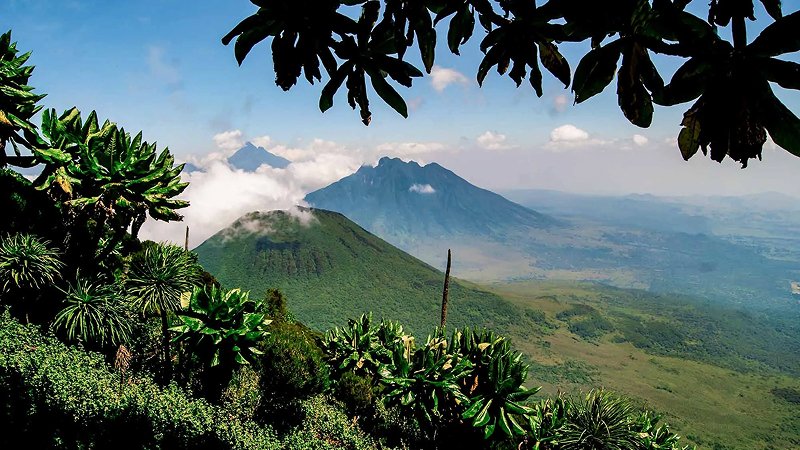
Mgahinga Gorilla National Park is smaller but offers a more exclusive and less crowded experience. It forms part of the Virunga Mountains and features stunning volcanic landscapes.
Why choose Mgahinga?
- Fewer tourists
- Scenic volcanic backdrops
- Opportunity for golden monkey trekking
- Easier hiking terrain compared to Bwindi
While it has fewer gorilla families, the experience is equally intimate and rewarding.
Uganda Gorilla Trekking Permit Cost
The Uganda gorilla permit is mandatory and allows one hour with a habituated gorilla family.
Current standard permit costs:
- Foreign Non-Residents: $800
- Foreign Residents: $700
- East African Citizens: Discounted local rates
Permits should be booked at least 3–6 months in advance, especially during peak seasons.
Compared to Rwanda (where permits exceed $1,500), Uganda gorilla trekking is more affordable while offering the same incredible experience.
Best Time for Gorilla Trekking in Uganda
Gorilla trekking in Uganda is available year-round, but weather conditions significantly affect hiking difficulty.
Dry Seasons (Best Time to Visit)
From December to February, the whole of Uganda experiences a dry season, creating great conditions for safaris. During this time, animals gather around scarce water sources, vegetation is thinner, and unpaved roads are easier to travel.
- June to September
- December to February
During these months:
- Trails are less muddy
- Hiking is easier
- Photography conditions are better
- Wildlife viewing is clearer
This is peak season, so permits sell out quickly.
Wet Seasons (Budget-Friendly Option)
During these months, the country sees mostly light rains, although heavier downpours can occur, especially in the south. Trails can sometimes get muddy and challenging to navigate. However, the gentle rainfall swiftly transforms the landscape, and by November, wildflowers blanket much of the countryside, creating spectacular scenery.
- March to May
- October to November
Advantages:
- Fewer tourists
- Lush green scenery
- Better lodge availability
- Sometimes discounted accommodation rates
Although trails can be slippery, gorillas do not migrate — they stay within the park boundaries year-round. For travelers seeking lower prices and fewer crowds, the rainy season can still be a great time for gorilla trekking in Uganda.
Suggested 3-Day Gorilla Trekking Itinerary
| Day | Location | Activities | Overnight |
| Day 1 | Kampala / Entebbe → Bwindi | Early morning departure from Kampala or Entebbe. Scenic drive via Mbarara with lunch stop. Arrive at Bwindi Impenetrable National Park in late afternoon. Evening briefing about gorilla trekking rules and expectations. | Lodge near Bwindi |
| Day 2 | Bwindi Impenetrable National Park | Early breakfast and 7:30 AM pre-trek briefing. Begin gorilla trekking with ranger guides. Spend one unforgettable hour with a mountain gorilla family. Return to lodge for relaxation and celebration dinner. | Lodge near Bwindi |
| Day 3 | Bwindi → Kampala / Entebbe | Breakfast at lodge. Begin return journey. Optional stop at Lake Mburo National Park for a short game drive or boat safari. Evening arrival in Kampala or Entebbe. | – |
What to Expect During the Trek
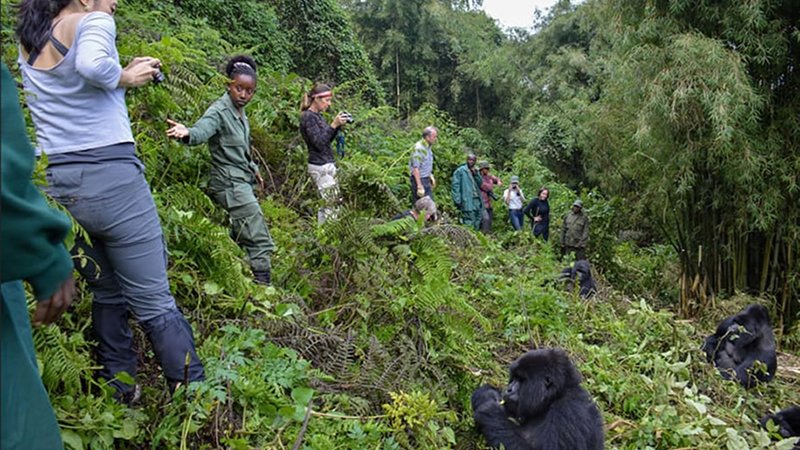
Your gorilla trekking day begins early at the park headquarters with a safety briefing from experienced rangers.
Groups are limited to 8 people per gorilla family to reduce stress on the animals.
The Trekking Experience
- Duration: 1 to 6 hours (depending on gorilla location)
- Terrain: Steep, muddy, dense forest
- Altitude: 1,200–2,600 meters
Expect to:
- Walk through thick rainforest
- Cross small streams
- Climb hills and navigate narrow trails
Is Gorilla Trekking in Uganda Worth It?
Absolutely — and here’s why.
Although the permit price may seem expensive, the value goes beyond tourism.
Your fees directly support:
- Gorilla conservation programs
- Anti-poaching patrols
- Local community development
- Forest protection initiatives
Beyond conservation, the emotional impact is unmatched. Locking eyes with a wild mountain gorilla in its natural habitat is a moment few people on Earth will ever experience.
For wildlife lovers, photographers, and adventure travelers, gorilla trekking in Uganda is 100% worth it.
Gorilla Trekking Rules & Etiquette
Protecting mountain gorillas is the top priority. All visitors must follow strict rules during the trek:
- Maintain a minimum distance of 7 meters from the gorillas at all times
- No flash photography
- Do not eat or drink near the gorillas
- Keep your voice low and movements slow and calm
- If a gorilla charges, do NOT run — follow your guide’s instructions
- Anyone feeling ill (cold, flu, COVID) must not trek — gorillas can catch human diseases
- Maximum 1 hour with the gorillas — strictly enforced
- No littering in the forest
How to Get to Bwindi Impenetrable Forest
Bwindi is located in southwestern Uganda, about 8–9 hours from Kampala by road.
By Road
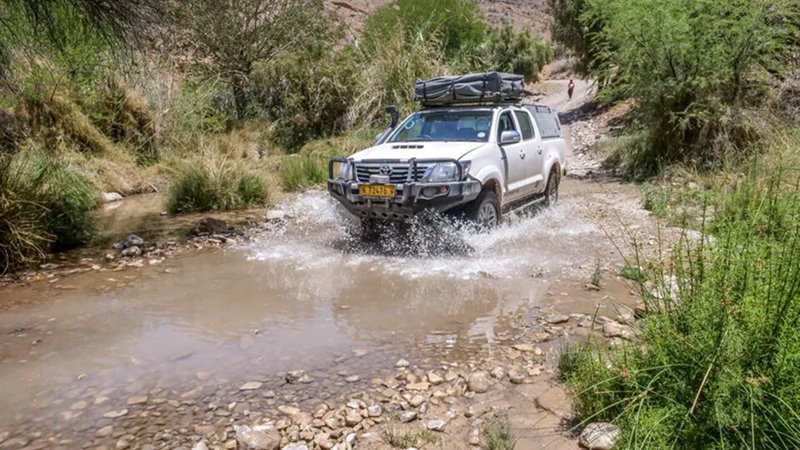
Drive via Mbarara from Kampala or Entebbe. The majority of the road is paved, but the final stretch can be rough — a 4WD vehicle is recommended.
By Flight
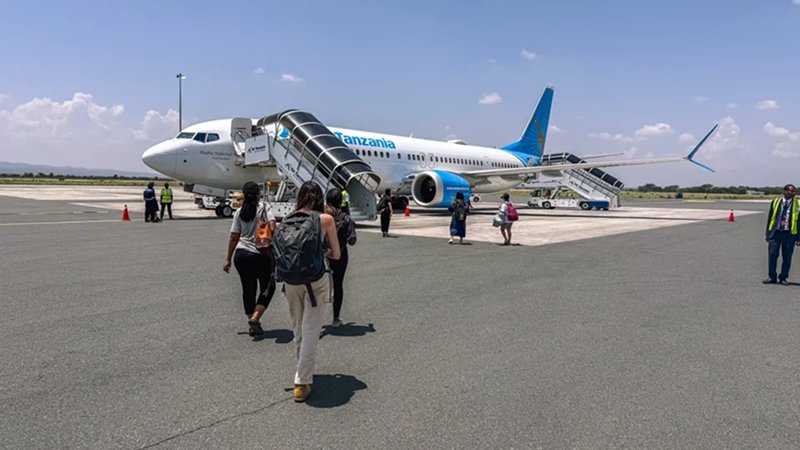
Charter or scheduled domestic flights operate from Entebbe or Kajjansi to Kihihi (near Buhoma sector) or Kisoro (near Rushaga and Nkuringo).
Flight time: Approximately 1 hour.
Flying reduces travel fatigue and offers scenic aerial views of Uganda’s rolling hills.
Final Thoughts
Gorilla trekking in Uganda is not just a safari — it is a life-changing encounter with one of the planet’s most endangered species.
From the misty rainforest of Bwindi Impenetrable National Park to the volcanic slopes of Mgahinga Gorilla National Park, Uganda delivers one of Africa’s most profound travel experiences.
If you seek adventure, wildlife, conservation impact, and unforgettable memories, gorilla trekking in Uganda should be at the very top of your Africa bucket list.