
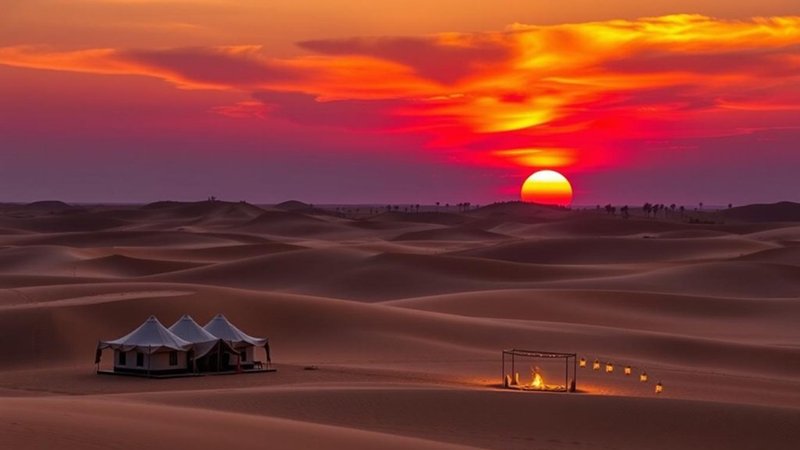
Oman is one of the most captivating destinations in the Middle East — a land of golden sand dunes, misty green mountains, turquoise wadis, ancient forts, and warm Arabian hospitality. Whether you dream of camping under the stars in Wahiba Sands or watching sea turtles nest at Ras Al Jinz, Oman delivers unforgettable experiences throughout the year.
But choosing the best time to visit Oman can dramatically change your travel experience. The right season means comfortable temperatures, ideal outdoor conditions, and the chance to witness unique cultural events. The wrong season could mean extreme heat or missed festival moments.
In this complete guide, you will find everything you need to know — Oman weather by month, travel seasons explained, top festivals, and region-by-region tips — to help you plan the perfect Oman trip in 2026.
Oman Weather Overview: Understanding the Climate
Oman has a predominantly hot desert climate, featuring scorching summers and mild, pleasant winters. However, weather varies significantly across the country’s diverse regions. Coastal cities like Muscat experience high humidity, inland desert areas like Wahiba Sands see extreme dry heat, mountain zones like Jebel Shams stay cooler year-round, and the southern region of Salalah enjoys a rare Arabian monsoon called the Khareef.
There are three main travel seasons in Oman:
- Winter (October to March)
- Summer (April to September)
- Khareef Season (July to September – Salalah region)
Understanding these seasons helps you decide the best season to visit Oman based on your travel style.
Winter (October to March) – Best Time to Visit Oman
Temperature: 17°C to 30°C
Best For: Sightseeing, Adventure, Beaches
Winter is universally regarded as the best time to visit Oman. Temperatures drop to comfortable levels across the country, skies are clear and sunny, and the entire range of Oman’s attractions become fully accessible. This is peak tourist season for very good reason.
During winter, you can explore:
- Wadi Shab for swimming and hiking
- Wahiba Sands for desert camping and dune bashing
- Nizwa Fort for cultural exploration
Beach lovers can enjoy dolphin watching tours, snorkeling, and boat trips along Oman’s stunning coastline. Desert safaris are also more comfortable during cooler evenings.
Because this is peak travel season, it’s recommended to book hotels and tours in advance.
Summer (April to September) – Off-Season for Most Regions
Temperature: 35°C to 45°C
Best For : Budget Travel, Mountain Escapes
Summer in Oman is intense. Temperatures in cities like Muscat and Nizwa regularly exceed 45°C, with coastal humidity making it feel even hotter. Outdoor sightseeing is genuinely difficult and potentially dangerous during peak afternoon hours.
However, summer offers advantages:
- Lower hotel rates
- Fewer tourists
- Resort discounts
Mountain destinations such as Jebel Shams provide slightly cooler temperatures, making them suitable for short escapes. If you are a budget traveler looking for the cheapest time to visit Oman, summer can offer great deals.
To manage the heat, plan activities early in the morning or late in the evening.
Khareef Season (July to September) – Salalah’s Green Monsoon
One of the most fascinating times to visit Oman is during the Khareef season in Salalah.
Temperature: 20°C to 28°C
Best For : Nature, Photography, Family Travel
While the rest of Oman bakes in summer heat, the southern city of Salalah undergoes a magical transformation. The Khareef — Oman’s unique Arabian monsoon — sweeps in from the Indian Ocean between June and September, bringing cool misty winds, light drizzle, and rolling green hillsides dotted with waterfalls.
Salalah during Khareef looks nothing like the rest of the Arabian Peninsula. Lush green landscapes stretch across the Dhofar mountains, frankincense trees bloom in the fog, and waterfalls cascade at Ayn Athum and Ayn Khor. Temperatures stay between a refreshing 20°C and 28°C — a welcome escape from the summer heat that draws visitors from across the GCC and beyond.
July and August are the peak Khareef months, coinciding perfectly with the Salalah Tourism Festival — one of Oman’s most vibrant cultural events.
Key highlights of Khareef season include green rolling landscapes and misty mountains unique to Arabia, flowing waterfalls and natural springs throughout Dhofar, blooming frankincense trees and wild tropical vegetation, the Salalah Tourism Festival with folk music, dance, camel races, and local markets, and refreshingly cool temperatures compared to the rest of the country.
Best Time to Visit Oman by Travel Interest
| Interest | Best Months | Why Go |
| Sightseeing & City Tours | November – February | Cool, dry, perfect weather |
| Desert Safari & Camping | October – February | Comfortable nights under the stars |
| Hiking & Trekking | November – March | Pleasant temps on mountain trails |
| Beach & Snorkeling | October – April | Calm seas, warm sunshine |
| Salalah Khareef (Monsoon) | July – August | Lush green landscapes & waterfalls |
| Turtle Watching | May – October | May – October |
| May – October | Jan, Jul–Aug, Nov | Muscat Festival, Salalah Festival |
| Muscat Festival, Salalah Festival | April & September | April & September |
Major Festivals & Events in Oman
Traveling during festivals can enhance your experience and help you connect with local culture.
Muscat Festival
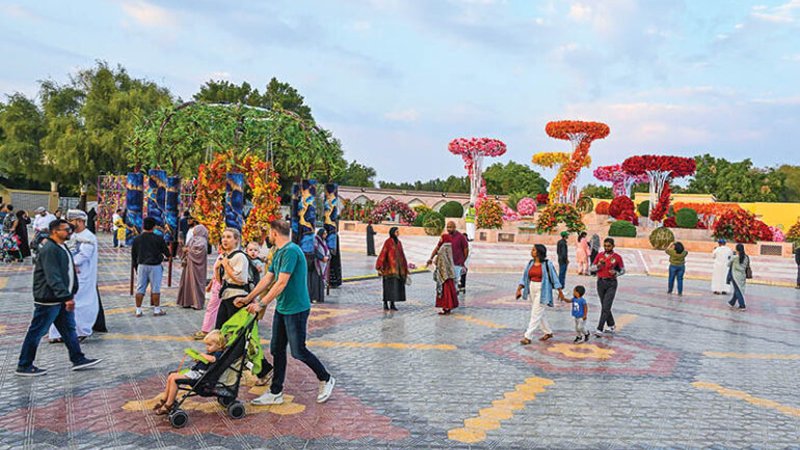
Held annually in Muscat, the Muscat Festival showcases Omani heritage, traditional music, handicrafts, camel races, and food stalls. It usually takes place during winter, making it the best time to visit Oman for cultural tourism.
The pleasant weather combined with cultural performances creates a lively atmosphere that attracts both locals and international travelers.
Salalah Tourism Festival
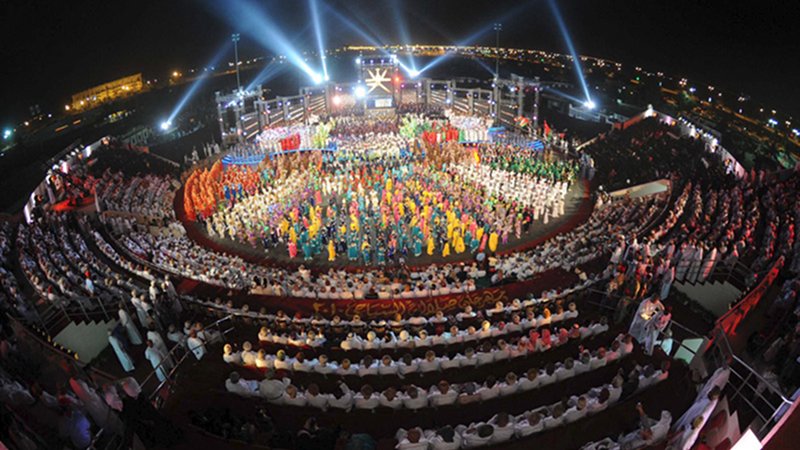
Organized during the Khareef season in Salalah, this festival celebrates the region’s greenery and culture. Visitors enjoy live performances, traditional dances, and local markets.
For families and nature enthusiasts, this period can be the best season to visit Oman for combining natural beauty with cultural festivities.
Oman National Day (November 18)
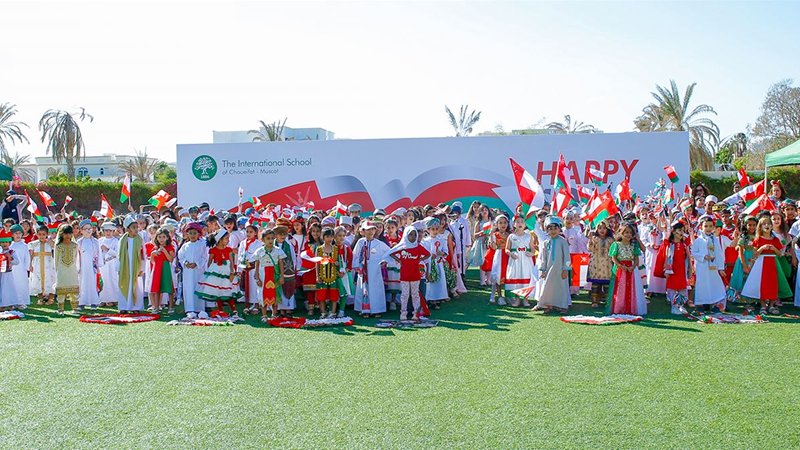
Oman National Day is celebrated across the country with fireworks, parades, and patriotic decorations. November weather is comfortable, making it an excellent time for sightseeing while experiencing national celebrations.
Eid Al-Fitr & Eid Al-Adha (Dates Vary)
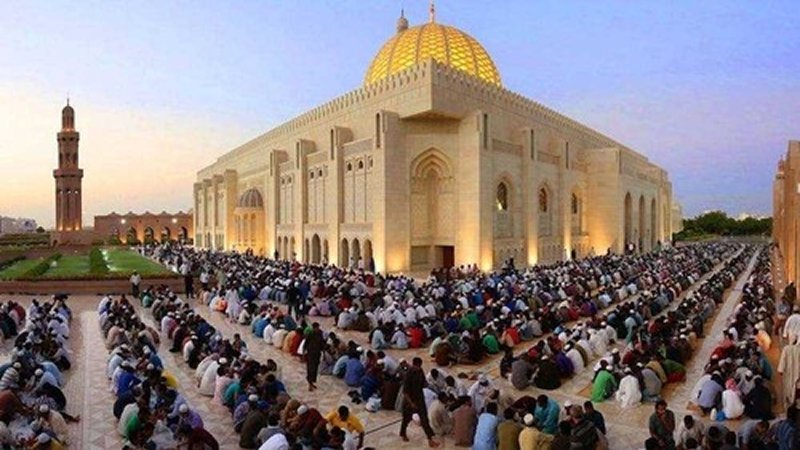
Both Eid celebrations bring a festive energy to Oman’s cities, souqs, and communities. Markets bustle with activity, families gather, and the country feels alive with warmth. Note that some tourist sites and restaurants may have reduced hours, so plan activities accordingly.
Turtle Nesting at Ras Al Jinz (May – October)
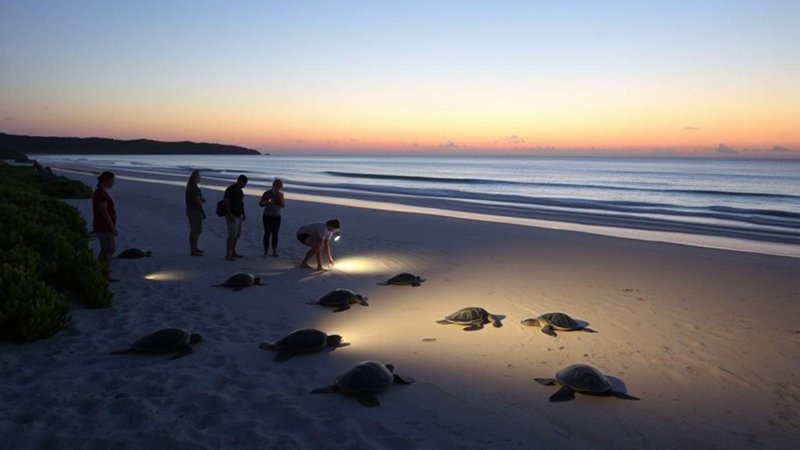
Not a festival, but an extraordinary natural event. The Ras Al Jinz Turtle Reserve is one of the most important nesting sites for endangered green sea turtles in the Indian Ocean. Guided night tours allow visitors to witness turtles coming ashore to nest and hatchlings making their journey to the sea. Peak season runs from May to October, with August being the prime hatching month.
Final Thoughts: When Is the Best Time to Visit Oman?
For most travelers, October to March is the best time to visit Oman due to pleasant temperatures and ideal sightseeing conditions. This period is perfect for desert adventures, beach holidays, and cultural exploration.
However, if you want a unique monsoon experience, July to September in Salalah offers a completely different side of Oman.
No matter when you travel, Oman welcomes visitors with breathtaking landscapes, rich traditions, and warm hospitality.