
Greece is one of the most breathtaking destinations on the planet — ancient ruins, crystal-clear Aegean waters, whitewashed villages, and some of the finest food in the world. But here’s the truth most travelers learn the hard way: when you visit Greece matters almost as much as where you go.
Visit in August and you’ll fight through crowds at every famous spot. Visit in February and half the islands will be shut down. Get the timing right, however, and you’ll experience Greece at its absolute finest — with better prices, fewer tourists, and golden light that makes every photo look like a postcard.
This complete guide breaks down every month of the year so you can choose the best time to visit Greece based on your travel style, budget, and must-have experiences.
Quick Overview: Greece Seasons at a Glance
| Season | Months | Crowd Level | Budget |
|---|---|---|---|
| Peak Summer | July – August | Very High | Expensive |
| Shoulder Season | May – June, Sept – Oct | Moderate | Moderate |
| Low Season | Nov – April | Low | Budget-Friendly |
Spring in Greece (March, April, May) — Best for Nature & Culture Lovers
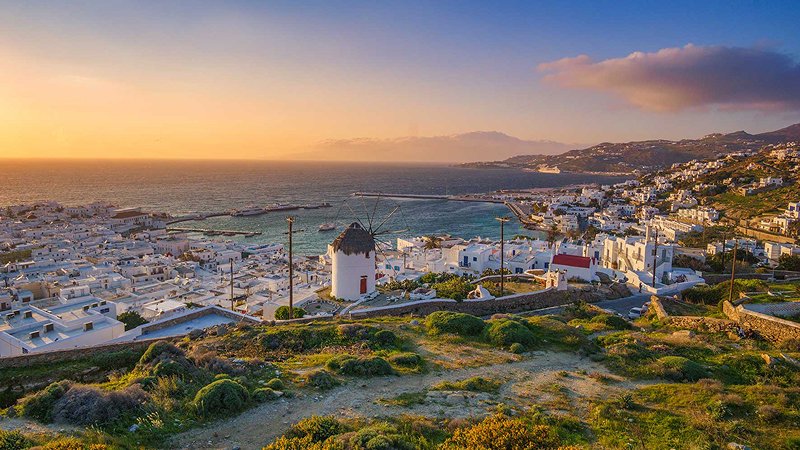
Spring is arguably the most underrated time to visit Greece. The landscapes turn lush and green, wildflowers carpet the hillsides, and the crowds that plague summer simply don’t exist yet.20
March
March is still transitional. Northern Greece and higher elevations can be cold, but Athens and the southern islands start warming up nicely. Average temperatures hover around 13–16°C (55–61°F). This is an excellent time to explore Athens, Thessaloniki, and ancient archaeological sites without queuing for an hour in sweltering heat.
Greek Orthodox Easter (which often falls in March or April) is one of the most extraordinary cultural events you can witness in Greece. Villages come alive with candlelit processions, fireworks, and lamb feasts. If you can align your trip with Greek Easter, do it — it’s a once-in-a-lifetime experience.
Best for: Athens sightseeing, cultural events, budget travelers
April
April sees temperatures rising to a comfortable 16–20°C (61–68°F). The islands start opening up, ferry schedules expand, and you can enjoy Santorini, Crete, and Rhodes without the midsummer madness. Hiking is absolutely spectacular in April — the Samaria Gorge in Crete typically opens, and trails on Naxos and Corfu are at their most beautiful.
Best for: Island hopping beginners, hikers, couples seeking romance without crowds
May
May is one of the single best months to visit Greece. Weather is warm and sunny — averaging 22–25°C (72–77°F) — the sea is swimmable in southern islands, and tourism hasn’t yet peaked. Hotels and flights are still reasonably priced compared to summer. Santorini glows, Mykonos has energy without chaos, and the food festivals begin popping up across the mainland.
Best for: Almost every type of traveler — this is peak shoulder season perfection
Summer in Greece (June, July, August) — Best for Beach Lovers
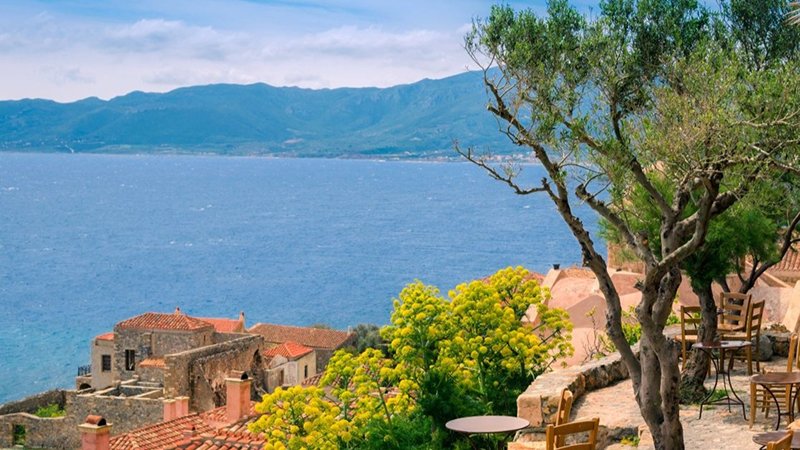
Summer is Greece’s most popular season, and it’s easy to see why. The skies are cloudless, the sea shimmers in impossible shades of blue, and the islands pulse with energy. But it comes at a cost — literally.
June
June offers the best of both worlds. The weather is hot and reliably sunny (26–30°C / 79–86°F), the sea has warmed up beautifully, and the massive August crowds haven’t yet descended. Early June especially still feels relaxed. This is the sweet spot for travelers who want full summer vibes without feeling like they’re queueing for a theme park.
Sunsets in Santorini in June are extraordinary. The famous Oia cliff-side is manageable, and you can still find a spot without having to arrive two hours early.
Best for: Beach holidays, island hopping, couples, first-time visitors
July
July is full peak season. Temperatures regularly reach 32–35°C (90–95°F), and in some years, the mercury pushes past 38°C. The Meltemi wind — a strong dry northerly — kicks in across the Aegean, which actually makes the heat bearable on many islands but can cause rough sea conditions and ferry disruptions.
Expect crowds everywhere popular. Santorini, Mykonos, and Rhodes are absolutely packed. Book everything — hotels, ferries, restaurant tables — months in advance. Prices are at their highest.
If you’re visiting in July, consider lesser-known islands like Milos, Sifnos, Folegandros, or Ikaria where the crowds thin out considerably and the authentic Greek character survives.
Best for: Beach lovers, party travelers, those who’ve already booked months ahead
August
August is the most intense month in Greece. It is also, for millions of travelers, the most magical. The islands are electric with energy, beach clubs are in full swing, and the social atmosphere is unbeatable if you enjoy lively destinations.
However, August 15th marks the Feast of the Assumption — a major national holiday — and Greeks travel domestically in enormous numbers. Ferries, beaches, and villages become extraordinarily busy, particularly in the Cyclades.
Budget travelers and those seeking peaceful exploration should avoid August entirely. But if you’re after the full, unapologetic Greek summer experience, this is it.
Best for: Nightlife seekers, beach club enthusiasts, festival-goers
Autumn in Greece (September, October, November) — Best Overall Season for Most Travelers

Ask any seasoned Greece traveler and most will tell you: September and October are the best months to visit Greece, full stop.
September
September is glorious. The sea is at its warmest — the Aegean reaches 24–26°C (75–79°F) — the summer crowds begin thinning after the first week, and the light takes on a golden, softer quality that photographers dream about. Temperatures on land drop from the brutal highs of August to a far more comfortable 26–28°C (79–82°F).
Hotels drop prices noticeably from mid-September, and you can often find excellent last-minute deals. Restaurants are still fully open, nightlife is still active, and ferry routes are running on full summer schedules.
This is genuinely the sweet spot for the Greek islands — all the beauty, far less of the chaos.
Best for: Couples, photographers, beach lovers, families with flexible schedules
October
October is the last hurrah of the Greek travel season. Early October still delivers warm, swimmable days and a wonderfully relaxed island atmosphere. By late October, the islands start quieting significantly and some hotels and restaurants begin closing for the winter.
The mainland, however, is absolutely stunning in October. Athens is comfortable at around 18–22°C (64–72°F), the ancient sites are not crowded, and the autumn colours on mainland mountains and in destinations like Meteora are breathtaking.
Best for: Mainland exploration, budget-conscious travelers, cultural tourism
November
November marks the beginning of low season. The Cyclades islands go very quiet — many establishments close — but Crete, Athens, Rhodes, and the Ionian islands (Corfu, Kefalonia, Zakynthos) remain pleasant and partially open.
This is a great month for travellers who prioritise history over beaches. The Acropolis Museum, Delphi, and Olympia are uncrowded, and you get a genuine sense of place without tourist infrastructure dominating every experience.
Best for: History buffs, solo travelers, off-the-beaten-path explorers
Winter in Greece (December, January, February) — Best for Budget & Authenticity
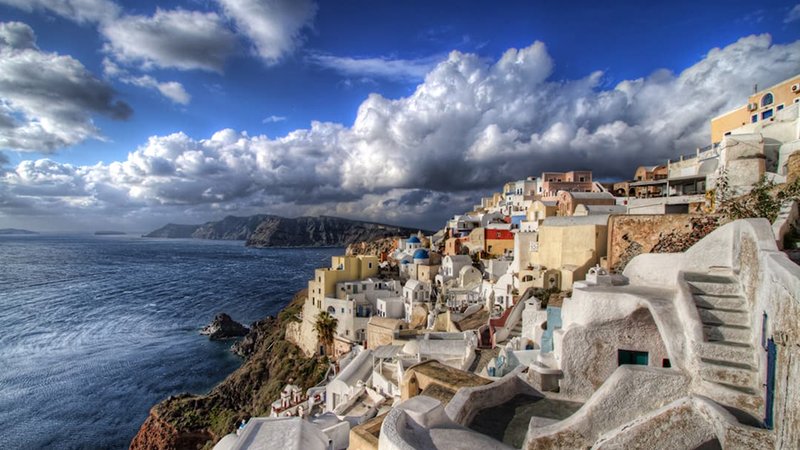
Winter is Greece’s best-kept secret for a certain type of traveller.
December
Christmas in Athens is genuinely charming. The city decorates beautifully, tavernas are cosy and packed with locals, and the cultural calendar — theatre, music, exhibitions — is at its richest. Temperatures in Athens average 12–14°C (54–57°F). The islands are very quiet, but if you want a completely peaceful escape, Crete and Rhodes offer mild winters with occasional sunny days.
Best for: City breaks, cultural travellers, Christmas atmosphere seekers
January & February
These are the quietest and cheapest months in Greece. Most island infrastructure is closed, but Athens, Thessaloniki, and Crete are very much alive. Prices for flights and accommodation hit their yearly lows, making this the best time for budget travelers to explore the mainland.
The Apokries Carnival season begins in late January or February — Greece’s version of Carnival features colourful parades, masquerade parties, and incredible street food. The carnival celebrations in Patras are world-famous and absolutely worth building a trip around.
Best for: Extreme budget travel, carnival festivals, authentic local life
Final Verdict: What Is the Best Time to Visit Greece?
For first-time visitors: May or June — warm, sunny, affordable, and not overcrowded.
For beach and island life: Late June or September — best weather meets manageable crowds.
For budget travel: November through March — dramatically lower prices on mainland destinations.
For culture and history: Spring or Autumn — comfortable temperatures and empty ancient sites.
For the full Greek summer experience: July or August — just book everything months in advance and embrace the energy.
Greece is a destination that rewards whenever you choose to go. There is no bad time to visit — only a better-informed time. Use this guide to match your personal travel style to the right season, and Greece will absolutely deliver.