
Malaysia is one of Asia’s greatest food destinations — a vibrant melting pot where Malay, Chinese, Indian, and indigenous Bornean flavors come together on one plate. Whether you’re exploring the hawker stalls of Penang or the night markets of Kuala Lumpur, this traditional Malaysian food guide will make sure you never miss a bite.
Malaysia’s food scene is unlike anything else in Southeast Asia. The country sits at a historic crossroads of trade routes, and this geographical and cultural position has given birth to one of the most diverse, bold, and unforgettable culinary traditions in the world. Traditional Malaysian food is a proud blend of three major ethnic influences — Malay, Chinese, and Indian — layered with the incredible indigenous food cultures of Sabah and Sarawak in Malaysian Borneo.
Whether you’re planning your first trip to Malaysia or you’re a seasoned traveler looking to eat deeper into the culture, this comprehensive traditional Malaysian food guide covers the 10 most iconic dishes, their origins, where to find them, and insider tips to make every meal count.
Why Traditional Malaysian Food Is Unique
Malaysian cuisine is celebrated for its diversity and bold flavors. The food culture reflects centuries of migration and trade, bringing together different cooking techniques and ingredients.
Key elements of Malaysian cuisine include:
- Aromatic spices like lemongrass and turmeric
- Coconut milk-based curries
- Fresh seafood and tropical ingredients
- A balance of sweet, spicy, sour, and savory flavors
This culinary fusion makes Malaysia one of Asia’s most exciting food destinations.
The Heart of Malaysian Food Culture
Before diving into the dishes, it’s important to understand what makes Malaysian food so special. The country’s food identity is shaped by its three major communities — the Malays, the Chinese, and the Indians — who have lived side by side for centuries, borrowing ingredients and techniques from each other while proudly preserving their own culinary traditions.
This means that in a single Malaysian city, you can walk down one street and eat a fragrant Malay curry for breakfast, a plate of Chinese Char Kway Teow for lunch, and an Indian banana-leaf rice for dinner. The sheer variety is staggering — and that’s before you even get into the unique food cultures of Sabah and Sarawak.
The cornerstone of traditional Malaysian food is the use of fresh aromatics: lemongrass, galangal, turmeric, pandan, belacan (shrimp paste), coconut milk, and an endless variety of fresh chilies. These ingredients create the deep, layered flavors that make Malaysian cooking so distinctive and addictive.
10 Traditional Malaysian Dishes You Must Try
Nasi Lemak — Malaysia’s National Dish
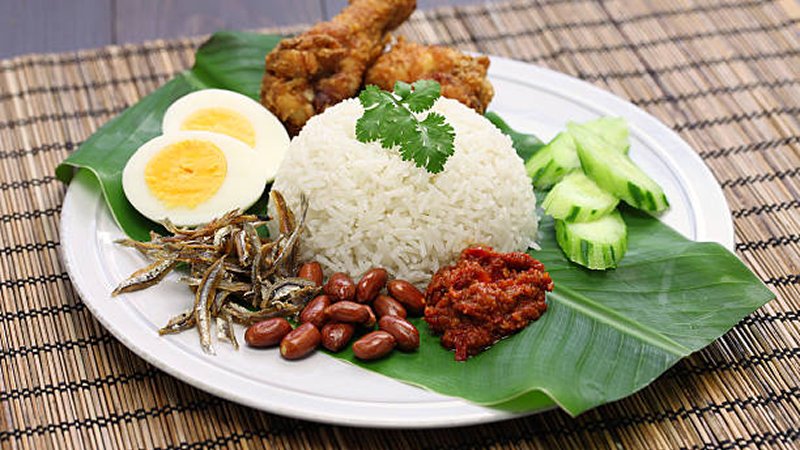
No traditional Malaysian food guide would be complete without starting with Nasi Lemak — the undisputed national dish of Malaysia. The name translates to “rich rice” or “fatty rice,” a nod to the creamy coconut milk that the rice is steamed in, often with pandan leaves for fragrance.
A classic Nasi Lemak is served with crispy fried anchovies (ikan bilis), roasted peanuts, half a hard-boiled egg, sliced cucumber, and most importantly — a generous portion of sambal, a spicy, sweet, and tangy chili paste that ties the whole dish together. Premium versions include fried chicken, rendang beef, or sambal sotong (squid).
Where to Eat: Village Park Restaurant (Damansara Uptown, KL) is legendary for their fried chicken Nasi Lemak. For budget street-style, look for the iconic blue plastic bags at any morning hawker stall across Malaysia.
Rendang — The King of Malaysian Curries
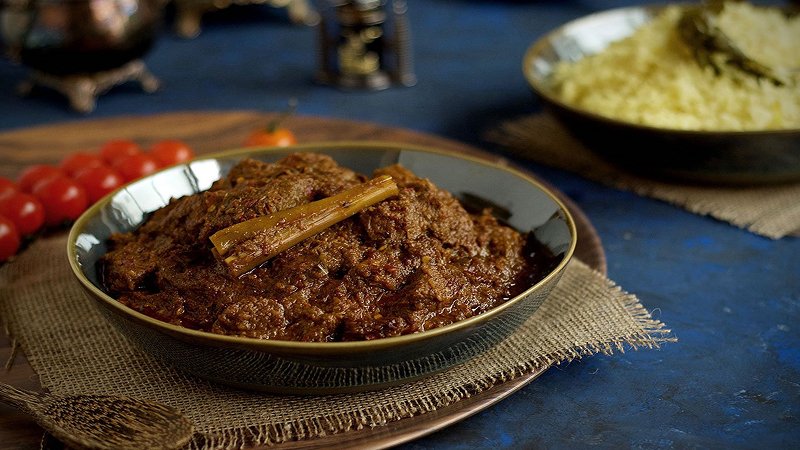
Rendang is arguably the most complex and labor-intensive dish in Malaysian cuisine — and every bite is worth it. This slow-cooked dry curry is made by simmering meat (usually beef or chicken) in coconut milk and an elaborate spice paste of lemongrass, galangal, turmeric, and chilies until almost all the liquid has evaporated and the meat is deeply caramelized in its own rich, aromatic coating.
True Rendang can take 4–6 hours to prepare. The result is intensely flavored, fork-tender meat with a dark, almost caramelized exterior. It’s a festive dish, traditionally prepared for Eid (Hari Raya) celebrations, but you’ll find it served year-round in restaurants and hawker stalls.
Where to Eat: Order Rendang Tok at any Perak-style restaurant for the driest, most intensely flavored version. In KL, Seri Melayu Restaurant serves an exceptional traditional Rendang.
Char Kway Teow — Smoky Wok-Fried Noodles
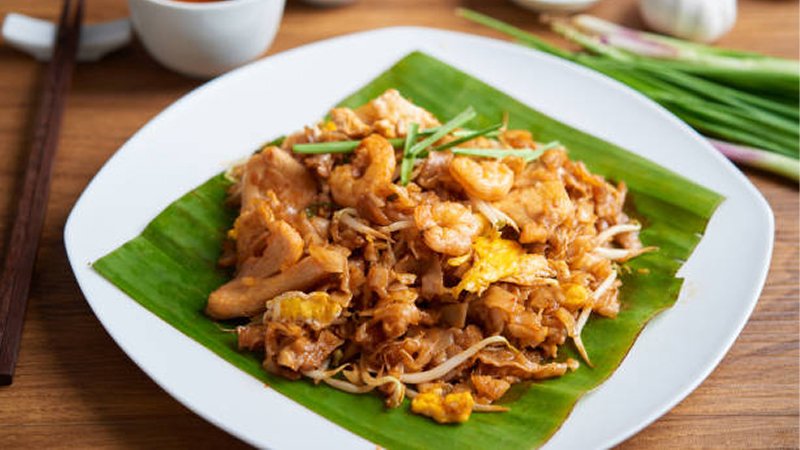
Char Kway Teow (literally “stir-fried rice cake strips”) is the dish that put Penang on the global food map. Flat rice noodles are tossed in a screaming-hot wok with Chinese sausage (lap cheong), fresh cockles, bean sprouts, eggs, and dark soy sauce over furious flames to achieve the coveted “wok hei” — the smoky, slightly charred flavor that no home kitchen can replicate.
The best Char Kway Teow is slightly charred at the edges, glistening with lard, and packed with plump, fresh cockles. It’s rich, smoky, slightly sweet, and deeply satisfying — one of the most iconic traditional Malaysian food experiences you can have.
Where to Eat: Siam Road Char Kway Teow (Penang) — arrive early, the queue can be an hour long. Worth every minute.
Laksa — Two Iconic Styles
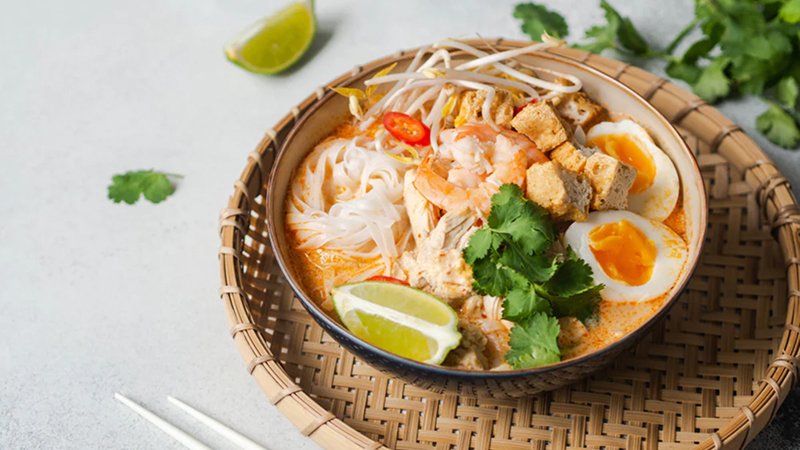
Laksa comes in many regional varieties, but two reign supreme in Malaysia. Penang Assam Laksa is a tangy, sour fish-based broth made with mackerel, tamarind, lemongrass, and a paste of shrimp (hae ko) — bold, funky, and fiercely addictive. Curry Laksa (common in KL) is a rich, coconut milk-based curry soup with tofu puffs, cockles, and shrimp — creamy and warming.
Both versions feature thick rice noodles and a rainbow of toppings. Penang Assam Laksa was voted one of CNN’s Top 50 Most Delicious Foods in the World — and for good reason.
Where to Eat: Air Itam Laksa in Penang for Assam Laksa. For Curry Laksa in KL, try Petaling Street area hawker stalls.
Roti Canai — Flaky Flatbread Perfection
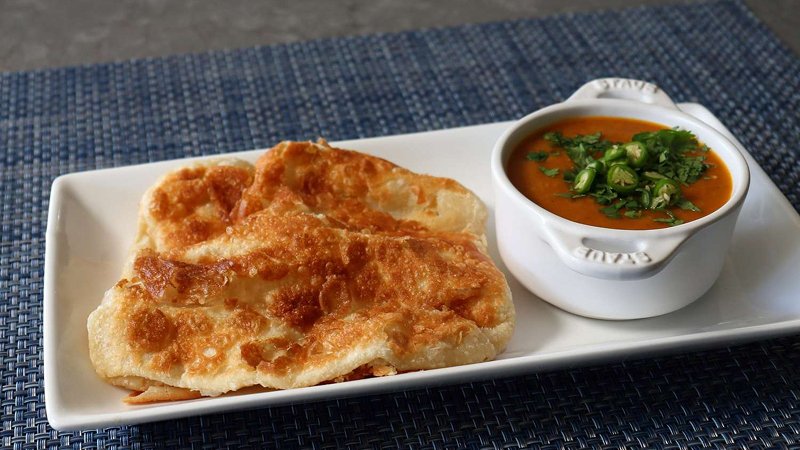
Roti Canai is the beloved flatbread that greets millions of Malaysians every single morning. A ball of buttery, laminated dough is expertly flipped, stretched, and slapped on a hot griddle until it’s golden, flaky on the outside, and pillowy soft on the inside. It’s served with dhal (lentil curry), fish curry, and sambal for dipping.
Watching a skilled Mamak cook flip and stretch the dough is a performance in itself. The variations are endless — Roti Telur (with egg), Roti Pisang (with banana), Roti Tissue (paper-thin and crispy), and more.
Where to Eat: Any Mamak (Indian-Muslim) restaurant, open 24 hours. Pelita and Devi’s Corner in KL are famous choices. Price: from RM1.50 per piece.
Satay — Grilled Skewers with Peanut Sauce
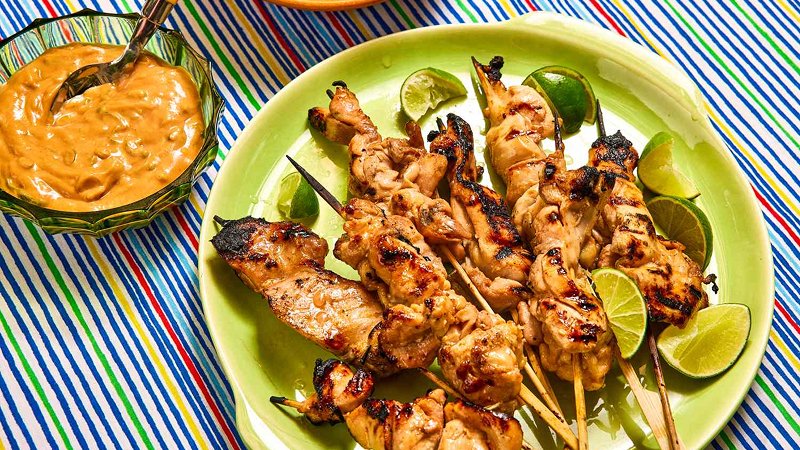
Satay is one of Malaysia’s most recognizable street foods — skewers of marinated chicken or beef, grilled over charcoal until lightly charred and smoky, then dipped into a rich, slightly sweet peanut sauce. They’re served with compressed rice (ketupat), fresh cucumber, and red onions.
Kajang Satay, from the town of Kajang near KL, is considered the gold standard — larger, juicier, and with a more complex marinade than standard satay. Malaysian satay stands apart from its Thai or Indonesian counterparts for its distinct sweetness and the quality of its peanut sauce.
Where to Eat: Sate Kajang Hj. Samuri (multiple outlets in KL area). Also excellent at Jalan Haji Taib night stalls in KL.
Nasi Kerabu — Blue Rice Feast
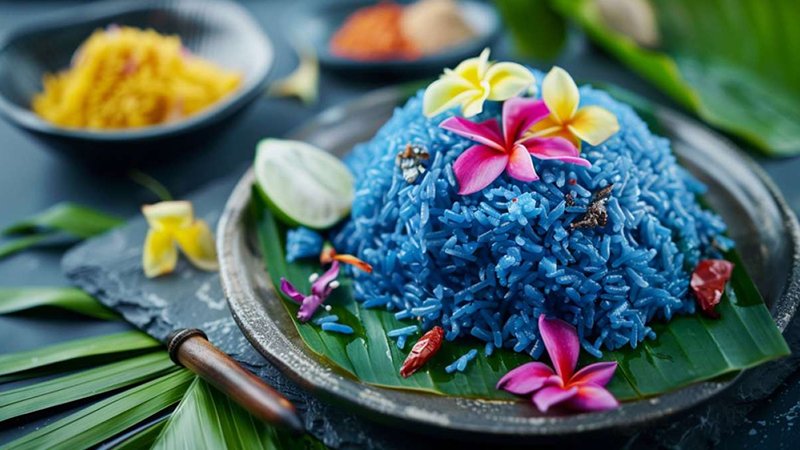
Nasi Kerabu is one of Malaysia’s most visually stunning traditional dishes — and one of its best-kept secrets. The rice is dyed a vivid blue-purple color using butterfly pea flower (bunga telang), giving it a dramatic appearance that surprises first-time visitors.
It’s served cold or at room temperature with an array of accompaniments: salted egg, fried fish, budu (fermented anchovy sauce), fresh herbs, coconut, and keropok (fish crackers). The combination of textures and flavors — fragrant rice, umami budu, crispy keropok, and fresh herbs — is a revelation.
Where to Eat: Kelantan and Terengganu are the heartland. In KL, look for it at Restoran Kelantan Delights or the Chow Kit wet market area.
Bak Kut Teh — Herbal Pork Rib Soup
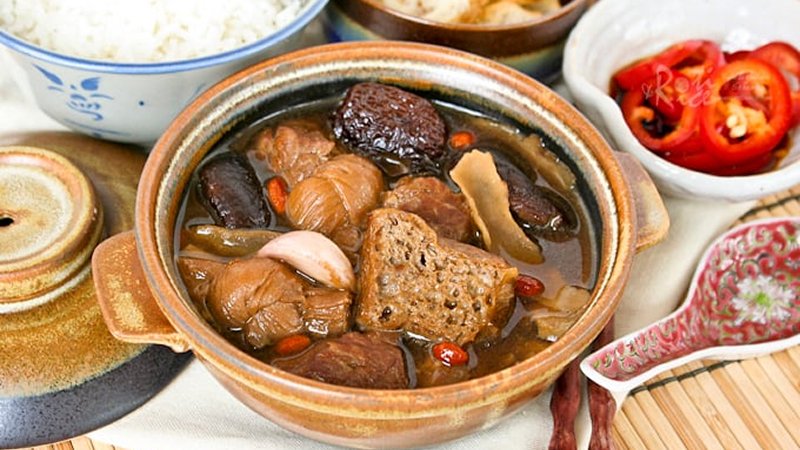
Bak Kut Teh (literally “meat bone tea”) is a beloved Chinese-Malaysian dish of pork ribs simmered for hours in a rich broth of garlic, soy sauce, pepper, star anise, cloves, and various Chinese medicinal herbs. The result is a deeply savory, slightly herbal soup that is extraordinarily comforting.
The town of Klang in Selangor is considered the spiritual home of Bak Kut Teh, and locals there will passionately argue that their version — dark, complex, and herb-forward — is the definitive one. It’s traditionally eaten for breakfast with rice and you tiao (Chinese fried dough sticks) for dipping.
Where to Eat: Klang’s Restoran Bee Huat or Teluk Pulai area for authentic Klang-style BKT. In KL, Old Town BKT at Jalan Ipoh is excellent.
Banana Leaf Rice — A Feast on a Leaf
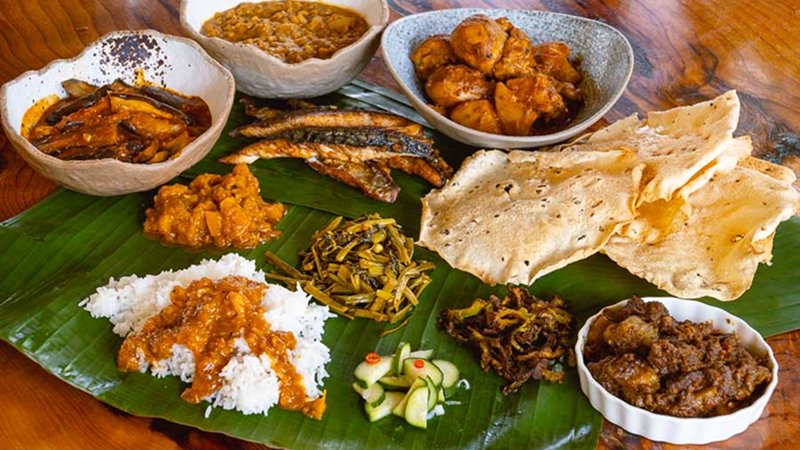
Banana Leaf Rice is the South Indian-Malaysian tradition of serving a generous meal on a fresh banana leaf instead of a plate. A mound of white rice is placed in the center, surrounded by an ever-replenished array of curries, chutneys, papadums, pickles, and vegetable side dishes.
The banana leaf imparts a subtle herbal fragrance to the food. When you’re done eating, fold the leaf inward (toward you) to signal satisfaction — folding it outward is considered impolite! Eating with your right hand is the traditional way.
Where to Eat: Brickfields (Little India, KL) is packed with excellent banana leaf restaurants. Visalachi Restaurant and Sri Nirwana Maju are local favorites. Expect to pay RM10–RM20 for a full spread.
Nyonya Cuisine — The Peranakan Fusion Tradition
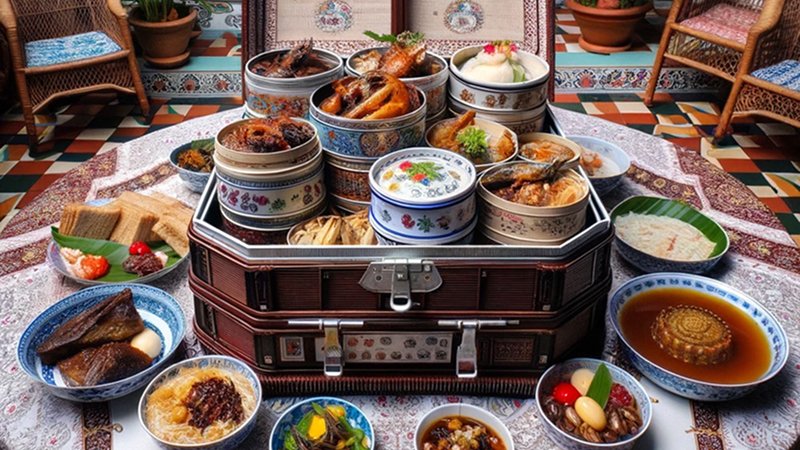
Nyonya cuisine (also called Peranakan food) is the extraordinary culinary tradition of the Straits-born Chinese — descendants of Chinese immigrants who settled in Melaka and Penang centuries ago and married local Malay women. The result is a cuisine that blends Chinese cooking techniques with Malay spices and aromatics in endlessly inventive ways.
Must-try Nyonya dishes include Ayam Pongteh (chicken in fermented bean paste), Inchi Kabin (Nyonya fried chicken), Perut Ikan (fermented fish stomach curry), and the legendary Nyonya Laksa of Melaka. Nyonya kuih (traditional sweets and cakes) are also extraordinary — layered, colorful, and delicately flavored.
Where to Eat: Melaka’s Jonker Street area has numerous excellent Nyonya restaurants. Nancy’s Kitchen and Baba Charlie are local institutions.
Best Places to Try Traditional Malaysian Food
To experience authentic Malaysian cuisine, visit famous food destinations such as:
- Kuala Lumpur – night markets and street food stalls
- George Town – Malaysia’s street food capital
- Malacca – traditional Peranakan cuisine
These cities offer some of the most delicious food experiences in the country.
Best Time to Visit Malaysia for Food
Malaysia’s food scene is vibrant year-round, but there are specific times when the food experience reaches extraordinary levels:
Ramadan Month (moveable Islamic calendar): The Ramadan Bazaar is Malaysia’s greatest food festival. Every evening at sunset, thousands of stalls open across the country selling traditional Malay dishes that are rarely available at other times of year — from Bubur Lambuk (porridge) to Ayam Golek (roasted chicken) and an endless variety of traditional kuih.
Chinese New Year (January/February): Chinese-Malaysian food culture comes alive with festive dishes like Yee Sang (prosperity salad), Nian Gao (glutinous rice cake), and Lou Sang tossing rituals.
Hari Raya / Eid (moveable Islamic calendar): The best time to taste authentic Rendang, Ketupat, Lemang, and Serunding — dishes prepared with extraordinary care for the celebration.
George Town Festival (July, Penang): Penang’s annual arts and culture festival features incredible food events showcasing traditional Penang and Peranakan cuisine.
Final Thoughts: Why Traditional Malaysian Food Will Change You
Traditional Malaysian food is not just sustenance — it’s a living, breathing expression of a country’s extraordinary multicultural soul. Every dish carries centuries of history, migration, trade, and the deeply human impulse to share something delicious with a stranger.
From the fiery tanginess of Penang’s Assam Laksa to the slow, meditative richness of a proper Rendang, from the morning ritual of Roti Canai at a Mamak stall to the visual spectacle of blue Nasi Kerabu — Malaysian food rewards the curious, the adventurous, and the hungry.
Use this traditional Malaysian food guide as your compass, but let your nose, your instincts, and the nearest queue of locals lead you to the next unforgettable meal. In Malaysia, the best food is always just around the corner.