Have you ever dreamed of watching a pride of lions hunt at sunrise while the African sky turns gold and crimson? Or sitting in complete silence as a massive elephant herd crosses the road just a few feet from your vehicle?
That dream has a name — Kruger National Park.
Stretching across nearly 2 million hectares in northeastern South Africa, Kruger National Park is not just a game reserve — it is a living, breathing wilderness that has humbled explorers, photographers, and nature lovers for over a century. It is Africa’s most visited national park, one of the continent’s largest game reserves, and home to the legendary Big Five — lion, leopard, elephant, rhino, and buffalo.
Whether you are planning your very first safari or returning for another unforgettable adventure, this Kruger National Park safari guide gives you everything — best time to visit, what animals to expect, self-drive vs guided tour, top camps, real costs, safety tips, and a complete packing list.
What Makes Kruger National Park So Special?
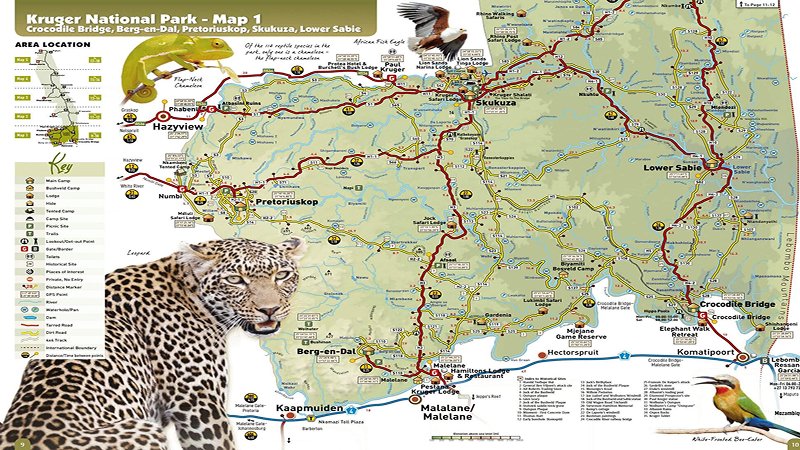
Kruger is not just another game reserve. It is in a league of its own — and here is why millions of travelers choose it every year:
Unmatched Wildlife Density Kruger is home to 147 mammal species, 507 bird species, 114 reptile species, and over 1,800 plant species. The Big Five roam freely across its vast plains, making sightings more consistent than almost anywhere else in Africa.
Self-Drive Freedom Unlike many African safari destinations where you must book expensive guided game drives, Kruger allows visitors to self-drive through the park in their own vehicle. This makes it one of the most accessible and affordable safari experiences in the world.
World-Class Infrastructure With 12 main rest camps, 15+ bushveld camps, private concessions, paved roads, and modern amenities, Kruger is perfectly designed for independent travelers. You do not need an expensive tour package to have a five-star safari experience here.
Accessible Location Kruger is just a 5–6 hour drive from Johannesburg — making it easy to combine with a city visit, wine tour, or Cape Town trip.
Best Time to Visit Kruger National Park
Choosing the right time to visit Kruger can make the difference between an average trip and an extraordinary one. Here is a complete seasonal breakdown:
Dry Season — May to September (Best for Game Viewing)
The dry season is hands-down the best time to visit Kruger National Park for wildlife sightings. Vegetation thins out, water sources dry up, and animals are forced to gather at rivers and waterholes — making them far easier to spot.
- Temperature: 10°C–25°C (cool mornings, warm afternoons)
- Rainfall: Very low
- Wildlife viewing: Excellent — best Big Five sightings
- Crowds: Moderate (higher during South African school holidays in June–July)
- Malaria risk: Lower
Best months: June & July — perfect balance of great game viewing, comfortable temperatures, and manageable crowds.
Wet Season — October to April (Best for Birds & Baby Animals)
The wet season transforms Kruger into a lush green paradise. While thick vegetation makes spotting animals harder, this season has its own unique magic.
- Temperature: 25°C–40°C (hot and humid)
- Rainfall: Frequent afternoon thunderstorms
- Wildlife viewing: Moderate — harder to spot animals in dense bush
- Highlight: Baby animals (October–December), exceptional birdwatching (November–January)
- Malaria risk: Higher — take prophylaxis
Best months: November & December — newborn animals, dramatic skies, fewer tourists, lower accommodation prices.
Quick Season Summary
| Month | Season | Game Viewing | Crowds | Cost |
| Jan – Feb | Wet | Moderate | Low | Budget |
| Mar – Apr | Wet | Moderate | Low | Budget |
| May | Dry starts | Good | Low | Mid |
| Jun – Jul | Peak Dry | Excellent | High | Peak |
| Aug – Sep | Dry | Excellent | Medium | Mid-High |
| Oct – Nov | Wet starts | Good | Low | Budget |
| Dec | Wet | Moderate | High | Peak |
The Big Five — What Animals Will You See in Kruger?
The term “Big Five” originally referred to the five most dangerous animals to hunt on foot in Africa. Today it simply represents the five most sought-after wildlife sightings on any safari. Kruger is one of the best places in the world to see all five.
Lion
Kruger has an estimated 1,600–1,800 lions making it one of the best lion-viewing destinations in Africa. Lions are most active during early morning and late afternoon. The Satara and Skukuza areas are famous for consistent lion sightings.
Leopard
The most elusive of the Big Five. Leopards are solitary, nocturnal, and masters of camouflage. Your best chance of spotting one is at dusk or dawn near rocky outcrops and riverine bush. The area around Skukuza, Lower Sabie, and Olifants is known for leopard activity.
Elephant
With over 20,000 elephants, Kruger has one of the largest elephant populations in the world. You will almost certainly encounter elephants — often in large herds crossing roads, drinking at rivers, or feeding in the bush. The Letaba and Shingwedzi areas in the north are especially famous for elephants.
White Rhino
Kruger is a critical stronghold for the endangered white rhino. Southern Kruger — particularly around Pretoriuskop and Skukuza — offers the best rhino sightings. Early morning game drives give you the highest chance of spotting them at waterholes.
Buffalo
African buffalo are one of the most common sightings in Kruger, often seen in massive herds of hundreds. They are frequently spotted near rivers and waterholes during midday. The Sabie River corridor and central plains are buffalo hotspots.
Self-Drive Safari vs. Guided Tour — Which Should You Choose?
This is the most common question first-time Kruger visitors ask. Both options offer incredible experiences — but they suit different types of travelers.
Self-Drive Safari
A self-drive safari means renting a car, paying the park entrance fee, and exploring Kruger entirely on your own terms.
Why choose self-drive
- Complete freedom — stop, wait, and explore at your own pace
- Significantly more affordable than guided tours
- Highly rewarding and personal experience
- Suitable for solo travelers, couples, and families
Things to keep in mind
- You are responsible for navigation and route planning
- No expert guide to help locate or identify animals
- Must strictly follow park rules (no off-road driving, no getting out of the vehicle)
Guided Safari (Lodge-Based)
A guided safari means staying at a private lodge inside or bordering Kruger, with expert rangers leading open-vehicle game drives twice daily.
Why choose guided
- Expert rangers with years of animal tracking experience
- Open 4×4 vehicles give far better visibility and photography angles
- Off-road driving allowed in private concessions
- All-inclusive (meals, drives, accommodation, transfers)
Things to keep in mind
- Significantly more expensive
- Less flexibility in schedule and route
Conclusion — Is Kruger National Park Worth It?
Absolutely — without question.
Kruger National Park is one of those rare places in the world that genuinely lives up to the hype. The sheer scale of the wildlife, the raw beauty of the African bush, and the thrill of a completely unpredictable encounter with nature make every single visit unique and unforgettable.
Whether you spend three days on a budget self-drive or two weeks in a luxury private lodge, Kruger will change the way you see the natural world. It is humbling, exhilarating, peaceful, and thrilling — often all within the same afternoon game drive.
Start planning your Kruger safari today. The African wilderness is waiting — and trust us, it will not disappoint.