
Festivals in Bhutan are not just cultural events—they are spiritual gatherings that reflect the country’s deep-rooted Buddhist values and strong sense of community. Known collectively as Tshechus, these celebrations combine sacred rituals, masked dances, music, and social interaction. Held in monasteries, dzongs, and village courtyards, festivals are one of the best ways to experience Bhutan’s living heritage and timeless traditions.
Tips for Visitors Attending Bhutanese Festivals
- Dress modestly and respectfully
- Arrive early for better viewing spots
- Ask permission before photographing monks or rituals
- Follow local customs and avoid interrupting performances
What Are Tshechus?
Tshechus are annual religious festivals celebrated on specific dates determined by the Bhutanese lunar calendar. The term Tshechu translates to “tenth day,” commemorating the day when Guru Rinpoche (Padmasambhava) manifested in different forms to spread Vajrayana Buddhism across the Himalayas. Each district in Bhutan hosts at least one Tshechu every year, making festivals an integral part of Bhutanese life.
Spiritual Importance of Bhutanese Festivals
Cham Dances: Sacred Mask Performances
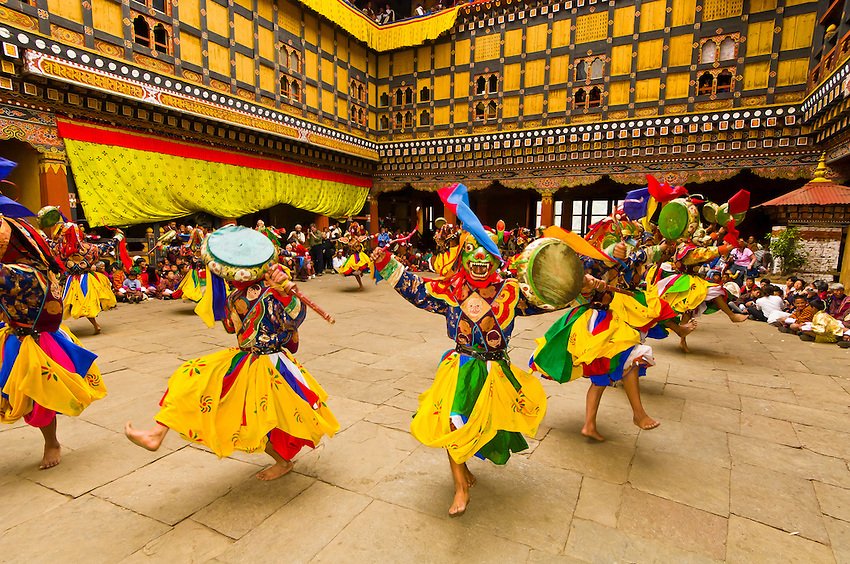
The core of every Tshechu is the Cham dance—a ritual performance carried out by monks or trained dancers wearing elaborate masks and brocade costumes. These dances depict stories of Buddhist teachings, protector deities, and the victory of good over evil. Bhutanese people believe that watching Cham dances purifies sins, removes obstacles, and brings blessings.
Religious Merit and Blessings
Attending a Tshechu is considered an act of devotion. Locals travel long distances to witness these festivals, believing that participation earns spiritual merit for this life and the next. Monks perform prayers and rituals throughout the festival to bless the land and its people.
Major Tshechus You Should Experience
Paro Tshechu
Held in Paro, Paro Tshechu is one of the most iconic festivals in Bhutan. The highlight is the unveiling of the Thongdrel, a massive embroidered scroll depicting Guru Rinpoche. Displayed only once a year, viewing the Thongdrel is believed to cleanse sins and bring good fortune.
Thimphu Tshechu
Celebrated in Thimphu, this is the largest Tshechu in the country. Thousands gather at the Thimphu Dzong to witness vibrant mask dances, traditional music, and rituals. The festival also serves as a major social event where families reunite and locals showcase their finest traditional attire.
Punakha Tshechu
Punakha Tshechu is known for its historical significance and dramatic reenactments. One of its unique features is a ceremonial procession that commemorates Bhutan’s victory over Tibetan forces in the 17th century, blending history with spiritual celebration.
Traditional Dress and Festival Atmosphere
Bhutanese Attire During Festivals
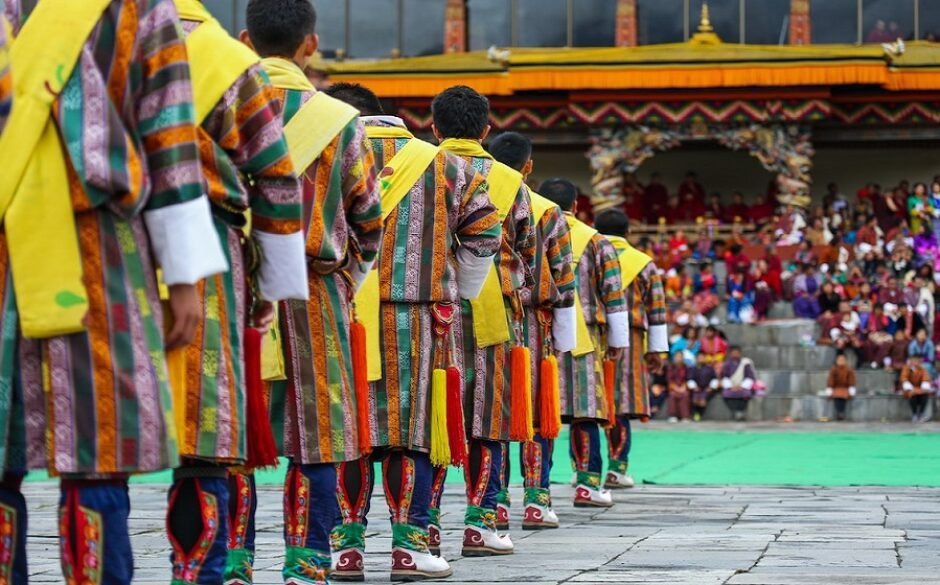
Festivals are occasions for Bhutanese people to wear their best traditional clothing. Men wear the gho, a knee-length robe, while women dress in the elegant kira. These garments are often paired with handwoven scarves, silver jewelry, and colorful accessories, adding to the visual richness of the celebrations.
A Social and Cultural Gathering
Beyond religious significance, Tshechus are social events. Families picnic together, friends catch up, and villagers exchange stories. Markets and food stalls often appear around festival grounds, creating a joyful and welcoming atmosphere.
Local and Seasonal Festivals Beyond Tshechus
Village and Harvest Festivals
Smaller village festivals celebrate harvest seasons, local deities, and community blessings. These intimate gatherings offer travelers a chance to witness authentic rural traditions and local customs.
Nature and Cultural Festivals
Bhutan also hosts unique festivals such as the Black-Necked Crane Festival, which celebrates the arrival of endangered cranes and highlights Bhutan’s commitment to environmental conservation and cultural preservation.
Music, Instruments, and Rituals
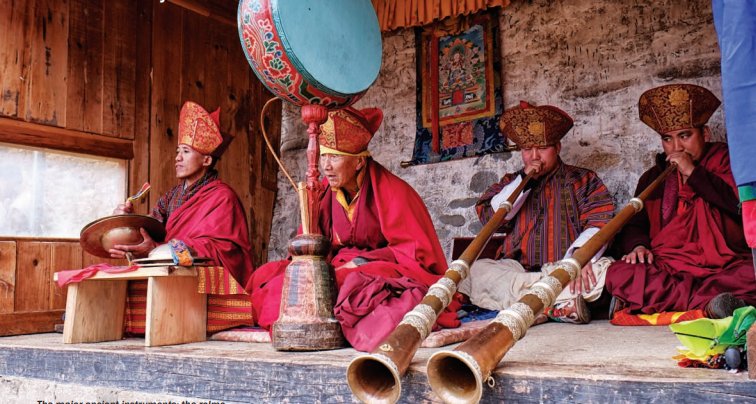
Traditional instruments such as drums, cymbals, and long ceremonial horns accompany festival dances. The rhythmic beats and chanting create a powerful spiritual ambiance. Rituals may include symbolic offerings, fire ceremonies, and blessings performed by senior monks.
Best Time to Visit Bhutan for Festivals
Ideal Festival Seasons
Most major Tshechus take place between March and October. Spring and autumn are particularly popular due to pleasant weather and the number of large festivals scheduled during these seasons.
Planning Ahead
Festival dates vary each year based on the lunar calendar, so travelers are advised to plan early. Accommodations and flights often fill up quickly during major Tshechus.