Turkey is a country that feels like a meeting point of worlds. It does not reveal itself through a single landmark or moment, but through contrasts that unfold gradually — ancient ruins beside modern cities, quiet coastal villages near vibrant bazaars, and landscapes that shift from mountains to sea within hours. Traveling through Turkey is less about moving from place to place and more about experiencing how history and daily life coexist seamlessly.
A journey across Turkey often begins in Istanbul, where continents meet and centuries overlap. From there, the fairy chimneys of Cappadocia, the white terraces of Pamukkale, and the turquoise shores of Antalya reveal a country shaped by both nature and civilization. Each transition invites travelers to slow down, observe, and absorb the layered rhythms of Turkish culture.
Where History Breathes in Everyday Life
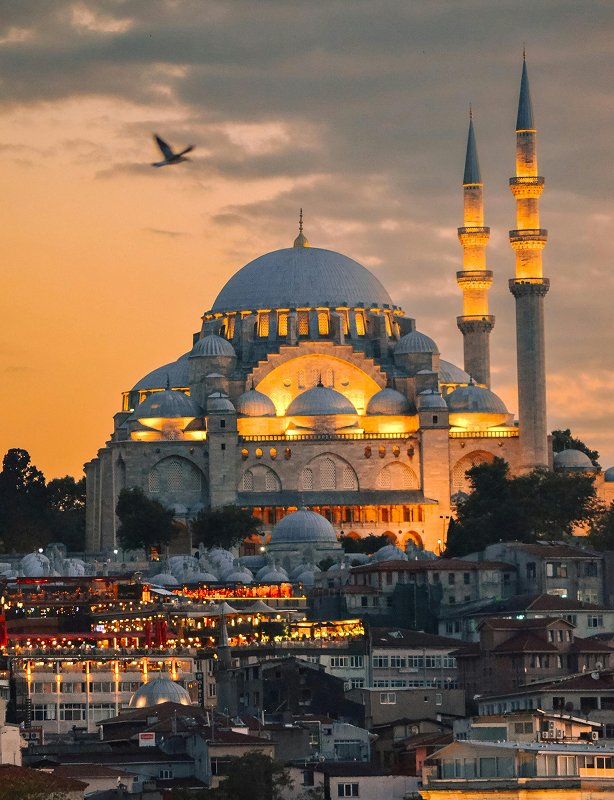
In Turkey, history is not confined to museums — it lives in streets, markets, and conversations. Walking through neighborhoods in Istanbul or coastal towns along the Aegean, travelers encounter buildings and traditions that have endured for centuries. Old mosques stand beside cafés, and ancient stone paths carry the footsteps of modern life.
Morning begins with the aroma of fresh bread drifting from bakeries and the distant echo of a call to prayer. Shopkeepers greet neighbors, tea glasses clink softly, and daily routines unfold with quiet familiarity. These scenes are not performances for visitors; they are authentic expressions of continuity.
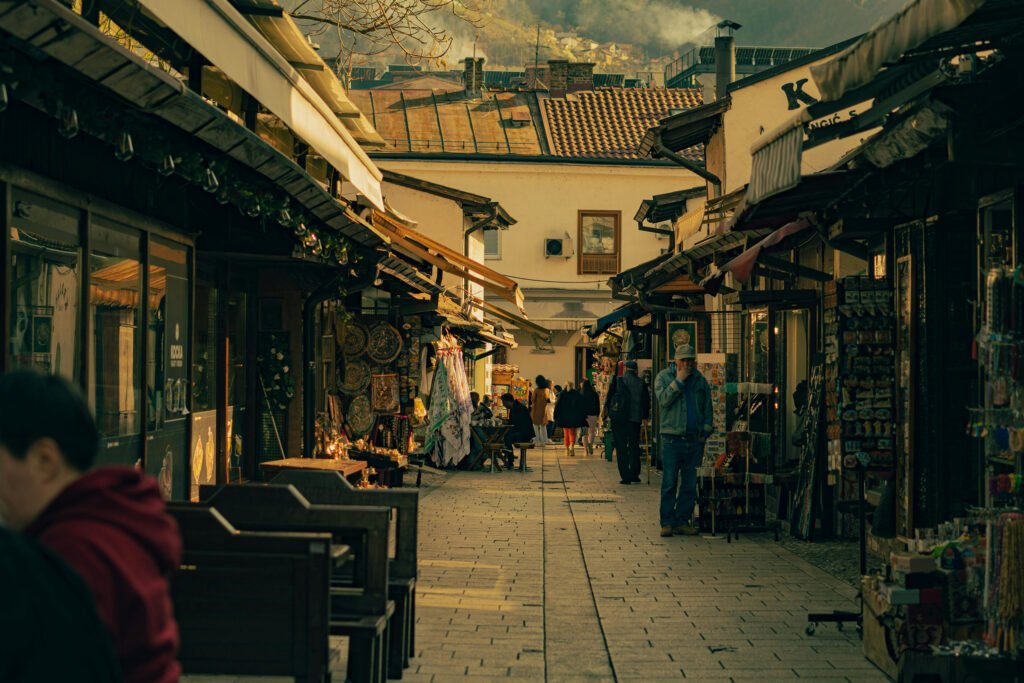
Markets offer another window into living history. Spices, textiles, and handcrafted goods connect present-day life to long-standing trade traditions. Conversations flow easily, often accompanied by gestures of hospitality — a shared cup of tea or a friendly smile.
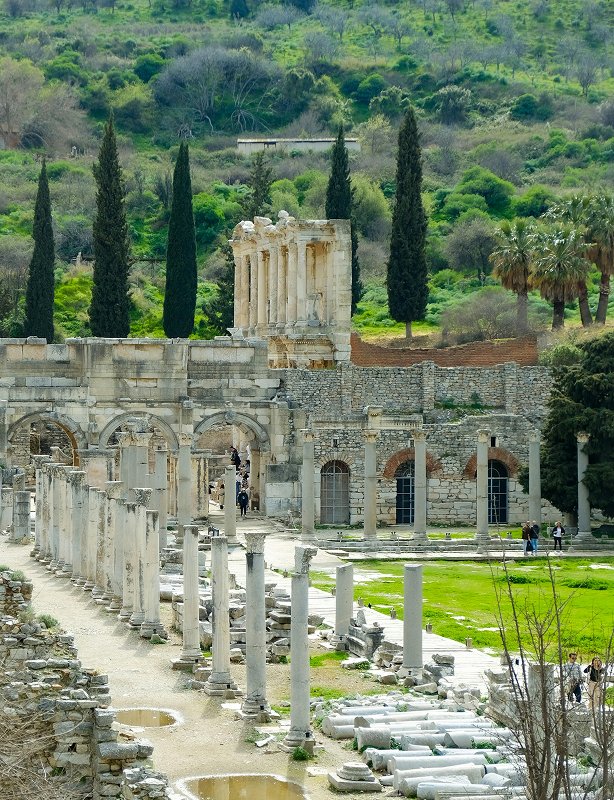
Even ruins feel integrated into daily surroundings. Ancient walls frame city parks, and historic structures provide backdrops to ordinary routines. Travelers begin to see that Turkey’s past is not distant; it is woven into the present.
Architecture reinforces this sense of continuity. Domes, courtyards, and arches reflect influences from multiple civilizations, each layer adding depth rather than replacing what came before. The built environment becomes a visual dialogue across time.
As travelers linger in these spaces, awareness deepens. History stops feeling abstract and becomes tangible — something you can walk beside, touch, and quietly contemplate.
These moments reveal how Turkey preserves memory not by freezing it, but by allowing it to evolve naturally within everyday life.
Streets Alive With Color and Sound
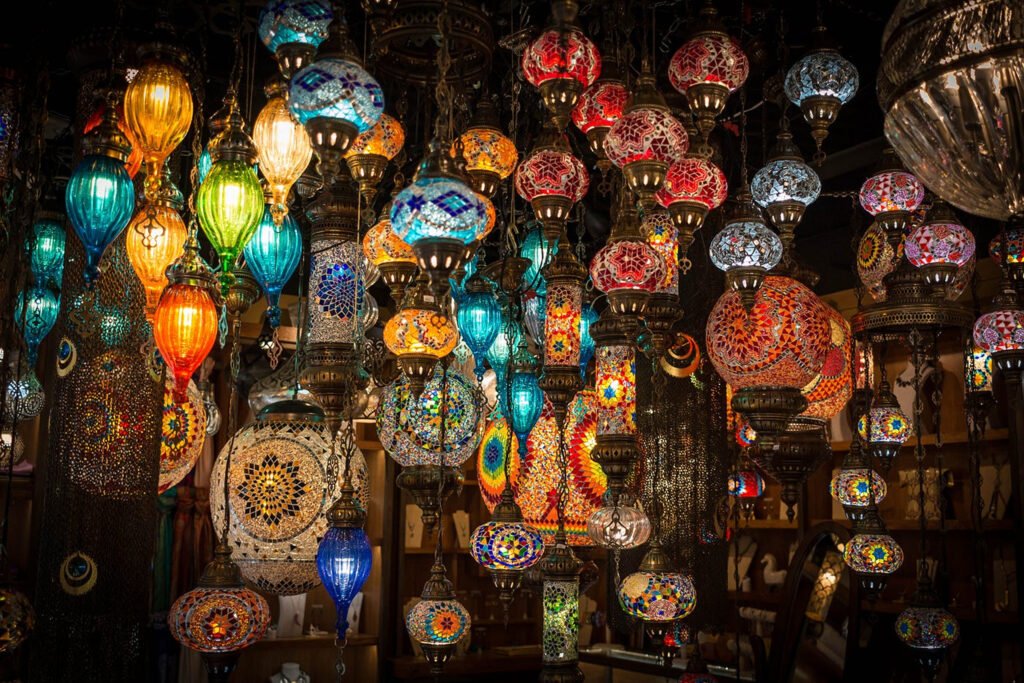
Turkish streets carry an energy that is both lively and inviting. Narrow lanes open into bustling squares where vendors arrange vibrant displays of fruit, spices, and handmade crafts. Colors appear everywhere — woven carpets, painted ceramics, and lanterns catching the light.
Sound shapes the atmosphere as much as sight. Conversations overlap with music drifting from nearby shops, footsteps echo on stone streets, and laughter rises from outdoor cafés. Movement feels rhythmic rather than chaotic.
Street food becomes part of the sensory experience. The scent of grilled kebabs and fresh pastries fills the air, drawing people together around shared tables. Eating here is social, unhurried, and deeply connected to place.
Artists and craftsmen contribute their own rhythms. A potter shaping clay or a weaver adjusting threads turns the street into a living workshop. Observing these processes connects travelers to traditions carried forward through skilled hands.
As daylight shifts, so does the mood. Afternoon bustle softens into evening warmth. Lights glow gently, and conversations stretch longer. Streets transform into communal spaces where time feels generous.
Travelers who wander without a strict plan often discover the most memorable scenes — a hidden courtyard, an impromptu performance, or a quiet corner filled with conversation.
These streets communicate culture without explanation. Through color, sound, and motion, they offer an intuitive understanding of Turkish daily life.
Landscapes That Invite Stillness
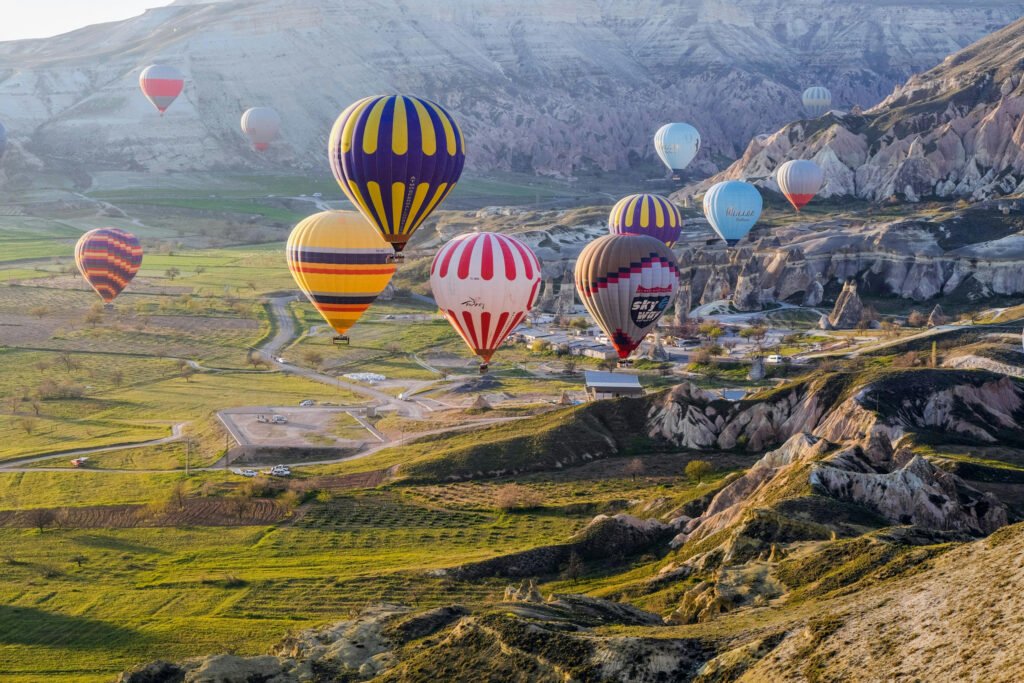
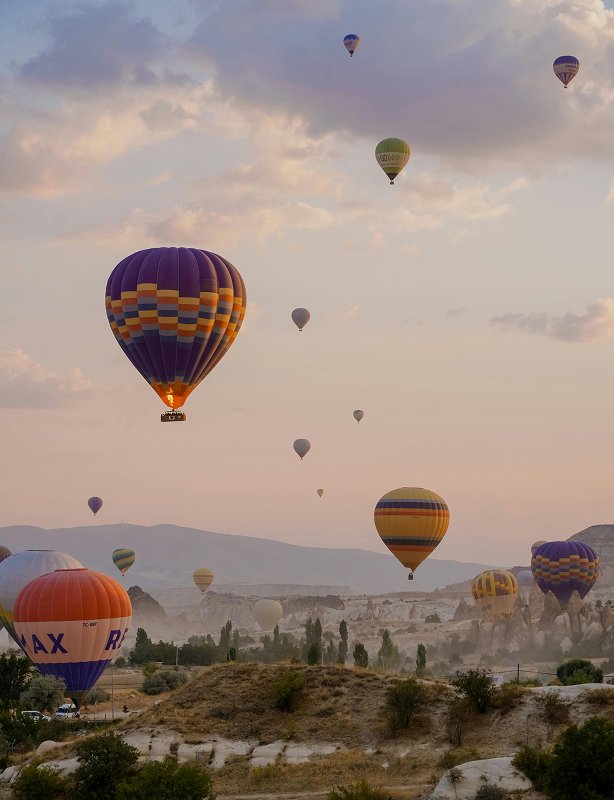
Turkey’s landscapes possess a quiet power that encourages reflection. In Cappadocia, unusual rock formations rise from the earth like sculptures shaped by time. Early mornings reveal hot air balloons drifting silently across the sky, emphasizing scale and stillness.
Along the Mediterranean and Aegean coasts, turquoise waters meet rugged cliffs and sandy beaches. Waves move steadily, creating a rhythm that invites travelers to pause and observe rather than rush.
Inland regions offer a different serenity. Rolling hills, open plains, and distant mountains stretch the horizon. Villages appear integrated with their surroundings, built in harmony with terrain and climate.
Light plays an essential role in shaping these environments. Sunrise paints valleys in soft gold, while sunset deepens colors and shadows. Each transition feels gradual and contemplative.
Nature here does not demand attention loudly; it draws it gently. Travelers find themselves walking more slowly, noticing textures of stone, patterns of wind, and subtle shifts in color.
Human presence feels balanced with the environment. Farms, pathways, and homes reflect adaptation rather than domination. This relationship reveals a long-standing respect for landscape.
In these settings, silence becomes meaningful. Without distraction, awareness sharpens, and the experience of travel becomes inward as well as outward.
The Journey Between Worlds
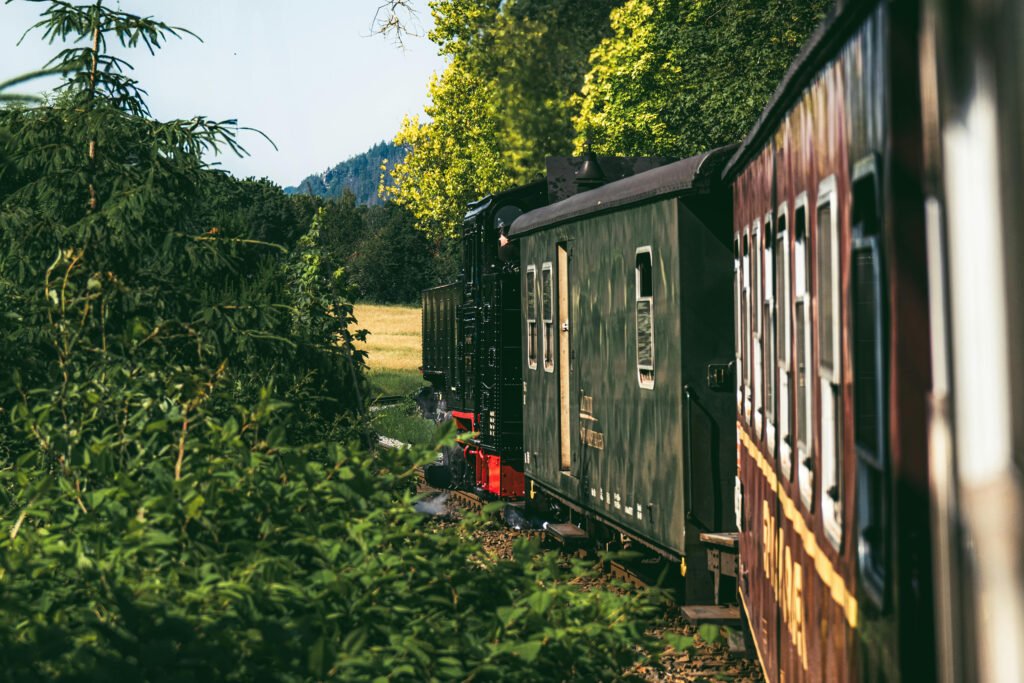
Movement across Turkey highlights its diversity. A train ride, ferry crossing, or winding road reveals transitions that feel like passages between distinct yet connected worlds.
Urban skylines gradually give way to countryside views. Fields replace buildings, and small towns emerge along the route. Watching these changes fosters a sense of continuity rather than separation.
Public transport becomes a shared space of quiet observation. Fellow passengers read, converse softly, or gaze out windows. Travelers join this rhythm, becoming participants rather than observers.
Roadside stops add texture to the journey. Small cafés and rest areas provide moments of interaction and rest. Conversations, even brief ones, create a sense of connection.
Time behaves differently in transit. Hours pass with gentle momentum, allowing reflection on places already visited and anticipation of those ahead.
The scenery itself narrates geography — coastlines curve, mountains rise, and plains extend. Each segment contributes to a broader understanding of the country as an interconnected whole.
These in-between moments remind travelers that destinations gain meaning through the paths that connect them.
Leaving With a Sense of Connection
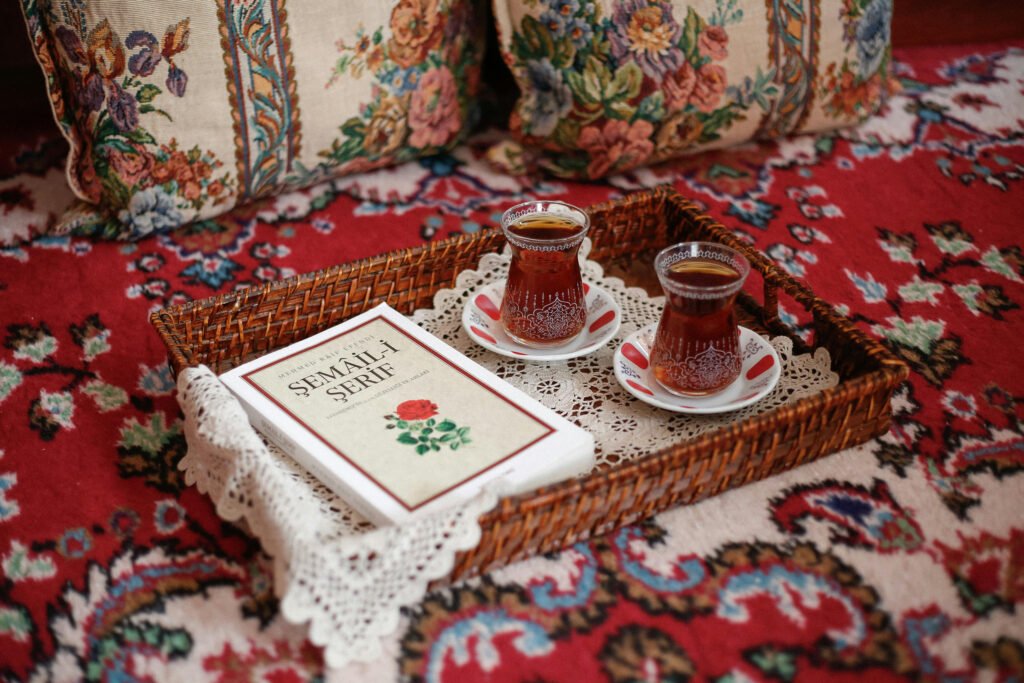
Journeys through Turkey often end with a feeling that extends beyond memory. Travelers carry impressions shaped by hospitality, conversation, and shared experiences.
Small gestures remain vivid — a cup of tea offered without expectation, guidance from a stranger, or laughter exchanged despite language differences. These interactions reveal a culture grounded in welcome.
Food becomes part of remembrance. Flavors recall places and moments: a meal shared by the sea, bread broken in a village café, or sweets enjoyed during conversation.
Reflections emerge gradually. Exposure to layered history and varied landscapes reshapes perspective, encouraging appreciation for continuity and coexistence.
Travelers return with heightened awareness of rhythm — how life can balance movement with pause, tradition with change.
What lingers most is a sense of connection: to people, to places, and to the idea that cultures intersect more fluidly than borders suggest.
Turkey leaves an imprint not through spectacle alone, but through quiet understanding accumulated over time.
In the end, the journey becomes part of the traveler’s own narrative — a reminder that exploration is as much about connection as discovery.