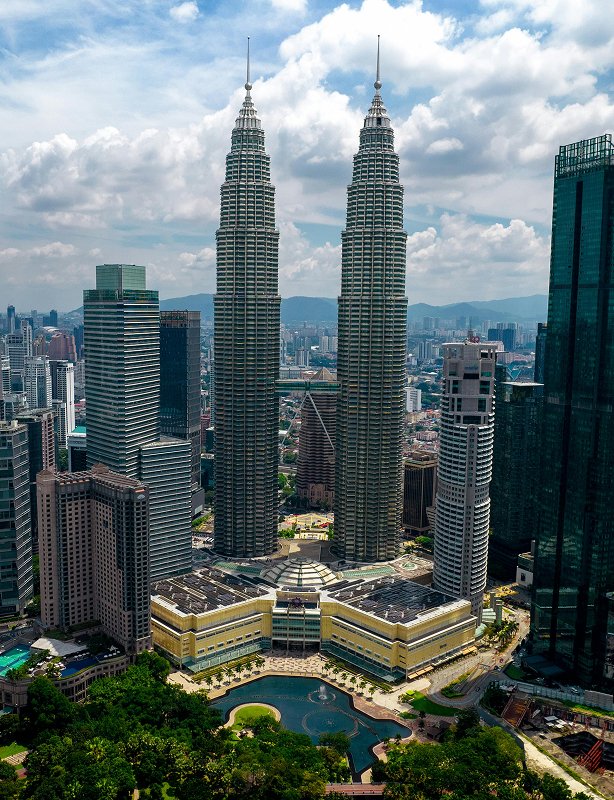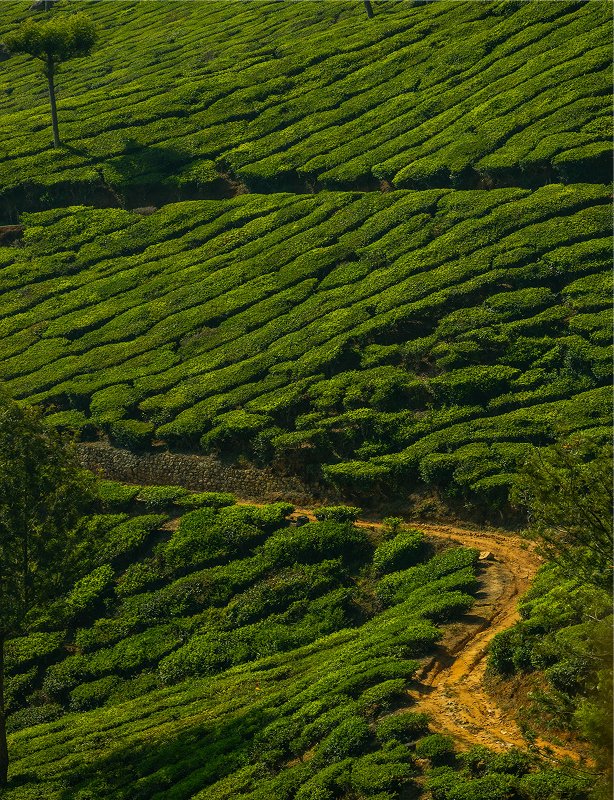
Travel through Malaysia unfolds as a dialogue between modern cities and ancient landscapes, where rainforest, coastline, and skyline exist in fluid balance. The country greets travelers with an blend of movement and calm, shaped by cultural diversity and tropical atmosphere. In cities like Kuala Lumpur, glass towers rise beside historic quarters, while quieter regions reveal expanses of jungle and sea that invite reflection. Each environment contributes to a narrative that feels layered and continuous. This Malaysia travel experience reveals how cities, forests, and coastlines connect through a shared rhythm shaped by culture and environment in Malaysia.
Journeys across Malaysia emphasize contrast without disruption. Urban centers transition into lush interiors, and island horizons replace dense skylines. These shifts encourage attentiveness to rhythm and detail, transforming travel into an act of immersion. Rather than focusing solely on destinations, travelers engage with the gradual unfolding of environments that feel both contemporary and deeply rooted. Through the Malaysia travel experience, these transitions become part of a seamless narrative of movement and immersion.
Malaysia’s identity emerges through coexistence. Architectural styles, languages, and culinary traditions reflect Malay, Chinese, and Indian influences woven seamlessly into daily life. Communities maintain heritage while adapting to modern rhythms, creating spaces that feel dynamic yet grounded. This cultural layering gives the country a distinctive sense of openness and continuity.
Light and climate shape perception throughout the journey. Tropical sunlight intensifies colors in markets and softens forest edges. Sudden rain refreshes streets and leaves behind reflective surfaces that capture shifting skies. These visual transitions anchor memory in moments of atmosphere rather than spectacle.
Public spaces function as shared environments where conversation flows easily. Markets, cafés, and waterfront promenades gather people into communal rhythms. Observing these interactions reveals a society shaped by familiarity and hospitality, where daily life unfolds expressively.
Where Rainforests Breathe in Silence
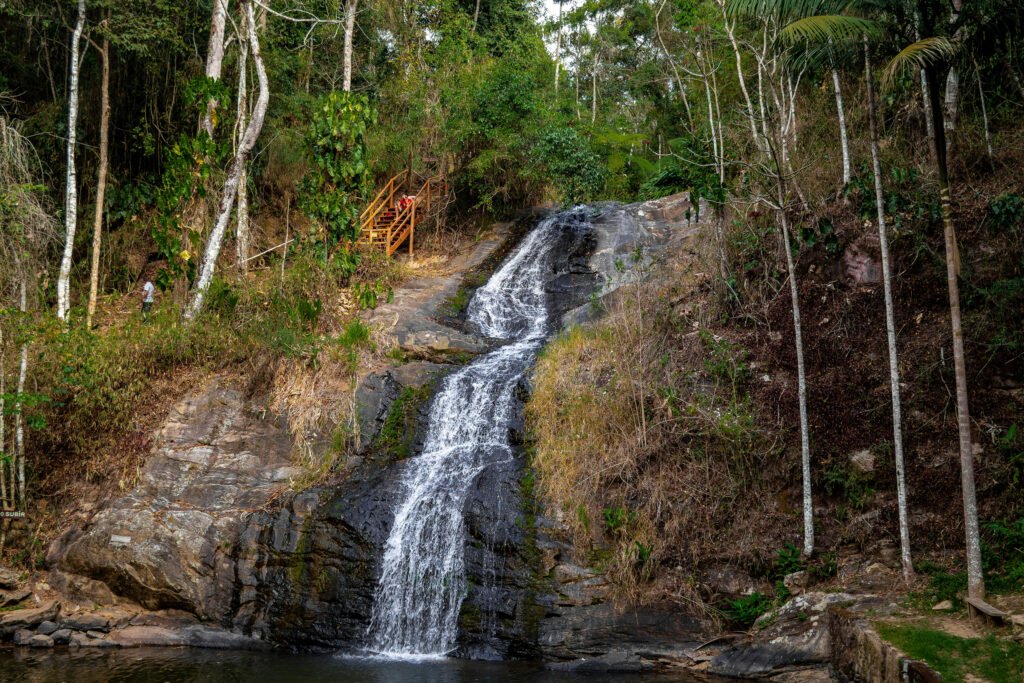
Malaysia’s rainforests extend as living ecosystems that cultivate awareness through stillness. Dense canopies filter sunlight into soft patterns that shift with every movement of wind. Travelers entering these environments sense a recalibration of pace guided by natural rhythm.
Paths wind beneath towering trees whose roots anchor centuries of growth. Observation becomes instinctive as layers of vegetation reveal intricate textures and colors. Every step introduces new details that reward attentiveness.
Humidity carries the scent of earth and foliage. Air feels dense yet invigorating, grounding perception in physical sensation. These conditions heighten awareness of presence.
Wildlife announces itself subtly through distant calls and fleeting motion. Silence alternates with sudden bursts of sound, creating a rhythm that feels organic and continuous.
Water threads through forest interiors in streams and waterfalls. Their motion provides steady auditory anchors that contrast with surrounding stillness.
Travelers often experience introspection in these spaces. The forest’s scale encourages humility and reflection shaped by immersion.
Rainforests present stillness not as emptiness but as fullness — an environment where complexity reveals itself gradually.
Cities Framed by Light and Motion
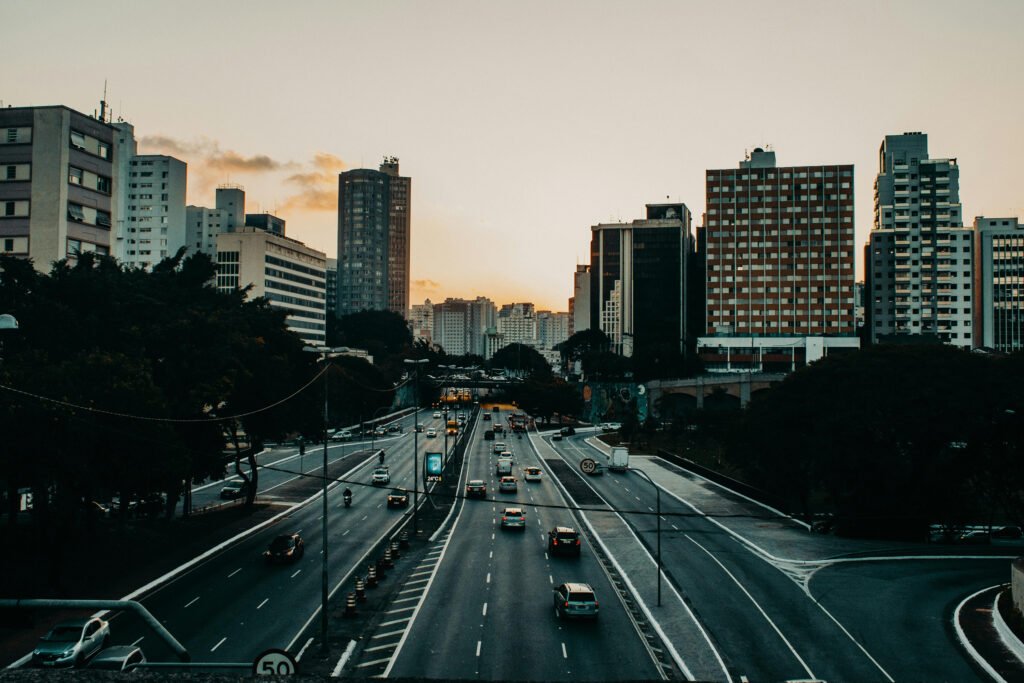
Urban life in Kuala Lumpur pulses with energy shaped by architecture and movement. Elevated walkways and busy streets create layered perspectives where modern design meets everyday routine. Glass facades mirror shifting skies, intensifying visual rhythm. From the perspective of the Malaysia travel experience, urban life reflects the balance between innovation and tradition.
Public transit carries a steady flow of commuters whose routines form patterns of collective motion. Observation reveals choreography within apparent chaos.
Historic districts introduce quieter textures. Narrow lanes preserve architectural details that echo earlier eras. These spaces balance innovation with continuity.
Street food districts animate evenings with sound and aroma. Preparation becomes performance, drawing travelers into shared experiences that feel spontaneous and communal.
Public squares function as gathering points where conversation and leisure intersect. These areas blur distinctions between observer and participant.
Modern infrastructure integrates seamlessly into older frameworks. The city evolves without erasing its foundations.
Walking through these streets becomes exploration guided by curiosity and rhythm rather than destination.
Shores That Stretch Toward Horizon
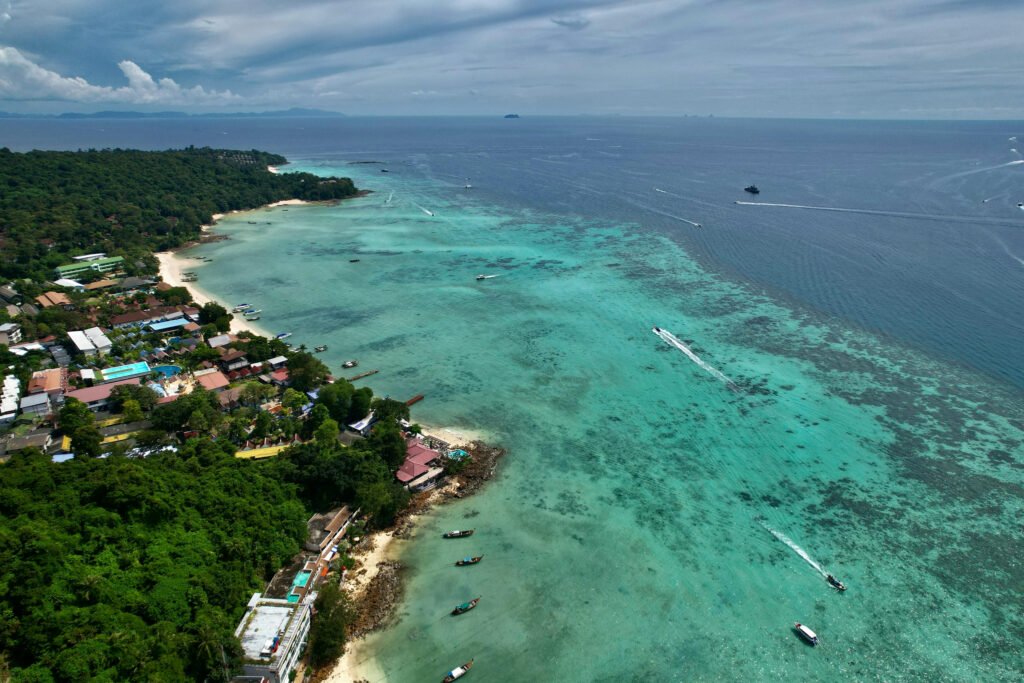
Malaysia’s coastlines offer expanses where land dissolves gradually into sea. Beaches extend in gentle arcs framed by palms and open sky. Travelers encounter a slower cadence shaped by tide and light. At its core, the Malaysia travel experience is shaped by this relationship between coastline, climate, and open space.
Morning air carries clarity that sharpens color and texture. Waves trace repetitive patterns that anchor awareness in motion. Observation becomes meditative.
Island communities reflect harmony between environment and settlement. Architecture adapts to climate and terrain with understated elegance.
Weather transforms coastal landscapes continuously. Clouds drift across horizons, casting shadows that animate otherwise still panoramas.
Water invites interaction through swimming and quiet navigation. Movement across its surface emphasizes fluidity and openness.
Sound alternates between surf and distant voices. These rhythms cultivate calm grounded in repetition.
Coastlines encourage reflection shaped by scale and simplicity. Travelers often feel suspended between motion and rest.
The Journey Through Changing Terrains
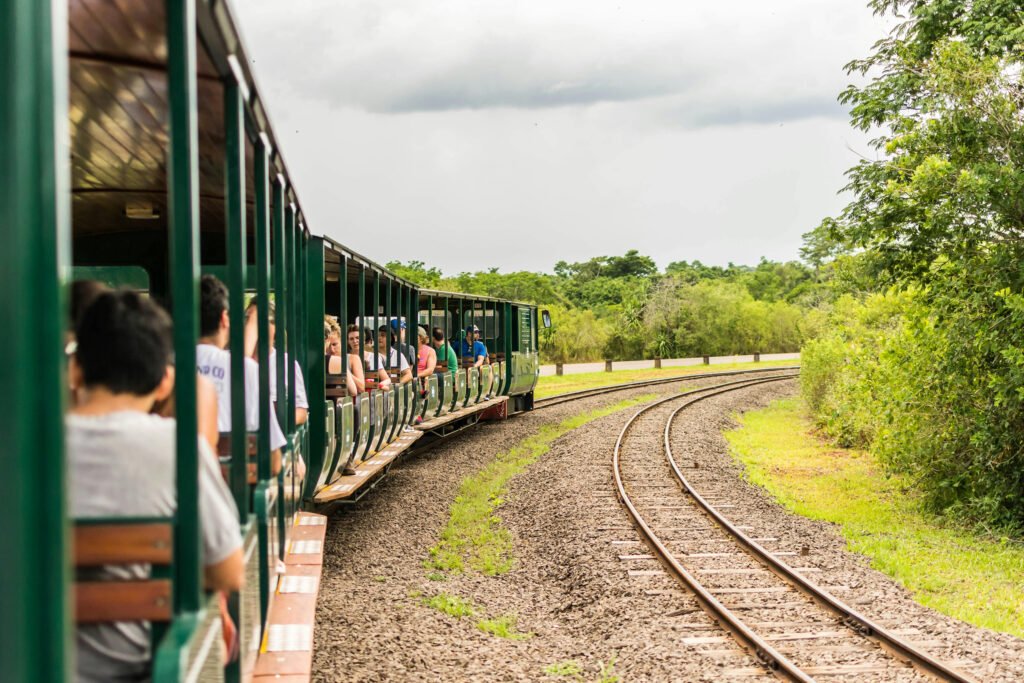
Travel within Malaysia highlights transition as central experience. Roads and rails connect city, forest, and shore in sequences that feel cinematic. Each segment reveals evolving ecosystems and cultural expressions.
Transit spaces gather travelers sharing temporary proximity. Brief exchanges create understated moments of connection.
Scenery unfolds gradually rather than abruptly. Urban density softens into rural openness guided by continuous observation.
Rest stops introduce regional character through cuisine and craft. Small details enrich understanding through sensory engagement.
The rhythm of motion becomes soothing. Repetition heightens awareness of subtle environmental change.
Time stretches comfortably during travel, blending anticipation with reflection. Experiences accumulate into emotional continuity.
Arrival carries renewed energy shaped by the journey itself. Destinations gain meaning through transitions that precede them.
Leaving With Echoes of Balance
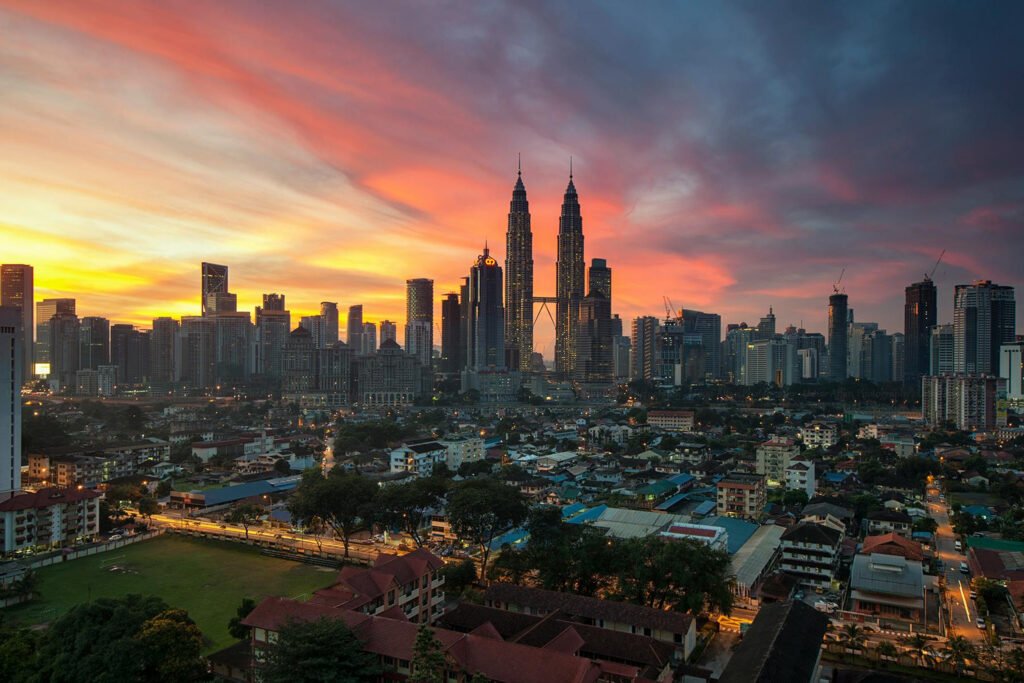
Departing Malaysia leaves impressions shaped by harmony and contrast. Memories persist as atmospheres — reflections of city light, quiet forest interiors, and open coastal horizons. The Malaysia travel experience leaves travelers with a lasting sense of harmony between culture and nature.
Experiences expand awareness of cultural coexistence and environmental diversity. Travelers carry home appreciation for balance between progress and preservation.
Encounters with communities foster respect grounded in shared moments of hospitality. Emotional resonance lingers.
Creative inspiration surfaces through remembered textures and sounds. Everyday scenes gain renewed dimension.
The country encourages reflection on equilibrium between movement and stillness. Many travelers return with recalibrated perspective.
Most enduring is a sense of openness. Malaysia demonstrates how diversity can exist within cohesive identity.
The journey concludes geographically, yet its influence continues unfolding quietly long afterward.