Portugal is not just a destination — it is a feeling. It is the haunting melody of fado drifting through a lamplit Lisbon alley at midnight, the taste of a warm pastel de nata on a cobblestone morning, and the sight of golden cliffs dropping into the deep blue Atlantic. This is a country that stirs something deep inside every traveller who arrives on its shores. From the soulful, sun-faded streets of Lisbon to the wild windswept cape at the edge of continental Europe, Portugal is a land of extraordinary beauty, ancient soul, and unforgettable flavour.
Portugal’s title as one of Europe’s most beloved travel destinations is no accident. It offers world-class food and wine, dramatic coastlines, centuries of fascinating maritime history, warm and generous people, and a gentle pace of life that invites you to slow down, breathe deeply, and truly experience the world around you. Whether you come for the fado, the flavours, or the faraway shores — Portugal will give you something you will carry in your heart long after you return home.
Fado — The Sound of Portugal’s Soul
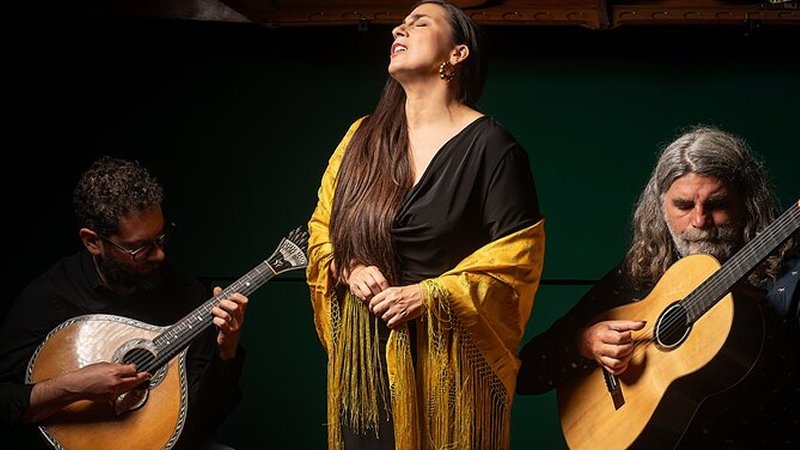
To understand Portugal, you must first listen to fado. This deeply emotional style of music is the sonic soul of the country — a sound born in the narrow alleyways of Lisbon’s Alfama district and carried across centuries of seafaring, longing, and love. The word fado comes from the Latin fatum, meaning fate, and that sense of destiny and emotion runs through every note.
Fado is built around saudade — that uniquely Portuguese feeling of nostalgic longing for something or someone lost, a bittersweet ache that has no direct translation in any other language. When a fadista — a fado singer — stands in a candlelit room and pours her heart into a song about the sea, about a lost love, about the wind and the tide, the emotion is visceral and immediate. It speaks to something universal in the human heart.
UNESCO recognised fado as an Intangible Cultural Heritage of Humanity, and experiencing it live is one of the most powerful travel moments you can have anywhere in the world. The best places to hear authentic fado are the small, intimate casas de fado in Lisbon’s Alfama and Mouraria neighbourhoods — venues where the audience listens in respectful silence, where the air is thick with wine and emotion, and where a single voice accompanied by the Portuguese guitarra can move an entire room to tears.
In Coimbra, fado takes on a slightly different character — more scholarly and melancholic, traditionally performed by male university students in black capes, often in the ancient courtyards and stairways of one of Europe’s oldest universities. Both traditions are extraordinary in their own right and both are essential pieces of Portugal’s cultural identity.
Do not leave Portugal without sitting in a small Alfama restaurant, late in the evening, with a glass of red wine, and letting fado find you.
Flavours — A Journey Through Portuguese Cuisine
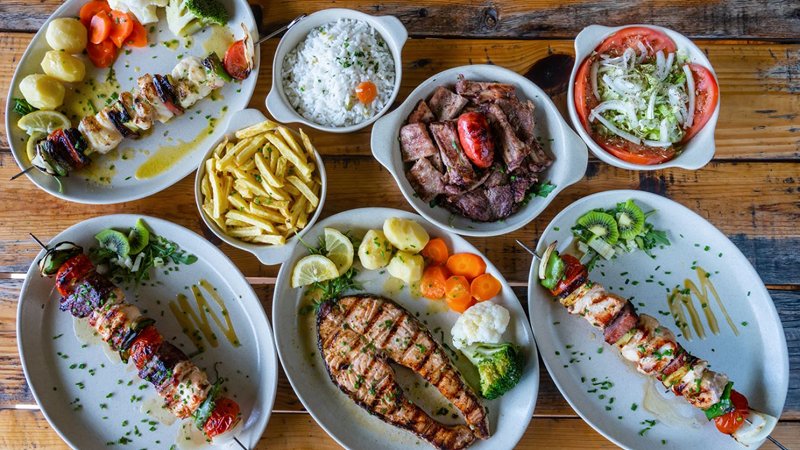
Portuguese cuisine is one of Europe’s great undiscovered culinary treasures — honest, generous, deeply rooted in land and sea, and endlessly satisfying. It is a cuisine shaped by centuries of maritime exploration, by the spice routes of the Age of Discovery, by Moorish influence in the south, and by the cold Atlantic waters that give Portugal some of the finest seafood in the world.
At the heart of Portuguese cooking is bacalhau — salt cod — the national ingredient, said to have over 365 different recipes, one for every day of the year. Whether baked with olive oil and potatoes in Bacalhau à Brás, layered with cream in Bacalhau com Natas, or grilled simply with garlic and olive oil, bacalhau is a dish that tells the story of Portugal’s fishing heritage and its deep connection to the sea.
Fresh seafood is exceptional throughout the country. In Lisbon, grilled sardines served on slices of bread with coarse salt are a summer institution — eaten at outdoor tables during the Santos Populares festivals in June, with cold beer and the sound of fado in the background. In the Algarve, the cataplana — a traditional copper pot dish filled with clams, prawns, chorizo, and tomatoes — is a celebration of the south’s abundance. In Porto, the bacalhau dishes are legendary, as is the francesinha — the city’s iconic layered sandwich of cured meats, sausage, and ham, smothered in a rich, spiced tomato and beer sauce and topped with a fried egg. It is a dish of extraordinary boldness and the kind of thing that ruins you for ordinary sandwiches forever.
The Alentejo region, stretching across Portugal’s vast golden interior, produces some of the country’s finest olive oils, along with black pork dishes, game meats, and robust, full-bodied red wines. Migas — a dish of fried bread crumbs cooked with pork fat and herbs — is simple, rustic, and deeply delicious. The Alentejo also produces Portugal’s finest cured meats and artisan cheeses, best enjoyed with a glass of local Alentejo wine at a table in a whitewashed village square.
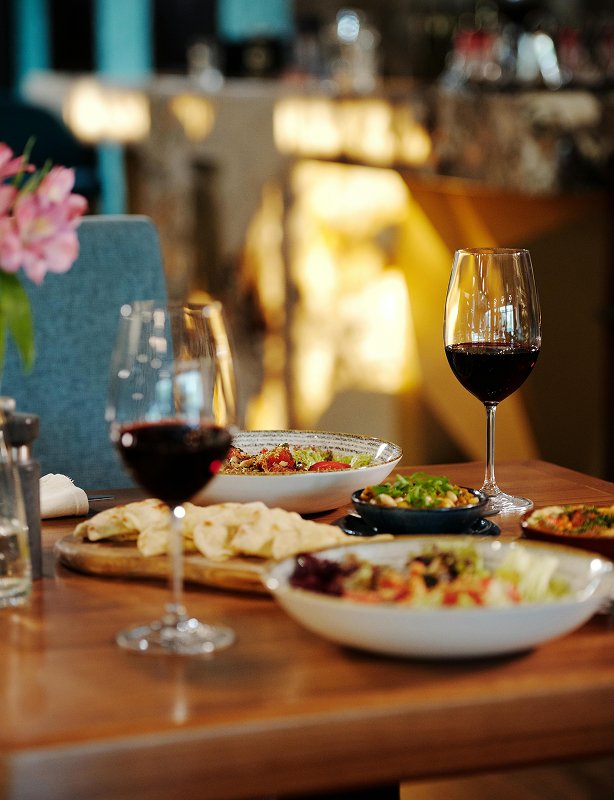
Portugal’s wine culture is equally impressive. Vinho verde — young, lightly sparkling white wine from the lush Minho region in the north — is crisp, refreshing, and the perfect companion to a long, lazy Portuguese lunch. The Douro Valley produces some of Europe’s most remarkable red wines alongside its world-famous Port. The Alentejo is increasingly recognised for producing internationally acclaimed reds of great depth and character.
And then there is the pastel de nata — the custard tart that has become one of the most beloved pastries in the world. Crisp, flaky pastry filled with warm, silky egg custard, dusted with cinnamon and powdered sugar, best eaten fresh from the oven at the original Pastéis de Belém bakery in Lisbon where the recipe has remained unchanged since 1837. It is, quite simply, one of the finest things you will ever eat. Portugal’s pastry tradition runs deep — from the almond-filled sweets of the Algarve to the travesseiros of Sintra, from the rich egg-based convent pastries with names like Barriga de Freira and Papos de Anjo to the simple queijadas made in villages across the country. Every region has its own sweet speciality and every bite tells a story.
Faraway Shores — Portugal’s Extraordinary Coastline
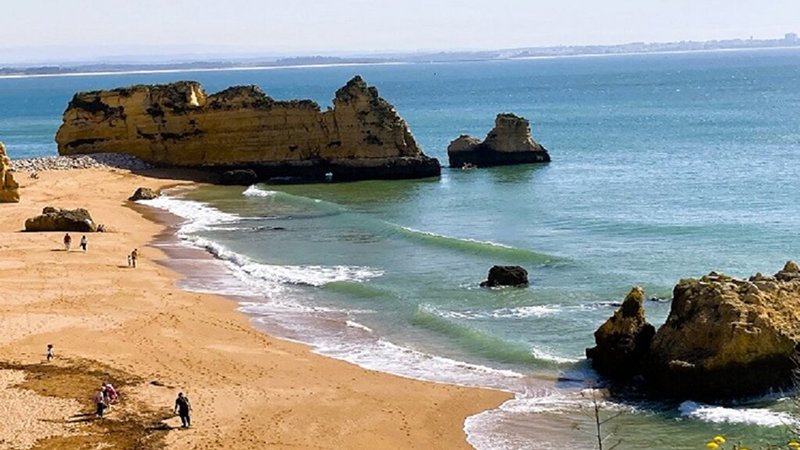
Portugal’s coastline is among the most dramatic and beautiful in all of Europe. Stretching for over 1,800 kilometres along the edge of the Atlantic Ocean, it is a coastline of wild contrasts — from the golden, sheltered beaches of the Algarve in the south to the rugged, windswept cliffs of the Costa Vicentina in the west, from the surf beaches of Peniche and Nazaré in the centre to the dramatic volcanic shores of the Azores far out in the open Atlantic.
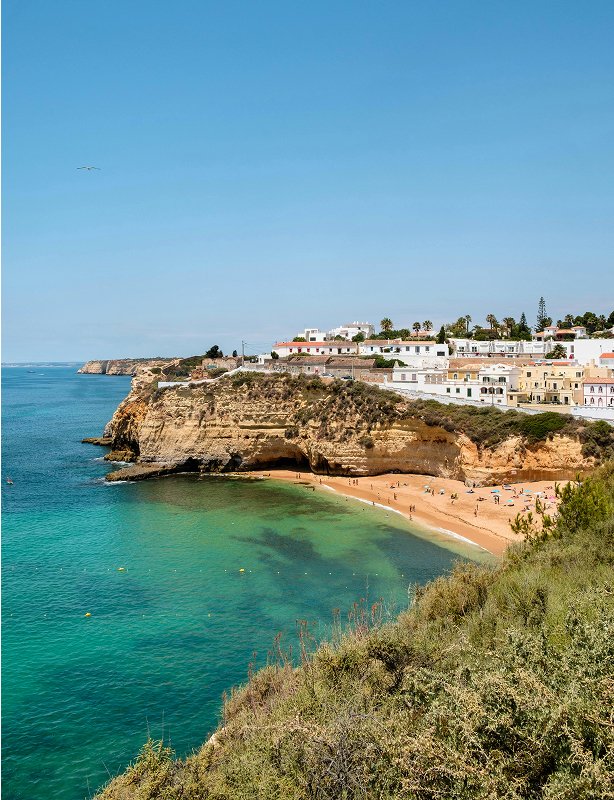
The Algarve is Portugal’s most celebrated coastal region and rightfully so. Towering amber and ochre sea cliffs, hidden sea caves, turquoise lagoons, and wide golden beaches stretching as far as the eye can see create a landscape of breathtaking beauty. Praia da Marinha, Praia de Benagil with its famous sea cave cathedral, and the endless arc of Praia da Falésia are among the most spectacular beaches on the continent. Explore the coastline by kayak, by boat, or on foot along the clifftop walking trails for perspectives that take your breath away.
Further west, the Algarve gives way to the Costa Vicentina — a protected natural park of wild, unspoiled Atlantic coastline where the beaches are wide and empty, the dunes are covered in wildflowers, and the only sounds are the wind and the waves. At the very tip of the peninsula, at Sagres and Cape St. Vincent, you stand at the southwesternmost point of continental Europe. This is where the land truly ends and the Atlantic begins — a place of extraordinary atmosphere, where dramatic cliffs plunge into the ocean and the wind never stops. It is not difficult to understand why the early Portuguese explorers, setting out from these shores into the unknown, believed they were sailing off the edge of the world.
Further north, the coast takes on an entirely different character. The beaches of the Silver Coast — the Costa de Prata — are long, wild, and washed by powerful Atlantic waves that make them a paradise for surfers. Nazaré, a traditional fishing village turned surf destination, is home to the biggest waves ever surfed on earth — monster swells that can reach over 30 metres during winter storms, drawing the world’s best big wave surfers and thousands of spectators to its famous northern beach. Even outside of surf season, Nazaré is a charming and colourful town where the fishing tradition remains alive, the seafood is exceptional, and the views from the clifftop headland are magnificent.
The Lisbon Coast offers its own rewards — the beautiful resort towns of Cascais and Estoril sit just 40 minutes from the capital by train, offering elegant promenades, seafood restaurants, sandy beaches, and the dramatic rocky headland of Cabo da Roca, the westernmost point of continental Europe. Further north, the beaches of the Setúbal Peninsula and the Arrábida Natural Park are among Portugal’s most beautiful and least visited — limestone cliffs, turquoise waters, and pine-covered hills that feel more Mediterranean than Atlantic.
Lisbon — Where Fado, Flavours and the Sea Come Together
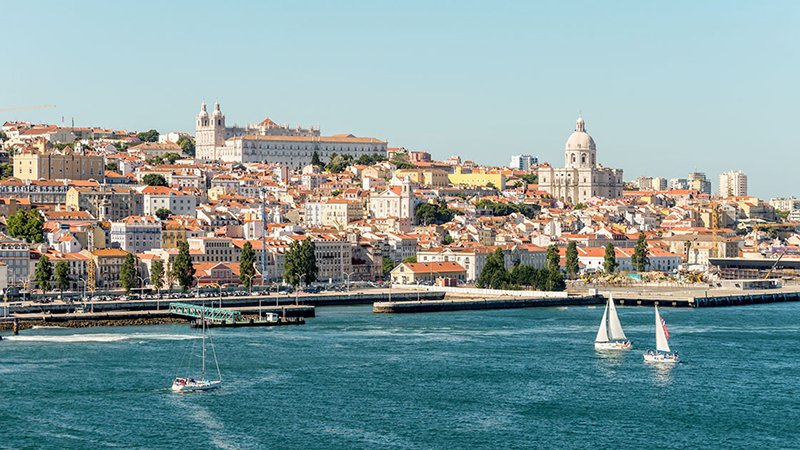
Lisbon is the city where all three elements of Portugal’s soul converge. Built across seven hills above the wide mouth of the Tagus River, Portugal’s capital is one of Europe’s most beautiful and emotionally resonant cities. Ancient and modern, melancholic and joyful, intimate and grand — Lisbon is a city of extraordinary contrasts that somehow always feels perfectly in harmony with itself.
Alfama, the city’s oldest neighbourhood, is the heartland of fado. Its narrow cobblestone streets, colourful tiled houses, and ancient miradouros — hilltop viewpoints — have barely changed in centuries. Wander without a map, follow the sound of a guitar, stop for a glass of wine at a neighbourhood tasca, and let the city reveal itself slowly. Watch the sun set over the Tagus from the Miradouro da Graça with the city spread out below you in shades of gold and terracotta.
Belém, the riverside district where Portugal’s great explorers once set sail, is home to two of Lisbon’s most magnificent monuments — the Jerónimos Monastery and the Tower of Belém, both UNESCO World Heritage Sites and both extraordinary examples of the uniquely Portuguese Manueline architectural style, rich with maritime symbols, ropes, and armillary spheres carved in stone. It is also, of course, home to the original Pastéis de Belém.
Lisbon’s food scene is one of the most exciting in Europe right now — a vibrant mix of traditional tascas serving honest Portuguese cooking alongside innovative modern restaurants that are reinterpreting the country’s culinary heritage with extraordinary creativity. The Mercado da Ribeira — Time Out Market — brings the city’s finest flavours under one roof. The LX Factory, a repurposed industrial complex in the Alcântara district, is home to some of the city’s most interesting restaurants, bars, and creative spaces.
Porto — Wine, Bridges and the Spirit of the North
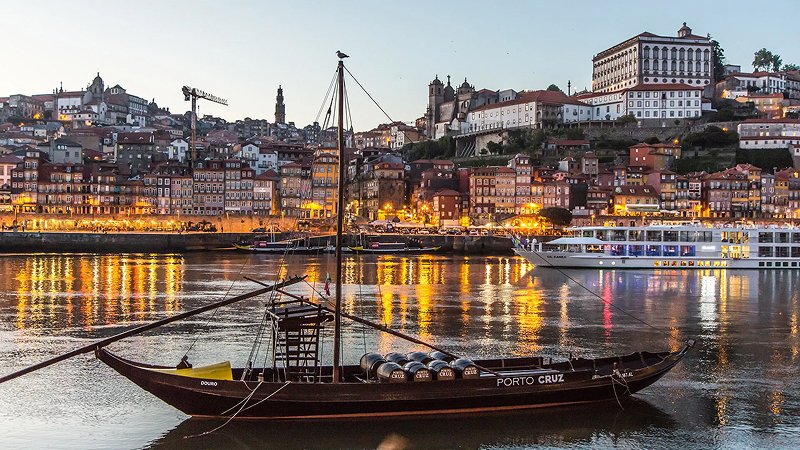
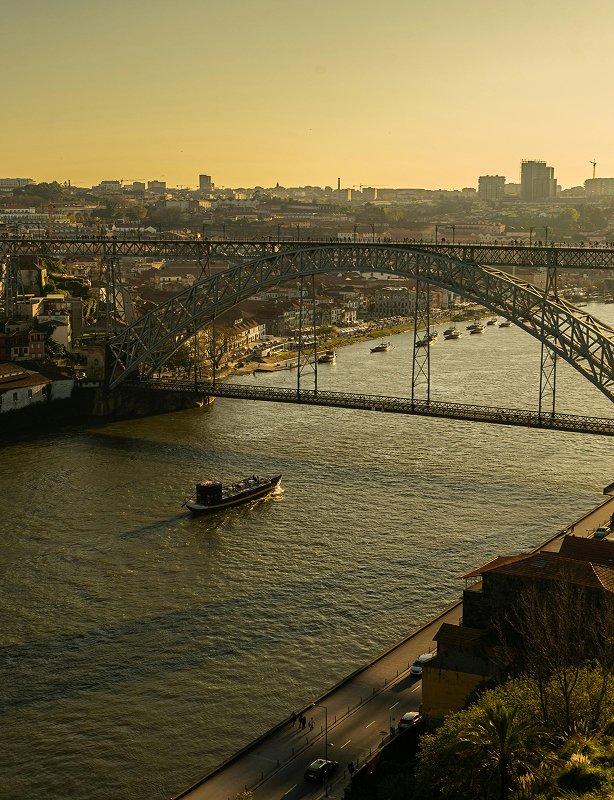
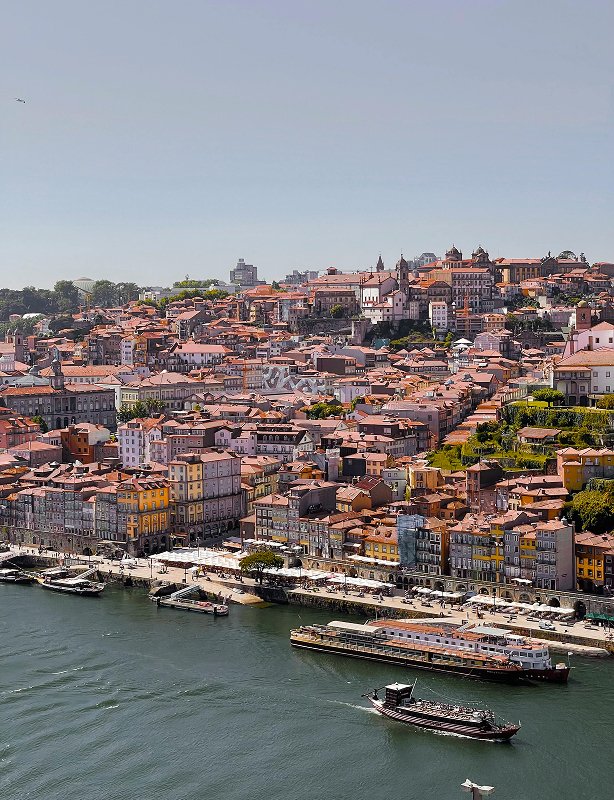
Porto is the kind of city that gets under your skin from the moment you arrive and stays with you long after you leave. Where Lisbon is golden and melancholic, Porto is granite and defiant — a city of extraordinary grit, beauty, and character built on the steep banks of the Douro River. Its Ribeira waterfront district, with its colourful stacked houses, ancient wine warehouses, and the great arched Dom Luís I Bridge spanning the river, is one of the most visually stunning urban landscapes in all of Europe and a UNESCO World Heritage Site.
Cross the bridge on foot to Vila Nova de Gaia, where the great Port wine lodges — Graham’s, Sandeman, Taylor’s, Ferreira — line the riverside. Take a cellar tour, learn the story of how Port wine has been made and traded here since the 17th century, and settle in for a long afternoon tasting session of ruby, tawny, white, and vintage Ports paired with local cheese and charcuterie. A rabelo boat trip along the Douro River, past ancient wine estates and terraced vineyards, is one of the finest afternoons you can spend in northern Portugal.
Porto is also a city of extraordinary architecture and art. The São Bento railway station, covered floor to ceiling in over 20,000 hand-painted blue and white azulejo tiles depicting scenes from Portuguese history, is one of the most beautiful train stations in the world. The Igreja de Santo Ildefonso, its exterior entirely clad in tiles, glows blue-white on a sunny morning. The Livraria Lello bookshop, with its neo-Gothic facade and extraordinary carved wooden interior staircase, is one of the world’s most beautiful bookshops. Porto’s street art scene is bold and prolific — entire building facades transformed into vivid murals in the Bonfim and Cedofeita neighbourhoods.
Sintra — A Fairy Tale in the Hills
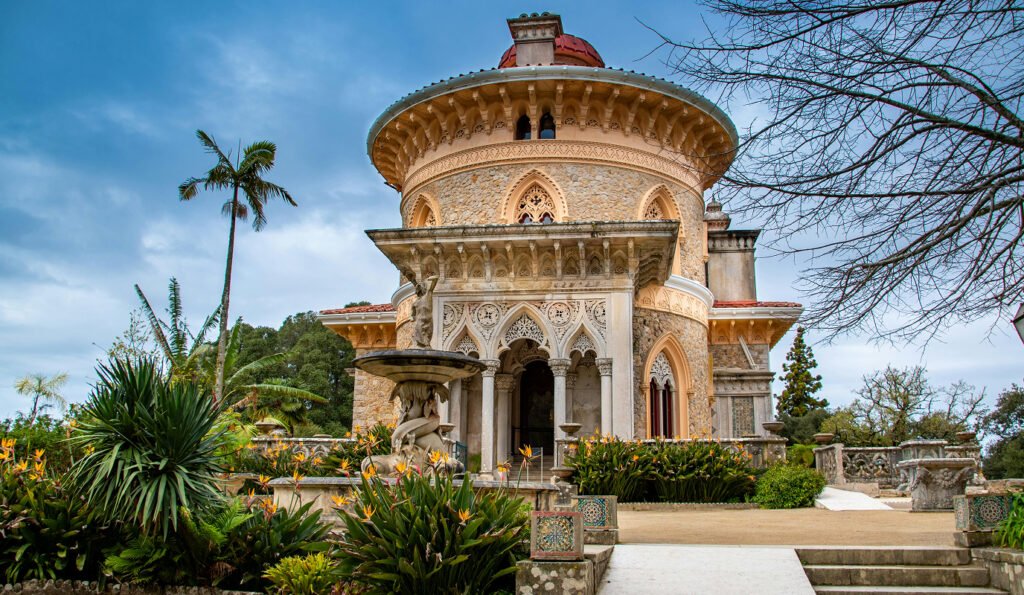
Just 40 minutes from Lisbon by train and yet a world away, Sintra is one of Portugal’s most magical and dreamlike destinations. This small UNESCO World Heritage town sits nestled in the wooded hills of the Serra de Sintra, surrounded by ancient forests, mist-covered peaks, and a collection of extraordinary palaces, castles, and romantic estates that look as though they were conjured from the pages of a fairy tale.
The Pena Palace, perched dramatically on the highest peak of the Serra, is the jewel of Sintra — a wildly romantic 19th-century palace of vivid reds, yellows, and blues that seems to grow organically from the rocky hilltop. The views from its battlements on a clear day stretch all the way to the Atlantic. The mysterious Quinta da Regaleira is a place of extraordinary atmosphere — an estate of Gothic towers, lush gardens, underground grottos, and the famous Initiation Well, a spiralling underground tower used in mysterious Masonic ceremonies. The ruined Moorish Castle, its ancient walls winding along the rocky ridge above the town, offers sweeping views across the hills and coast.
Sintra is also a town of exceptional pastry. The queijada de Sintra — a small, dense tart of fresh cheese, sugar, and cinnamon — has been made here since the 13th century. The travesseiro — a pillow-shaped puff pastry filled with almond and egg cream — is the other great speciality of the town and best enjoyed at the historic Piriquita pastry shop on the main square.
The Douro Valley — Silence, Vines and Pure Beauty
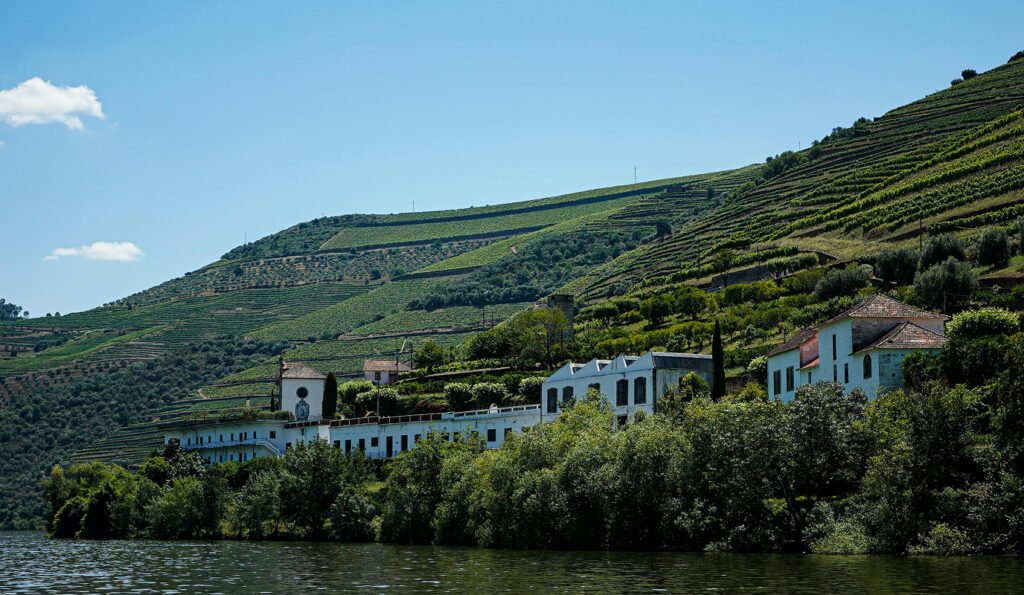
Two hours east of Porto, the Douro Valley is one of the most awe-inspiring landscapes in all of Europe. Designated a UNESCO World Heritage Site, this is a landscape of steep terraced hillsides carved into the rock over centuries, covered in row upon row of carefully tended grapevines that cascade down to the wide, shimmering Douro River far below. In autumn, when the harvest begins and the vines turn gold and red, the valley is breathtaking beyond description.
The Douro is the oldest demarcated wine region in the world, established in 1756, and it is the birthplace of Port wine. The valley is dotted with ancient quintas — wine estates — many of which welcome visitors for tours, tastings, and accommodation. Stay overnight at a quinta, wake before dawn to watch the mist rise slowly from the river and drift between the terraces as the first light touches the highest vines, and you will understand why so many travellers say the Douro Valley changed their relationship with Portugal entirely.
The best way to explore the Douro Valley is to combine a scenic train journey along the riverbank from Porto with a boat trip upriver and a drive along the high ridge roads that offer panoramic views across the valley. Each perspective reveals a completely different and equally magnificent version of this extraordinary landscape.
Best Time to Visit Portugal
Portugal is a genuinely year-round destination, but each season offers a different experience. Spring, from March to May, is arguably the finest time to visit — the countryside is green and blooming with wildflowers, the weather is warm and sunny without being hot, the tourist crowds are manageable, and the quality of light is extraordinary. This is the best season for walking, cycling, and exploring Portugal’s natural landscapes.
Summer, from June to August, brings long hot days, busy beaches, and a festive atmosphere across the country. The Algarve is at its most vibrant and the cities host their great summer festivals — Lisbon’s Santos Populares in June is one of the most joyful and atmospheric street celebrations in all of Europe. Be prepared for crowds at the most popular sites and book accommodation well in advance.
Autumn, from September to October, is a wonderful time to visit — warm sunshine, fewer tourists, lower prices, and the magical spectacle of the grape harvest in the Douro Valley. This is also excellent weather for the Alentejo and for city breaks.
Winter, from November to February, is mild by European standards and ideal for exploring Lisbon and Porto at a relaxed pace with very few crowds. The Algarve enjoys mild winter sunshine and is an excellent destination for those escaping colder northern climates. Christmas and New Year in Portugal are warm, festive, and full of character.
Let Portugal Move You
Portugal is a country that rewards the curious, the unhurried, and the open-hearted traveller. It is a place where the ancient and the modern sit comfortably side by side, where a fisherman mending his nets on a beach in the Algarve and a Michelin-starred chef in Lisbon share the same profound respect for the ingredients of the sea. It is a country where music carries centuries of longing in a single phrase, where a custard tart eaten warm from the oven at eight in the morning feels like one of life’s great pleasures, and where the sight of the Atlantic stretching away to the horizon from a clifftop in the far west can make you feel, just for a moment, that you are standing at the very edge of the world and the beginning of everything.