Are you looking for the ultimate South Korea travel inspiration? South Korea is one of Asia’s most extraordinary destinations — a country where thousand-year-old temples stand beside gleaming glass skyscrapers, where ancient royal palaces open their gates every morning in the heart of a buzzing modern metropolis, and where volcanic island landscapes take your breath away at every turn.
From the lantern-lit courtyards of Seoul to the wind-swept shores of Jeju Island, South Korea offers travelers a journey unlike anything else in the world. Whether you are planning your first visit or returning for another unforgettable chapter, this South Korea travel inspiration guide will show you exactly why Korea belongs at the very top of your travel list.
Why South Korea Should Be Your Next Travel Destination
South Korea travel inspiration begins the moment you start researching this remarkable country. Few destinations in the world offer such a complete travel experience — rich cultural heritage, world-class cuisine, dramatic natural landscapes, vibrant city life, and warm, generous hospitality all in one place.
South Korea is a country that has preserved its identity with fierce pride while embracing the modern world with extraordinary energy. It is a place where you can meditate at a 1,500-year-old Buddhist temple in the morning and dine at a Michelin-starred restaurant in the evening. Where you can hike an ancient mountain trail at dawn and explore a cutting-edge art museum by afternoon.
This is the true heart of South Korea travel inspiration — the feeling that no matter what kind of traveler you are, Korea has something made perfectly for you.
Seoul: The Capital of Ancient Meets Modern
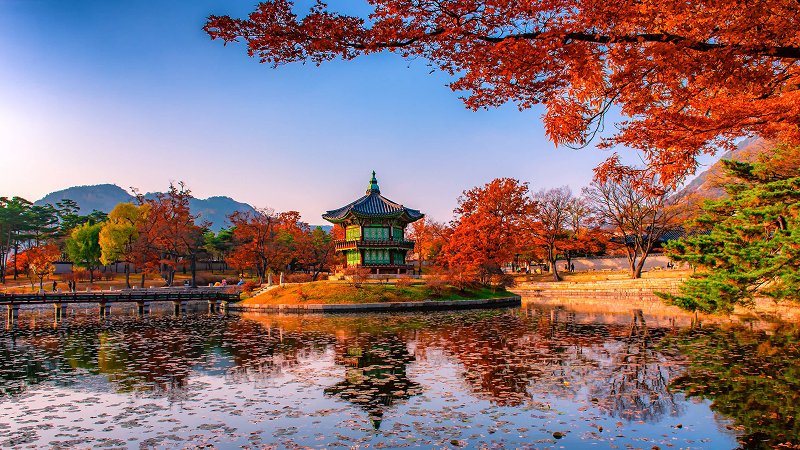
No South Korea travel inspiration guide is complete without beginning in Seoul — one of the world’s greatest cities and the beating heart of Korean culture, history, and innovation.
Gyeongbokgung Palace
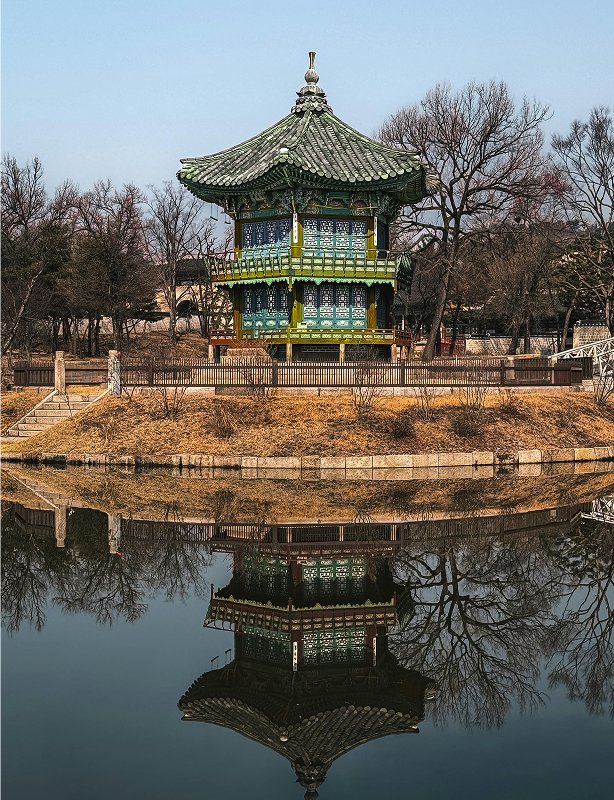
Built in 1395 during the Joseon Dynasty, Gyeongbokgung Palace is Seoul’s most iconic landmark and one of the finest examples of traditional Korean architecture in the world. Its grand gates, painted wooden halls, and sweeping courtyards are framed by the dramatic peaks of Bugaksan Mountain behind — a sight that has inspired travelers and artists for centuries.
Dress in a traditional hanbok — flowing silk robes in vivid jewel tones — and walk through the palace grounds as Korean royalty once did. Many hanbok rental shops surround the palace, and wearing one grants you free entry. It is one of the most memorable South Korea travel experiences you can have.
Bukchon Hanok Village
Tucked between two royal palaces on a quiet Seoul hillside, Bukchon Hanok Village is a living neighborhood of over 900 traditional wooden houses that have stood for more than 600 years. In the early morning, before the city fully wakes, the stone alleyways here are wrapped in a silence that feels almost sacred.
Walk slowly. Notice the curved tiled rooftops, the latticework wooden doors, the small gardens visible through open gates. Bukchon is not a museum — people live here, and that living presence makes it one of the most authentic South Korea travel inspiration destinations in the entire country.
Myeongdong and Gangnam
For a completely different side of Seoul, explore Myeongdong — the city’s most famous shopping and street food district. Vendors line every pavement with sizzling tteokbokki, hotteok pancakes dripping with brown sugar, and skewered grilled meats. The energy here is electric, joyful, and utterly addictive.
Cross the Han River into Gangnam and you enter Seoul’s ultra-modern face — luxury boutiques, designer architecture, rooftop bars, and some of the best contemporary restaurants in Asia. At night, the Han River bridges glow with colored lights reflected in the dark water below, and the city skyline stretches endlessly in every direction.
Seoul is the kind of city that makes you want to stay longer than you planned. And that feeling is one of the greatest gifts South Korea travel inspiration has to offer.
Seoul Food Culture: A Journey for the Senses
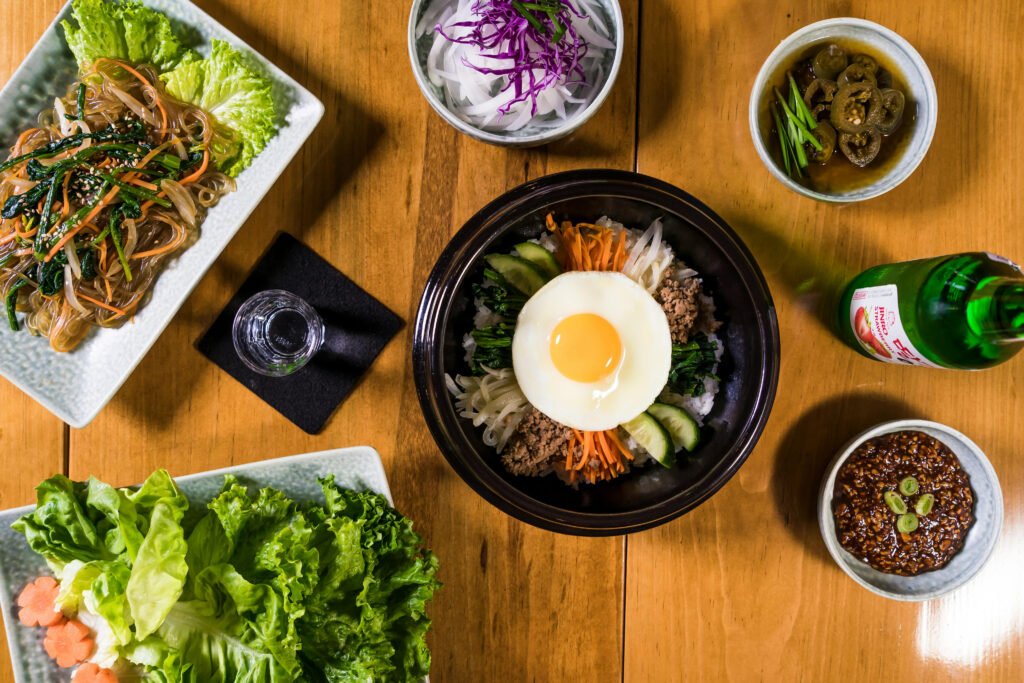
South Korea travel inspiration is impossible to separate from Korean food — one of the world’s most beloved and deeply cultural cuisines. In Seoul, eating is not merely something you do between sightseeing. It is the sightseeing.
Begin your days with a steaming bowl of haemul sundubu-jjigae — soft tofu stew loaded with seafood and vegetables, served bubbling in a stone pot with a bowl of white rice and an array of banchan side dishes. This is how millions of Koreans start their mornings, and after your first taste, you will understand why.
Gwangjang Market, one of Seoul’s oldest and most beloved traditional markets, is a South Korea travel inspiration destination in its own right. Its covered alleyways are packed with food stalls serving bindaetteok mung bean pancakes, yukhoe raw beef tartare, and mayak gimbap — tiny seaweed rice rolls so addictive they are nicknamed “drug rolls.”
For the full Korean BBQ experience, head to the neighborhoods of Mapo or Mapo-gu, where charcoal grills are set into every table and the air is always filled with the irresistible smell of marinated pork and beef. Wrap your samgyeopsal in crisp perilla leaves with fermented kimchi and a smear of ssamjang paste and enjoy one of the most satisfying meals you will ever eat.
Seoul’s café culture deserves its own mention. The city has one of the highest densities of coffee shops in the world, and many of them are works of art — hidden inside century-old hanok houses, rooftop terraces overlooking palace walls, or minimalist spaces where single-origin pour-overs are prepared with almost ceremonial care.
Gyeongju: The Ancient Capital That Time Preserved
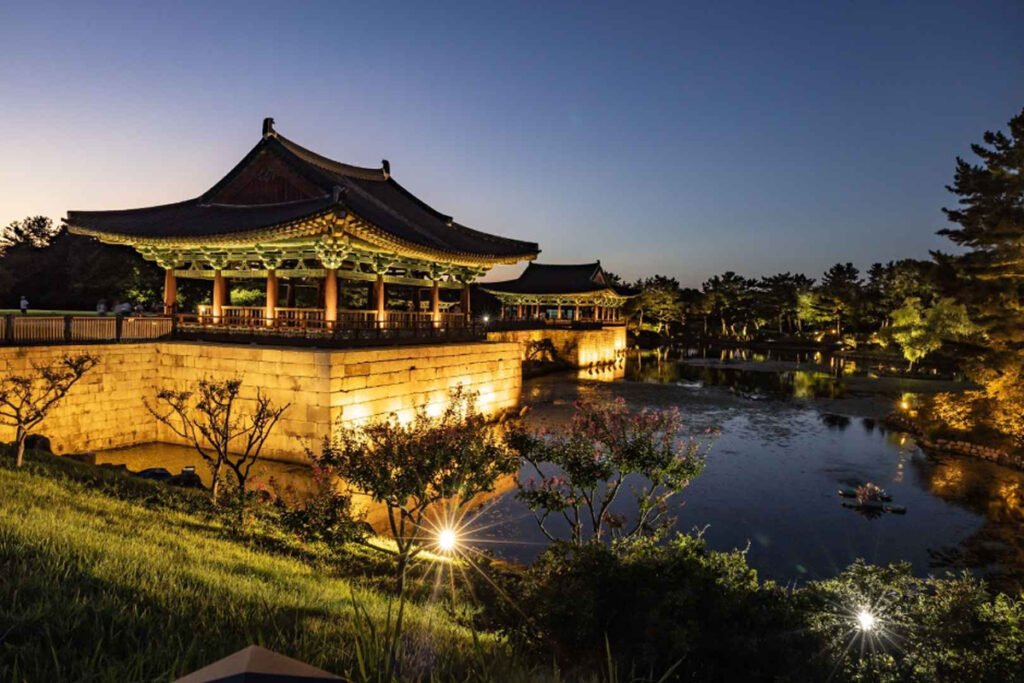
One of the most powerful stops on any South Korea travel inspiration journey is Gyeongju — a city that served as the capital of the ancient Silla Kingdom for nearly 1,000 years and today stands as one of Asia’s greatest living heritage destinations.
UNESCO has designated much of Gyeongju a World Heritage Site, and it is easy to see why. The entire city is essentially an open-air museum, with royal burial mounds, stone pagodas, Buddhist shrines, and ancient observatory towers woven into the everyday fabric of modern urban life.
Daereungwon Tumuli Park
The Daereungwon burial mound complex is one of Gyeongju’s most extraordinary and atmospheric sites. Dozens of enormous grassy mounds — some rising 20 meters high — dot the parkland, each one the tomb of a Silla royal or noble. Walking among them at golden hour, when the low sun casts long shadows across the green curves of the mounds, is one of the most quietly moving South Korea travel experiences available.
Bulguksa Temple and Seokguram Grotto
Bulguksa Temple, built in 528 AD and reconstructed during the Silla Dynasty’s golden age, is widely considered the finest Buddhist temple in Korea. Its stone staircases, arched bridges, and multi-colored wooden halls represent the Silla people’s vision of the Buddhist paradise — a vision so beautiful it has survived nearly 1,500 years.
A short ride up the mountain brings you to Seokguram Grotto, where a perfectly proportioned stone Buddha sits in serene meditation inside a granite dome, gazing eastward toward the sea. The artistry and devotion that created Seokguram represent the absolute pinnacle of Korean Buddhist art, and standing before it is an experience that stays with every traveler long after they leave.
Gyeongju is a reminder that South Korea travel inspiration is not only about the energy of modern cities — it is equally about the profound, quiet power of an ancient civilization that built for eternity.
Busan: Sea, Color and Bold Korean Spirit
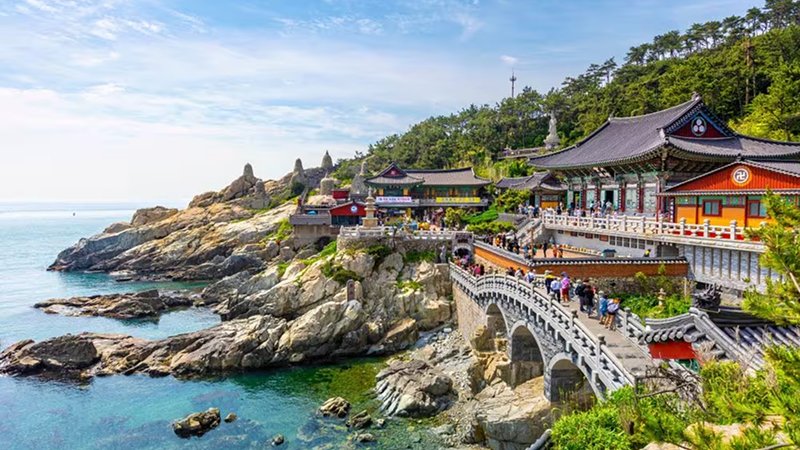
South Korea’s second-largest city is one of the country’s greatest travel surprises. Busan is coastal, colorful, fiercely proud of its identity, and absolutely packed with South Korea travel inspiration at every turn.
Gamcheon Culture Village
Draped across a steep hillside above the harbor, Gamcheon Culture Village is one of the most visually striking neighborhoods in all of South Korea. Originally built as a densely packed hillside settlement, the village has been transformed over the years into a cascading artwork of pastel-painted houses, outdoor murals, mosaic staircases, rooftop sculptures, and tiny galleries tucked into alleyways.
Climb the steep lanes and discover hand-lettered poetry painted on walls, miniature figures perched on rooftops, and sudden panoramic views of the harbor and city below. Gamcheon is joyful, creative, and deeply human — a perfect symbol of the resilience and artistic spirit that defines Busan.
Haeundae and Gwangalli Beaches
Busan is Korea’s beach city, and its shoreline does not disappoint. Haeundae Beach — the country’s most famous — stretches in a wide golden arc below a skyline of luxury hotels and residential towers. In the shoulder seasons of spring and autumn, the beach is peaceful and extraordinarily beautiful, with clean sand, clear water, and mountain backdrops on every side.
Gwangalli Beach offers a different but equally captivating atmosphere. The twin span of Gwangan Bridge, illuminated at night with thousands of colored lights, stretches across the harbor directly in front of the beach, creating one of Korea’s most iconic night views. Sitting at a beachside café with a cold drink as the bridge glows against the dark water is pure South Korea travel inspiration magic.
Busan’s Legendary Food Scene
Busan’s food culture is one of the finest in Korea — and given the extraordinary standard of Korean food nationwide, that is high praise indeed. Jagalchi Fish Market, Korea’s largest seafood market, is an essential experience. Rows of vendors sit behind tanks of live fish, sea urchin, abalone, and shellfish, preparing orders on the spot with cheerful efficiency.
Try milmyeon — Busan’s signature cold buckwheat noodle dish served in an icy beef broth — and dwaeji gukbap, a rich pork and rice soup that locals eat for breakfast, lunch, and dinner without ever tiring of it. Busan feeds you well, and eating here is an essential part of the South Korea travel inspiration experience.
The Korean Countryside: Temples, Tea Fields and Mountain Trails
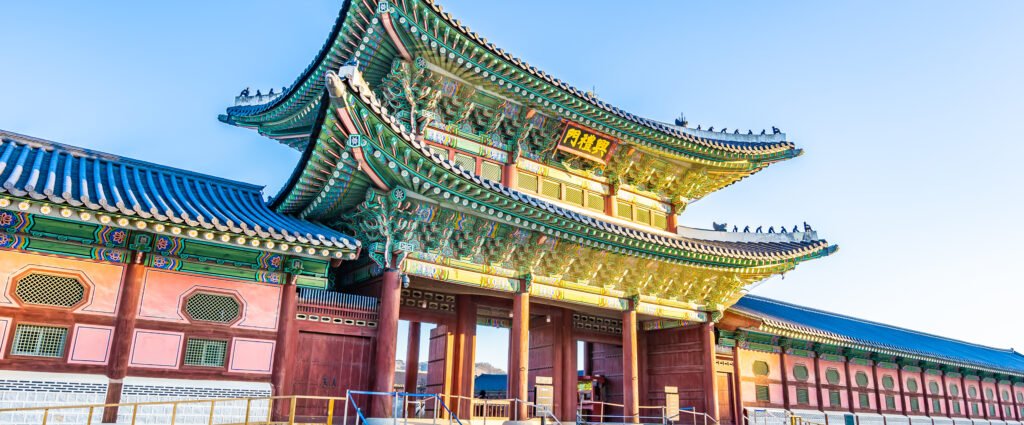
South Korea travel inspiration extends far beyond its famous cities. The Korean countryside — covering approximately 70 percent of the peninsula — offers some of the most beautiful and spiritually resonant landscapes in all of Asia.
Seoraksan National Park
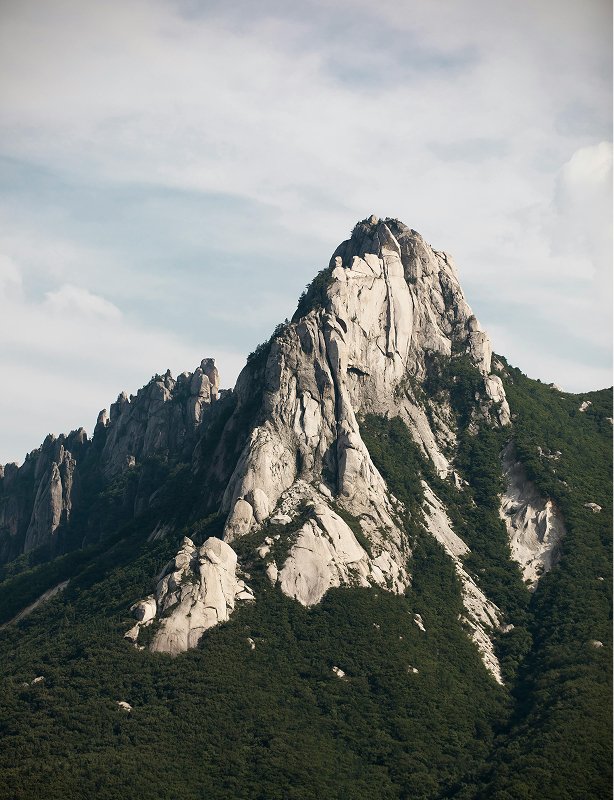
Located in the northeastern corner of the country, Seoraksan National Park is widely considered South Korea’s most spectacular national park. Its jagged granite peaks, dense forests, Buddhist hermitages clinging to cliff faces, and rushing mountain streams create a landscape of wild, dramatic beauty.
In autumn, the forests of Seoraksan turn into a blaze of crimson, orange, and gold that draws visitors from across Korea and the world. Hiking the trails here — past ancient stone Buddhas carved into cliff faces and small temples where monks chant at dawn — is one of the most rewarding South Korea travel experiences available.
Boseong Green Tea Fields
In the rolling hills of South Jeolla Province, the Boseong Green Tea Fields offer one of Korea’s most serene and photogenic landscapes. Perfectly manicured rows of tea plants terrace down hillsides in waves of vivid green, and walking through them in the early morning mist is deeply calming.
The tea harvested here is used in some of Korea’s finest green teas and matcha products, and the small teahouses dotted throughout the fields serve freshly brewed cups alongside green tea ice cream and traditional rice cakes. This is rural South Korea at its most peaceful and beautiful.
Haeinsa Temple and the Tripitaka Koreana
Deep in the forests of Gayasan National Park stands Haeinsa Temple — one of Korea’s three jewel temples and home to one of the most extraordinary cultural treasures in the world. The Tripitaka Koreana consists of over 81,000 individual wooden printing blocks, each one hand-carved in the 13th century to contain the complete text of Buddhist scripture.
Stored in specially designed wooden halls that have maintained perfect preservation conditions for 800 years without any modern technology, the Tripitaka is a UNESCO World Heritage treasure and a profound testament to human devotion, knowledge, and craftsmanship. Visiting Haeinsa and standing before these ancient wooden blocks is one of the most moving experiences South Korea travel inspiration has to offer.
Jeju Island: South Korea’s Natural Paradise
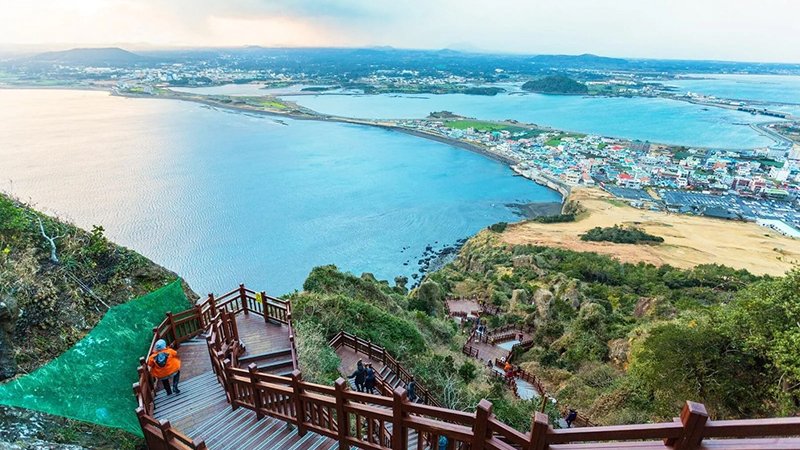
The final and perhaps most breathtaking chapter of South Korea travel inspiration unfolds on Jeju Island — a UNESCO Triple Crown destination and the crown jewel of Korean natural beauty.
Formed by volcanic eruptions millions of years ago, Jeju rises from the Korea Strait as an island of extraordinary geological drama and lush subtropical beauty. Its landscapes feel different from anything on the Korean mainland — wilder, more elemental, and filled with a sense of ancient natural power.
Hallasan: South Korea’s Highest Peak
Dominating the center of Jeju, Hallasan is a dormant volcano and South Korea’s highest mountain at 1,950 meters. The hike to its summit crater — where a serene mountain lake reflects the sky above — passes through zones of subtropical forest, alpine meadow, and ancient lava fields, offering a compressed journey through extraordinary ecosystems.
On a clear day, the summit view stretches across the entire island to the surrounding sea in every direction. It is one of the most rewarding hikes in all of South Korea and an essential experience for any traveler seeking genuine South Korea travel inspiration in nature.
Seongsan Ilchulbong: The Sunrise Peak
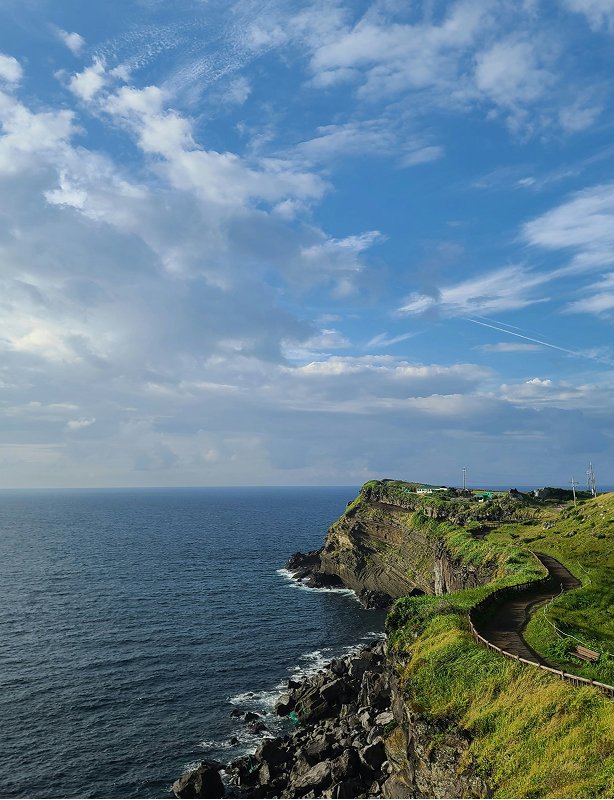
At Jeju’s eastern tip, the volcanic tuff cone of Seongsan Ilchulbong rises from the sea like an ancient crown. Formed 180,000 years ago by a single underwater volcanic eruption, its dramatic crater rim and sheer ocean cliffs are among Jeju’s most iconic and photographed sights.
Climb to the summit before dawn and watch the sun rise over the Pacific Ocean from the crater rim. The light changes from deep indigo to pink to burning gold as the horizon brightens, and the sea below catches every color in turn. It is the kind of sunrise that makes you feel grateful to be alive — and that feeling is exactly what the finest South Korea travel inspiration delivers.
Manjanggul Lava Tube
Stretching over 13 kilometers beneath Jeju’s surface, the Manjanggul Lava Tube is one of the world’s longest and most impressive lava tube cave systems and a UNESCO World Heritage Site. Walking through its cathedral-like chambers, past towering lava columns, strange mineral formations, and walls that glow faintly with moisture, feels like exploring the interior of the earth itself.
Jusangjeolli Cliff
Along Jeju’s southern coastline, the Jusangjeolli Cliff presents one of nature’s most spectacular geometric displays. Thousands of hexagonal basalt columns, formed when volcanic lava met the sea thousands of years ago, stack together in perfect formations along the shoreline as waves crash against them in explosions of white foam. It is dramatic, beautiful, and endlessly photogenic.
The Haenyeo: Jeju’s Living Cultural Treasure
No South Korea travel inspiration piece about Jeju would be complete without honoring the haenyeo — Jeju’s legendary female breath-hold divers. For generations, these extraordinary women have dived to depths of up to 20 meters without any breathing equipment, harvesting abalone, sea urchin, conch, and other seafood from the ocean floor.
Many haenyeo are in their sixties, seventies, and even eighties, and they still dive daily. Their tradition — recognized by UNESCO as an Intangible Cultural Heritage of Humanity — is a living symbol of Korean women’s strength, courage, independence, and deep connection to the natural world. Watching the haenyeo emerge from the sea, sorting their catch on the rocks with laughter and easy competence, is one of the most moving and memorable experiences in all of South Korea.
Jeju Olle Trail
The Jeju Olle Trail is a network of coastal and countryside walking paths that traces the entire perimeter of Jeju Island in 26 sections. Even walking just a few sections takes you past black lava shorelines, tangerine orchards heavy with fruit, fishing villages where painted boats rock in small harbors, wild flower meadows, and wind-sculpted cliffs above crashing seas.
Walking the Olle Trail is slow, beautiful, and deeply restorative — a perfect final chapter for any South Korea travel inspiration journey.
Korean Culture: The Soul Behind Every Experience
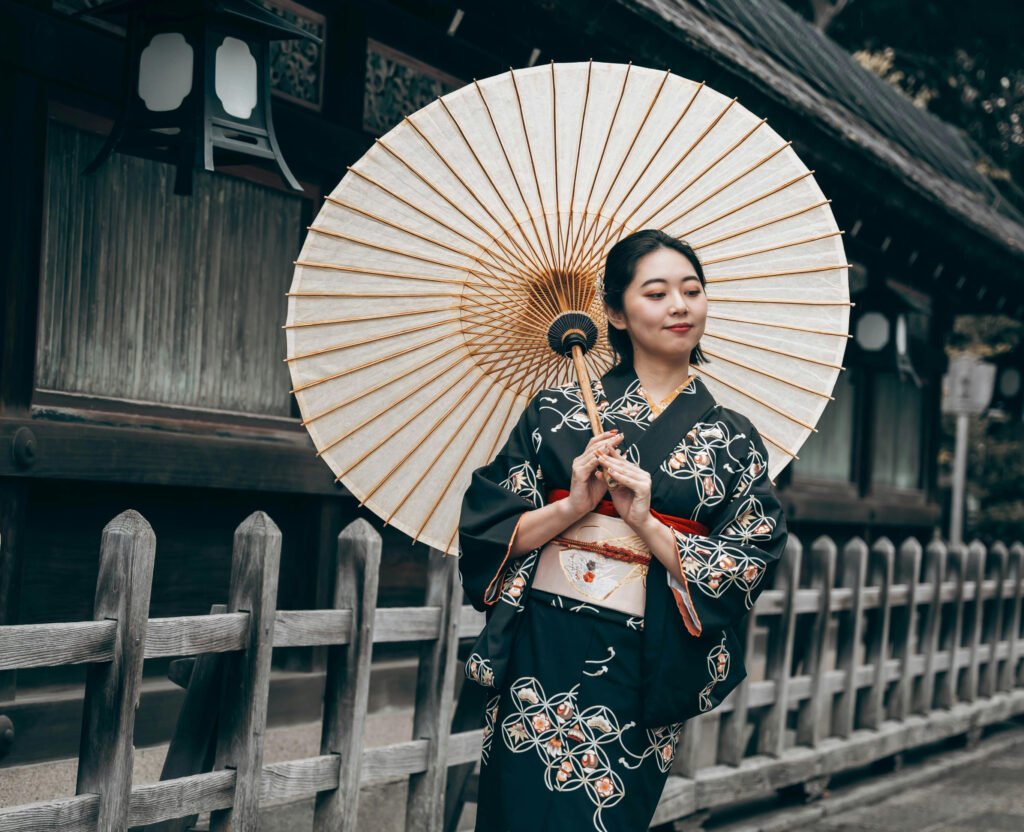
The deepest South Korea travel inspiration comes not from any single landmark or landscape but from Korean culture itself — warm, proud, communal, and extraordinarily rich.
Food is the primary language of Korean hospitality. Every meal is an act of generosity — banchan side dishes covering every inch of the table, portions that keep arriving long after you think you are full, and the unspoken understanding that eating together is one of the most important things human beings can do.
The concept of jeong — a uniquely Korean word describing the deep emotional bond that forms between people, places, and experiences — explains why so many travelers return to Korea again and again. Jeong cannot be rushed or manufactured. It accumulates slowly, through shared meals and kind strangers and quiet mornings in ancient places, until one day you realize that Korea has become part of you.
Temple stay programs across the country allow visitors to spend one or more nights in ancient Buddhist monasteries — waking before dawn for meditation practice, participating in traditional tea ceremonies, learning the careful art of mindfulness from monks who have dedicated their lives to its practice. These experiences offer a quality of stillness and presence that is increasingly rare in modern life and increasingly necessary.
The Korean concept of nunchi — the subtle art of reading the mood of others, of understanding without being told — shapes social interactions throughout the country in ways that make every encounter feel thoughtful and considerate. Koreans are not merely polite. They are genuinely attentive, and that attentiveness makes every traveler feel genuinely welcome.
Plan Your South Korea Travel Inspiration Journey
South Korea travel inspiration is everywhere — in the steam rising from a bowl of street food on a winter morning, in the echo of a temple bell across a mountain valley, in the colors of a palace courtyard at sunset, in the laughter of strangers who become friends over a shared meal and a bottle of soju.
This is a country that rewards every kind of traveler. History lovers will find world-class heritage at every turn. Food travelers will discover a cuisine of extraordinary depth, variety, and passion. Nature seekers will find mountains, coastlines, islands, and forests of dramatic beauty. Culture enthusiasts will find traditions that have survived for millennia and continue to evolve with grace and creativity.
And everyone — every single traveler who arrives in South Korea — will find the warmth of a people who are genuinely, generously glad that you came.
From Seoul’s ancient palaces to Jeju’s volcanic shores. From Gyeongju’s royal burial mounds to Busan’s colorful hillside village. From mountain temple bells to midnight city lights. From ancient traditions to modern dreams.
South Korea travel inspiration does not end when your trip does. It stays with you — in your memories, in your photographs, in the recipes you try to recreate at home, and in the quiet moments when you close your eyes and find yourself already planning your return.
Your unforgettable South Korea story is waiting to begin.