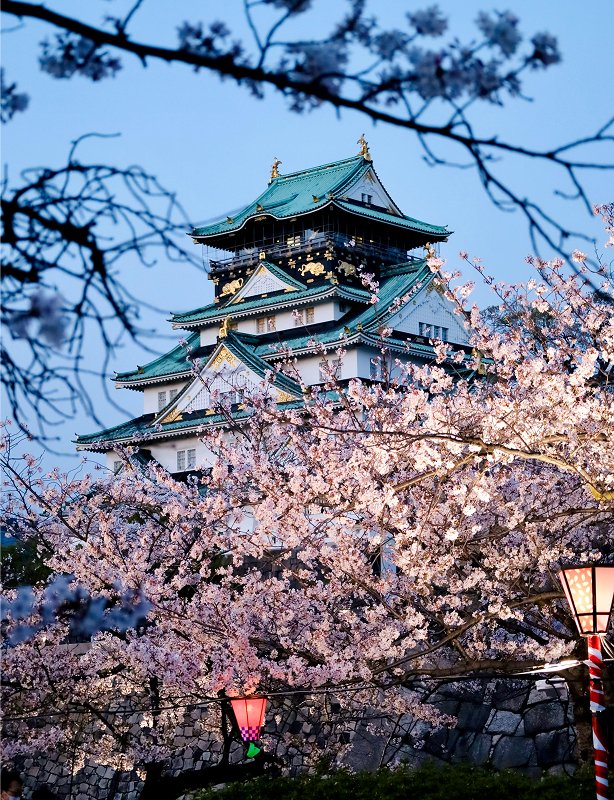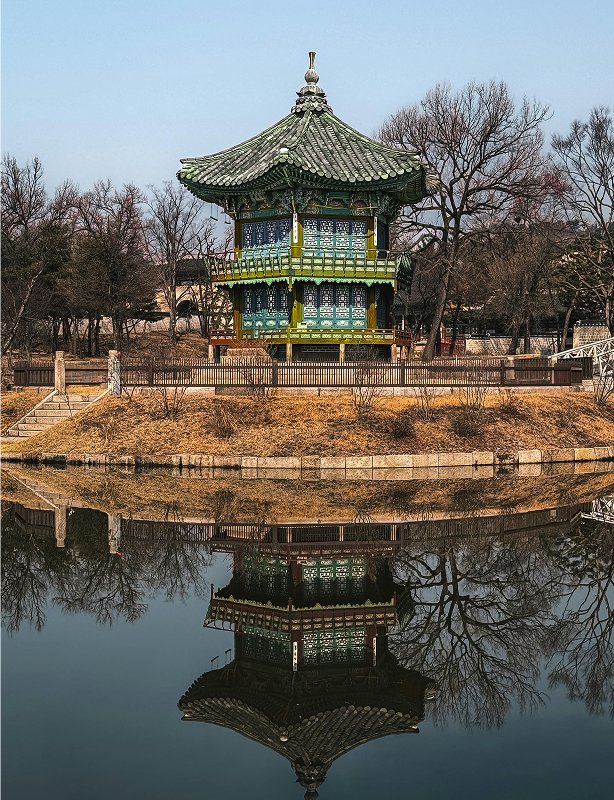
South Korea reveals itself through layers of movement and meaning. . Embarking on a South Korea cultural journey, travelers discover a country where fast-paced modernity coexists seamlessly with centuries-old traditions. Beneath its fast-paced surface lies a culture shaped by patience, ritual, and collective memory. Every interaction — from ordering tea in a quiet café to navigating a crowded subway platform — reflects a balance between efficiency and courtesy. Travelers quickly notice how seamlessly daily life flows, guided by unspoken social rhythms that feel both structured and welcoming.
The country’s identity is not static; it evolves constantly. Innovation is visible in architecture, transportation, and digital culture, yet it never fully replaces what came before. Instead, modern life grows around tradition like new branches extending from old roots. This coexistence gives travel in South Korea a unique texture — you experience both acceleration and stillness in the same day.
South Korea – Where Tradition Lives in Modern Spaces
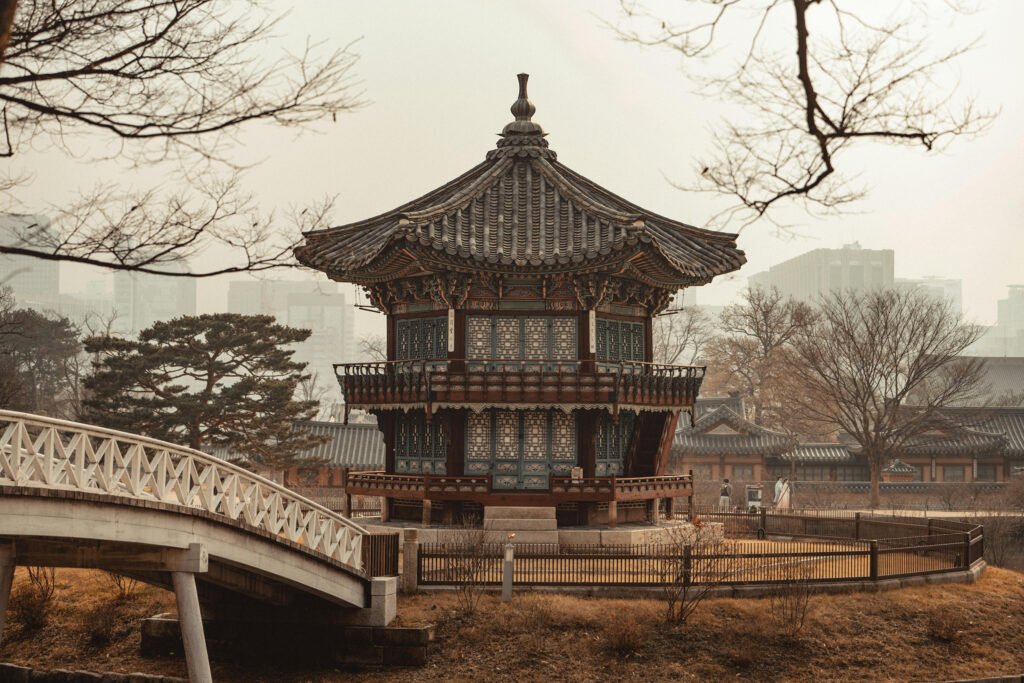
Historic neighborhoods preserve an atmosphere that feels untouched by urgency. Walking through places such as Bukchon Hanok Village, travelers on a South Korea cultural journey encounter narrow lanes where wooden doors open onto quiet courtyards. Footsteps soften against stone paths, and conversations carry gently through the air. These spaces invite slower movement and attentive observation.
Tea houses tucked into traditional buildings offer moments of calm. The ritual of preparing and serving tea becomes an exercise in mindfulness. Steam rises slowly, aromas unfold gradually, and silence becomes part of the experience. Visitors learn to appreciate stillness as an essential component of cultural understanding.
Craft workshops sustain artisanal traditions. Skilled hands shape ceramics, textiles, and paper using techniques refined over centuries. Watching these processes connects travelers on a South Korea cultural journey to a lineage of creativity that extends far beyond the present moment.
Seasonal festivals animate historic districts with color and ceremony. Lanterns glow softly at dusk, music echoes through courtyards, and shared celebrations strengthen communal bonds. Travelers witness how tradition remains alive through participation rather than preservation alone.
Religious spaces deepen this sense of continuity. At temples such as Jogyesa Temple, visitors observe rituals that emphasize reflection and humility. The scent of incense and the rhythm of chanting create a contemplative atmosphere that contrasts gently with the surrounding city.
These encounters reshape perception. Tradition is no longer something distant or formal — it becomes intimate, tactile, and present on every South Korea cultural journey.
South Korea – Streets Lit by Energy and Expression
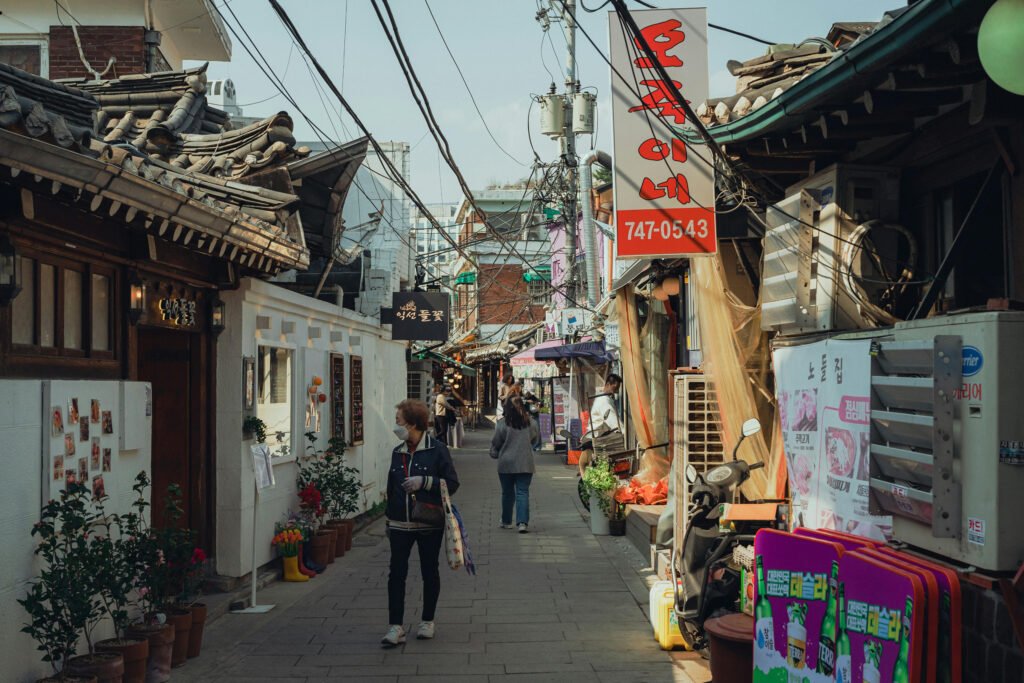
Urban districts transform throughout the day. Morning commutes feel purposeful and efficient, while afternoons soften into social gatherings at cafés and public squares. As evening approaches, streets brighten and conversations grow animated, revealing another layer of city life.
Music spills from storefronts and performance spaces. Street performers attract small crowds, their rhythms blending with ambient city sounds. This spontaneous creativity adds texture to the urban environment experienced on a South Korea cultural journey.
Culinary culture thrives in open-air settings. Shared tables encourage conversation among strangers, dissolving boundaries through the universal language of food. Laughter and aroma intermix, forming memories rooted in sensory experience.
Digital screens and public art coexist as forms of storytelling. Animated displays present contemporary narratives while murals preserve local identity. Together, they illustrate how expression evolves without erasing its origins, a highlight of any South Korea cultural journey.
Youth culture energizes nightlife districts. Fashion experimentation, dance, and visual art converge, transforming streets into platforms for identity and innovation. Travelers observe how younger generations reinterpret tradition through modern aesthetics.
Even within vibrant neighborhoods, moments of pause remain accessible. A quiet side street or rooftop terrace offers perspective above the motion below, reminding visitors that energy and calm are never far apart during a South Korea cultural journey.
South Korea – Landscapes That Offer Perspective
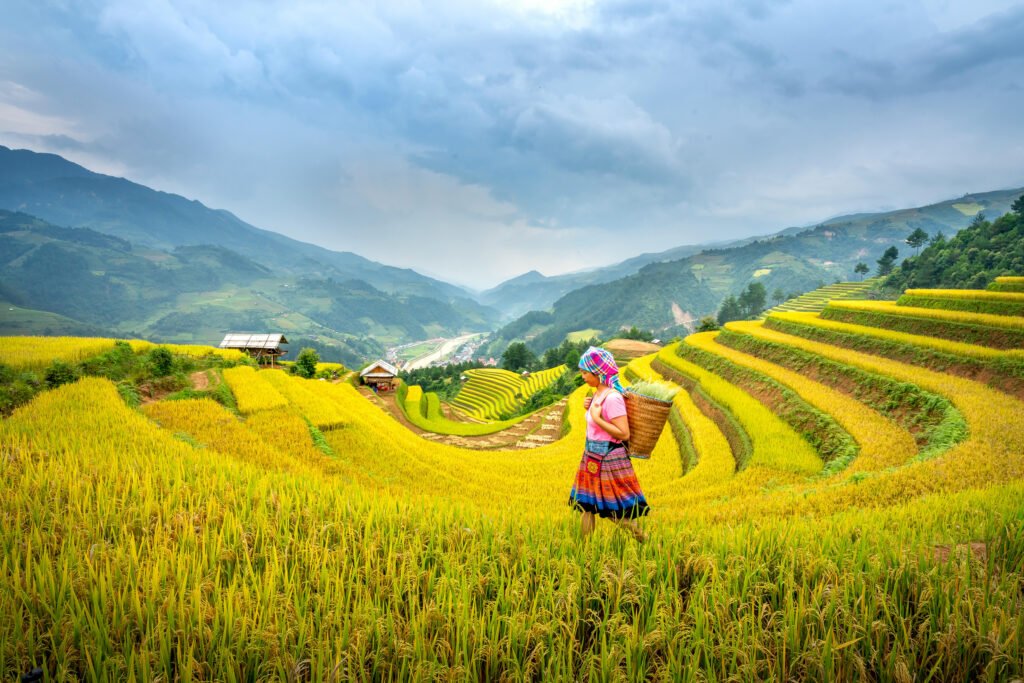
Rural regions introduce expansive horizons that recalibrate perception. Agricultural valleys stretch outward in geometric patterns, reflecting centuries of cultivated harmony between people and land.
Mountain monasteries appear suspended between earth and sky. Reaching them requires steady ascent, and the effort itself becomes part of the reward. From elevated vantage points, cities fade into abstraction while natural forms dominate awareness — a central experience of a South Korea cultural journey.
Weather plays an active role in shaping experience. Mist softens outlines, rain deepens color, and sunlight sharpens contrast. Each atmospheric shift transforms familiar scenery into something newly expressive.
Coastal paths trace the meeting point of land and sea. Waves repeat ancient rhythms that feel timeless and grounding. Travelers walking these routes often find their thoughts aligning with the steady cadence of water, forming quiet highlights of a South Korea cultural journey.
Wildlife and seasonal vegetation contribute subtle movement to otherwise quiet environments. Leaves rustle, birds cross open sky, and the landscape feels alive without demanding attention.
These settings cultivate introspection. Removed from urban stimulation, travelers reconnect with slower internal rhythms. Nature becomes not just scenery but a participant in the South Korea cultural journey.
South Korea – The Movement Between Worlds
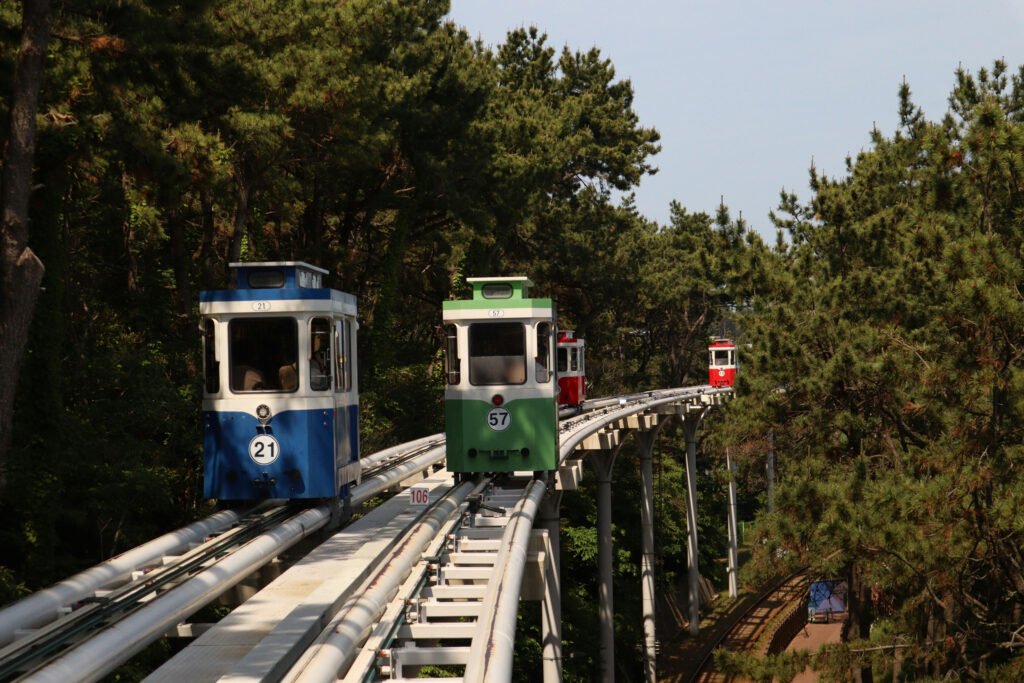
Transportation networks function as connective tissue linking diverse experiences. Stations act as transitional spaces where anticipation replaces destination. Travelers share silent awareness of collective movement.
Long-distance journeys encourage contemplation. Watching scenery shift through windows invites reflection on distance and scale. Urban density gradually yields to open terrain, illustrating geographic diversity within compact boundaries — another layer of any South Korea cultural journey.
Encounters during transit feel fleeting yet meaningful. A shared glance, a courteous gesture, or a brief exchange transcends language barriers.
Rest stops reveal regional character through architecture and cuisine. Small details — signage styles, local specialties — hint at cultural variation.
The rhythm of wheels against tracks or roads becomes meditative. Repetition soothes attention and heightens sensitivity to subtle change. Movement itself becomes meaningful for those on a South Korea cultural journey.
Arrival carries renewed energy shaped by the journey itself. Each destination feels earned through movement. Travel becomes a dialogue between departure and arrival.
South Korea – Leaving With a Renewed Sense of Balance
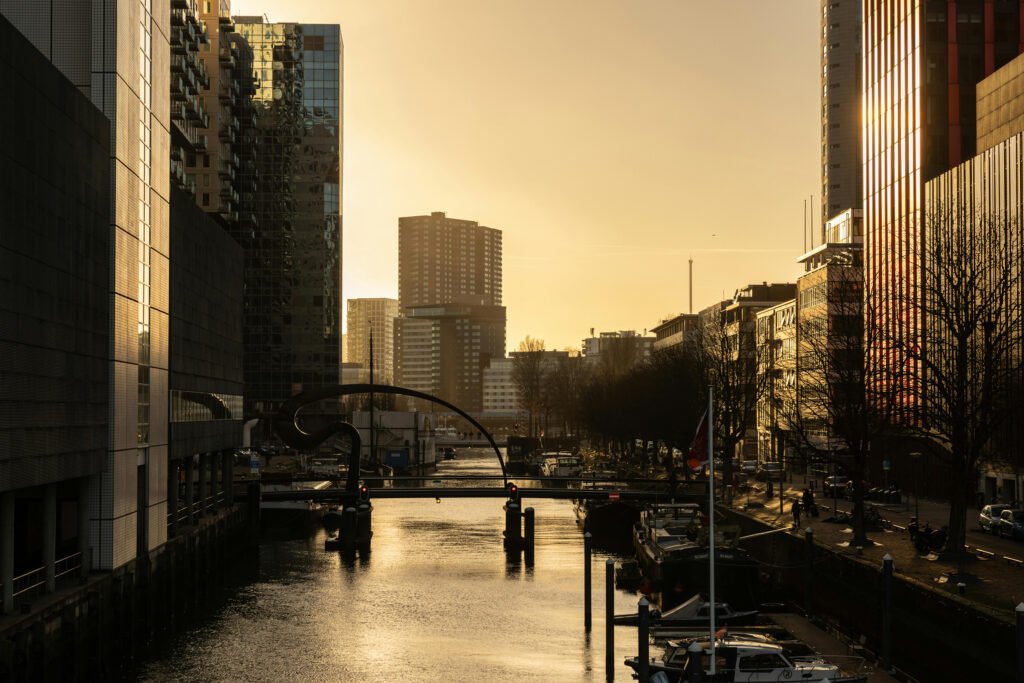
Departure from South Korea often feels gradual rather than abrupt. Memories accumulate quietly — a conversation remembered, a landscape revisited in thought, a flavor recalled unexpectedly.
Travelers carry home an appreciation for measured pace. The coexistence of speed and calm influences how they interpret their own routines.
Cultural encounters foster humility and curiosity. Exposure to different values expands emotional vocabulary and perspective.
Friendships formed during travel persist beyond geography. Shared experiences create bonds anchored in mutual discovery.
Creative inspiration lingers. Architecture, design, and artistic expression reshape aesthetic awareness.
Most enduring is a recalibrated sense of balance. Visitors learn that modern life and tradition need not compete; they can coexist productively.
South Korea leaves travelers with an expanded understanding of harmony. The journey concludes, but its influence continues unfolding long afterward — the essence of every South Korea cultural journey.